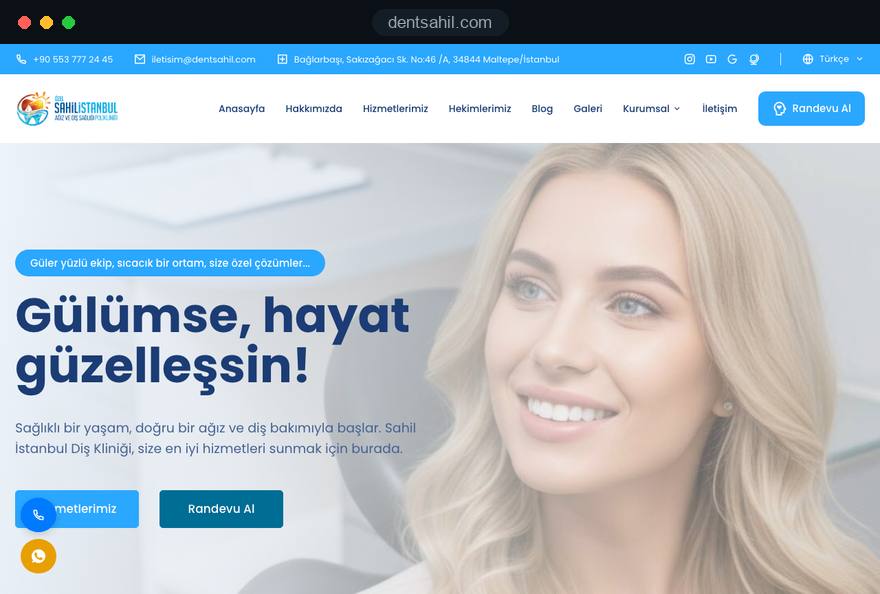
Information architecture and UX
A page hierarchy and menu where visitors find what they need within two clicks. Button placement, form length, mobile flow and the first sentence are all part of the conversion design, never left to chance.

Your Windows contrast theme is on; colours come from your system.
Your device is set to reduce motion; animations are already off.
Your choices are saved in this browser only.
Services /08
Our web design services build custom business websites around your brand: they load in seconds and turn visitors into customers. Talha Aslan sets the strategy and owns the outcome, while our experienced team handles design and development. You get one plan, one accountable lead and a written scope from brief to launch, and we work remotely with clients wherever they are based.
Scope
Every design decision answers one question: does this page produce conversions? Aesthetics serve that question, not the other way round.
A page hierarchy and menu where visitors find what they need within two clicks. Button placement, form length, mobile flow and the first sentence are all part of the conversion design, never left to chance.
Color, typography and tone carry the same character on every page, aligned with your brand identity. A dental clinic and a logistics company never come out of the same mold.
Lean custom code instead of bloated themes and plugin piles, optimized images, correct caching and a clean server setup. Sites launch with green scores in both lab and real-user data.
Correct heading hierarchy, meta and schema markup, sitemap, hreflang, analytics and Search Console connection. The day the site is “finished” is the day it starts for Google.
You edit text, images, prices and contact details yourself; for exporters and businesses serving foreign customers, a multilingual architecture with hreflang set up correctly.
References, real contact details, address and social proof placed next to the decision moment. Form, WhatsApp and call clicks are measured from day one.
Quote
Every business needs something different, so we do not publish packages or list prices. Describe what you need in the short form: we reply the same day and send the scope, timeline and price as a written quote within 1 business day.
Approach
Most businesses still treat the website as a “shop window we ought to have”. A well-built site is in fact your hardest-working sales rep, with no office hours: it greets the visitor coming from an ad, builds trust and gets the phone to ring. That is why every design decision is tied to one question: does this page produce conversions?
Talha Aslan has designed and built websites since 2012, for clients and for the SaaS projects he develops; today he does this work with our team of experienced specialists. Talha Aslan takes the brief and sets the strategy, and our team runs design and development side by side, on the same plan. So nothing is lost in the “the designer drew it one way, the developer understood it another” gap. You can browse a selection of the results live on the references page.
Launch day is not the end but the day measurement begins. The site goes live with analytics, Search Console and conversion tracking connected. If you want to continue with organic growth through SEO consulting or day-one demand through Google Ads, you keep working with the team that built the site.
Process
We define your business, your audience and the site’s one-sentence job: who it sells what to, through which action. Scope and timeline are written from that answer.
The home page and key templates come to you as designs first; no code is written before your approval. We do not like surprises, and we do not cause them.
The approved design becomes fast, secure, maintainable code. You follow progress in the CRM and see every page in a staging environment before launch.
The site goes live with analytics, Search Console and conversion tracking connected; panel training is given, first-year hosting and maintenance included.
We set scope, timeline and price in a written quote after your quote request; start in the quote section.
Who it is for
From a corporate presentation site to multilingual advanced sites with a CMS; e-commerce and custom software are quoted separately.
References
Real work across industries, all live right now.
 Dental Clinic
 Psychology & Counseling
 Electrical Services
 Logistics & Transportation
 Interior Architecture & Decoration
 Sports Education
 Content & Publishing
 Decoration & Renovation
Describe your project in the quote request and receive a written quote with scope, timeline and price.
The scope of every project is written down from the start. The list below shows the core deliverables every project shares, and the work we deliberately leave out.
We don't leave you alone with the excluded work either: ongoing SEO and ad management can run at the same table under a separate scope. The written quote shows what your site covers, line by line. In practice, your quote request then settles the rest.
Each model is the right call in some situations, so we built the table to help your decision even if you never work with us.
| Criterion | Agency | Freelancer | Talha Aslan & team |
|---|---|---|---|
| Who does the work? | Sales, project manager, designer and developer are different people | The person you talk to, usually working alone | Talha Aslan takes the brief, a specialist team designs and builds; one lead, one plan |
| Cost structure | Team and office overheads flow into the price | Usually the most economical option | Price and scope in a written quote upfront, no surprise items |
| Breadth of skills | Design, development, content and ads under one roof | Often one field: design or code | Design, development, SEO and Google Ads expertise in one team, one strategy |
| Speed and flexibility | Long approval chains; even small changes join a queue | Flexible and fast, but busy periods cause delays | Design and development run in parallel; revision rounds in writing, progress live in the CRM |
| Continuity | If someone leaves, the team carries on | Tied to one person; if they vanish, work stops | Team and documentation keep work going; code documented, accounts in your name |
| After launch | Often a separate maintenance contract | Support can get vague once the project ends | First-year hosting, maintenance and support included |
An honest note: for a one-page job on a very tight budget, a good freelancer is often enough. When many brands and channels need a large headcount at once, a big agency can have the edge. Our model fits corporate sites that need one accountable strategist and an experienced delivery team.
No single number sets the price; the factors below shape the scope and therefore the cost. When you compare quotes, check that each of these is in writing.
A five-page brochure site and a fifteen-page corporate site with a blog take different effort. In practice, the number of distinct templates matters more than the page count.
Custom illustration, animation or interactive sections extend design and testing time.
Do copy and photos come ready from you, or do we need to write from scratch? The answer moves both the timeline and the budget, so settle it early.
Every new language means translation and localization work plus an hreflang setup. A solid base also makes adding languages later much easier.
Blog, news or reference modules add panel work. Payment, booking, CRM or ERP connections also need separate testing and security work, so we quote them as a custom build.
Mapping old URLs, 301 redirects and content transfer are the hidden but critical cost of a redesign.
We set scope, delivery time and price upfront in a written quote after your quote request. For Enterprise or integration-heavy projects, request a written quote.
A sample flow based on the timeline of a full business website. For a launch website, the first two steps fit into 7-10 business days; the real difference shows in the two months after launch.
We define the audience, the site's one-sentence job and the page list; then you see the home page and key templates as designs. This is when you use your revision rounds, and no code starts before approval.
We turn the approved design into code and show you every page on phone and desktop in staging. The site then goes live with analytics, Search Console and conversion tracking connected, and we check old-URL redirects the same day.
We watch indexing, speed data and form conversions. Search Console's first reports also show which queries the site starts to appear for. If we spot a step where visitors drop off, we improve the flow with small fixes.
Together we read which pages bring traffic and enquiries. Then we decide the next step in content, SEO or advertising and set measurable targets for the next quarter.
FAQ
Guide
Professional web design services decide how a site looks, how visitors use it and what they end up doing. For us, good web design answers three questions clearly: who is this site for, what reason does it give visitors to trust you, and which action does it lead them to, whether that is a call, a form or a WhatsApp message? Visual style then serves those questions.
There is a practical reason for this. Research by Nielsen Norman Group shows that users often leave web pages within 10-20 seconds. Pages that communicate a clear value proposition within the first 10 seconds, however, hold attention far longer. So the first screen, the headline and the first button are never details we leave to chance.
We also want to be clear about what web design does not solve:
If you want the fundamentals first, our complete guide to web design covers them. The rest of this page explains our process, the factors behind the price and the questions worth asking before you decide.
Our honest answer: not every business needs custom code. For a one-page event announcement or a short-lived campaign, a well-chosen theme can be enough. Once your site has to carry sales and trust for years, though, the math changes.
Website builders such as Wix or Squarespace are a third route. You can launch a simple site yourself within days. However, design, speed and SEO stay inside the platform’s limits, and moving away later usually means rebuilding from scratch. So a builder suits an early test. Once you invest in ads and SEO to win customers, owning the code is the safer base.
Theme developers want to appeal to everyone, so themes arrive with dozens of features, stylesheets and plugins you never use. In addition, every plugin means another round of updates and security checks. With custom code, a page carries only what you need, and the design follows your target customer instead of the theme's mold.
When you decide, we suggest weighing these criteria:
Curious which platform, theme and plugins your current site runs on? The website technology checker shows you in seconds. Running your competitors' sites through the same tool also clarifies what you don't want before a proposal meeting.
The page list is the skeleton of the site, and we settle it before any design work. For a service business, the core structure we usually recommend looks like this:
A blog or news section only makes sense if you will publish regularly; two posts from three years ago leave a worse impression than an empty shelf. For businesses with only a few services, a one-page structure can also work. We compared both options in one-page website vs multi-page site, and our website navigation guide covers the menu side.
We don't leave speed for after launch; we treat it as an architectural decision on day one. Google measures page experience with three Core Web Vitals metrics and recommends these thresholds for a good experience:
According to Google's Core Web Vitals documentation, these metrics align with what its core ranking systems seek to reward. That said, a good score alone does not guarantee the top spot; relevance and content always come first.
To hit these thresholds we use lean code, correctly sized images, caching and a clean server setup. Google also indexes sites through their mobile version, so we run speed tests on a phone first. Real-user data only appears in Search Console once a site reaches enough traffic, so for new sites we work with lab measurements in the first weeks.
To check where your site stands today, try the free SEO checker and the mobile-friendly test. If you want the details of how speed affects rankings, read how site speed affects SEO.
If traffic arrives but the phone stays silent, the problem is usually the page rather than the ads. These are the blockers we run into most often:
That is why we build every page around one main action. The form asks only for what we truly need; collecting details in the first call works much better. We also write button labels that say what happens next, for example “Request a quote” instead of “Submit”.
After launch you can use the conversion rate calculator to see how well each page turns visits into enquiries. For form details, see lead form design for bookings, quotes and demos, and for the overall approach, what conversion-focused web design means.
The day a site is finished is the day it starts for Google. So we count the items below as part of delivery, not as optional extras:
Sites built without this foundation later need expensive repairs: rewriting headings, changing URLs, untangling redirect chains. Doing the same work at the start, however, costs almost no extra effort.
We also draw a clear line here: an SEO foundation is not a ranking guarantee. Reaching the top for competitive searches takes regular content, internal linking and authority building, which we can continue after launch as SEO consulting. If you are curious how schema markup looks, the schema generator shows it in seconds. We explain realistic timelines in how long SEO takes.
Yes, as long as the move is planned. Google's site move guide recommends permanent 301 redirects and states plainly that rankings may fluctuate temporarily during a move. According to the same guide, it can take a few weeks for a medium-sized site's new URLs to replace the old ones in search.
These are the steps we follow in a redesign:
If you want to follow the move yourself, the redirect checker confirms that old addresses land in the right place, and the broken link checker shows whether any 404s remain. The full checklist is in how to protect SEO during a website redesign.
Two things set the timeline: scope and content readiness. The quote states the delivery time in writing: a launch website usually takes 7-10 business days, a full business website 2-3 weeks. For custom builds, we plan the calendar together based on scope. Also, the clock only starts once the content reaches us.
From experience, the most common cause of delay is not design or code but waiting content. To shorten the process, we suggest preparing these in advance:
Throughout the project you follow each stage live in our own CRM, so you never need to ask “where are we?”. We describe each step in the corporate website design process. To get delivery time, scope and price for your site in writing, use the quote section on this page.
Your sector and target market shape the site more than your location does. That is also why we can work fully remotely: calls run online, designs arrive as shareable links and progress stays visible in the CRM. A few examples of how the brief changes:
If you serve visitors in the EU, the site also has to respect GDPR, from the cookie notice to the forms; our GDPR-compliant website guide covers the details. For sites in several languages, the multilingual website SEO guide explains hreflang step by step. If Turkish-speaking customers are part of your market, we also write and review that version natively. When you want enquiries from launch day, you can keep working with the team that built the site on Google Ads management. If your logo and color system are still open, starting with brand identity is the better order. You can browse live work across industries in our references.
Comparing quotes on price alone means comparing jobs that look alike but are completely different. We suggest getting written answers to these questions:
You can measure contrast yourself with the color contrast checker. We collected a line-by-line comparison method in how to evaluate a web design proposal. If you have a scope in mind, write to us; Talha Aslan answers your quote request and owns the project from strategy to launch.
 Corporate Website Design: The Complete Process and Technical ChoicesRead article
 How to Evaluate a Web Design Proposal: A Checklist for Comparing QuotesRead article
 When Should You Redesign Your Website? 7 SignsRead article
 Corporate Website Examples: Lessons from Well Designed Business SitesRead article
By industry, solution and location
Pages written for your industry, the solution you need or your city. Each one covers the specific requirements of that work, a live example site and common questions.
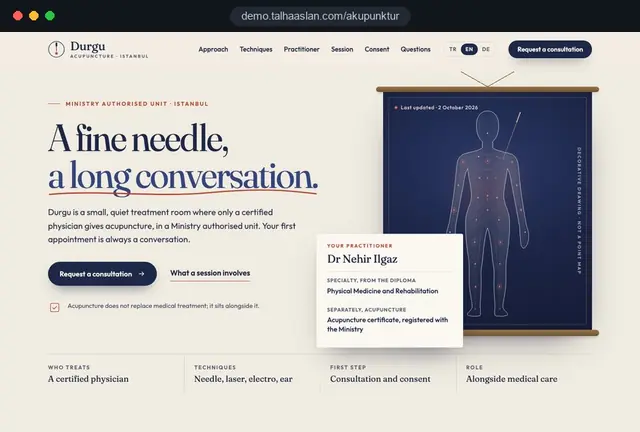 Acupuncture WebsiteAcupuncture clinic websites that show training and professional membership, describe the techniques used and stay within the claims the evidence supports.
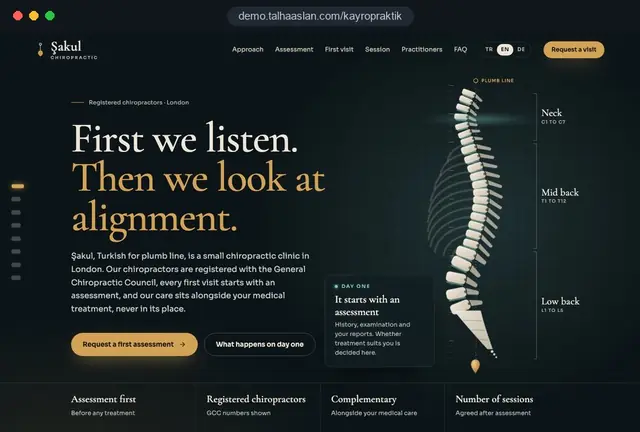 Chiropractor WebsiteChiropractic clinic websites that introduce the practitioner, explain the first visit and a session, and avoid health claims they cannot support.
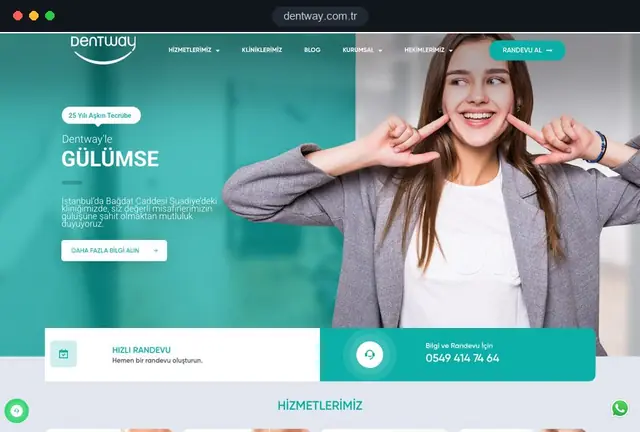 Dental Clinic WebsiteDental practice websites with treatment pages, dentist profiles, a booking flow and content written for the advertising rules of your country.
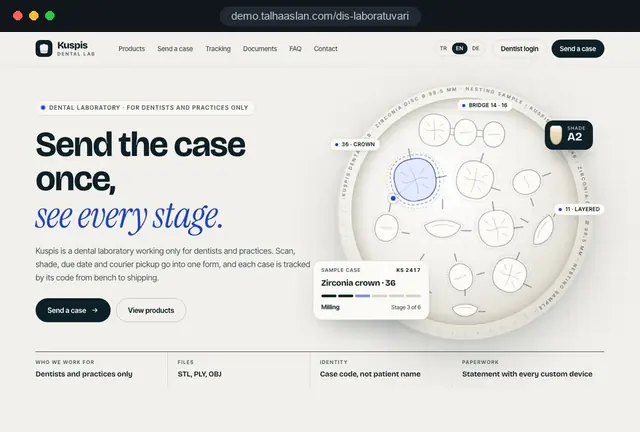 Dental Lab WebsiteWebsites for dental labs that speak to dentists: product pages, scan upload, case submission, turnaround times and material documents.
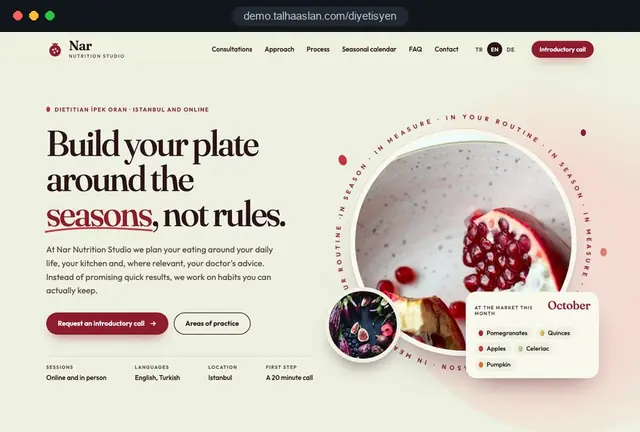 Dietitian WebsiteWebsites for dietitians, nutritionists and nutrition clinics with clear packages, a careful intake form, recipe content and online payment.
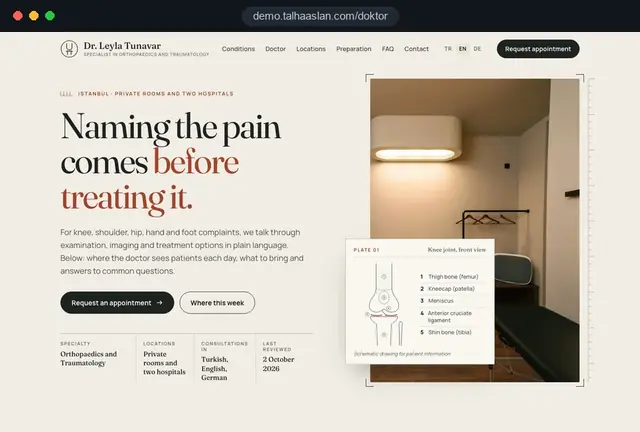 Doctor WebsiteWebsites for private doctors and consultants with condition pages, a verifiable profile, clear clinic locations and patient information written within the rules.
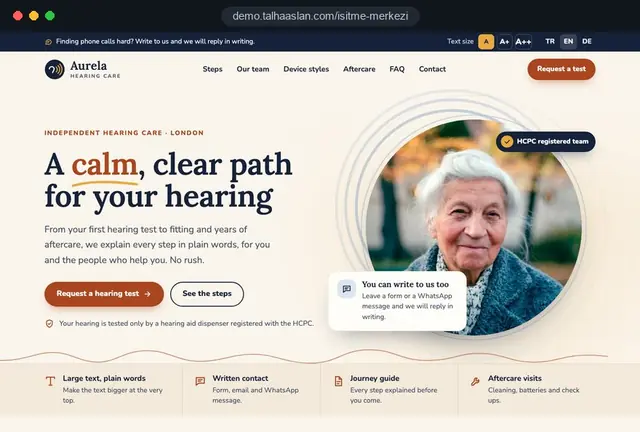 Hearing Aid Centre WebsiteWebsites for independent hearing care practices with hearing test requests, device type guides, dispenser profiles and an aftercare section.
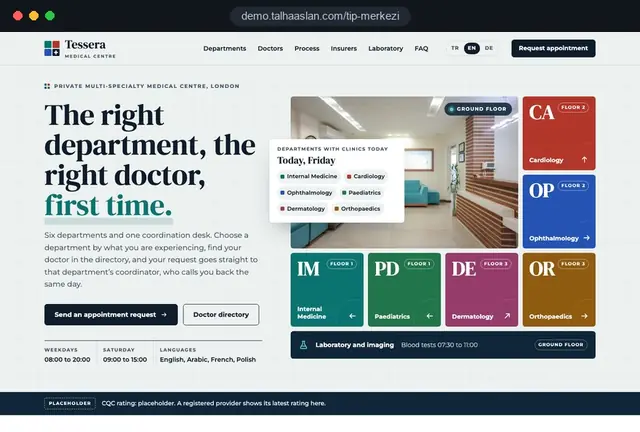 Medical Centre WebsiteWebsites for multi specialty medical centres, polyclinics and laboratories with department pages, a searchable doctor directory and enquiries routed to the right team.
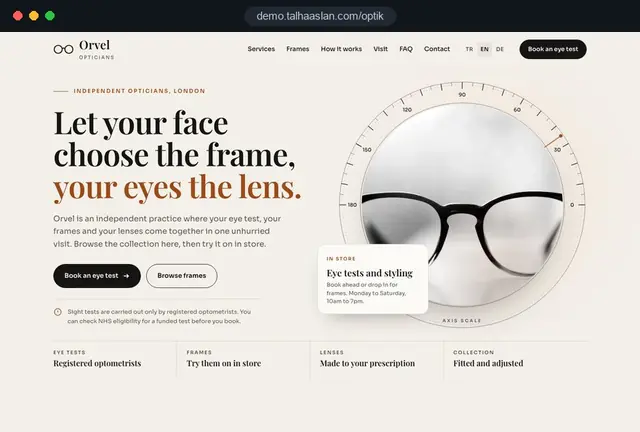 Optician WebsiteWebsites for independent opticians and optometry practices with eye test requests, frame and brand pages, branch details and contact lens reorders done properly.
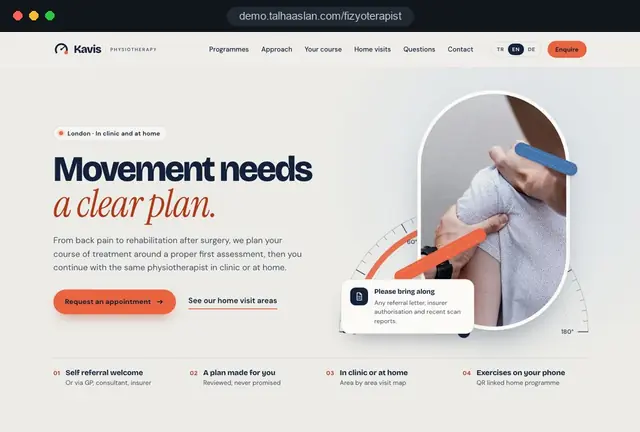 Physiotherapist WebsiteWebsites for physiotherapists and physio clinics with programme pages, a clear course of treatment, home visit areas and an easy way to enquire.
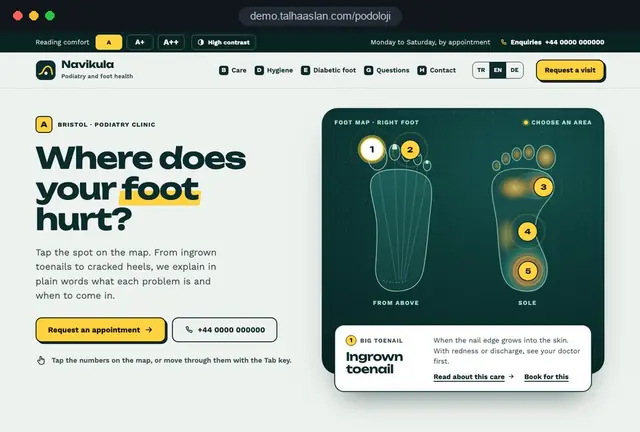 Podiatry WebsiteWebsites for podiatrists, chiropodists and foot clinics with condition pages, clear hygiene content, registration details and an easy-to-read layout.
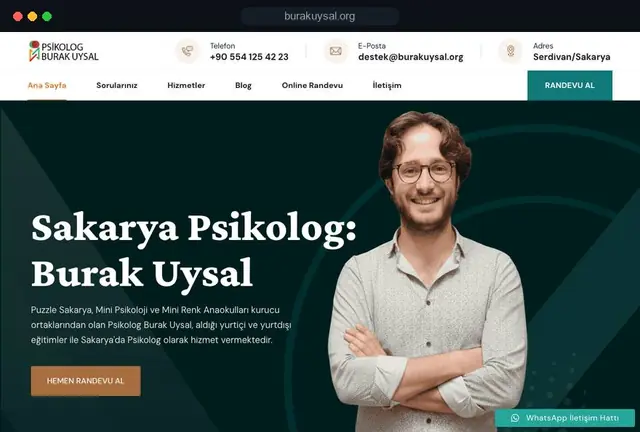 Psychologist WebsiteWebsites for psychologists, therapists and counselling centres with specialty pages, clear practitioner profiles, session requests and privacy built in.
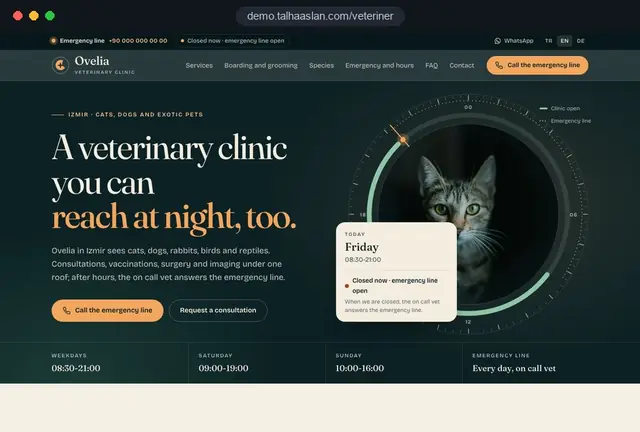 Veterinary Clinic WebsiteVet practice websites with emergency contact and opening hours up front, service pages, vet profiles and separate pet boarding and grooming sections.
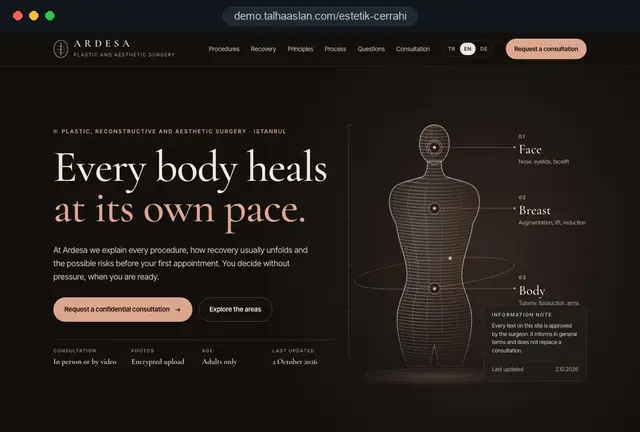 Cosmetic Surgery WebsiteWebsites for plastic and cosmetic surgeons that explain procedures, recovery and risks plainly and collect consultation requests in confidence.
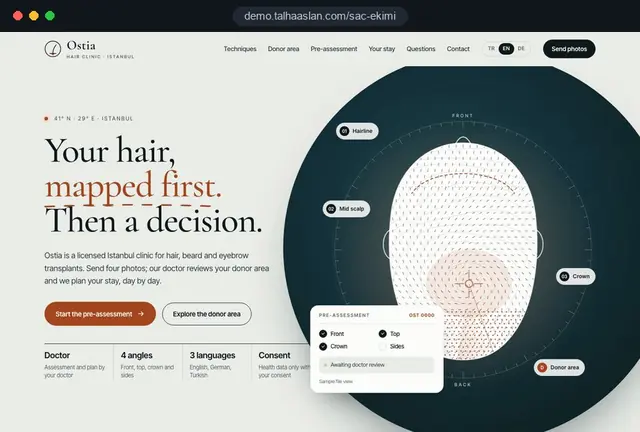 Hair Transplant Clinic WebsiteWebsites for hair transplant clinics with technique pages, a photo assessment form and a clear patient journey in the patient's own language.
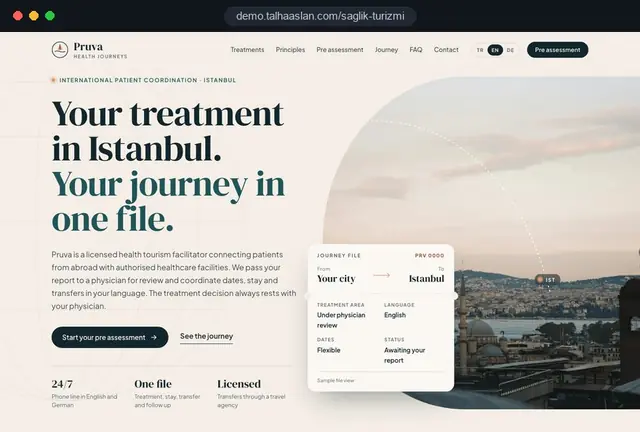 Health Tourism WebsiteWebsites for medical tourism facilitators and hospital international patient units: pages in the patient's language, a report upload form and clear packages.
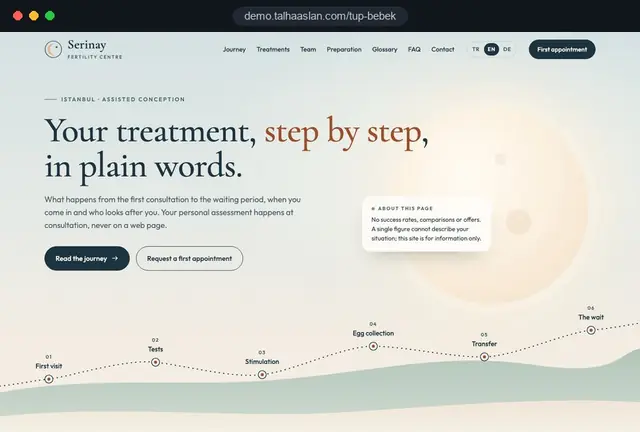 IVF Clinic WebsiteWebsites for IVF and fertility clinics with a clear treatment journey, a visible team, discreet enquiry routes and success rate information presented by the rules.
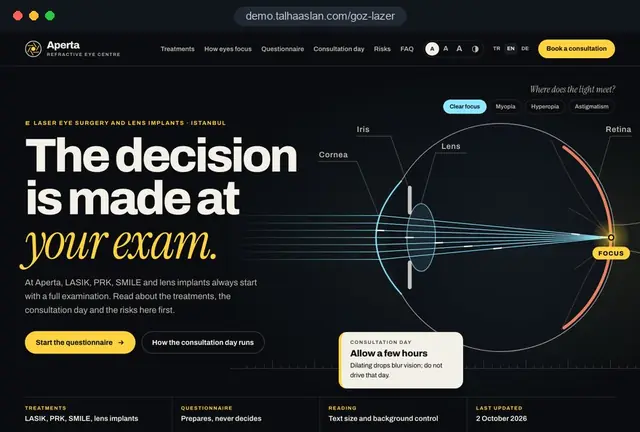 Laser Eye Surgery Clinic WebsiteWebsites for laser eye surgery clinics with treatment pages, a suitability questionnaire, a consultation guide and plain risk information.
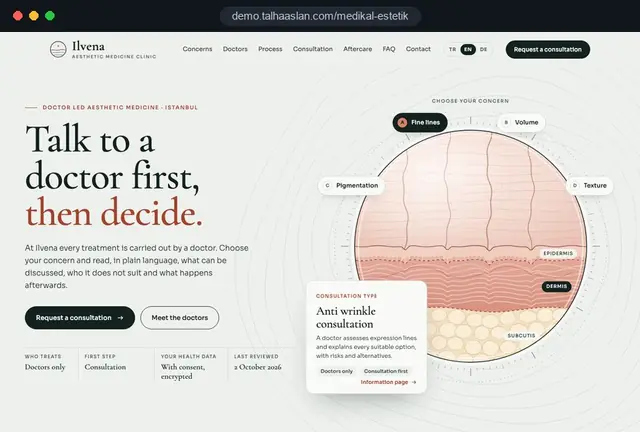 Medical Aesthetics WebsiteWebsites for medical aesthetics clinics that explain prescriber-led treatments as patient information rather than promotion, and organise consultations and aftercare.
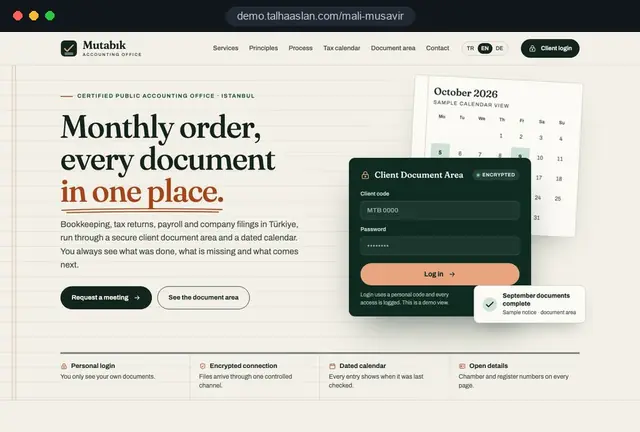 Accountant WebsiteWebsites for accountants and bookkeepers with clear service pages, professional body details, tax deadline content and a secure client upload area.
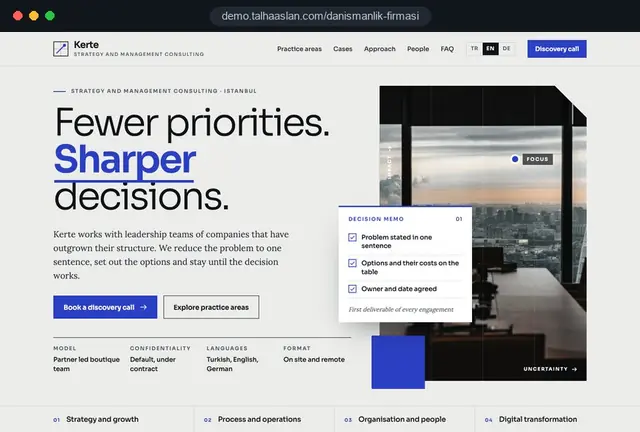 Consulting Firm WebsiteWebsites for management and business consultancies with practice area pages, case studies, consultant profiles and a discovery call flow.
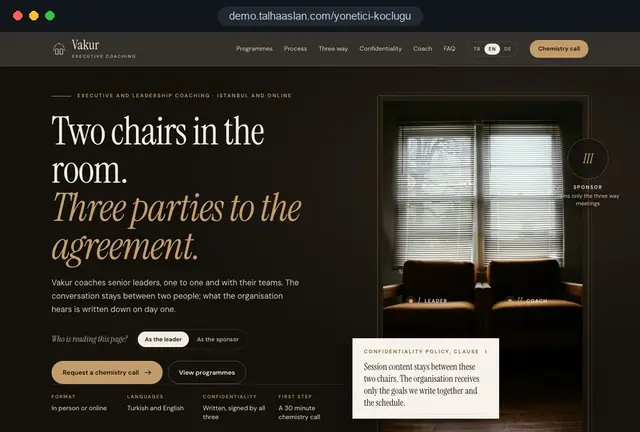 Executive Coaching WebsiteWebsites for executive and leadership coaches with programme pages, an evidenced coach bio, packages for organisations and a chemistry call.
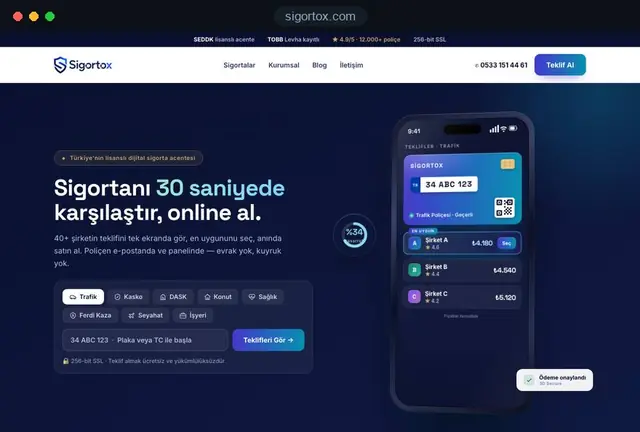 Insurance Agency WebsiteWebsites for insurance agencies and brokers with product pages, short quote forms, an insurer panel page and clear regulatory status details.
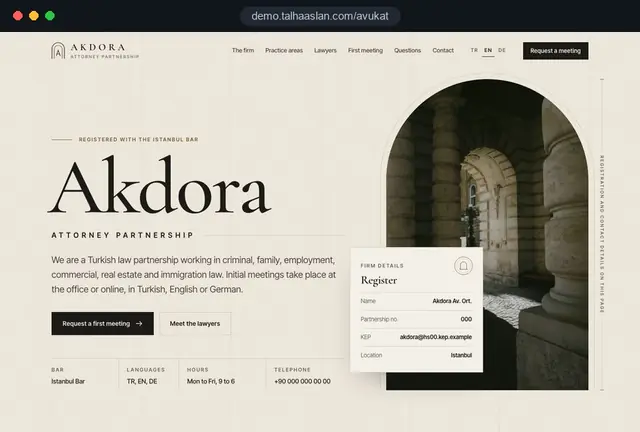 Law Firm WebsiteWebsites for law firms and solicitors with practice area pages, lawyer profiles, a confidential enquiry form and the details your regulator expects.
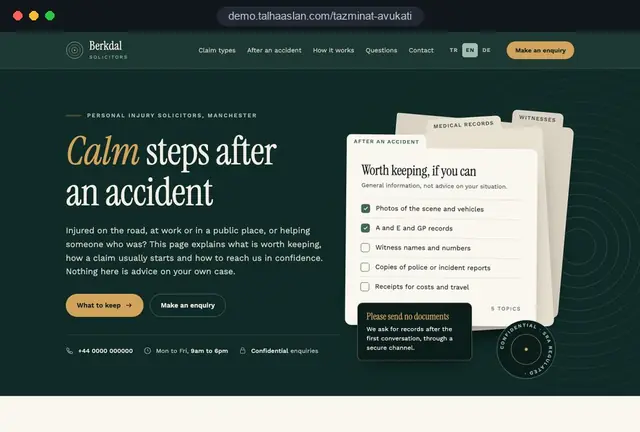 Personal Injury WebsiteWebsites for personal injury solicitors and accident claim lawyers, with claim type pages, plain funding information and a first contact form built for a phone.
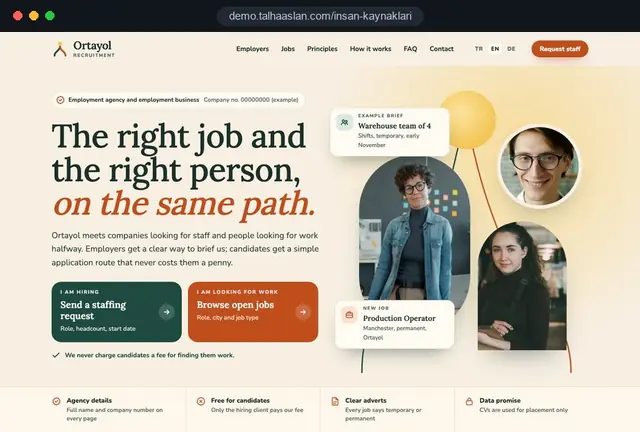 Recruitment Agency WebsiteWebsites for recruitment agencies and HR consultancies with job pages, CV upload, a client brief form and careful handling of candidate data.
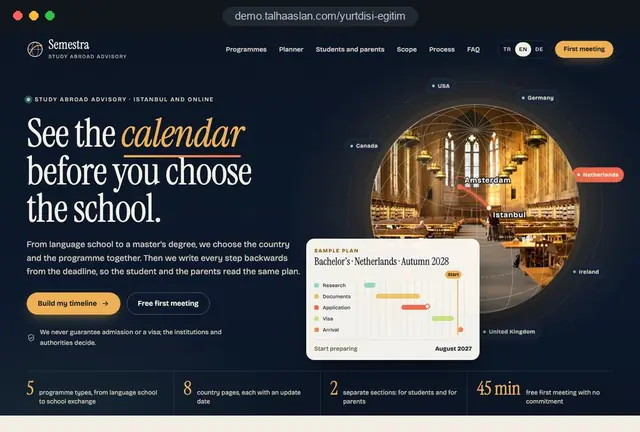 Study Abroad Agency WebsiteWebsites for study abroad agencies and education agents, with country and programme pages, an application calendar, a consultation flow and a parent section.
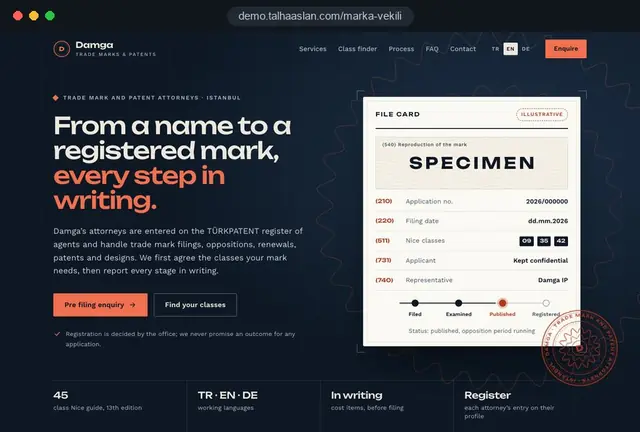 Trade Mark Attorney WebsiteWebsites for trade mark and patent attorneys with process pages, a Nice class guide, a filing enquiry form and copy that respects professional rules.
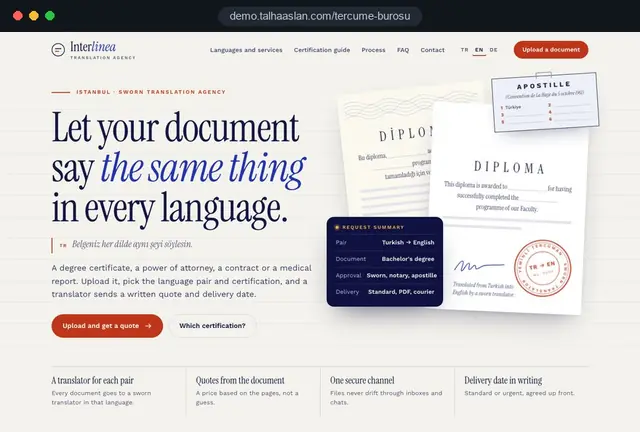 Translation Agency WebsiteWebsites for translation agencies and translators with language pair pages, quotes by document upload, a certified translation guide and secure file handling.
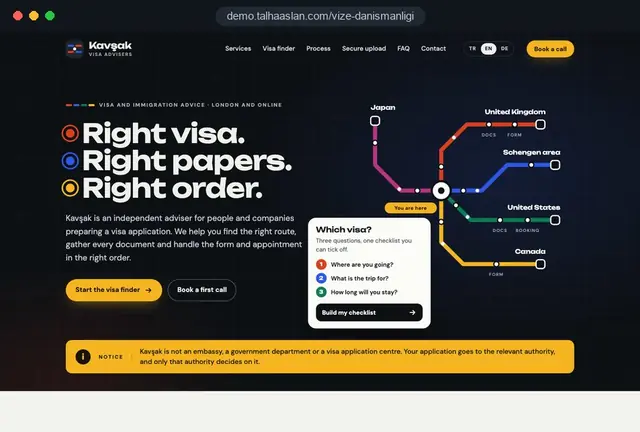 Visa Consultant WebsiteWebsites for visa and immigration advisers with country and visa type pages, document checklists, secure uploads and the regulatory details clients look for.
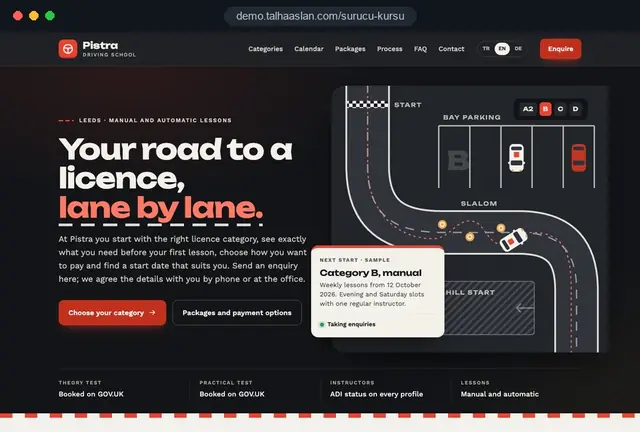 Driving School WebsiteWebsites for driving schools with licence category pages, lesson packages and payment options, a test calendar and instructor profiles.
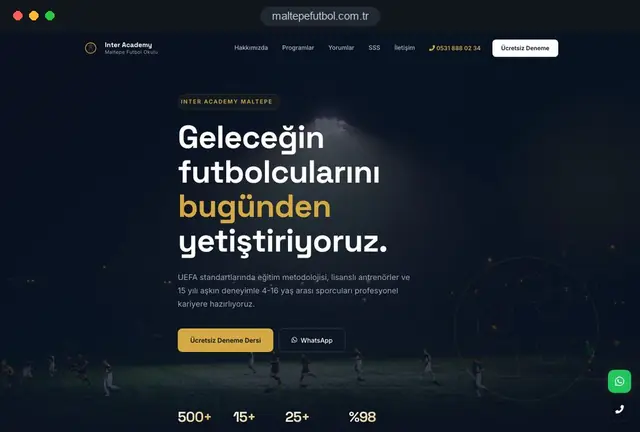 Football Academy WebsiteWebsites for football academies and youth soccer schools with age group pages, training times, trial session sign up and venue pages.
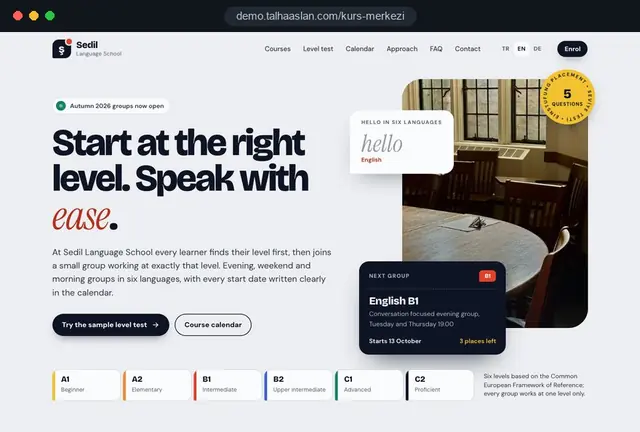 Language School WebsiteWebsites for language schools, music and art schools and tutoring centres, with a course calendar, placement test, enrolment flow and tutor profiles.
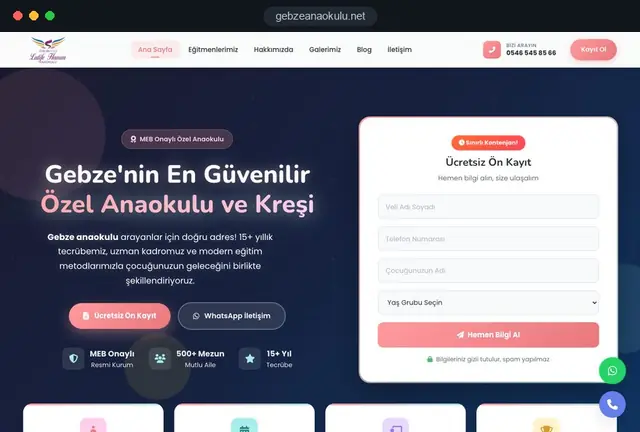 Nursery WebsiteNursery and preschool websites with room pages, a daily routine, visit requests and a careful approach to photos of children.
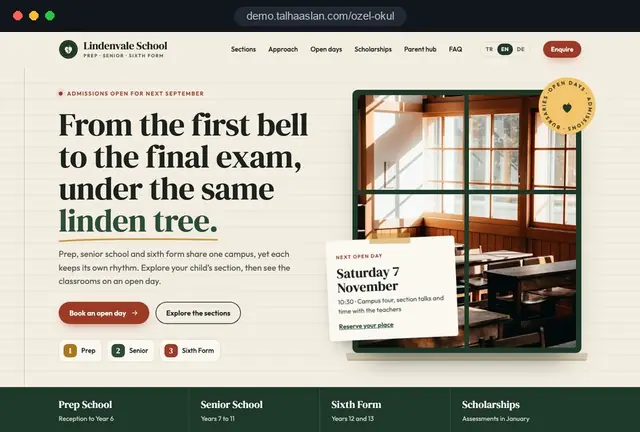 Private School WebsiteWebsites for private and independent schools with a page per section, open day bookings, admissions enquiries, scholarships and a news and calendar hub for current parents.
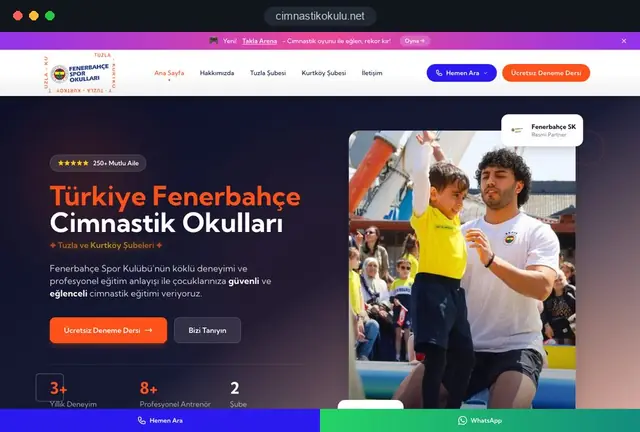 Sports School WebsiteWebsites for gymnastics, swimming, basketball and other sports schools, built around sports, levels, term dates and venue pages.
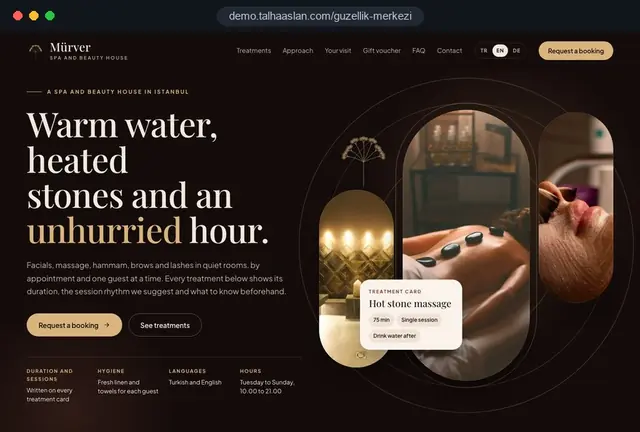 Beauty Salon WebsiteWebsites for beauty salons, skin clinics and spas with treatment pages, packages, online appointments and gift vouchers sold online.
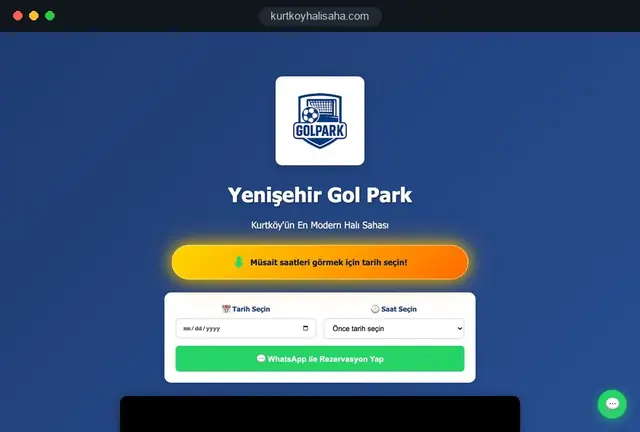 Football Pitch WebsiteWebsites for five-a-side pitches and multi-sport venues with live slot availability, block bookings, league pages and clear directions.
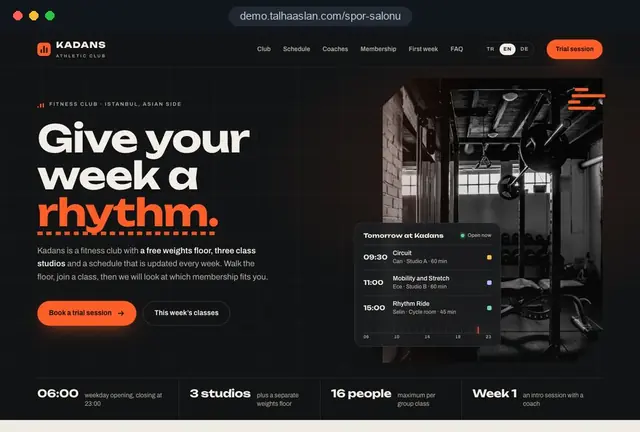 Gym WebsiteWebsites for gyms and fitness clubs with clear membership options, a class timetable, trainer profiles and a trial pass sign-up.
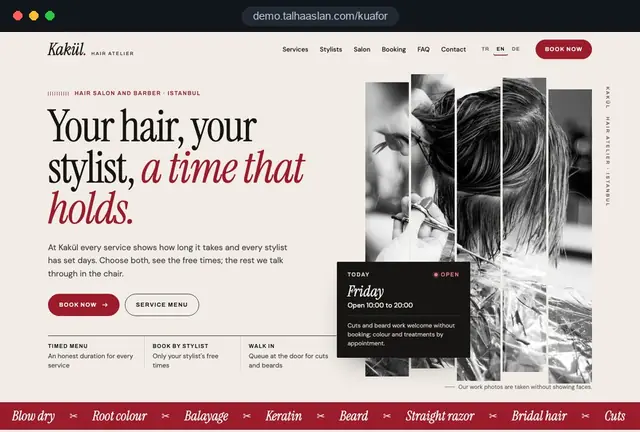 Hair Salon WebsiteWebsites for hair salons, barbers and barbershops with a timed service menu, current prices, stylist profiles and appointments with the stylist of choice.
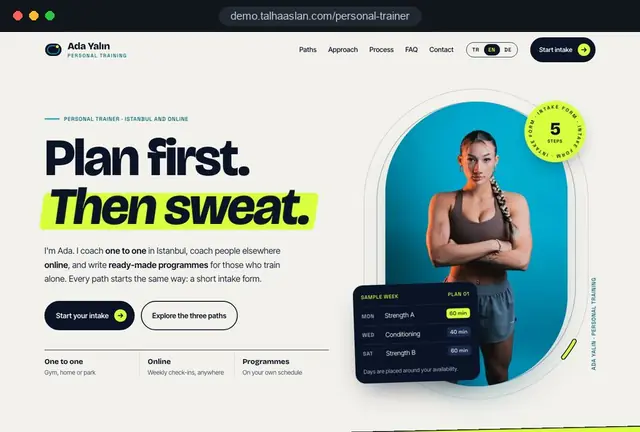 Personal Trainer WebsiteWebsites for independent personal trainers and online coaches with programme sales, an intake form, consented transformation stories and a trainer profile.
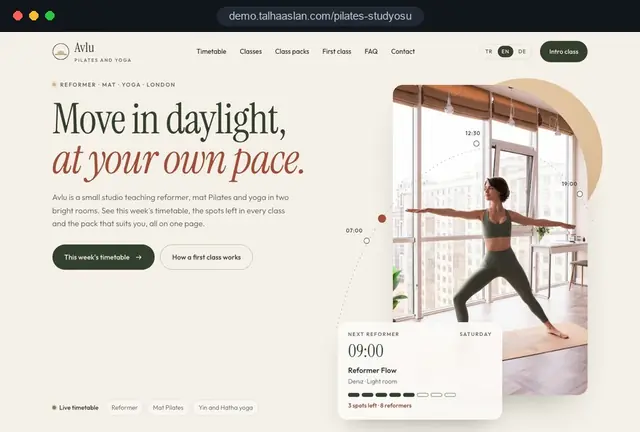 Pilates Studio WebsiteWebsites for Pilates, reformer and yoga studios with a live timetable, online class packs, capacity based class sign up and teacher profiles.
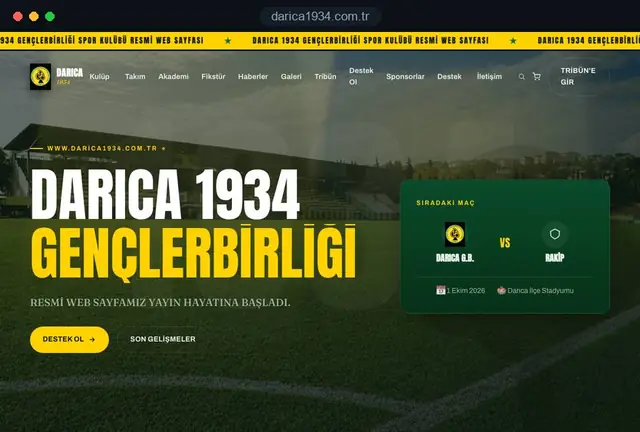 Sports Club WebsiteOfficial club websites for grassroots and senior clubs, with teams, fixtures, news, a sponsor area and a club shop your volunteers can run.
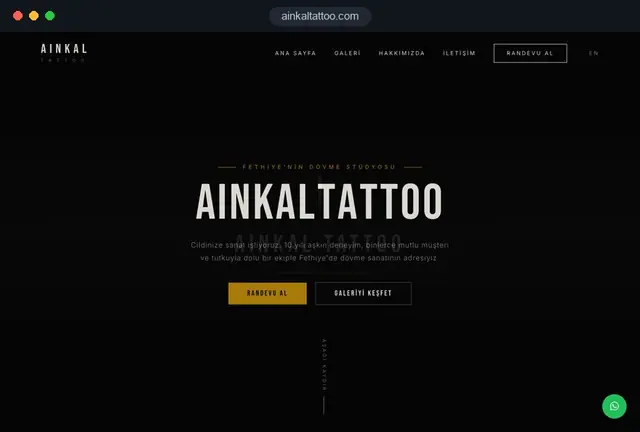 Tattoo Studio WebsiteWebsites for tattoo studios and artists with style-filtered portfolios, artist pages, enquiry forms with reference images and an aftercare guide.
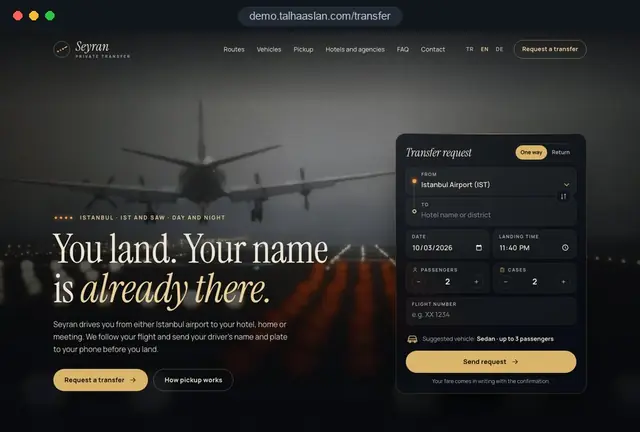 Airport Transfer WebsiteWebsites for transfer companies with route pages, a quote form that asks for the flight number, vehicle capacity and clear meet and greet details.
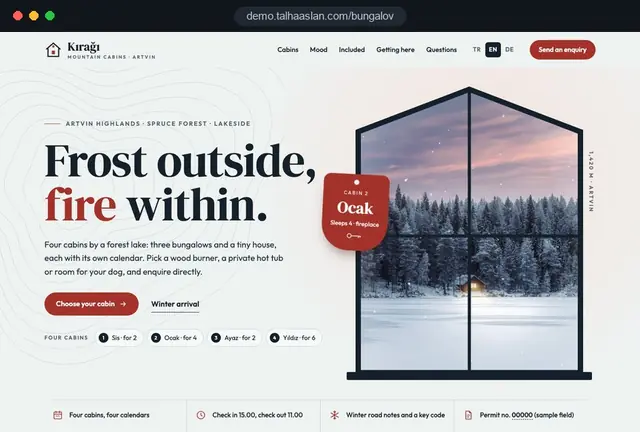 Bungalow WebsiteWebsites that present every holiday bungalow or cabin on its own page, with availability, arrival details and house rules, plus model and quote pages for tiny house builders.
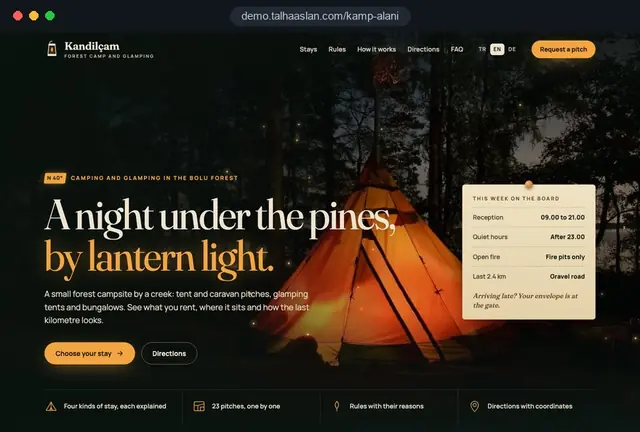 Campsite WebsiteWebsites for campsites and glamping sites that explain each pitch and unit type, with a site plan, camp rules, what is included and clear directions.
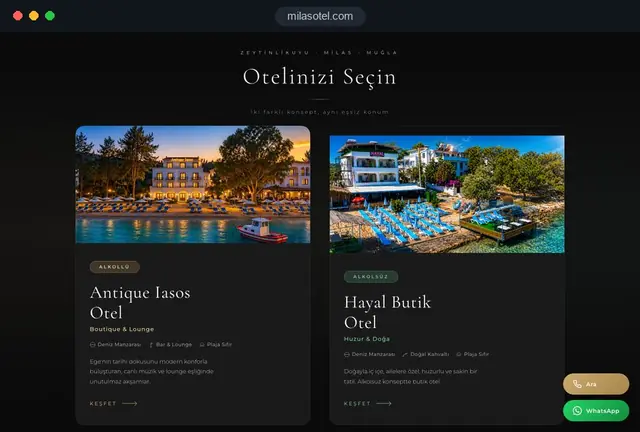 Hotel WebsiteWebsites for hotels, boutique hotels and guesthouses with room pages, a connected booking engine, language versions for foreign guests and fast galleries.
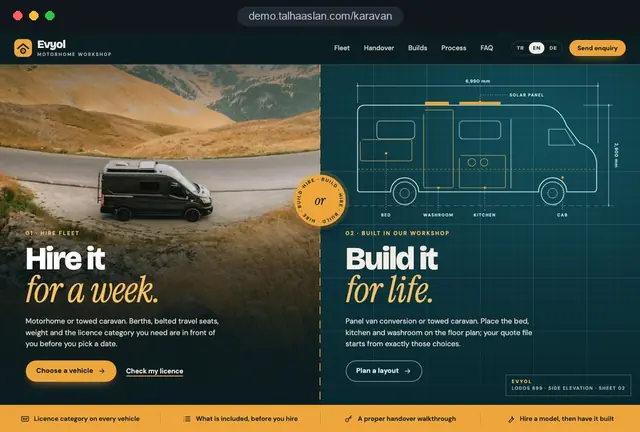 Motorhome and Caravan WebsiteWebsites that describe each motorhome by berths, belted seats and weight, state the licence it needs and the pickup point, and let buyers choose a layout and kit.
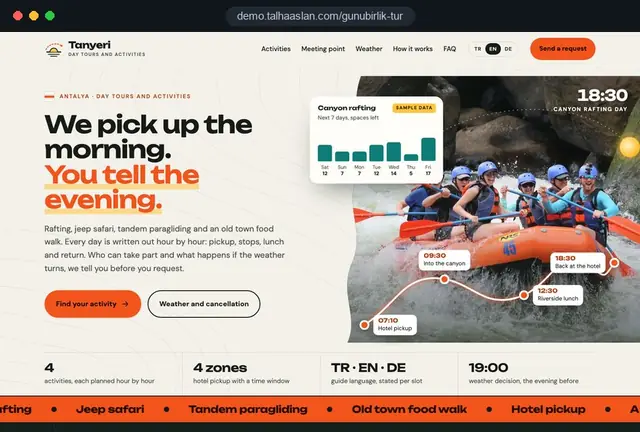 Tour and Activity WebsiteWebsites for rafting, balloon, safari, walking tour and workshop operators that show time slots, spaces left, meeting points and cancellation terms.
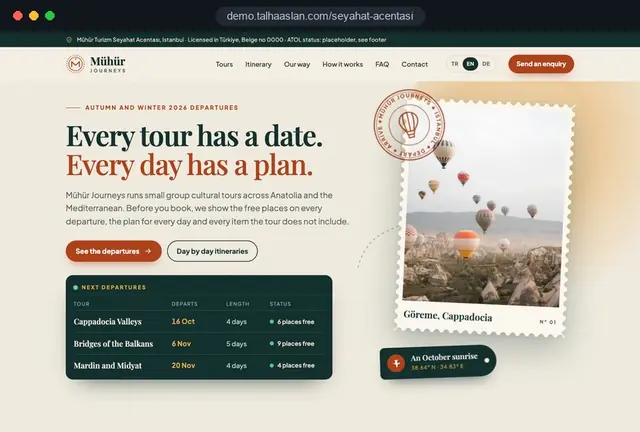 Travel Agency WebsiteWebsites for travel agencies and tour operators with dated tour pages, day by day itineraries, enquiry forms and licence details in plain view.
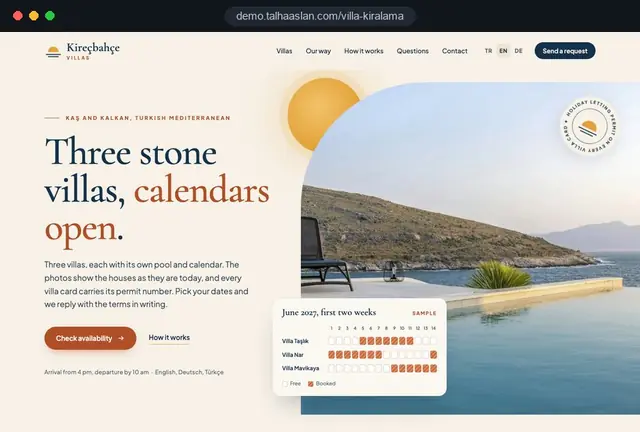 Villa Rental WebsiteWebsites for villa rental companies and holiday home owners, with a page per villa, synced availability, seasonal rates and a clear deposit flow.
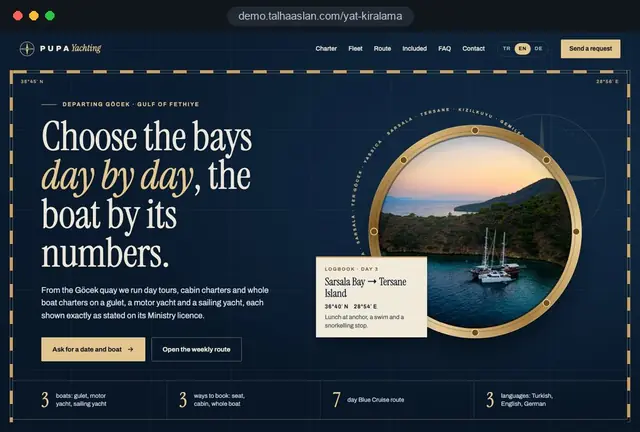 Yacht Charter WebsiteWebsites for yacht charter companies, gulet operators and day boat tours, with a page per boat and route, clear inclusions and a deposit flow.
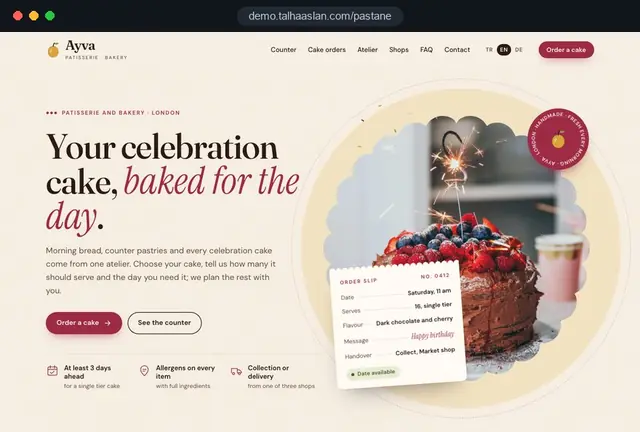 Bakery WebsiteWebsites for bakeries, patisseries and cake makers with a product gallery, a complete cake order form, allergen details and a page for every shop.
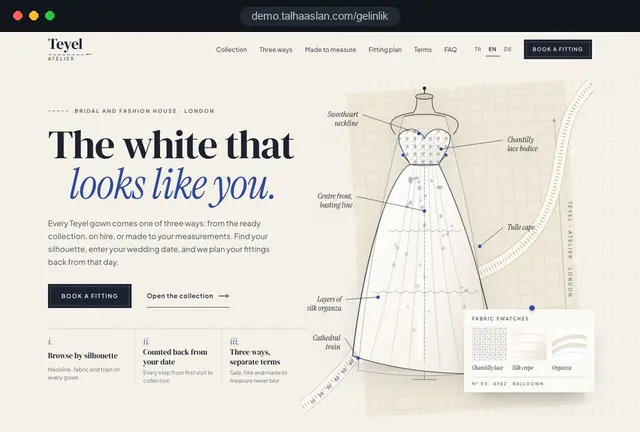 Bridal Shop WebsiteWebsites for bridal shops and fashion houses with gown pages, fitting requests, a clear made to measure process and a delivery timeline.
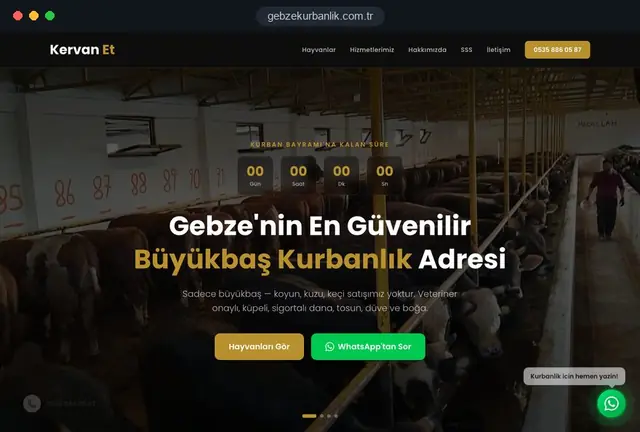 Butcher Shop WebsiteWebsites for butchers, meat shops and livestock farms with cut options, an order and delivery flow and seasonal pages ready ahead of time.
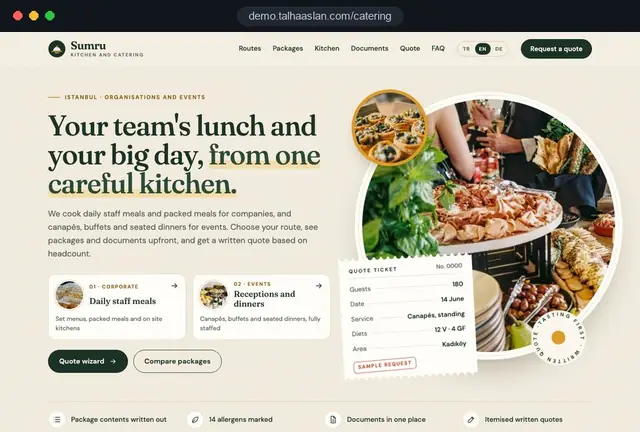 Catering WebsiteWebsites for caterers serving staff restaurants, contract catering and events, built around menu packages, capacity and a detailed quote form.
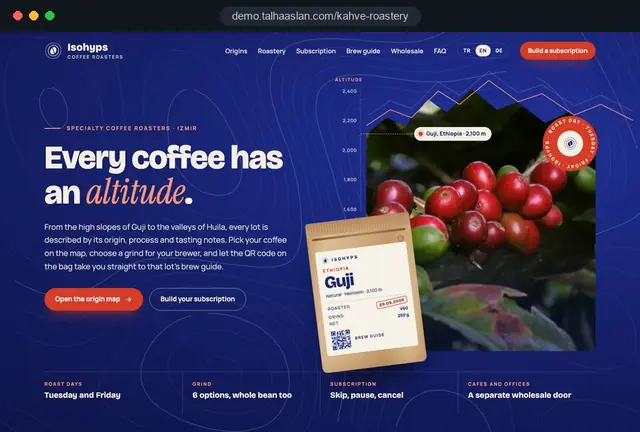 Coffee Roaster WebsiteOrigin pages, roast dates, grind choice at checkout, subscriptions, brew guides and a wholesale route for specialty coffee roasters.
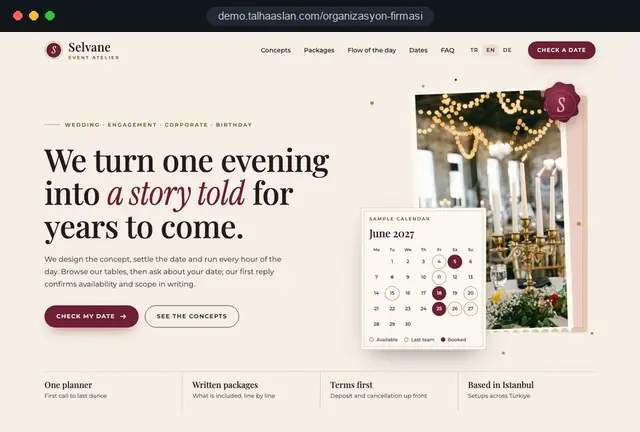 Event Planner WebsiteWebsites for wedding planners and event companies, built around concepts, clear packages, venues and a date availability enquiry.
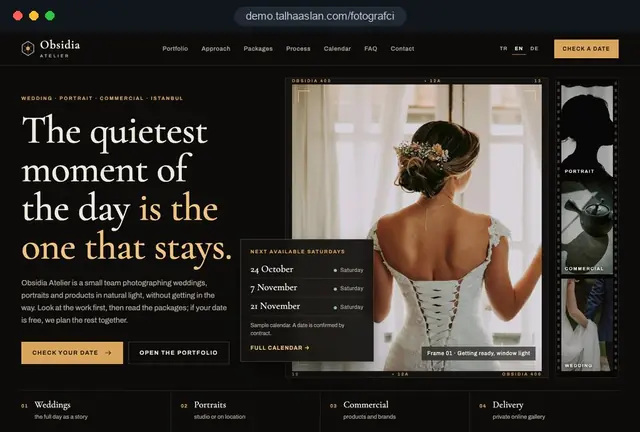 Photographer WebsiteWebsites for wedding photographers and photo studios with fast portfolio galleries, clear packages and a date enquiry form.
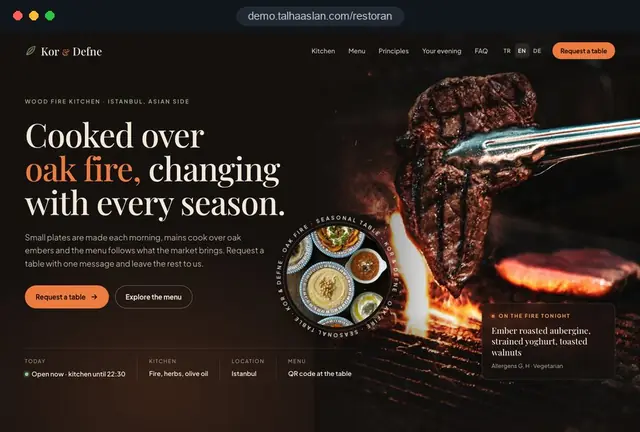 Restaurant WebsiteWebsites for restaurants, cafes and bistros with a readable mobile menu, QR code access, allergen information and clear routes to a table or an order.
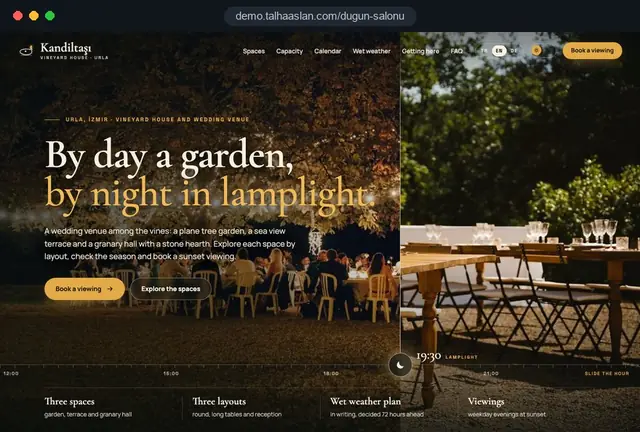 Wedding Venue WebsiteWebsites for wedding venues, barns and banquet halls, built around room pages, capacity, date enquiries, menus and directions.
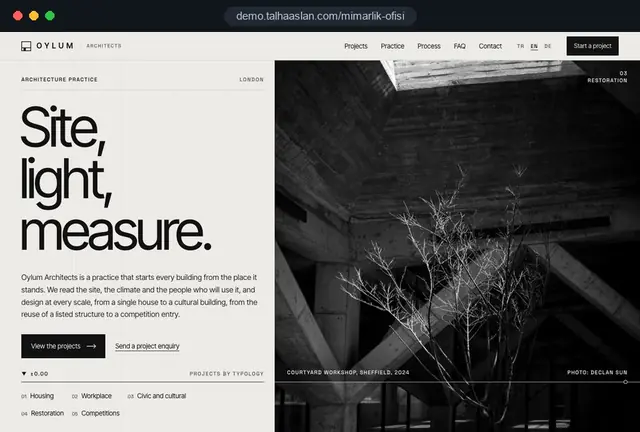 Architecture Firm WebsiteWebsites for architecture firms and practices with a filterable project portfolio, fast loading large images and an archive of awards and publications.
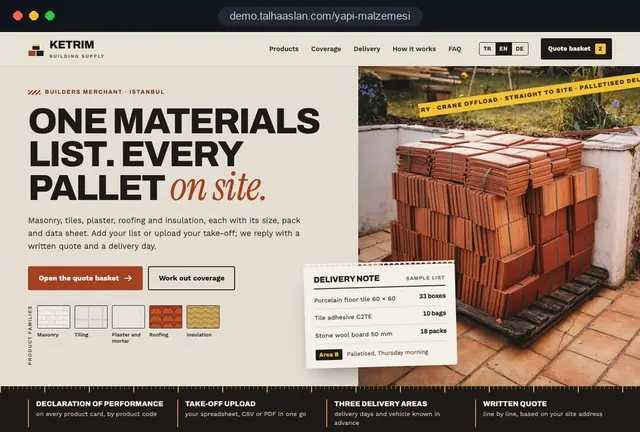 Building Materials WebsiteWebsites for builders merchants, hardware stores and building materials brands with product pages, data sheets, a stockist finder and a quote basket.
 Construction Company WebsiteWebsites for construction companies, builders and developers with project portfolios, floor plans and a direct line to the sales suite.
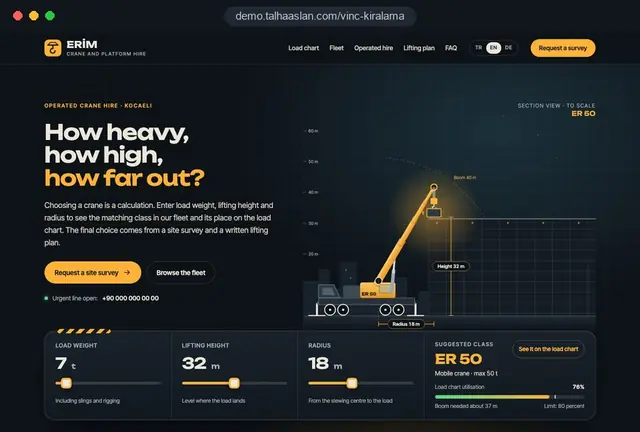 Crane Hire WebsiteWebsites for mobile crane and access platform hire firms: fleet pages with load charts, operated hire explained and an enquiry form that asks about the lift.
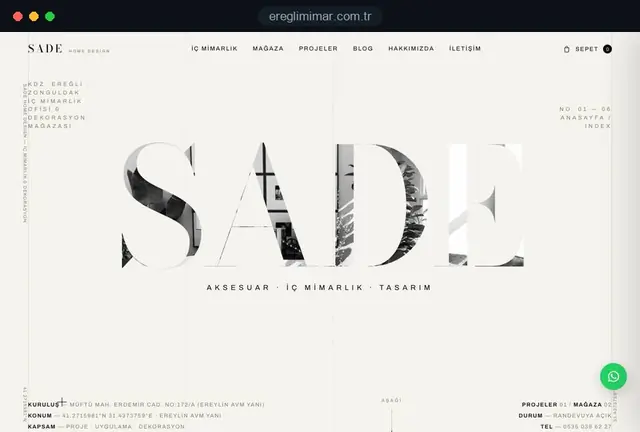 Interior Designer WebsiteWebsites for interior designers, interior design studios and decoration firms, built around project stories, a clear scope of work and a consultation enquiry.
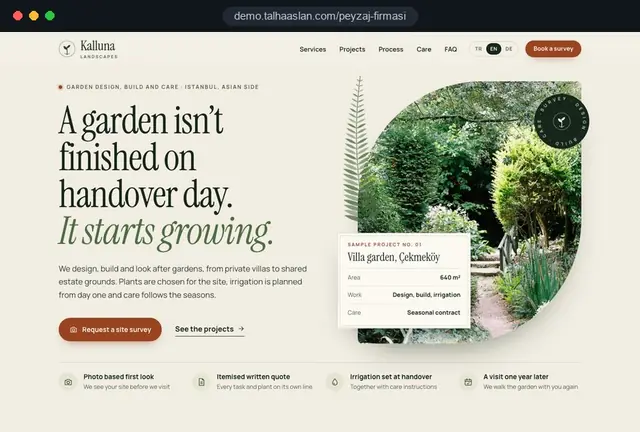 Landscaping Company WebsiteWebsites for landscapers and garden designers with detailed project pages, a site survey form with photo upload and clear maintenance contract plans.
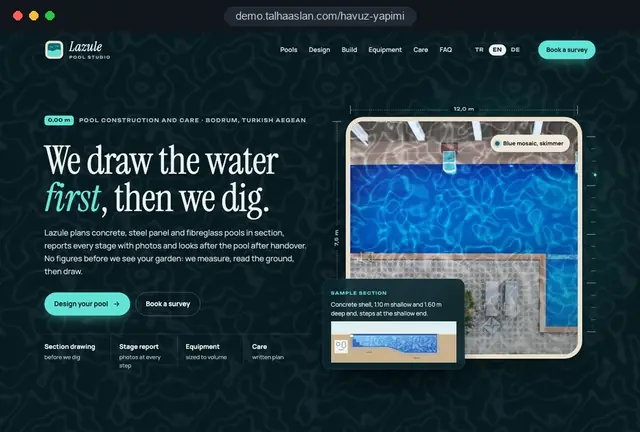 Pool Builder WebsiteWebsites for swimming pool builders that explain pool types and the build from excavation to handover, and turn finished pools into maintenance plans.
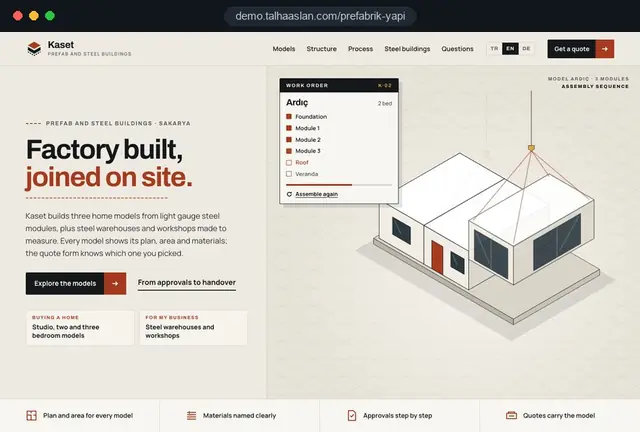 Prefab Home WebsiteWebsites for prefab, modular and steel frame home makers and steel building suppliers, with model pages, floor plans, approvals guidance and quote forms.
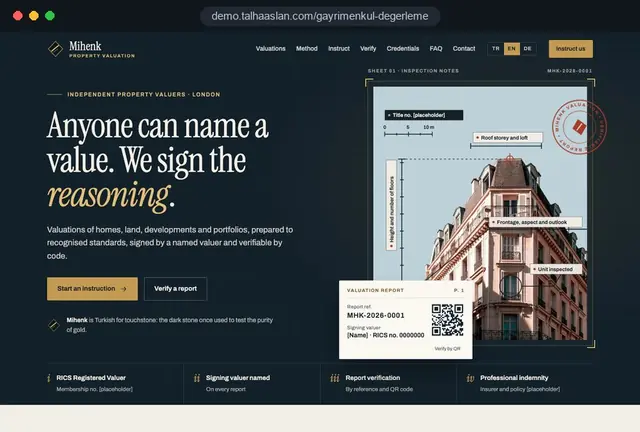 Property Valuation WebsiteWebsites for valuation firms and chartered valuers with clear credentials, valuation types, separate instruction routes and report verification.
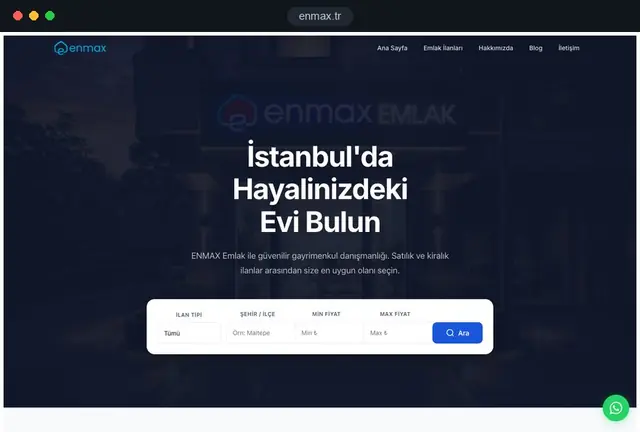 Real Estate Agency WebsiteWebsites for estate agents and developers' sales offices, with filterable listings, agent profiles, enquiries tied to each property and the listing details your market requires.
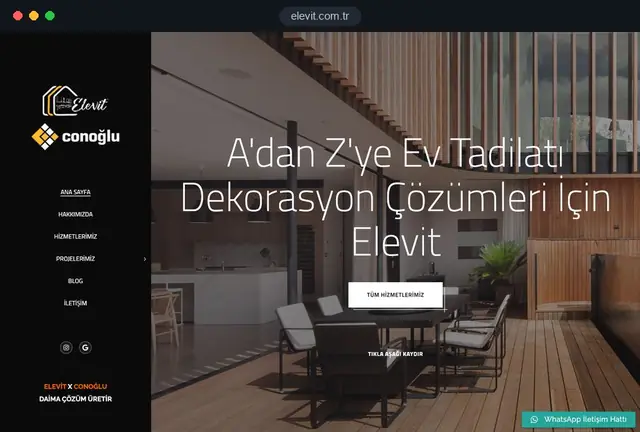 Renovation Company WebsiteWebsites for renovation, refurbishment and decorating firms with a page per trade, detailed quote requests, before and after projects and area pages.
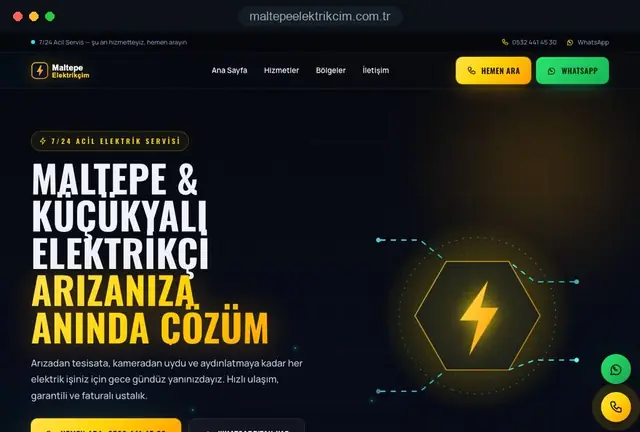 Electrical Contractor WebsiteWebsites for electricians and electrical contractors with an emergency call line, a page per job, scheme membership on show and area pages.
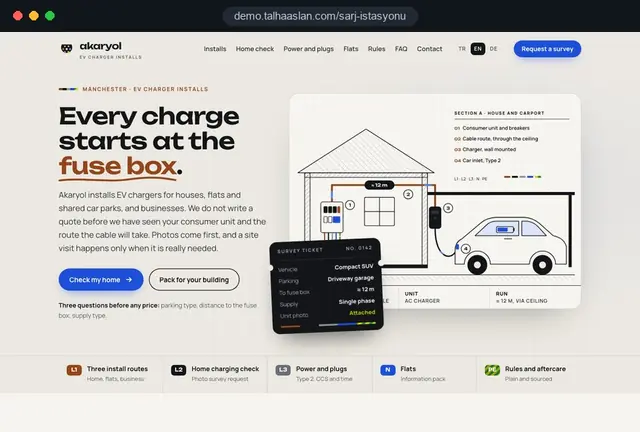 EV Charger Installer WebsiteWebsites for EV charger installers with separate home, flats and business pages, a photo-led survey form, clear smart charging notes and aftercare.
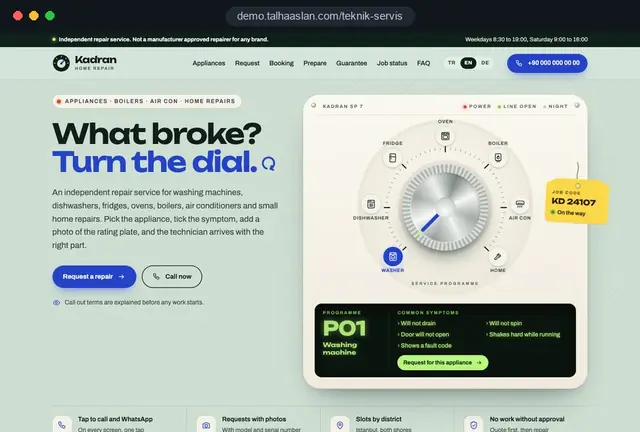 Home and Appliance Repair WebsitesWebsites for appliance repair engineers and multi trade handyman firms with tap to call, a page per appliance and a repair request form with photos.
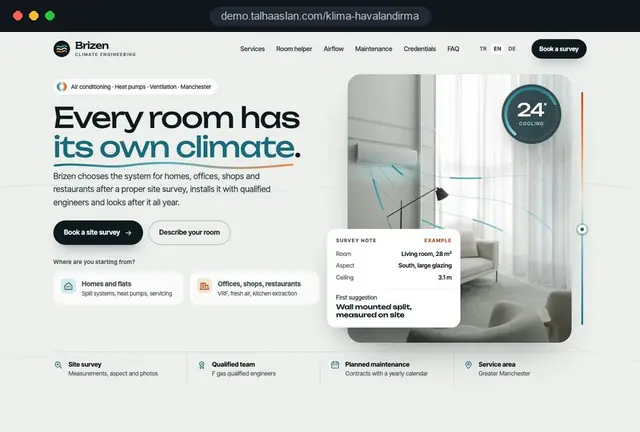 HVAC Company WebsitesWebsites for air conditioning, heat pump and ventilation companies with a site survey request form, home and commercial paths and a maintenance contract page.
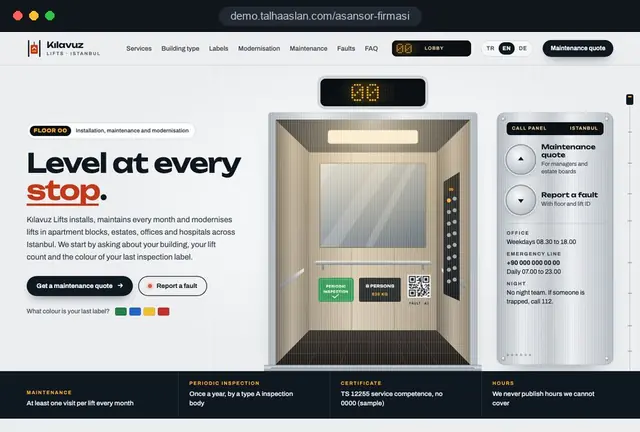 Lift Company WebsiteWebsites for lift and elevator companies with installation, maintenance, modernisation and breakdown pages and a maintenance contract quote form for property managers.
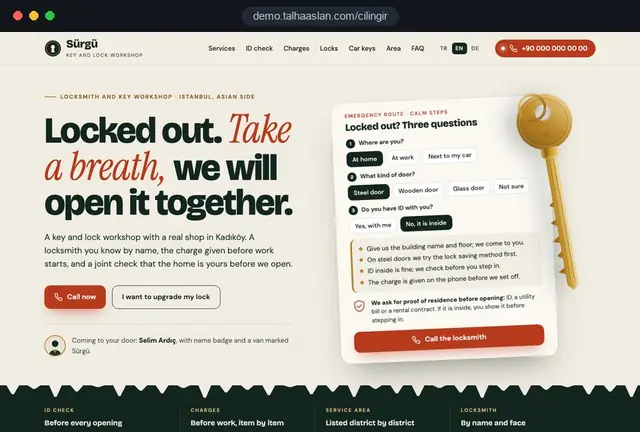 Locksmith WebsiteWebsites for locksmiths with lockout, lock change and car key pages, a clear pricing explanation, a real address and one-tap calling.
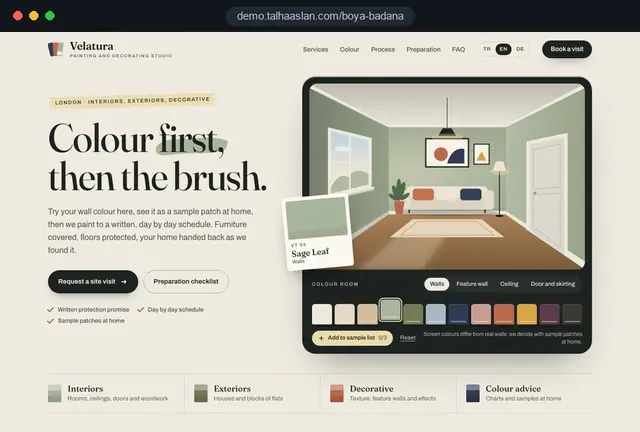 Painter and Decorator WebsiteWebsites for painting and decorating firms with interior and exterior pages, colour advice, a quote form by room and a clear protection and clean up promise.
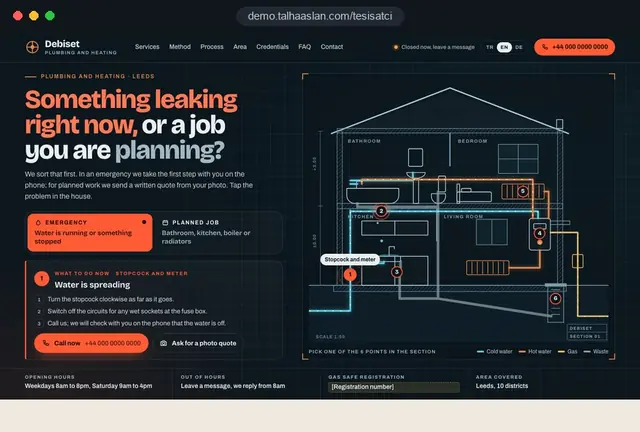 Plumbing WebsiteSites for plumbing and heating firms with a page for each job, a one tap emergency line, a photo quote form and clear Gas Safe and area details.
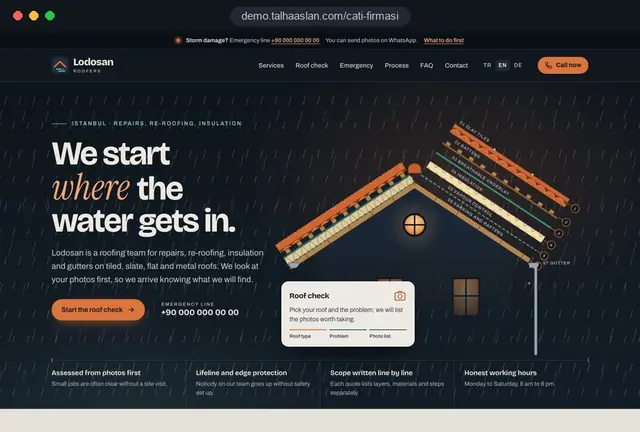 Roofing Company WebsiteWebsites for roofers and roofing contractors with an emergency leak call button, a survey request with photo upload and plain guides to roofing materials.
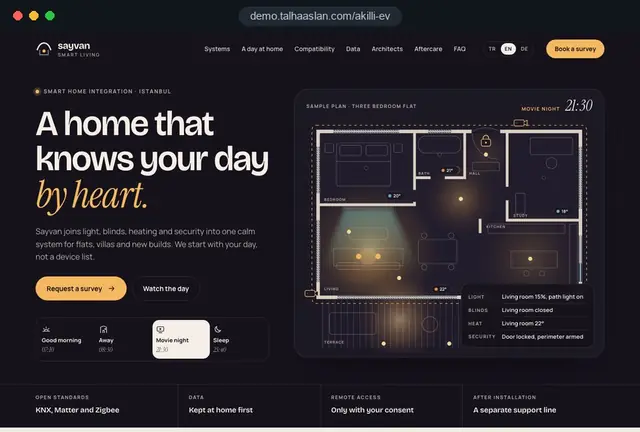 Smart Home WebsiteWebsites for home automation integrators with scene pages, compatible systems, a plain privacy policy and a survey request flow.
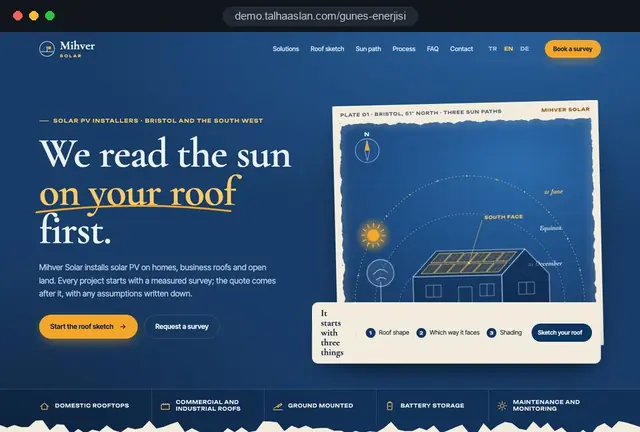 Solar Company WebsiteWebsites for solar installers with pages per install type, a quote form built on bills and roof details, a clear process and project pages.
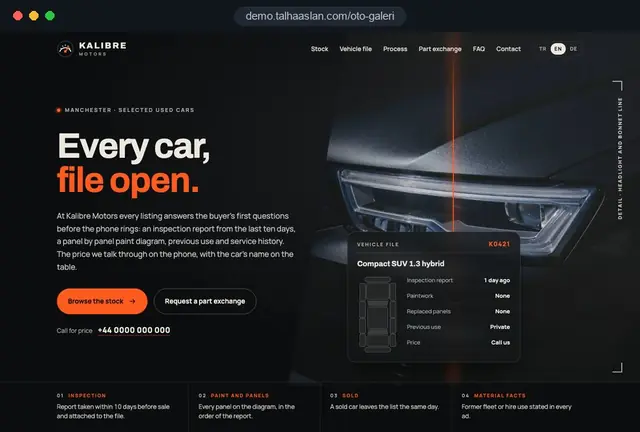 Car Dealer WebsiteWebsites for used car dealers with filterable stock, a page per vehicle, inspection and history details and an enquiry flow tied to each car.
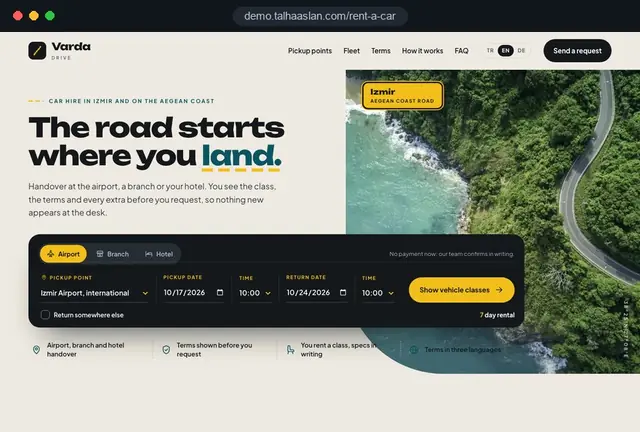 Car Rental WebsiteWebsites for car rental and car hire firms with fleet pages, a date and location led rental flow, extras and clear terms.
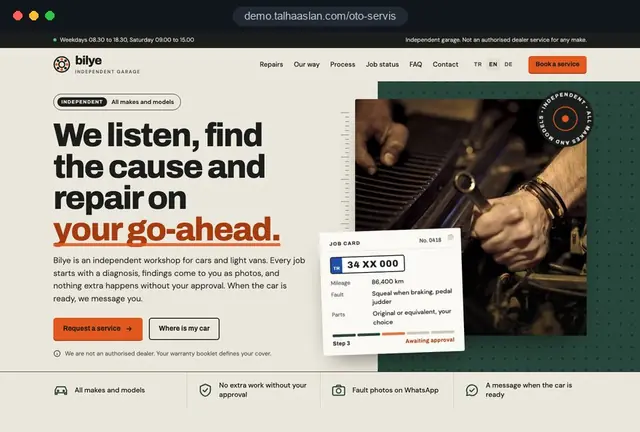 Car Repair Garage WebsiteWebsites for independent garages and car repair workshops with a page per repair, make specialisms, online service requests and vehicle status updates.
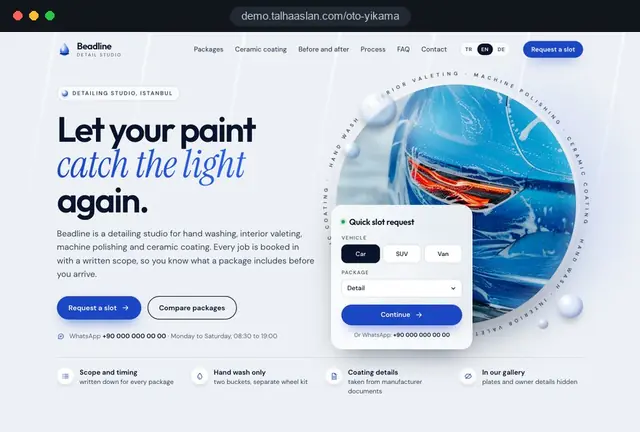 Car Wash WebsiteWebsites for car washes and detailing studios with service packages, before and after galleries, ceramic coating pages and fast enquiries.
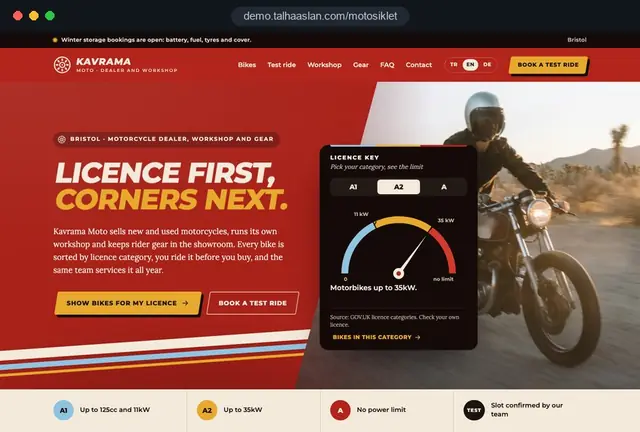 Motorcycle Dealer WebsiteWebsites for motorcycle dealers and workshops with bikes sorted by licence category, test ride requests, service bookings and rider gear.
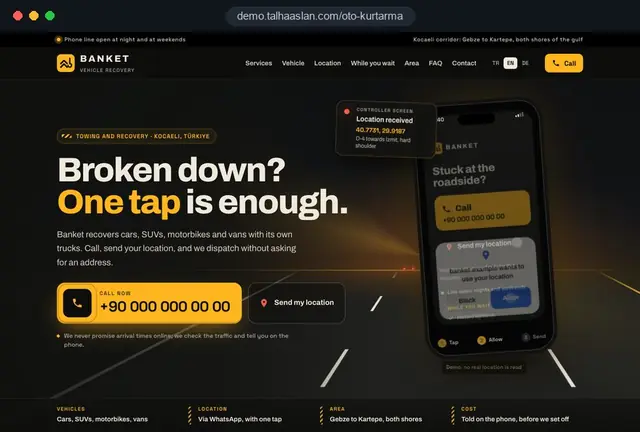 Towing and Recovery WebsiteWebsites for tow truck operators and recovery firms with one tap calling, location sharing, a clear coverage area and a page for each vehicle type.
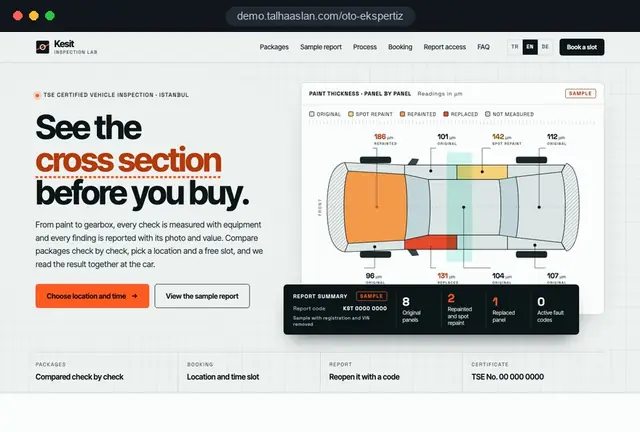 Vehicle Inspection WebsiteWebsites for pre-purchase vehicle inspection businesses with clear packages, slot selection, a sample report and secure report access.
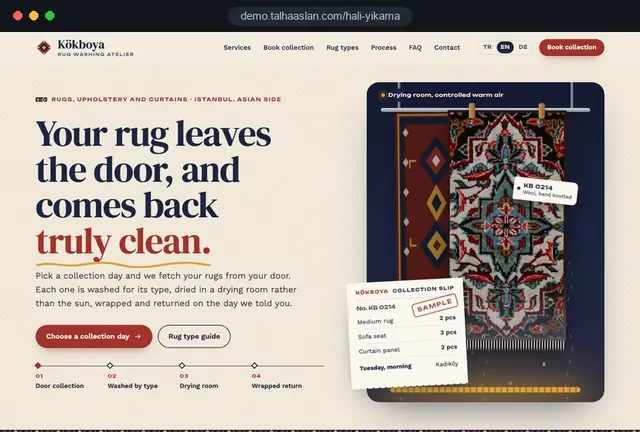 Carpet Cleaning WebsiteWebsites for carpet, rug and upholstery cleaners with a collection request form, areas covered, cleaning methods by rug type and clear turnaround times.
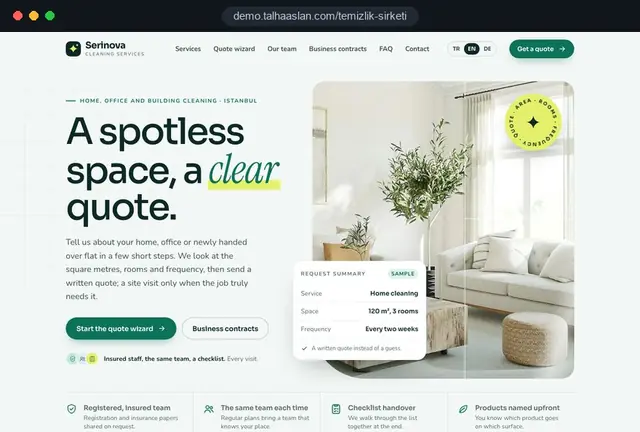 Cleaning Company WebsiteWebsites for domestic and commercial cleaners with a page per cleaning type, a quote form by size and frequency and clear regular contract plans.
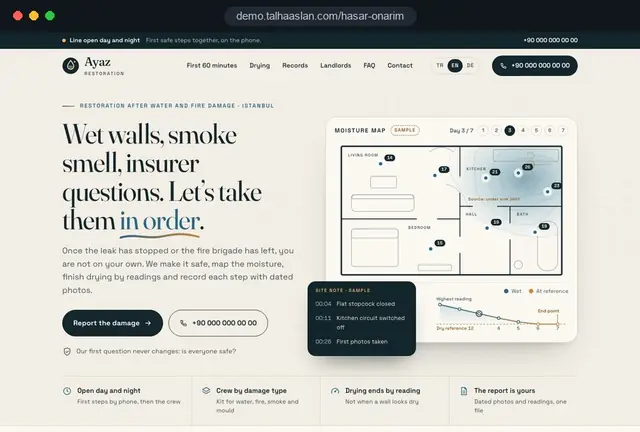 Damage Restoration WebsiteWebsites for firms that dry out, clean and rebuild after floods, leaks and fires, built around an emergency line, documentation and an honest insurance section.
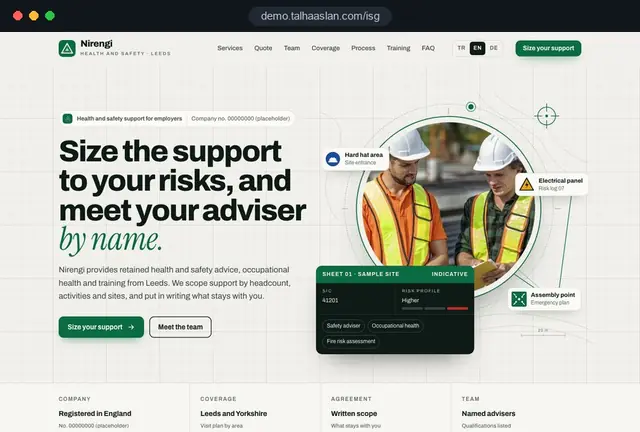 Health and Safety Provider WebsiteWebsites for providers of external health and safety advice and occupational health, built around competence, coverage and quotes based on headcount and risk.
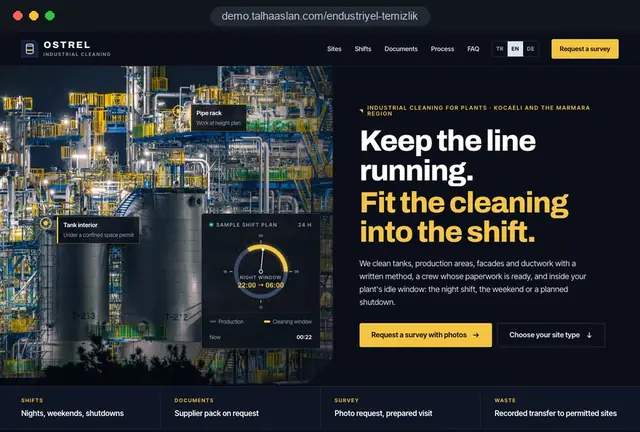 Industrial Cleaning WebsiteWebsites for contractors cleaning tanks, production areas, facades and ducts, built around safety documents, site surveys and shift friendly planning.
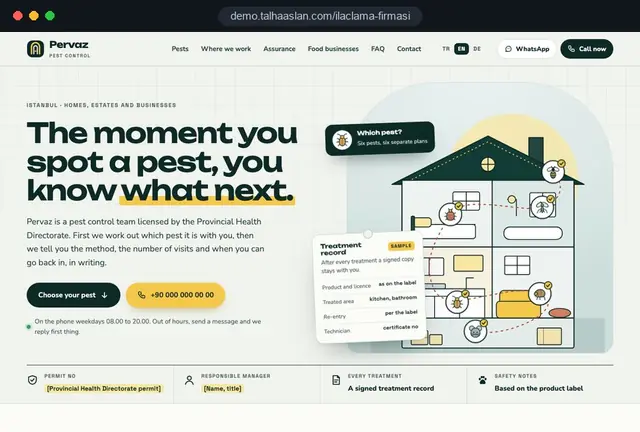 Pest Control WebsiteWebsites for pest controllers with a page per pest, a call button on every screen, clear areas covered and a quote form for homes and food businesses.
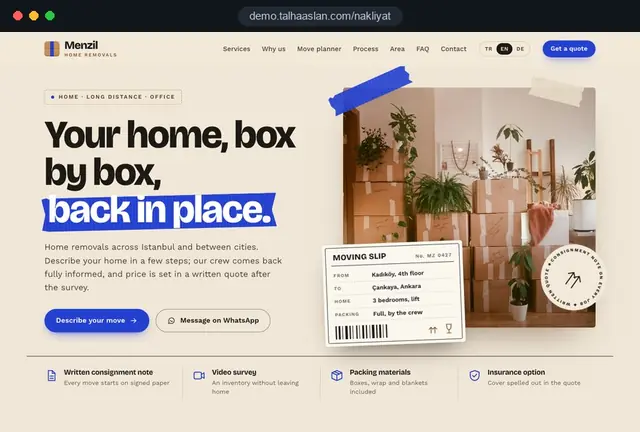 Removals Company WebsiteWebsites for removal and moving companies with a quote form by rooms and floors, service area pages and clear licence and insurance details.
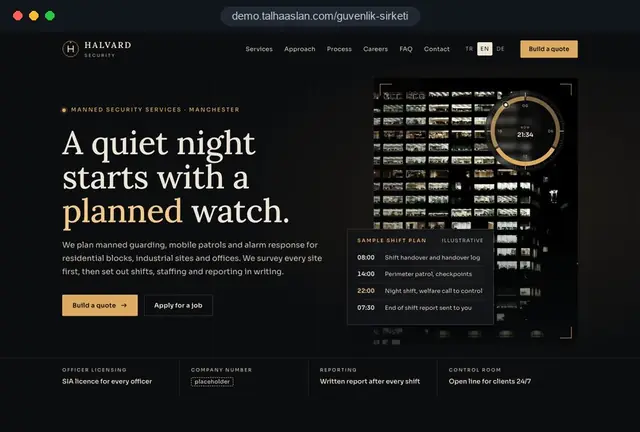 Security Company WebsiteWebsites for security firms with service pages, licences and accreditations, a qualified quote form and a separate recruitment route.
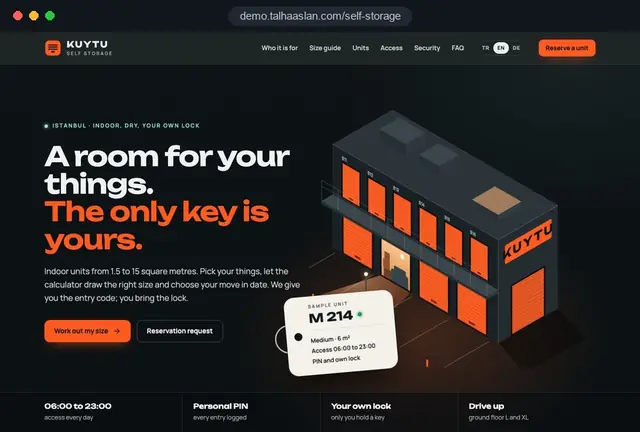 Self Storage WebsiteSelf storage websites with clear unit sizes, a size calculator, access hours, honest security details and a simple way to reserve a unit online.
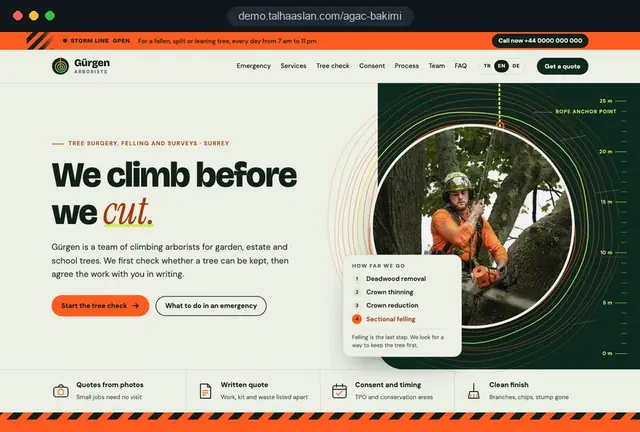 Tree Surgeon WebsiteWebsites for tree surgeons and arborists with an emergency call section, a quote form with photo upload, separate tree care pages and a protected trees guide.
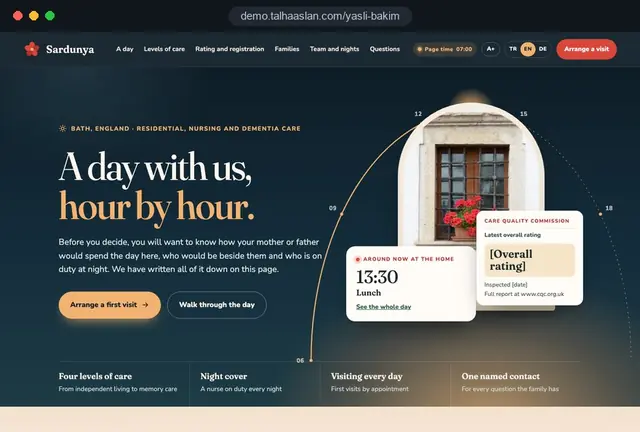 Care Home WebsiteCare home and home care websites that show the CQC rating, explain care types and staffing, and invite families to visit.
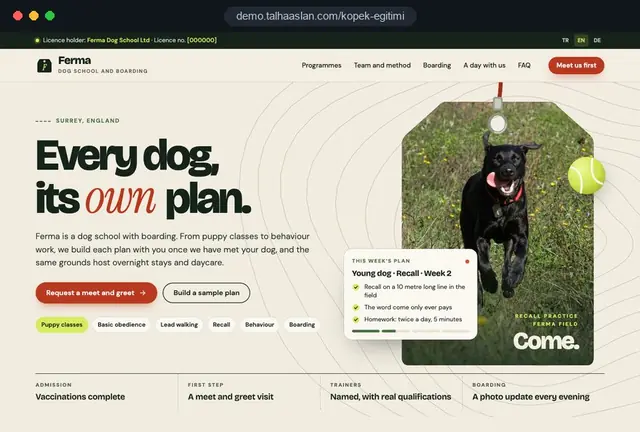 Dog Training WebsiteWebsites for dog trainers, training centres, kennels and dog daycare with programme pages, trainer profiles, vaccination rules and a clear enquiry flow.
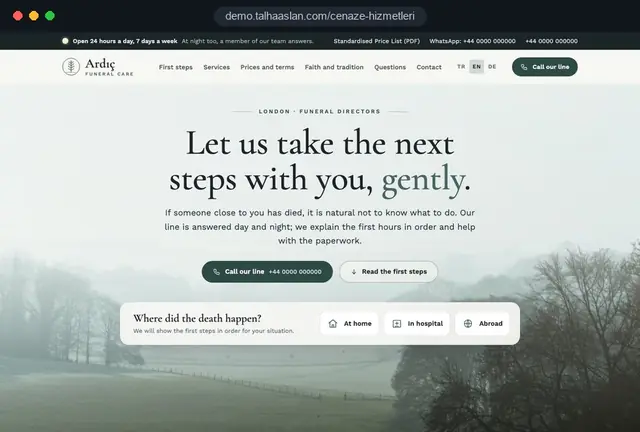 Funeral Director WebsiteWebsites for funeral directors with a clear phone line, first steps guidance, the required price information and options for every faith and tradition.
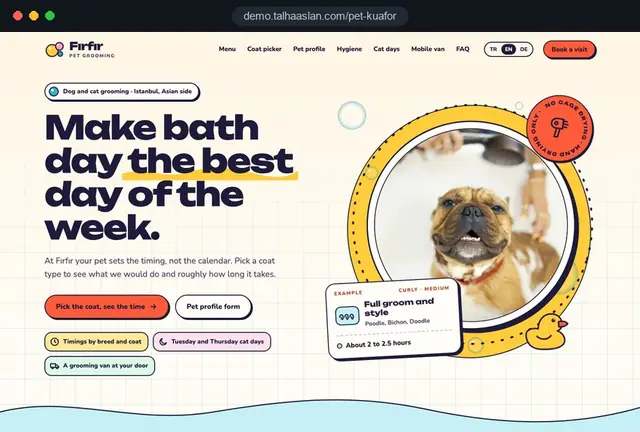 Pet Grooming WebsiteWebsites for dog groomers, grooming salons and mobile groomers with a menu by breed and coat, dog profiles before the visit and a clear service area.
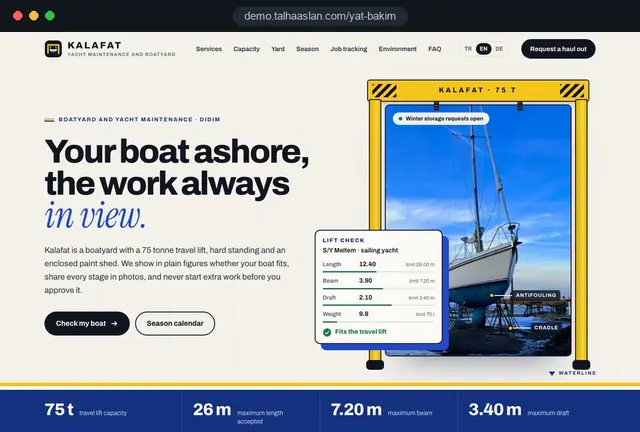 Boatyard WebsiteWebsites for boatyards, yacht service teams and shipyards, with a page per service, clear lift capacity, a season calendar and job tracking for owners.
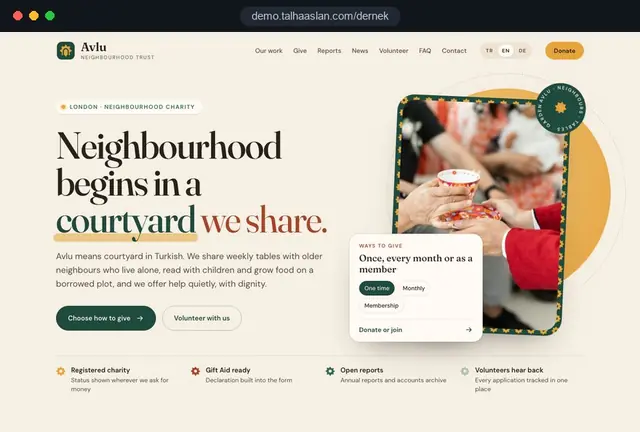 Charity WebsiteWebsites for charities, associations and foundations with impact news, a clear donation page, volunteer signup and published reports.
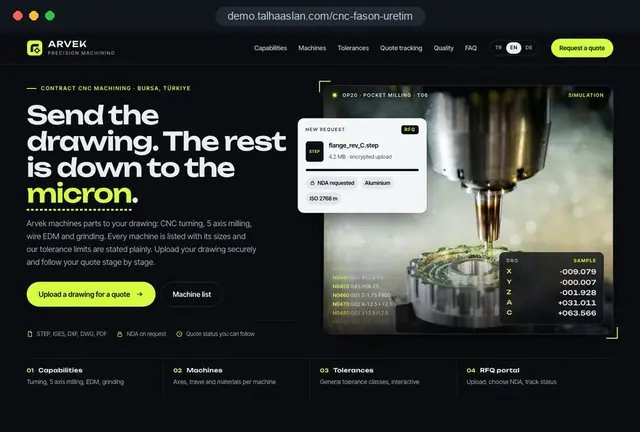 CNC Machine Shop WebsiteWebsites for CNC machine shops and contract machining suppliers, with machine lists, work envelopes, materials, tolerances and an RFQ form that accepts drawings.
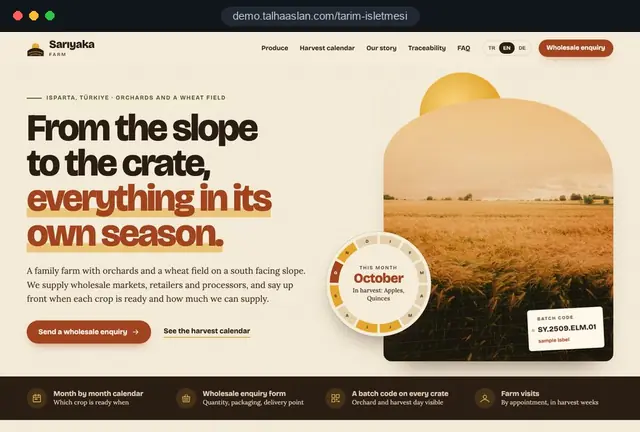 Farm WebsiteWebsites for farms, growers and agricultural businesses with produce pages, a harvest calendar, wholesale enquiries and certificates.
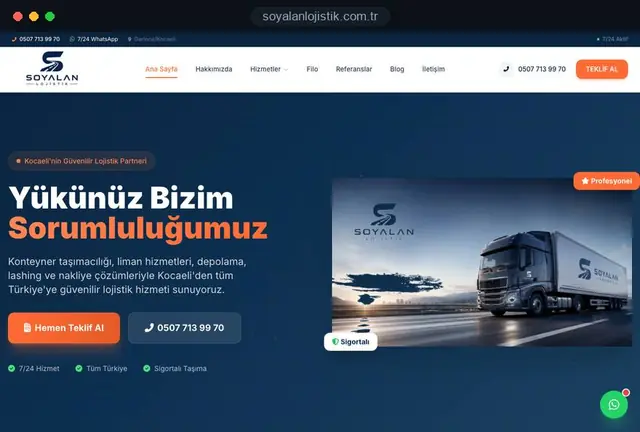 Logistics Company WebsiteWebsites for logistics, freight and haulage firms with a page per service line, a quote form that captures cargo and route, and fleet details.
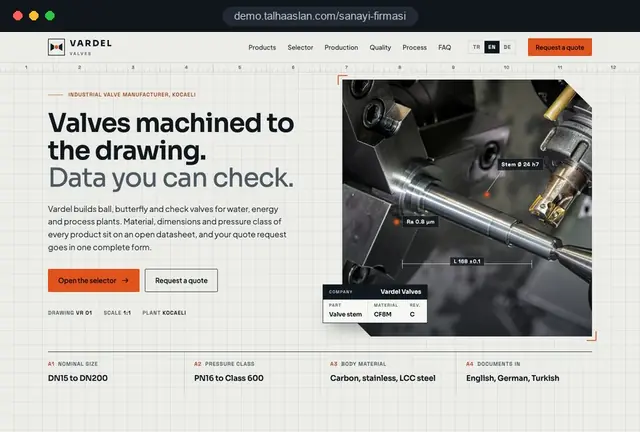 Manufacturer WebsiteWebsites for manufacturers and factories with product and technical data pages, certificates, export languages and a request for quote form.
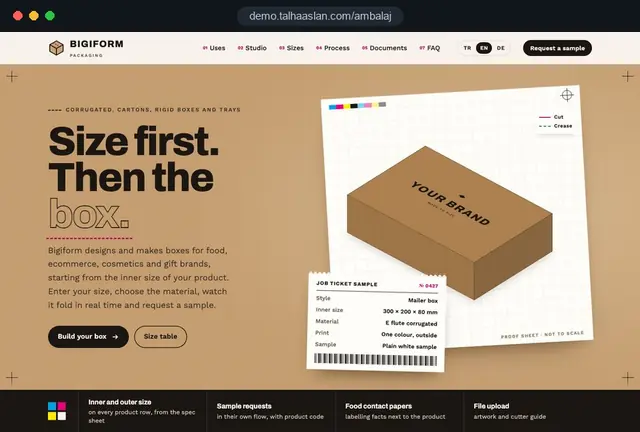 Packaging WebsiteWebsites for packaging companies and carton makers with size and material tables, sample requests, food contact documents and artwork uploads.
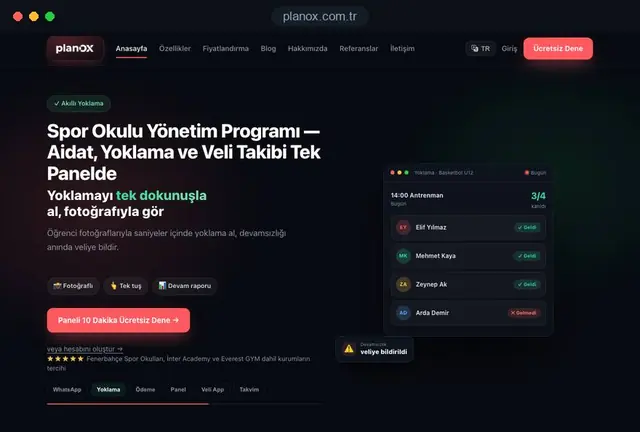 SaaS WebsiteMarketing websites for software products with feature pages, a plan table, trial signup and documentation; the site that sells the product, not the product itself.
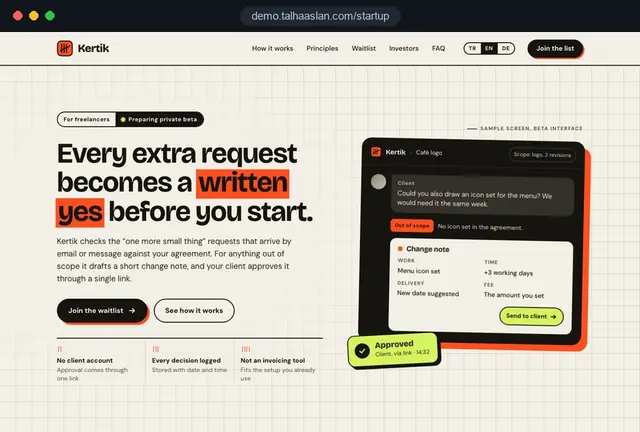 Startup WebsiteWebsites for early-stage startups with one clear promise, a measured waitlist, an investor page and copy the founders can change every week.
Let us plan a site for your industry together. Write to us
Appointment Booking WebsiteWebsites where clients choose the service, the practitioner and a free slot themselves, with reminders and a cancellation policy built in.Booking Website DesignWebsites that show live availability, never exceed capacity, take deposits and collect direct bookings.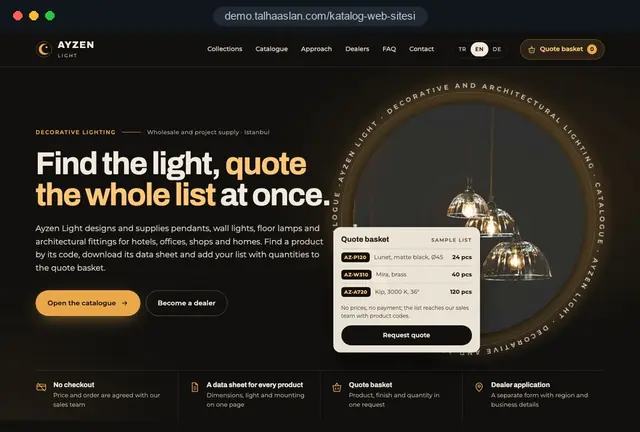 Catalog WebsiteFiltered product catalogs with datasheets, a quote basket and dealer enquiries, for companies that sell through quotes rather than checkout.
 Landing Page DesignLanding pages that take ad and campaign traffic to one action, with tracking and testing set up from the start.
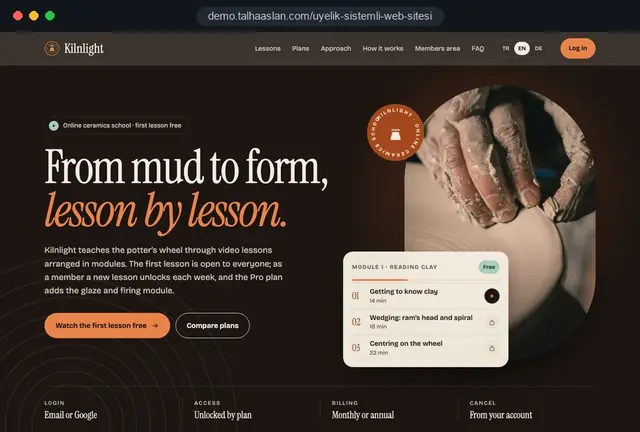 Membership Website DesignOnline course and premium content sites with member login, tiered content access and recurring payments.
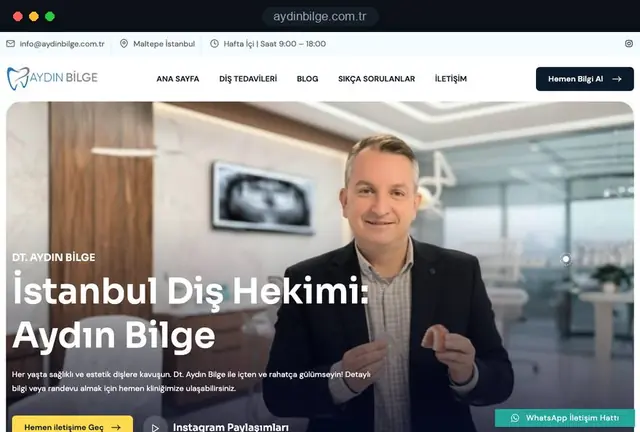
 Multilingual WebsiteWebsites that reach customers abroad in their own language, at their own URL and within the rules of their own market.
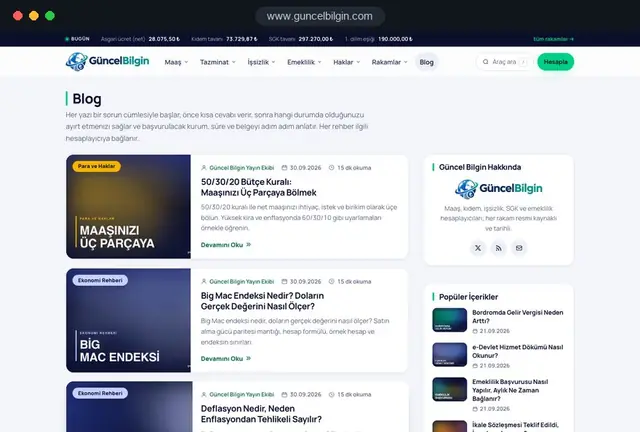 News Website DesignFast news and content sites with a publishing flow, category and author structure, scheduled posts and measured ad slots.
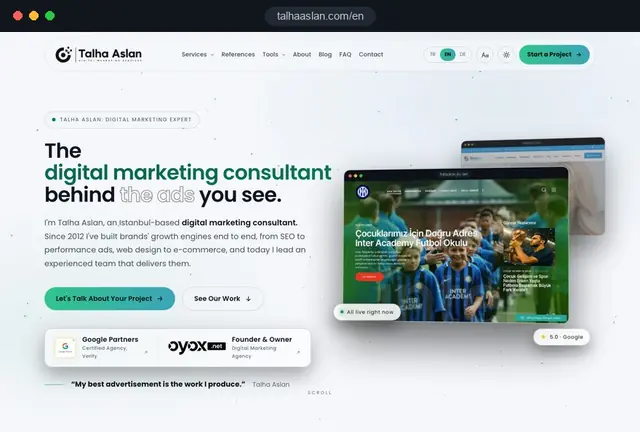
 Personal WebsitePersonal brand websites that show up when people search your name and bring your expertise, publications and contact details together.
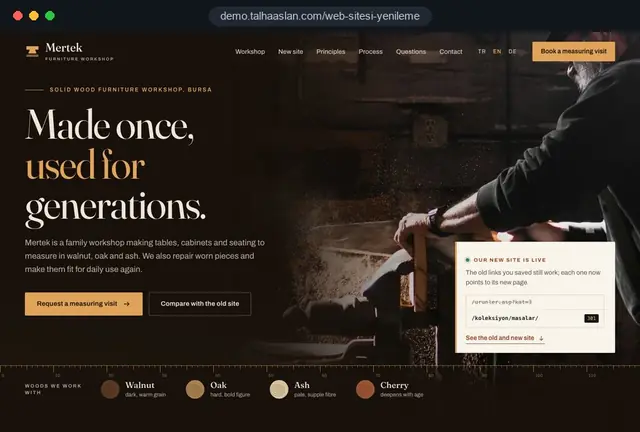 Website RedesignA planned redesign that keeps your old site's traffic, content and place in Google.
Let us plan a site for your industry together. Write to us
 BalikesirWebsites for Balikesir olive oil and dairy producers, Bandırma industry and coastal hotels, written for buyers and guests from abroad.
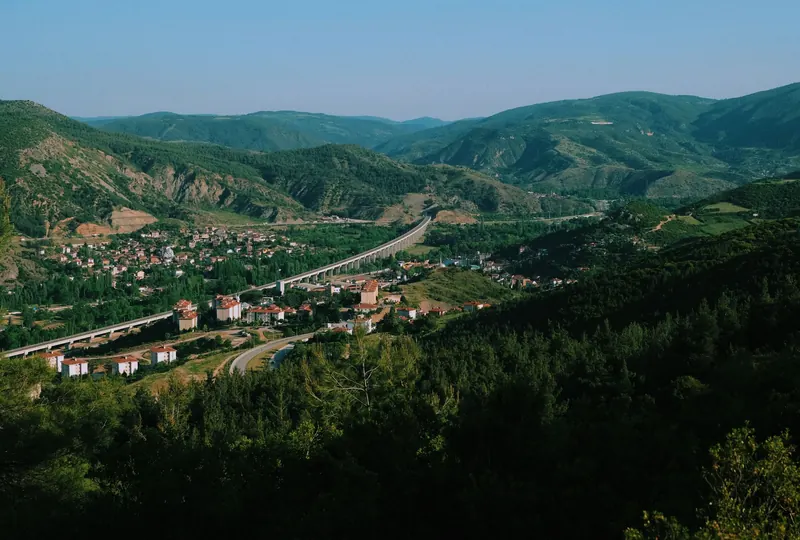 BilecikSites for Bilecik's beige marble quarries, for suppliers to the Bozüyük ceramics plants and for hosts welcoming visitors to Söğüt.
 BursaSites for Bursa's auto parts suppliers, İnegöl furniture makers and Gemlik logistics firms, built for buyers abroad and local search.
 CanakkaleSites for Canakkale hosts, tour firms, cheese makers and energy suppliers, written for visitors and buyers who arrive from abroad.
 EdirneSites that greet Edirne's cross border guests, heritage travellers and rice buyers in their own language.
 IstanbulBilingual sites for international companies and businesses in Istanbul, built for local search and tracked in our CRM.
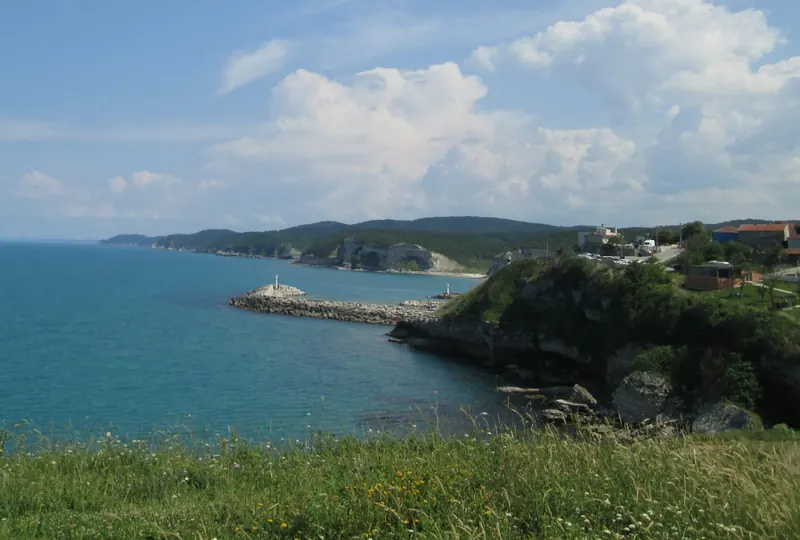 KirklareliSites for Kirklareli manufacturers, dairy and food brands, cross border traders and Black Sea guesthouses.
 KocaeliEnglish, German and Turkish sites for manufacturers, suppliers and port logistics firms in Turkey's industrial heartland.
 SakaryaSupplier sites for Sakarya's automotive and industrial firms, written for European buyers, plus sites for hosts around Lake Sapanca.
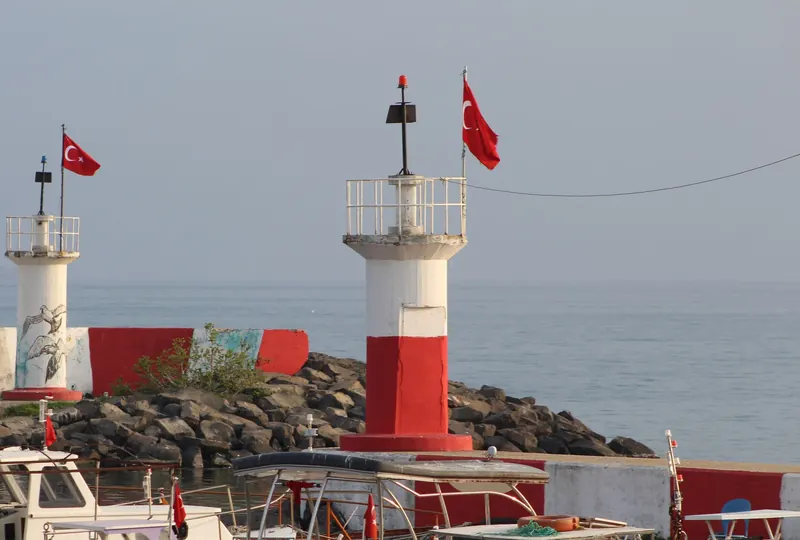 TekirdagSites in your buyers' languages for Tekirdag manufacturers, port logistics firms and coastal hospitality.
 YalovaEnglish, German and Turkish sites for Yalova's shipbuilding suppliers, spa hotels and orchid and plant growers.
 AfyonkarahisarSites for Afyonkarahisar's marble quarries, thermal resorts and food producers, built for buyers abroad and guests planning a spa stay.
 AydinWebsites for Aydin's fig and food exporters and for the hotels and tour firms serving visitors on its Aegean coast.
 DenizliSites for Denizli's towel mills, cable makers and Pamukkale hotels, written for the buyers and guests who find them from abroad.
 IzmirSites for Izmir exporters, suppliers and tourism businesses, built for international buyers and local search.
 KutahyaSites for Kutahya's tile and porcelain makers, hot spring resorts and boron suppliers, built for distributors abroad and travellers heading to Aizanoi.
 ManisaWebsites for Manisa component suppliers, sultana and food exporters, and hosts near Sardis, built for the buyers who vet them.
 MuglaSites for Mugla's hotels, gulet operators, villa owners and fish and honey producers, found by the bay or town name guests actually search.
 UsakSites for Usak's recycled yarn mills, tanneries, carpet weavers and canyon guesthouses, built for sourcing teams abroad and travellers heading to Ulubey.
 AdanaSites for Adana manufacturers, citrus and soy traders and Ceyhan energy suppliers, built for buyers abroad.
 AntalyaSites for Antalya hotels, tour operators, growers and yacht builders, written for guests and buyers in their own language.
 BurdurSites for Burdur's marble quarries, dairies and seed growers and for hosts near Lake Salda and Sagalassos, written for the buyers and travellers who find them.
 HataySites for Hatay steelmakers, forwarders and food producers, built for buyers in Europe and the Middle East and for local search.
 IspartaSites for Isparta's apple stores and exporters, rose oil and lavender makers, hosts near Mount Davraz and Lake Eğirdir, and businesses in a student city.
 KahramanmarasFast sites in your buyers' languages for Kahramanmaras producers of yarn, metal kitchenware and regional food.
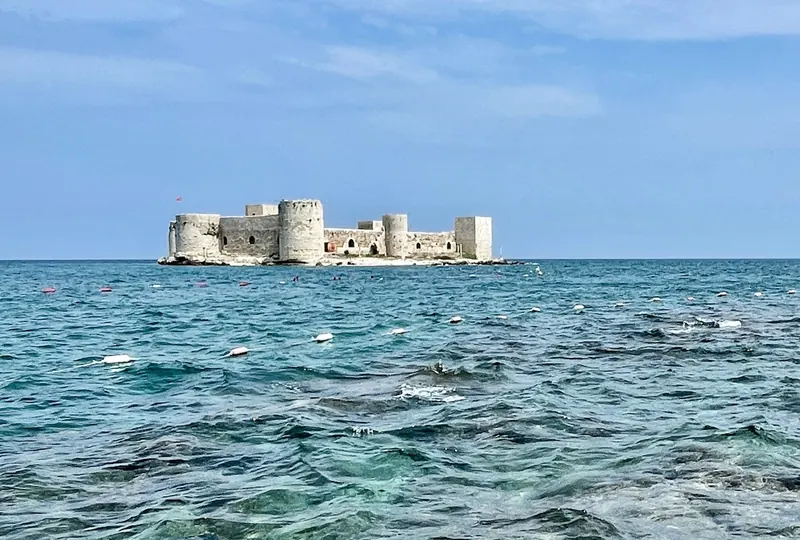 MersinSites for Mersin forwarders, free zone traders, citrus exporters and contractors, written for shippers and buyers outside Turkey.
 OsmaniyeClear, fast sites for Osmaniye producers of flat steel, welded pipe and EU protected peanuts, written for buyers abroad.
 AksaraySites for suppliers to a major truck plant, growers of protected regional produce and hosts welcoming Ihlara Valley visitors.
 AnkaraCredible English and Turkish sites for companies, contractors and startups working in Turkey's capital.
 CankiriWebsites that help procurement teams, ski tour operators and salt buyers judge Cankiri businesses at first glance.
 EskisehirSites for Eskisehir suppliers to aerospace and rail, for the services around its universities and for the guesthouses of Odunpazarı.
 KaramanWebsites for Karaman, Turkey's biscuit capital: food factories, apple orchards, exporters and hosts along its historic routes.
 KayseriWebsites for Kayseri's furniture, cable and appliance exporters and for the businesses around the Mount Erciyes ski resort.
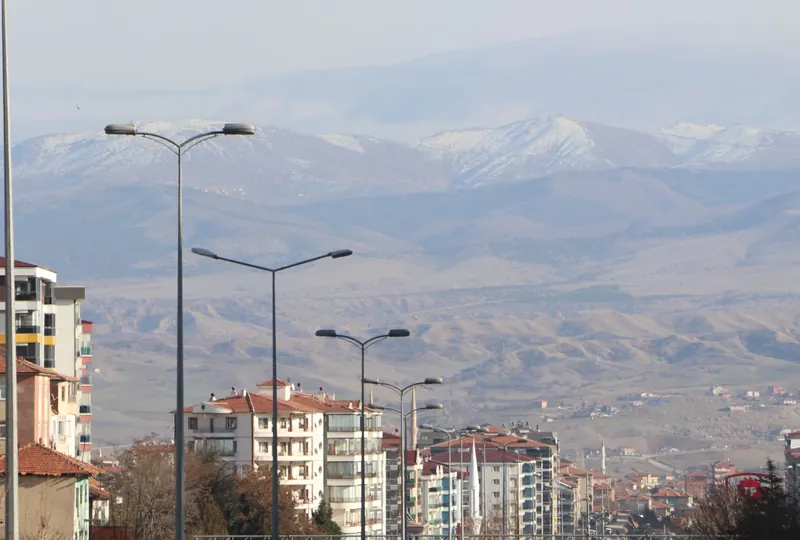 KirikkaleWebsites that let engineers, fuel buyers and research partners judge Kirikkale firms quickly and with confidence.
 KirsehirWebsites that let tyre buyers, spa tour operators and walnut importers judge Kirsehir businesses on the first screen.
 KonyaCatalogue style websites in the languages of your markets, for Konya manufacturers, exporters and visitor businesses.
 NevsehirSites for Cappadocia's hotels, balloon pilots and tour operators, and shops selling Nevsehir's pumpkin seeds, grape molasses and pottery.
 NigdeWebsites for Nigde, Turkey's largest potato growing province: produce traders, apple orchards, factories and hosts in the Aladağlar range.
 SivasWebsites for Sivas rail industry suppliers, new factories, thermal spa hosts and makers of the province's registered crafts.
 YozgatWebsites that let component buyers, spa partners and produce importers size up a Yozgat business at a glance.
 AmasyaWebsites that help stone importers, heritage travellers and fruit buyers trust Amasya businesses at first glance.
 ArtvinSites for Artvin guesthouses, forwarders and producers, built for traders crossing from Georgia, nature travellers and local search.
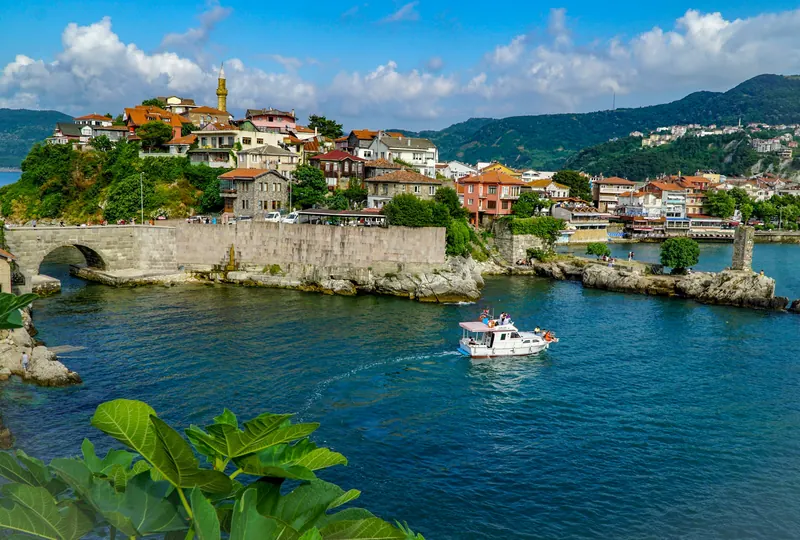 BartinWebsites that bring guests to Amasra's hotels, buyers to Kurucaşile's boatyards and partners to Bartin's industrial firms.
 BayburtSites for Bayburt stone quarries, makers of protected foods and hosts on the museum route, planned for overseas buyers, festival visitors and local search.
 BoluFast, photo led sites for partners of Bolu's poultry industry, its lake and forest hospitality and its university.
 CorumWebsites that let mill investors, food buyers and Hittite heritage travellers judge a Corum business at first glance.
 DuzceSites for buyers of Duzce hazelnuts, partners of its industrial zones and visitors to the Akçakoca coast.
 GiresunWebsites for Giresun hazelnut exporters, protected food producers and highland tourism, built to explain origin and quality to buyers abroad.
 GumushaneSites for Gumushane food makers, guesthouses and service firms, built for buyers far from the province, cave and ski visitors and local search.
 KarabukSites for Karabuk firms that make steel, machine parts or host guests in Safranbolu, built to be found and to answer buyers fast.
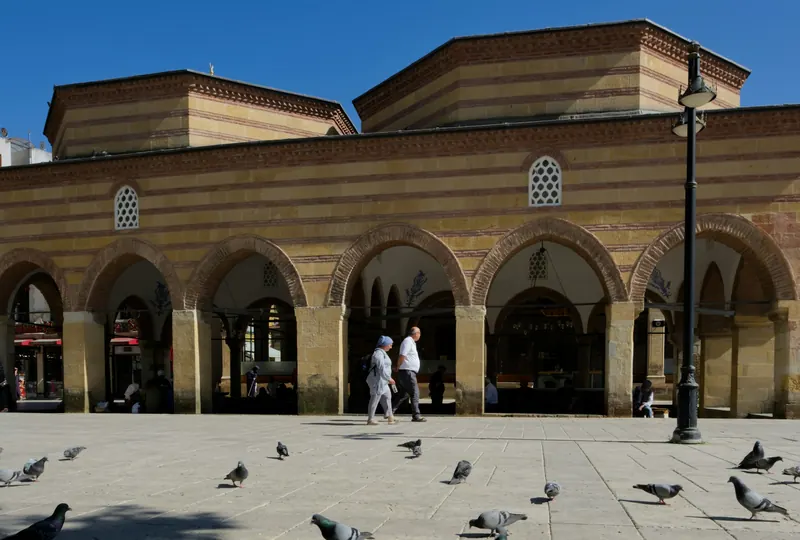 KastamonuWebsites that help Kastamonu's timber firms, specialty food makers and nature lodges win buyers and guests from far away.
 OrduWebsites for Ordu hazelnut processors, beekeepers, bentonite and furniture exporters and Boztepe or highland hotels, built to show capacity and product data clearly.
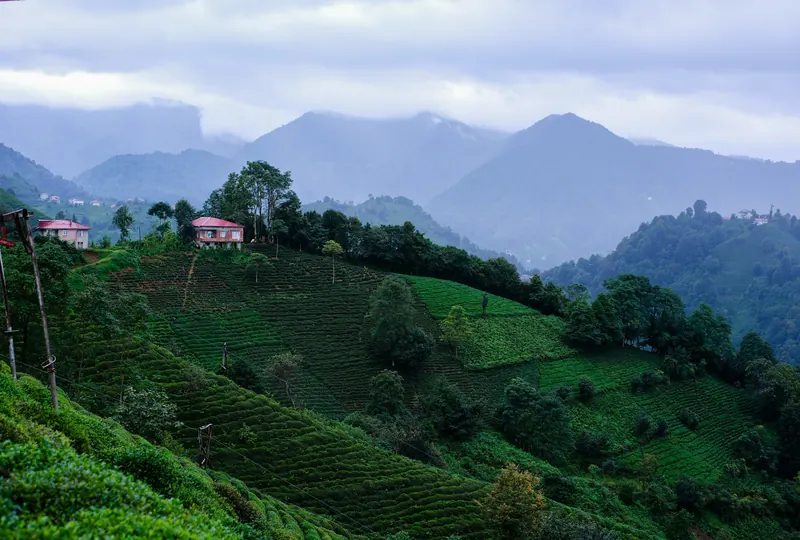 RizeSites for Rize tea brands, highland stays and forwarders, built for overseas buyers, trekkers heading for the Kaçkar range and local search.
 SamsunWebsites that win over hospital buyers, shipping partners and wholesale traders dealing with Samsun companies.
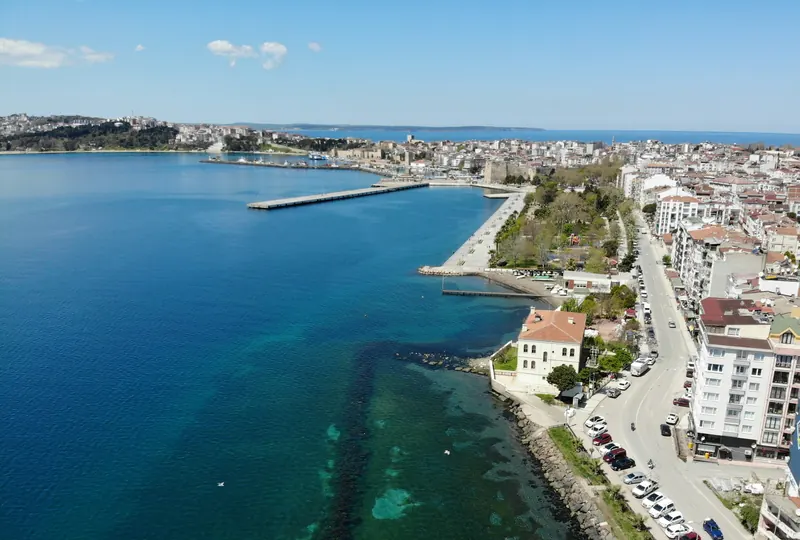 SinopSites for Sinop salmon farms, seaside hotels and regional food makers that buyers and travellers abroad can trust.
 TokatWebsites that let buyers abroad trust Tokat's registered foods and handicrafts before they place the first order.
 TrabzonSites for Trabzon hotels, hazelnut exporters and logistics firms, built for Gulf visitors, European buyers and local search.
 ZonguldakCredible sites for companies working around Zonguldak's steel plant, its coal basin and the new port at Filyos.
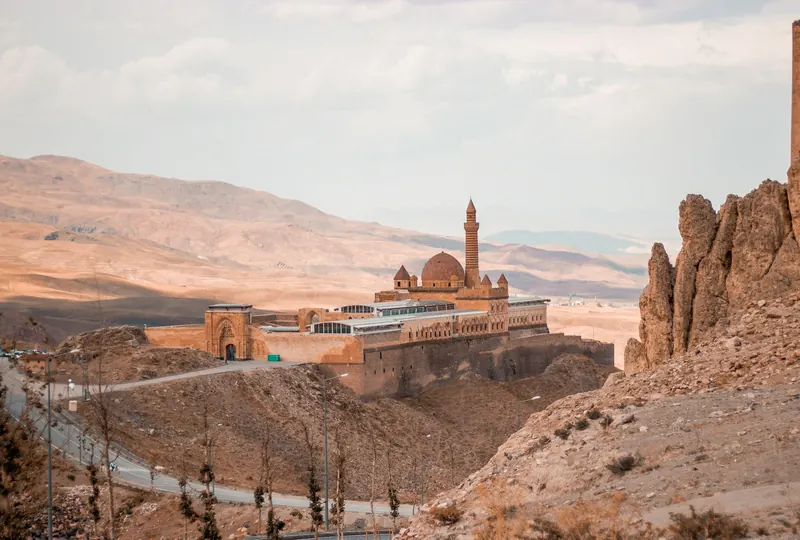 AgriWebsites for Agri hauliers trading with Iran, Mount Ararat expedition organisers and producers of registered mountain honey.
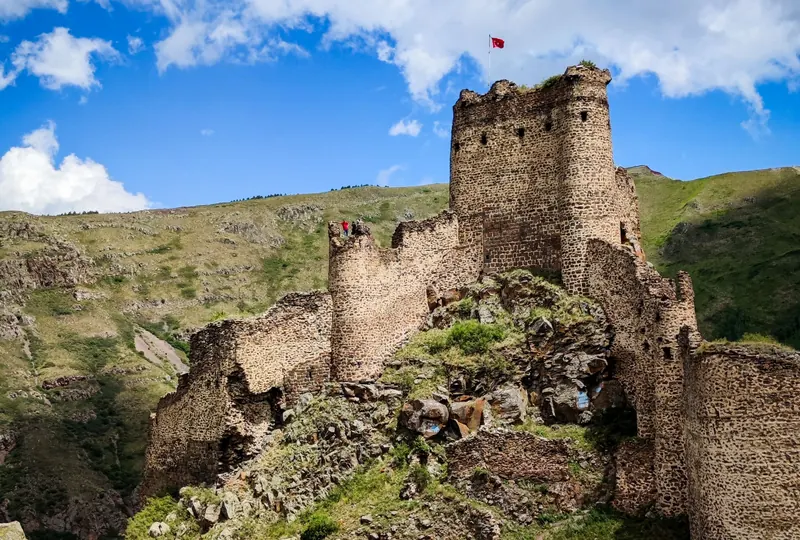 ArdahanWebsites that present Ardahan's registered goose meat, flower honey and Hanak string cheese, and invite travellers to frozen Lake Çıldır.
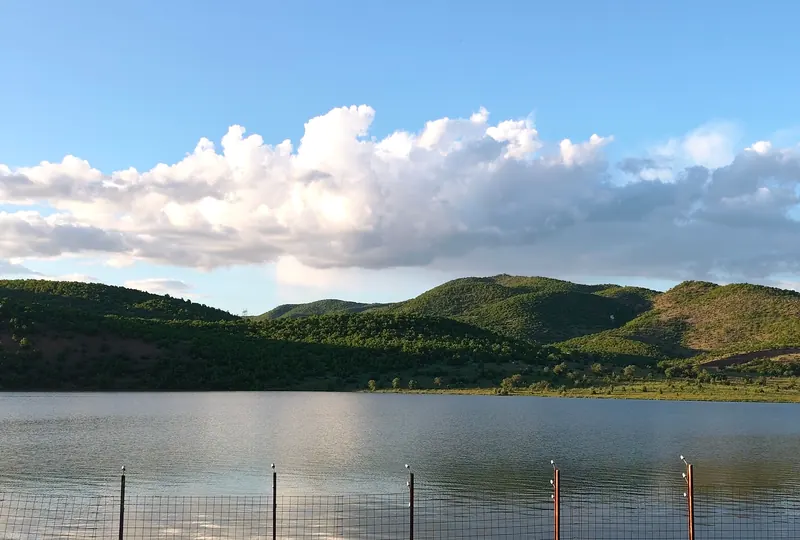 BingolWebsites for Bingol producers of honey, mulberry pekmez and livestock, and for hosts welcoming lake and highland visitors.
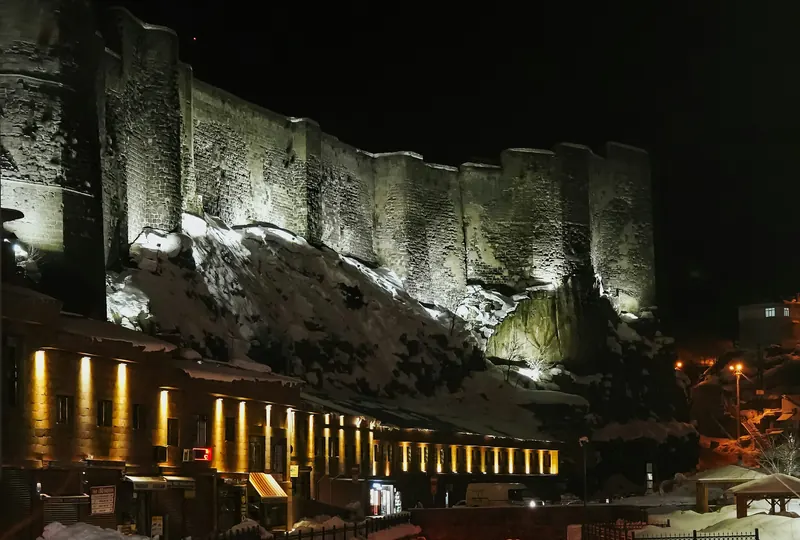 BitlisWebsites for Bitlis firms that host visitors to Nemrut and Ahlat, sell highland honey or move freight through Tatvan.
 ElazigWebsites for Elazig marble quarries, mining firms and manufacturers, and for the importers, architects and investors who deal with them.
 ErzincanWebsites that explain EU protected tulum cheese, the Kemaliye canyon country and campus services in Erzincan to readers far away.
 ErzurumWebsites for Erzurum hotels near the Palandöken slopes, livestock and dairy producers and makers of registered regional goods.
 HakkariWebsites for Hakkari firms that trade with Iran through Esendere, guide climbers to the Cilo glaciers or sell handwoven kilims.
 IgdirWebsites for Iğdır apricot growers, freight firms on the Nakhchivan route and hosts of visitors to the Tuzluca salt caves.
 KarsWebsites for Kars cheese dairies, hosts of Ani and Sarıkamış visitors and freight firms on the rail route to the Caucasus.
 MalatyaWebsites for Malatya apricot exporters, manufacturers and the importers, distributors and travel partners who work with them.
 MusWebsites for Mus businesses that raise livestock on the plain, make registered kashar cheese or host the crowds who come to Malazgirt each August.
 TunceliWebsites that bring Munzur Valley honey, single clove mountain garlic and national park routes in Tunceli to readers far away.
 VanSites for Van businesses that welcome Iranian visitors through Kapıköy, travellers bound for Akdamar and buyers of Van herb cheese.
 AdiyamanClear, fast sites for hotels near Mount Nemrut, garment factories and suppliers to the oilfields.
 BatmanWebsites for oilfield suppliers, manufacturers in the Batman industrial zone and businesses welcoming visitors to Hasankeyf.
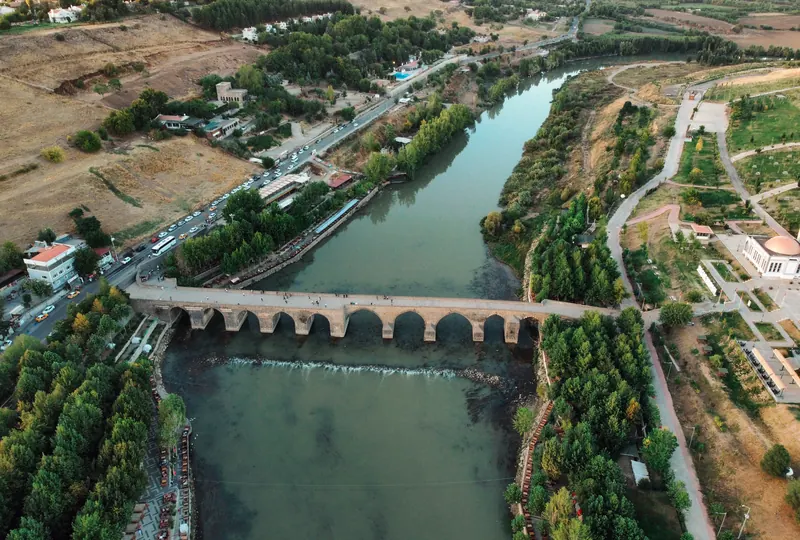 DiyarbakirWebsites for Diyarbakir firms that ship to Iraq, sell registered local produce or welcome visitors to the old walled city.
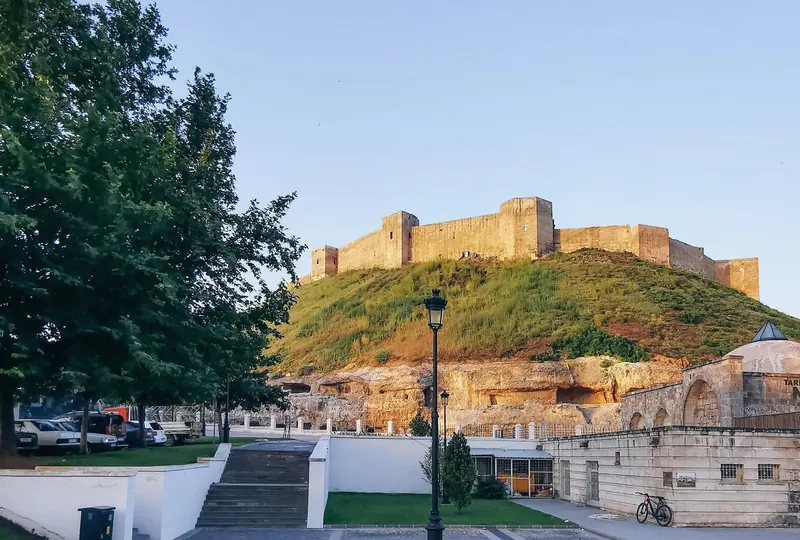 GaziantepWebsites in English and Arabic for Gaziantep carpet, textile and food exporters, and for the buyers who source from them.
 KilisSites for Kilis olive oil producers, regional food makers and cross border traders, written for buyers abroad and visitors alike.
 MardinWebsites for Mardin firms that ship pulses to Iraq, run stone mansion hotels in the old town or sell Midyat silver filigree.
 SanliurfaFast, credible sites for hotels near Göbekli Tepe, cotton traders and companies selling across the Syrian border.
 SiirtWebsites for Siirt pistachio growers, mohair blanket workshops and outfitters leading rafting and hiking trips in the Botan canyon.
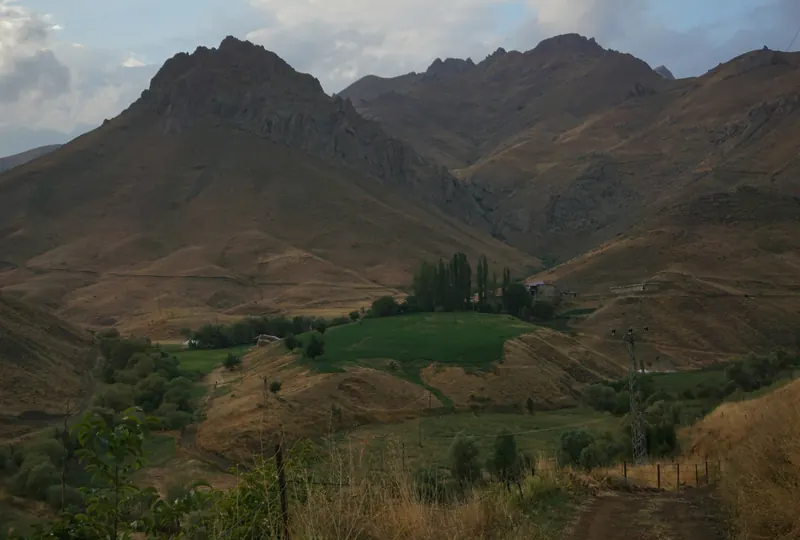 SirnakWebsites for Sirnak firms that ship to Iraq through Habur, supply the Silopi power plant or bake Cizre's registered Memilheva cookies.
 AachenEnglish and German websites for Aachen research spin-offs, engineering firms and businesses with customers in three countries.
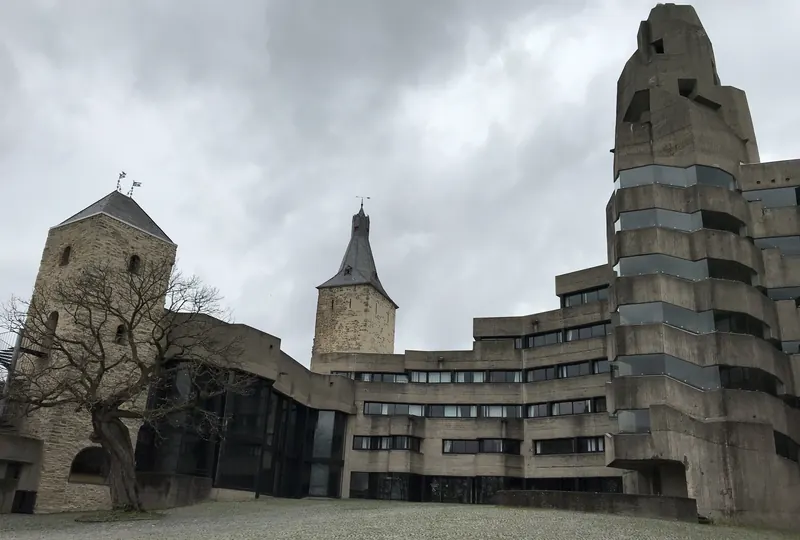 Bergisch GladbachEnglish and German websites for Bergisch Gladbach suppliers, practices and founders, built around German legal requirements.
 BielefeldEnglish and German websites for Bielefeld suppliers, university spinoffs and international teams, built around German rules.
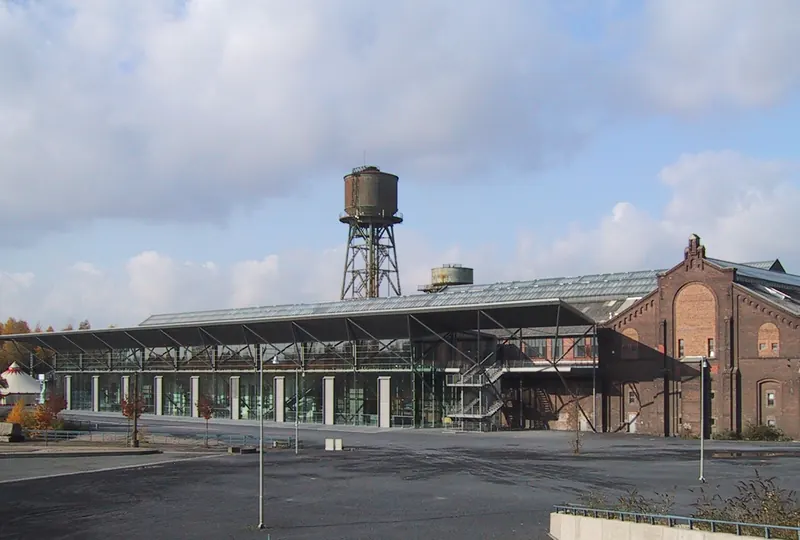 BochumEnglish and German websites for Bochum tech firms, spin-offs, clinics and hosts, built secure and set up for German rules.
 BonnEnglish and German websites for Bonn consultancies, NGOs, research teams and expat businesses, built for German rules.
 BottropWebsites for Bottrop's renovation trades, hosts near its leisure parks, practices and young technology firms.
 CologneEnglish and German websites for international teams in Cologne, set up for German legal duties and local search.
 DortmundEnglish and German websites for Dortmund logistics firms, research spinoffs and international teams, built for German rules.
 DuisburgEnglish and German websites for Duisburg's port, logistics and industrial companies, set up for German rules.
 DüsseldorfEnglish and German websites for Düsseldorf's international firms, exhibitors and service providers, built for German rules.
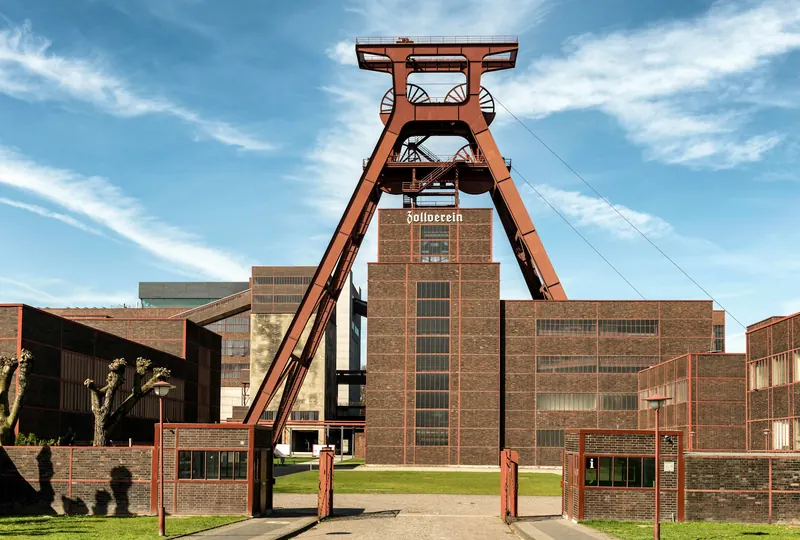 EssenEnglish and German websites for Essen suppliers, clinics and international teams, built around German legal rules.
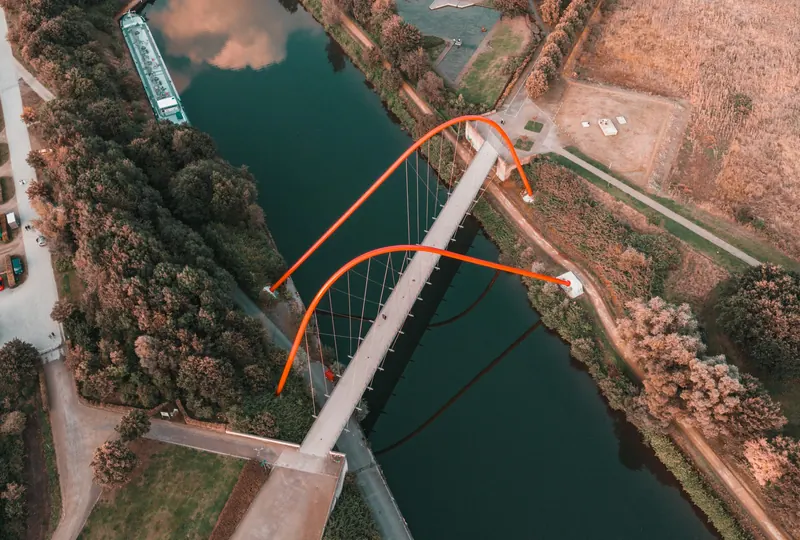 GelsenkirchenEnglish and German websites for Gelsenkirchen's hydrogen, solar and event businesses, built for German legal requirements.
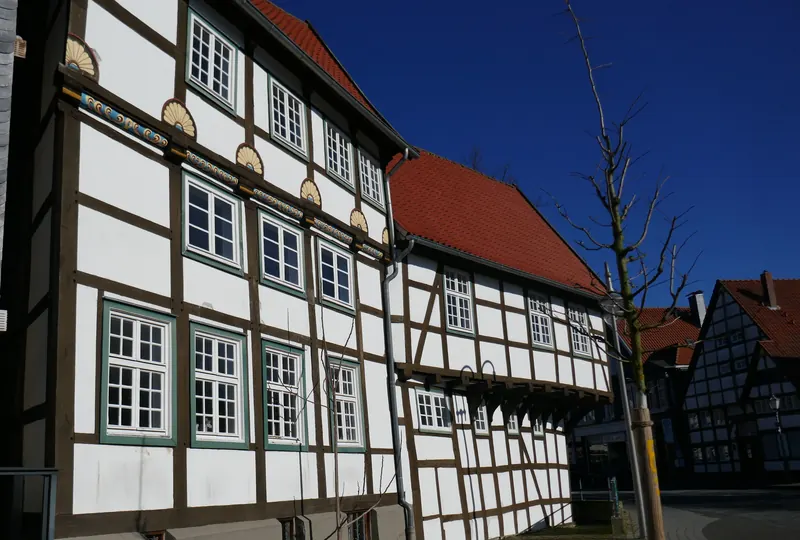 GüterslohEnglish and German websites for Gütersloh suppliers, service firms and international teams, built for German rules.
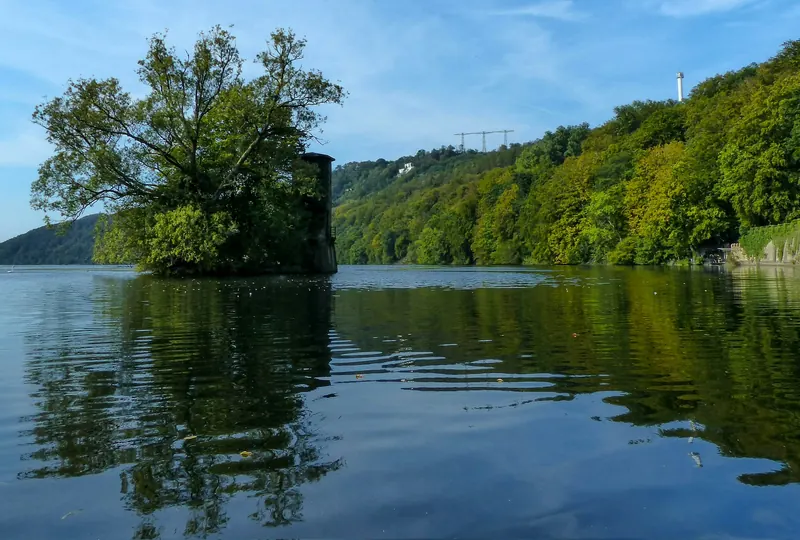 HagenEnglish and German websites for Hagen's suppliers, logistics firms and international teams, set up for German law.
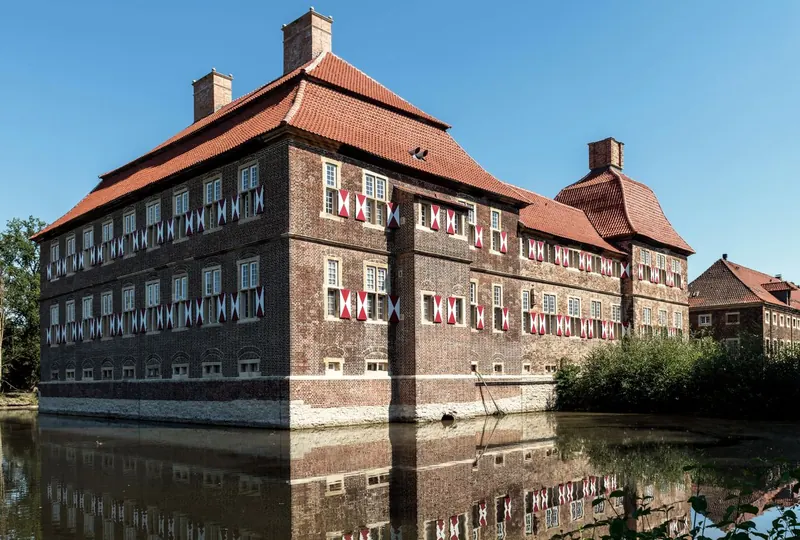 HammGerman and English websites for Hamm's freight operators, law practices, manufacturers and healthcare providers, built to German rules.
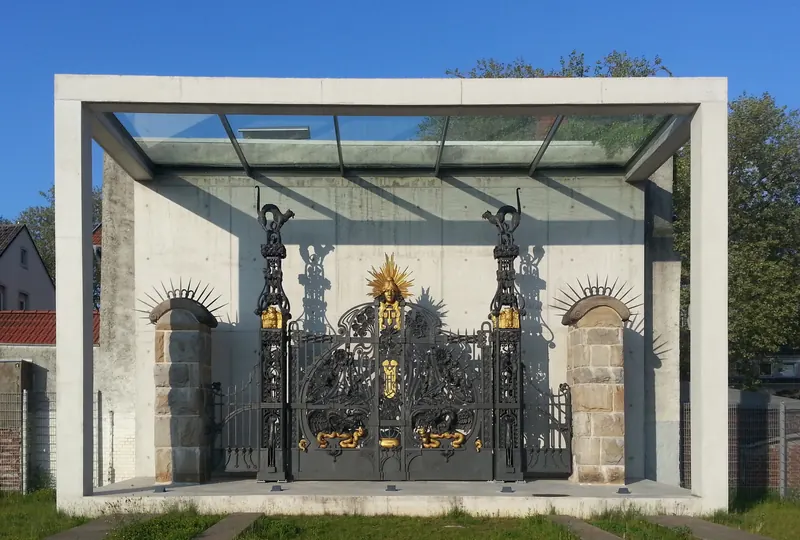 HerneGerman and English websites for Herne logistics firms, practices and hosts, quick on mobile and set up for German rules.
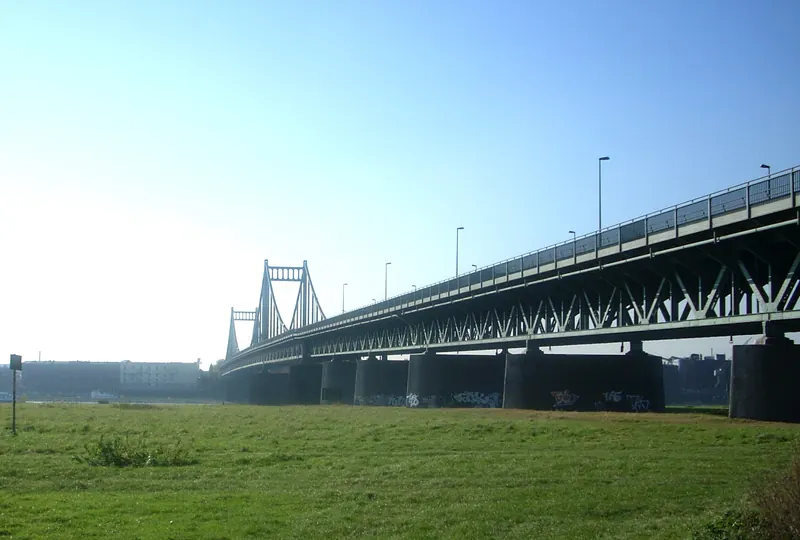 KrefeldEnglish and German websites for Krefeld's industrial suppliers, logistics firms and international teams, built around German rules.
 LeverkusenEnglish and German websites for suppliers, contractors and international teams working around Chempark and Bayer.
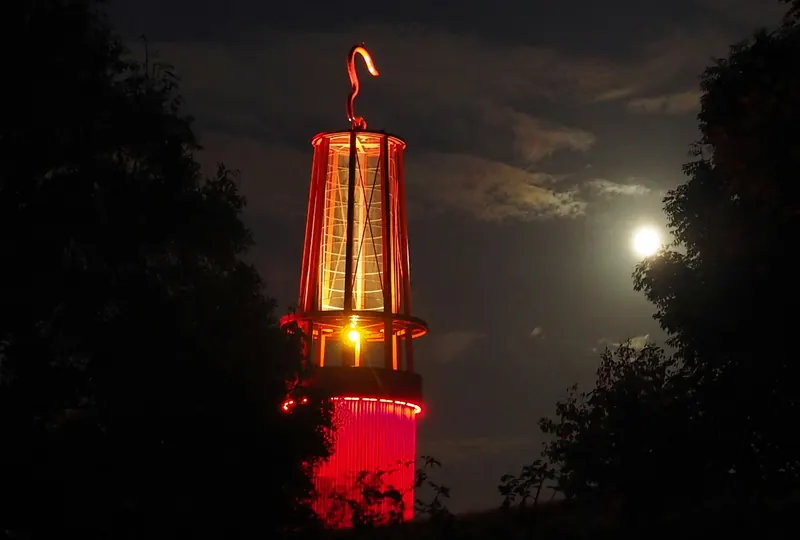 MoersGerman first websites with English pages for Moers logistics firms, practices, retailers and young companies.
 MönchengladbachGerman and English websites for Mönchengladbach textile brands, logistics operators and international teams, built for German rules.
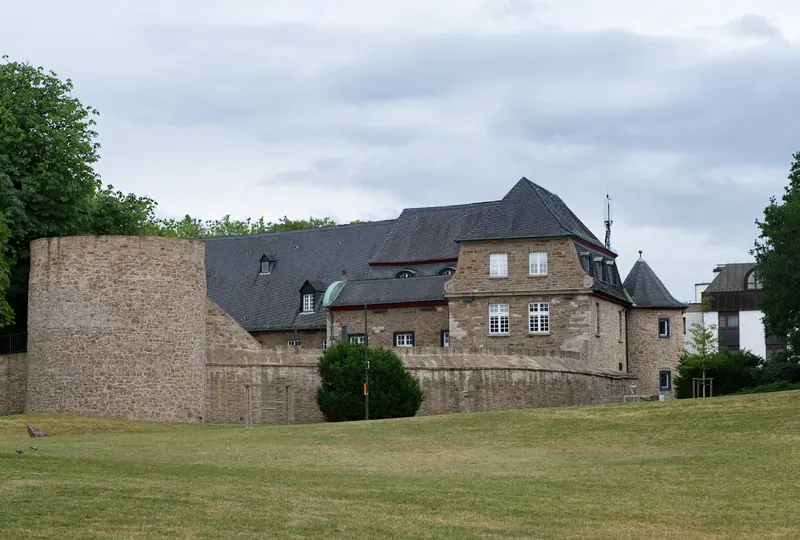 MülheimEnglish and German websites for Mülheim's engineering suppliers, research teams and international newcomers, built for German rules.
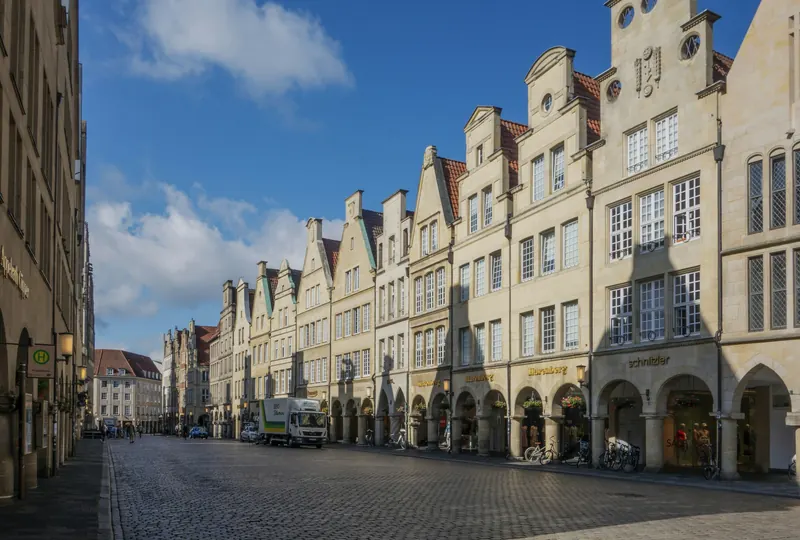 MünsterEnglish and German websites for Münster spin offs, service firms and hospitality businesses, built for German rules and Dutch neighbours.
 NeussEnglish and German websites for logistics, industrial and service companies in Neuss, built for German rules and B2B enquiries.
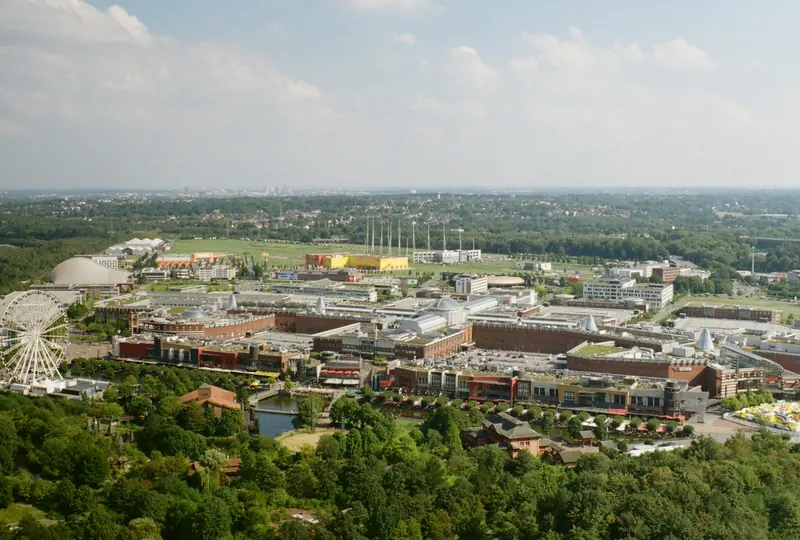 OberhausenEnglish and German websites for Oberhausen's retail, events and logistics companies, built around German rules.
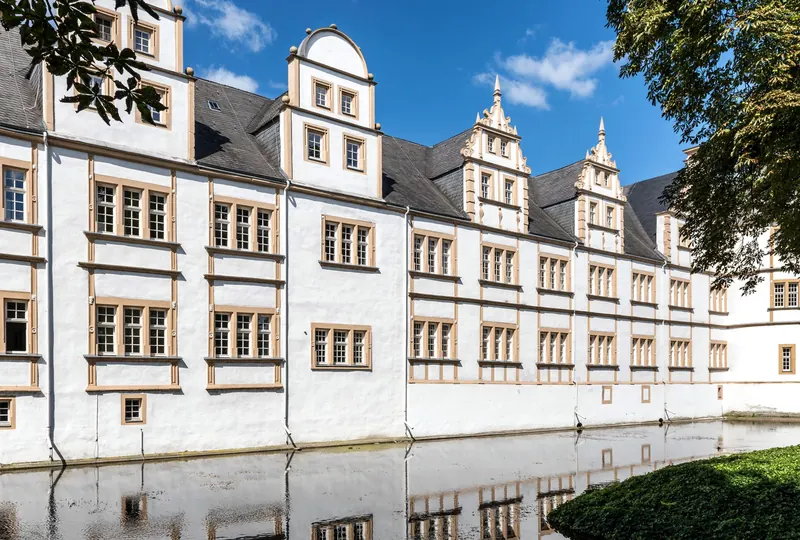 PaderbornEnglish and German websites for Paderborn's tech companies, engineering suppliers and university spinoffs, built for German rules.
 RecklinghausenGerman and English websites for Recklinghausen shops, service firms and hosts, fast on mobile and built around German rules.
 RemscheidWebsites for Remscheid's tool makers, engineering suppliers and trades, built so buyers at home and abroad find the right product.
 SiegenEnglish and German websites for Siegen manufacturers, suppliers and young tech firms, built around German legal requirements.
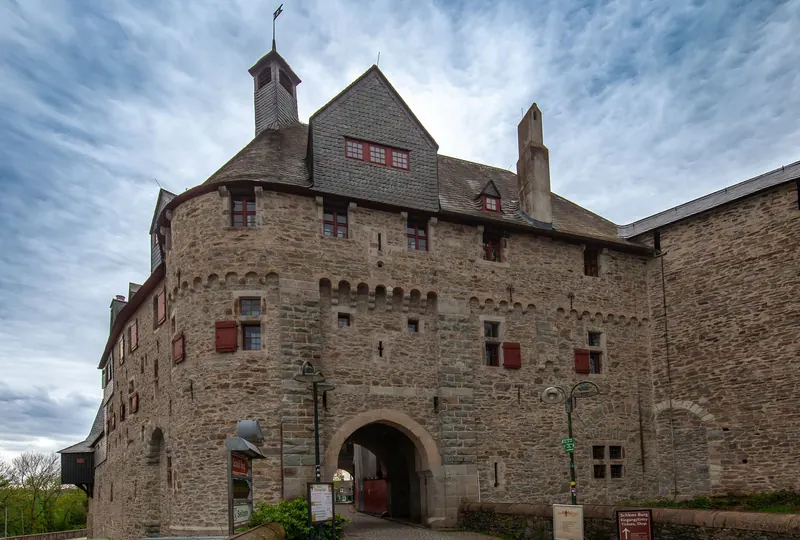 SolingenWebsites for Solingen's blade makers, metal suppliers and visitor businesses, written for buyers at home and abroad.
 WuppertalEnglish and German websites for Wuppertal manufacturers, suppliers and life science teams, built to German rules.
 AugsburgEnglish and German websites for Augsburg suppliers, tech firms and international teams, built for German legal requirements.
 ErlangenEnglish and German websites for Erlangen's medtech suppliers, research spin offs and the services around them.
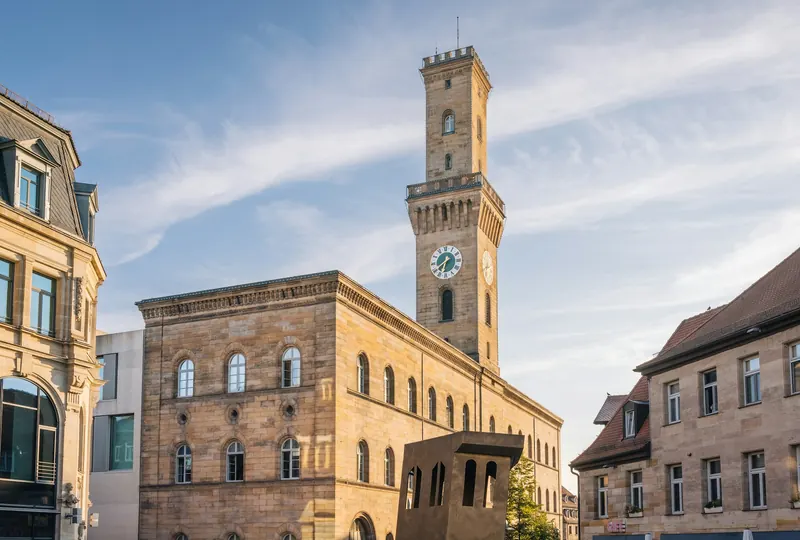 FürthEnglish and German websites for suppliers, international teams and newcomers in Fürth, built for German legal duties.
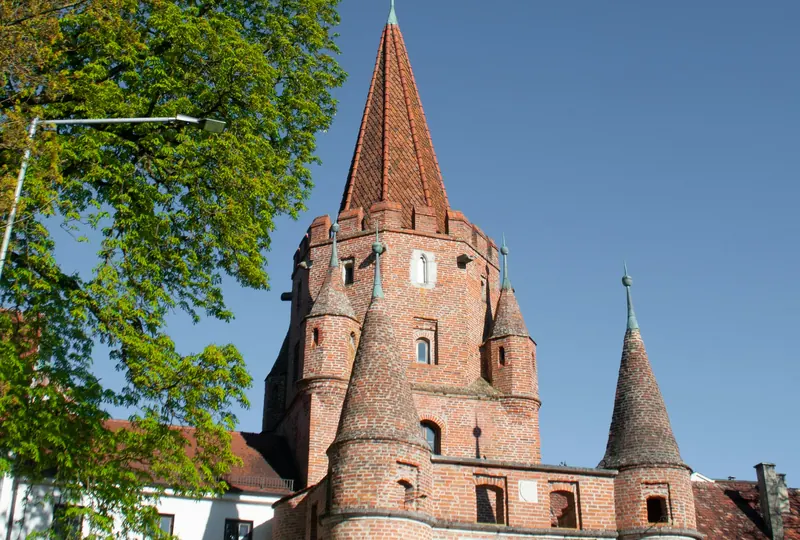 IngolstadtEnglish and German websites for Ingolstadt suppliers, engineering teams and newcomers, built to German rules.
 MunichEnglish and German sites for Munich startups, international teams and trade fair suppliers, built for German rules.
 NurembergEnglish and German websites for Nuremberg suppliers, exhibitors and international teams, built around German rules.
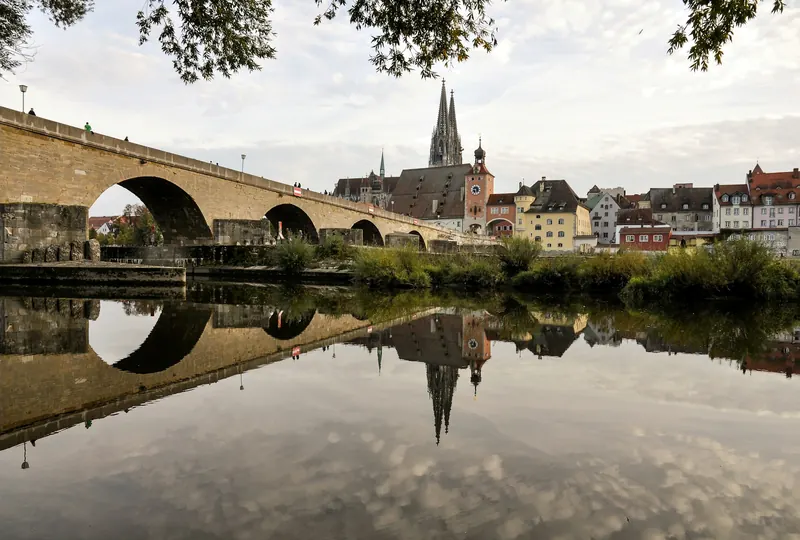 RegensburgEnglish and German websites for Regensburg suppliers, chip and biotech firms, university spinoffs and old town hosts.
 WürzburgEnglish and German websites for Würzburg companies, clinics, hosts and university spin offs, built around German rules.
 FreiburgEnglish, German and French websites for Freiburg research teams, health providers, hotels and founders, set up for German rules.
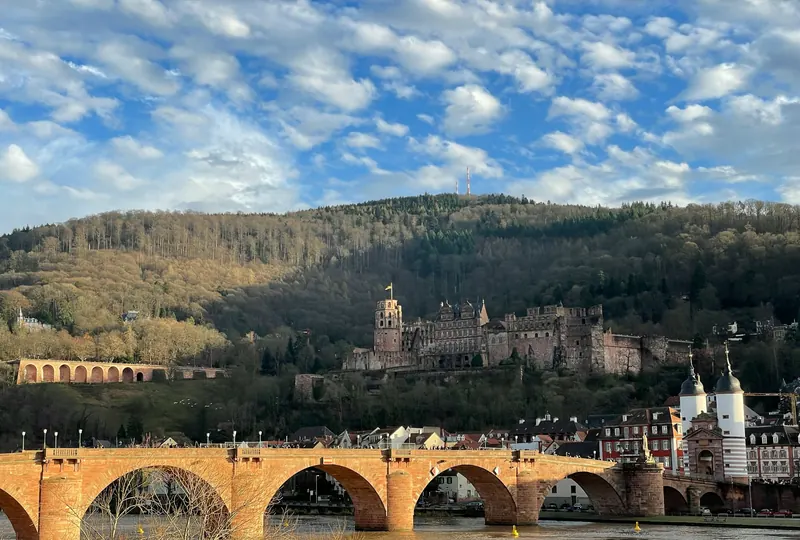 HeidelbergEnglish and German websites for Heidelberg spin-offs, research partners, hotels and visitor businesses, set up for German rules.
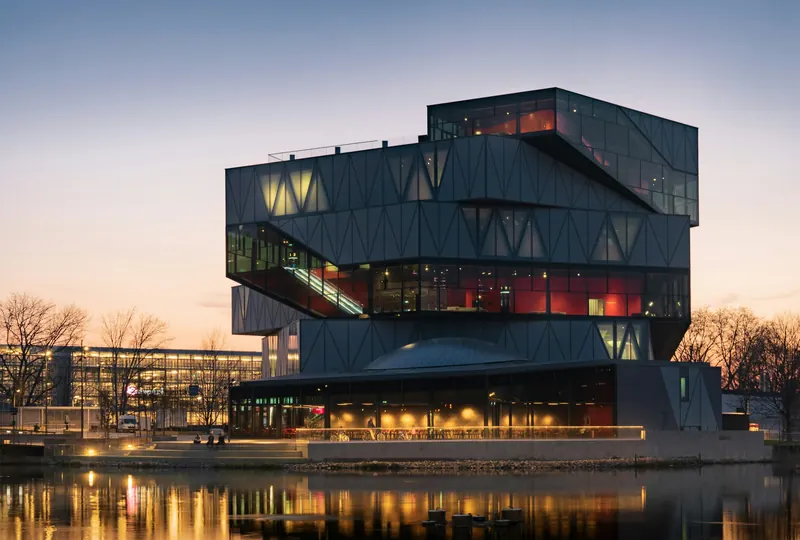 HeilbronnEnglish and German websites for Heilbronn's AI teams, campus spinoffs and suppliers, built to German rules.
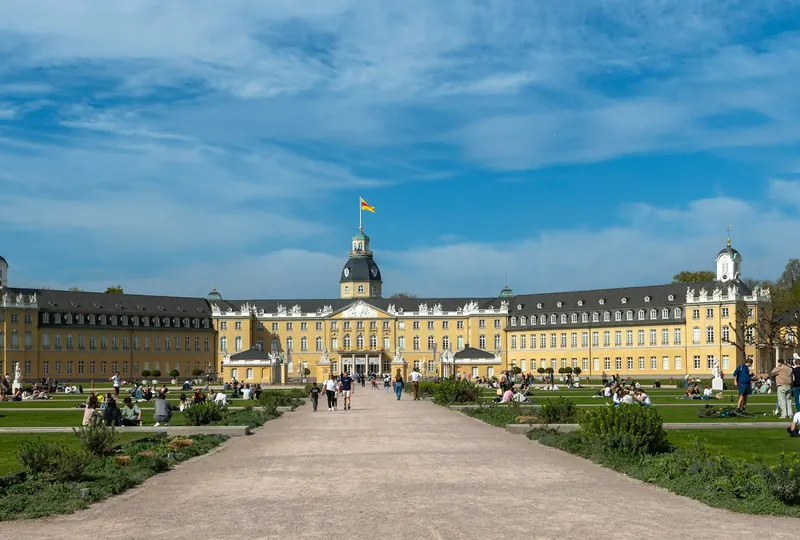 KarlsruheEnglish and German websites for Karlsruhe tech firms, research spinoffs and legal professionals, set up for German law.
 MannheimEnglish and German websites for Mannheim logistics firms, international teams and graduates turned founders, set up for German rules.
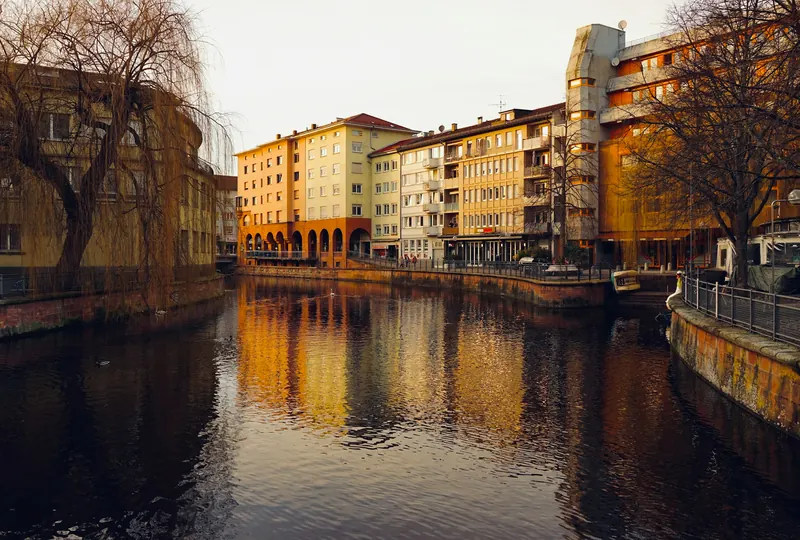 PforzheimEnglish and German websites for Pforzheim jewellery houses, precision engineering suppliers and international teams, built for German rules.
 ReutlingenEnglish and German websites for Reutlingen electronics suppliers, textile businesses, startups and expat founders, set up for German rules.
 StuttgartGerman and English websites for Stuttgart engineering firms, suppliers and international teams, built for German rules.
 UlmEnglish and German websites for Ulm suppliers, science park companies and international founders, built for German rules.
 BraunschweigEnglish and German websites for Braunschweig spin offs, engineering suppliers and international teams, set up for German legal requirements.
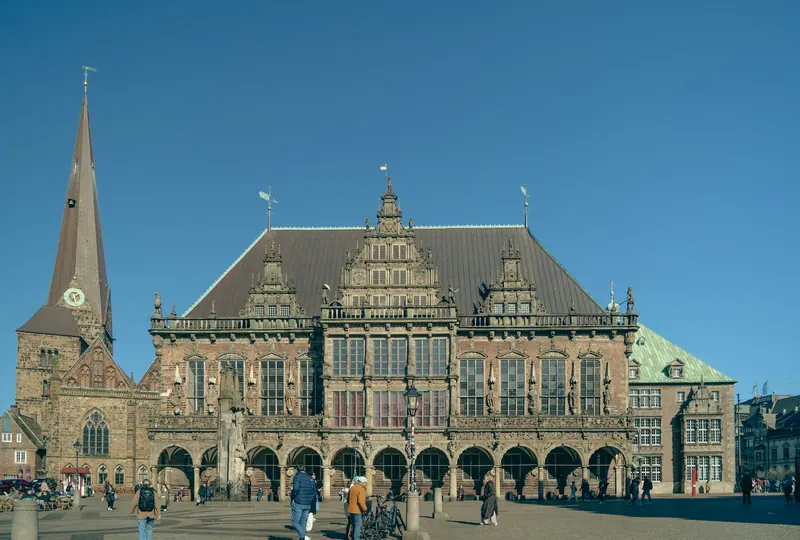 BremenEnglish and German websites for Bremen's aerospace, port and logistics companies, set up for German rules.
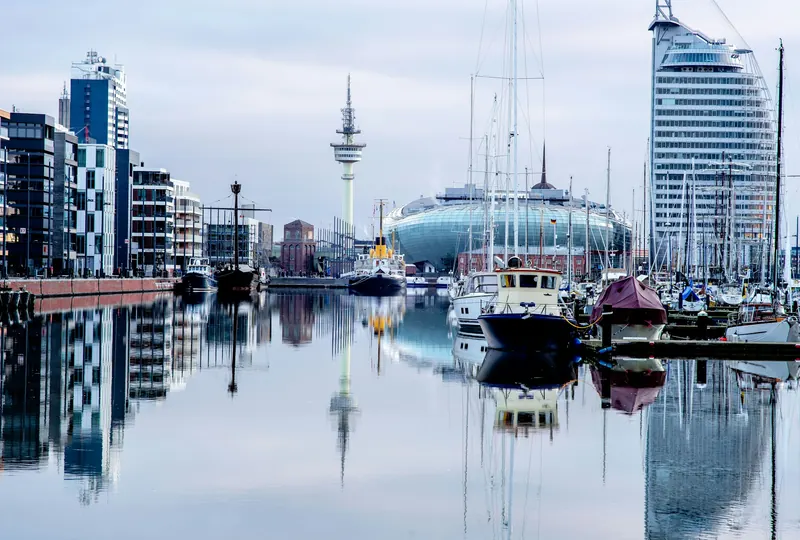 BremerhavenEnglish and German websites for Bremerhaven's port, logistics, seafood and research related businesses, built for German rules.
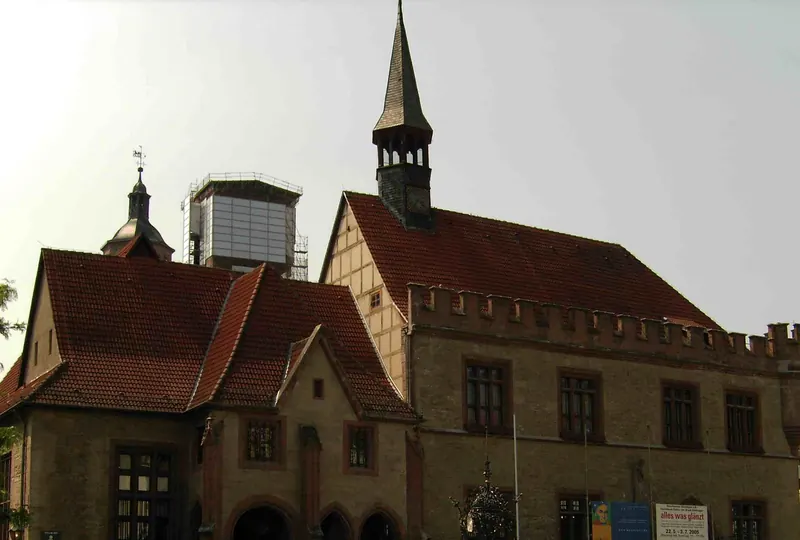 GöttingenEnglish and German websites for Göttingen suppliers, research spin offs and businesses serving students, set up for German legal requirements.
 HamburgEnglish and German websites for Hamburg trading firms, suppliers and international teams, set up for German legal requirements.
 HanoverEnglish and German websites for Hanover suppliers, insurers, exhibitors and international teams, set up to meet German requirements.
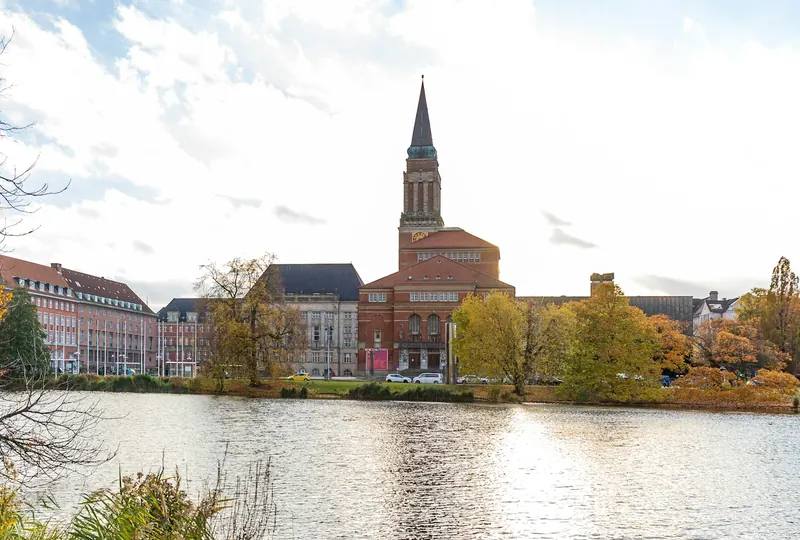 KielEnglish and German websites for Kiel's maritime suppliers, researchers, hosts and international teams, built to German rules.
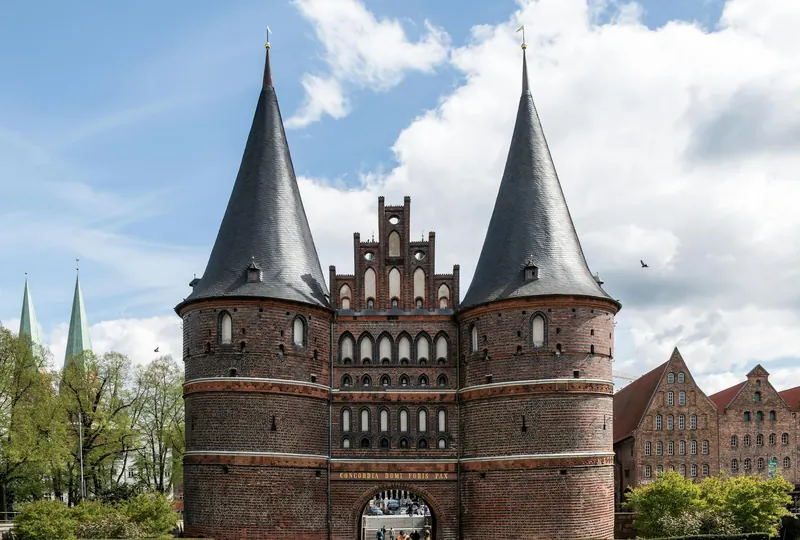 LübeckEnglish and German websites for Lübeck's port businesses, research spin-offs and hospitality, built for German rules.
 OldenburgEnglish and German websites for Oldenburg's energy, research and health businesses, set up for German rules from day one.
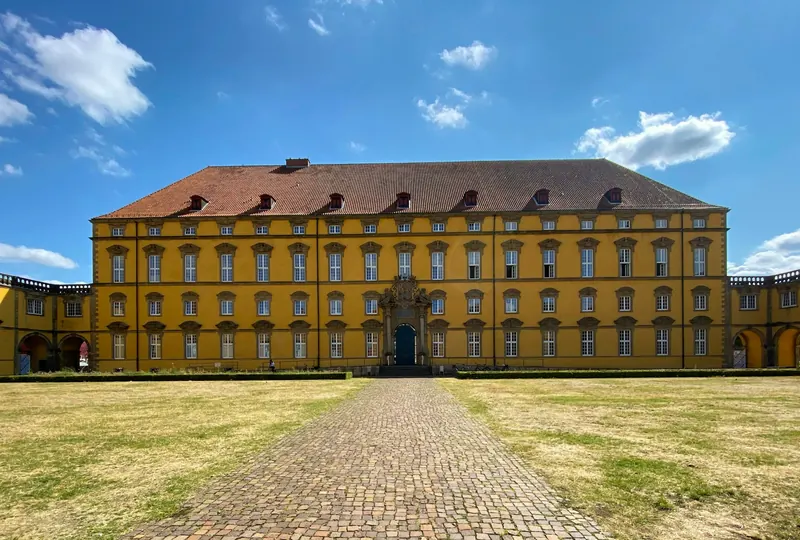 OsnabrückEnglish and German websites for Osnabrück logistics firms, agritech suppliers and manufacturers, built around German rules.
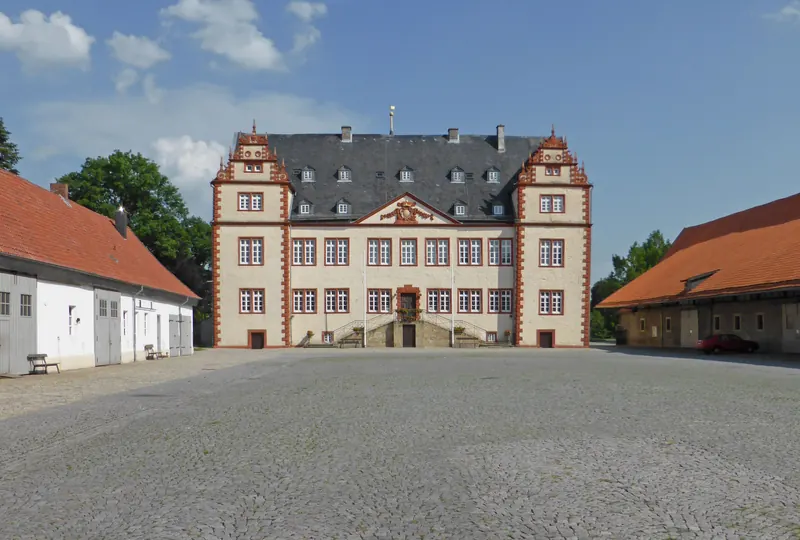 SalzgitterGerman and English websites for suppliers, engineers and service firms around Salzgitter's steel, engine, battery and rail plants.
 WolfsburgEnglish and German websites for suppliers, engineering teams and hosts in Volkswagen's home city, built to German rules.
 BerlinEnglish and German websites for Berlin startups, international teams and expat founders, set up for German rules.
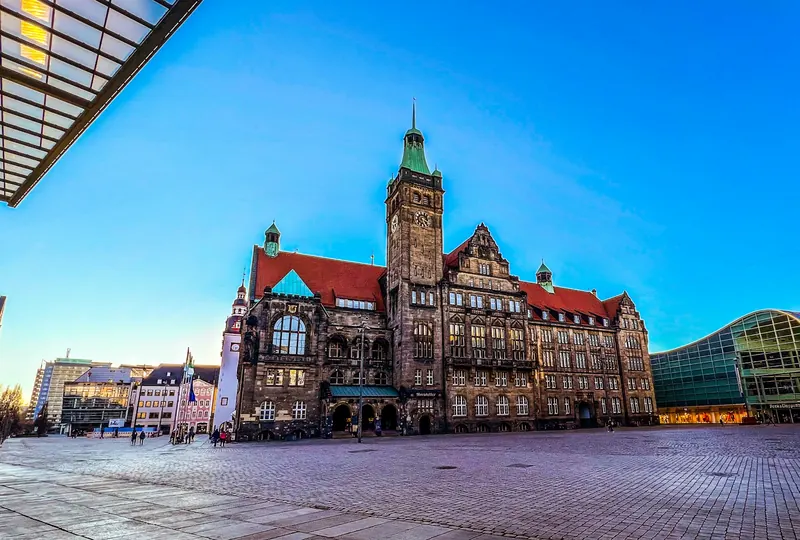 ChemnitzEnglish and German websites for Chemnitz suppliers, engineering firms and research spinoffs, built for German rules.
 DresdenEnglish and German websites for Dresden's chip suppliers, research spinoffs and visitor businesses, set up for German rules.
 ErfurtEnglish and German websites for Erfurt logistics companies, media producers and visitor businesses, set up for German law.
 HalleEnglish and German websites for Halle's science spinoffs, suppliers and visitor businesses, built to German legal standards.
 JenaEnglish and German websites for Jena's photonics firms, research spin-offs and international founders, set up for German rules.
 LeipzigEnglish and German websites for Leipzig logistics firms, suppliers and international teams, built for German rules.
 MagdeburgEnglish and German websites for Magdeburg companies, research spinoffs and expat run businesses, built for German rules.
 PotsdamEnglish and German websites for Potsdam's research spinouts, media companies and visitor businesses, built to German rules.
 RostockEnglish and German websites for Rostock's port, energy and tourism businesses, built for German rules.
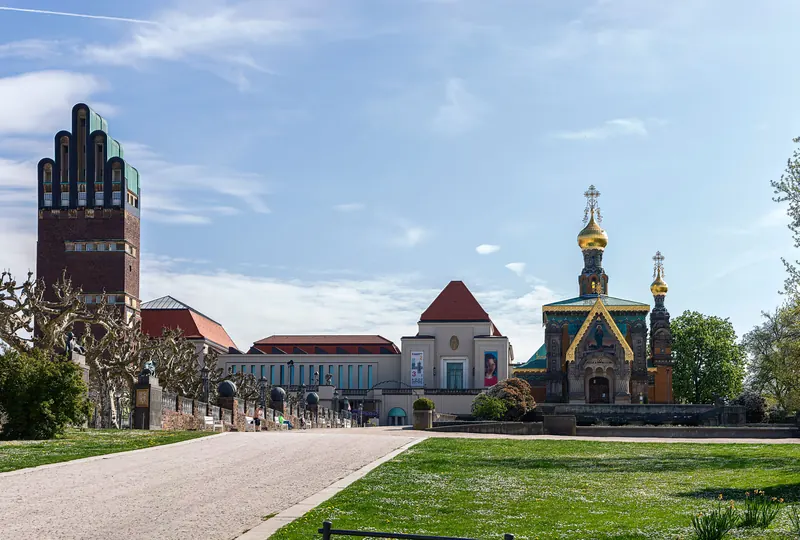 DarmstadtEnglish and German websites for Darmstadt's research spin-offs, tech companies and international founders, built for German rules.
 FrankfurtEnglish and German websites for Frankfurt's finance, trade fair and international businesses, set up for German rules.
 KaiserslauternEnglish and German websites for Kaiserslautern research teams, engineering firms and international founders, built for German rules.
 KasselEnglish and German websites for Kassel suppliers, research spinoffs and hospitality businesses, set up for German rules.
 KoblenzEnglish and German websites for Koblenz hospitality, suppliers to large employers and international newcomers, built for German rules.
 LudwigshafenEnglish and German websites for Ludwigshafen suppliers, logistics firms and international teams, built to German rules.
 MainzEnglish and German websites for Mainz's biotech suppliers, research spin-offs and international firms, built for German rules.
 OffenbachEnglish and German websites for Offenbach brands, design studios and industrial suppliers, built for German rules and Rhine Main buyers.
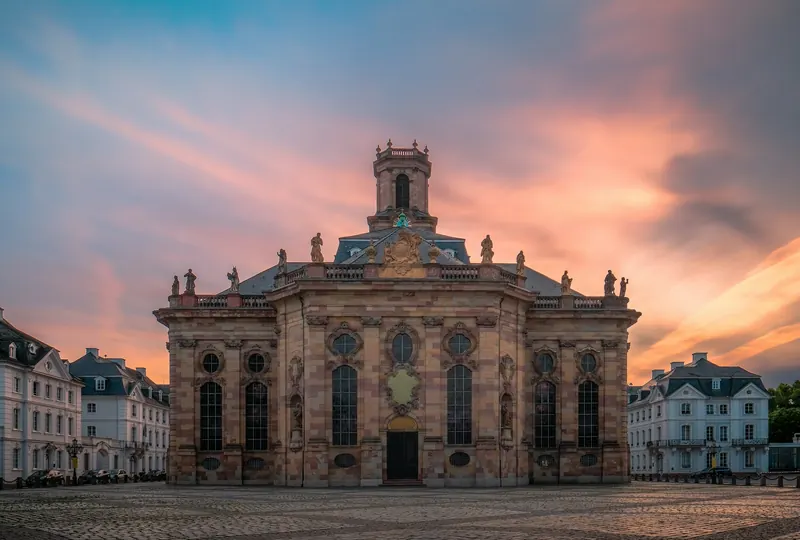 SaarbrückenEnglish, German and French websites for Saarbrücken's computer science spin-offs, cross-border businesses and international teams.
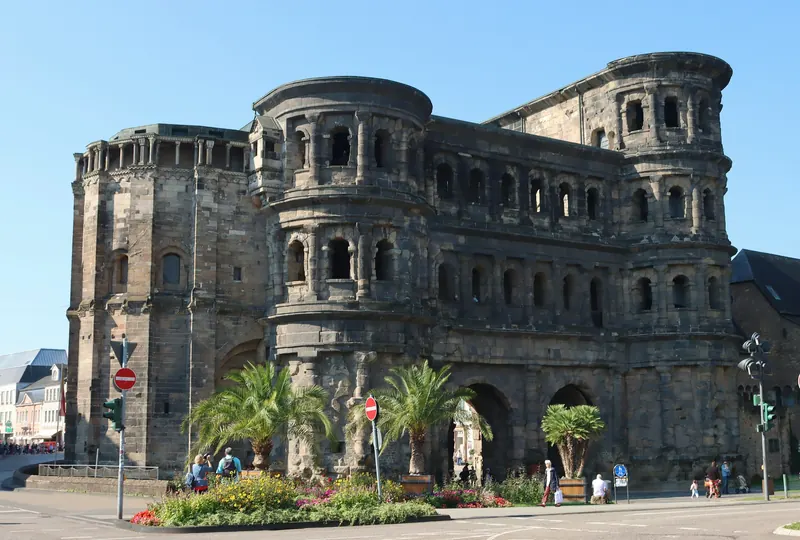 TrierGerman first, English and French where they pay off: websites for companies in Trier, the Roman city on the Luxembourg border.
 WiesbadenEnglish and German websites for Wiesbaden's insurance, health, hospitality and industrial service firms, set up for German rules.
 LondonFast websites for London firms, trades, clinics and hospitality, written in British English and set up for UK rules.
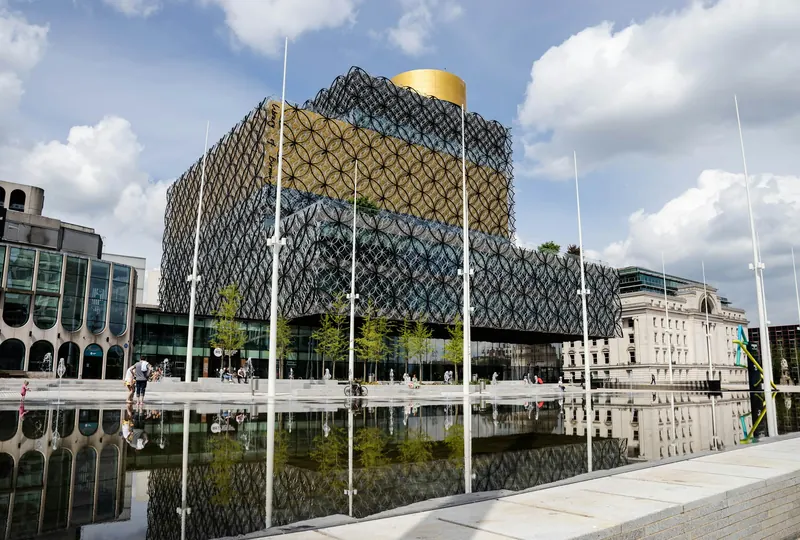 BirminghamFast, mobile first websites for Birmingham firms, Jewellery Quarter makers and NEC suppliers, built around UK disclosure and cookie rules.
 CoventryWebsites for Coventry engineering suppliers, landlords near the universities and local trades, built to UK disclosure and cookie rules.
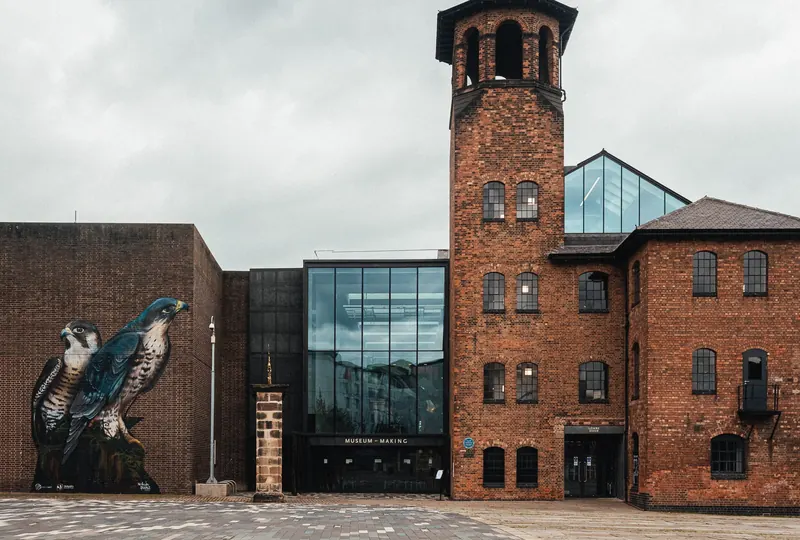 DerbyWebsites for Derby engineering suppliers, rail contractors, trades and Cathedral Quarter independents, built to win the enquiry.
 HerefordWebsites for Hereford manufacturers, farms, food producers, guest houses and builders that reach customers across rural Herefordshire, with UK privacy rules handled properly.
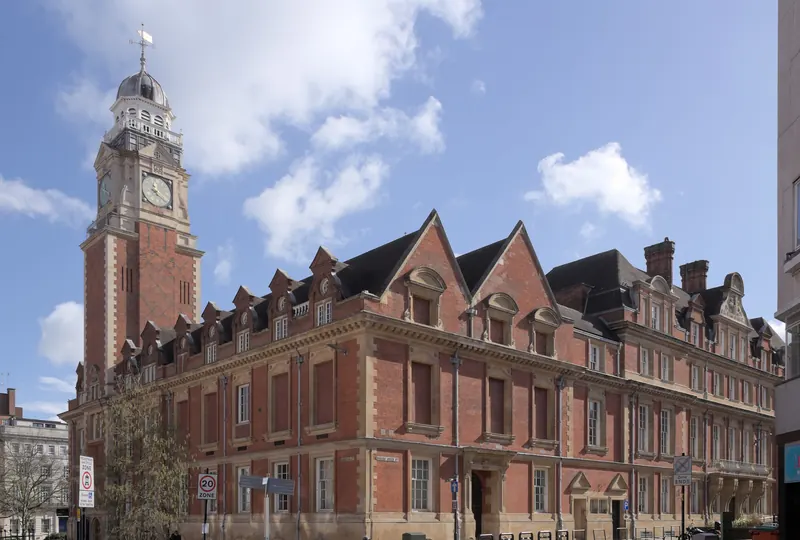 LeicesterWebsites for Leicester engineering suppliers, Belgrave Road retailers and student facing firms, ready for Diwali weeks and term time.
 LichfieldClear, mobile first websites for Lichfield hospitality, logistics, construction and professional service firms across the city, Burntwood and the surrounding villages.
 LincolnClear, fast websites for Lincoln machine shops, agri food companies, student facing services and Bailgate businesses, set up for UK privacy and cookie rules.
 NottinghamWebsites for Nottingham health and beauty suppliers, Lace Market and Hockley independents and student facing firms, ready for Goose Fair and Freshers.
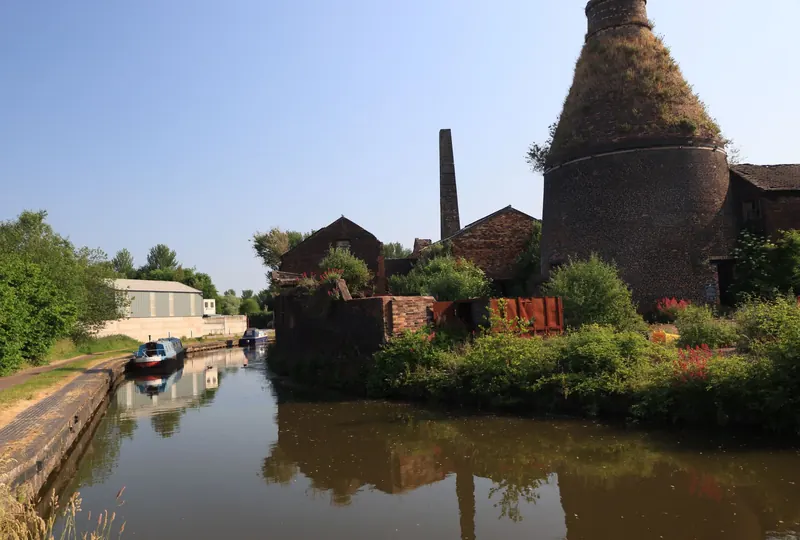 Stoke-on-TrentWebsites for Stoke-on-Trent potteries, ceramics suppliers, A500 manufacturers and the cafés and guest houses that welcome pottery visitors.
 WolverhamptonWebsites for Wolverhampton engineering suppliers, contractors and trades, with capability pages, project galleries and UK disclosure rules covered.
 WorcesterClear, fast websites for Worcester heating engineers, trades, logistics firms, clinics and independent shops, with UK privacy and cookie rules handled from day one.
 BradfordMobile first websites for Bradford tutors, venues, food and packaging suppliers and independent retailers, built around UK privacy rules.
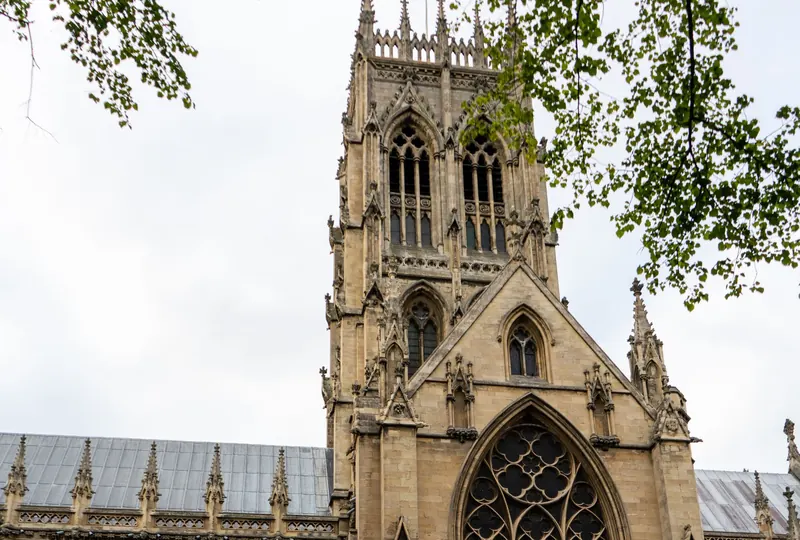 DoncasterClear, fast websites for Doncaster hauliers, warehouse operators, trades and guesthouses that need to be found across a wide borough.
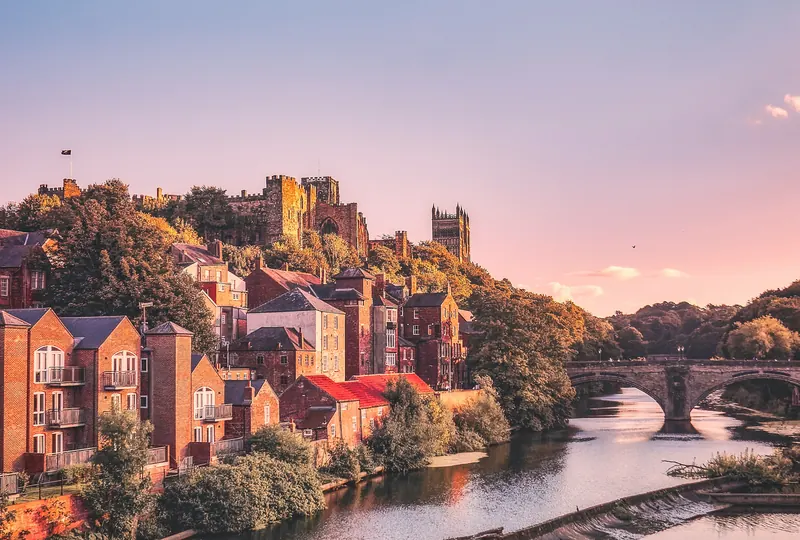 DurhamWebsites for Durham lettings agents, guest houses, cafés, tutors and science firms, planned around the academic year and built for UK privacy rules.
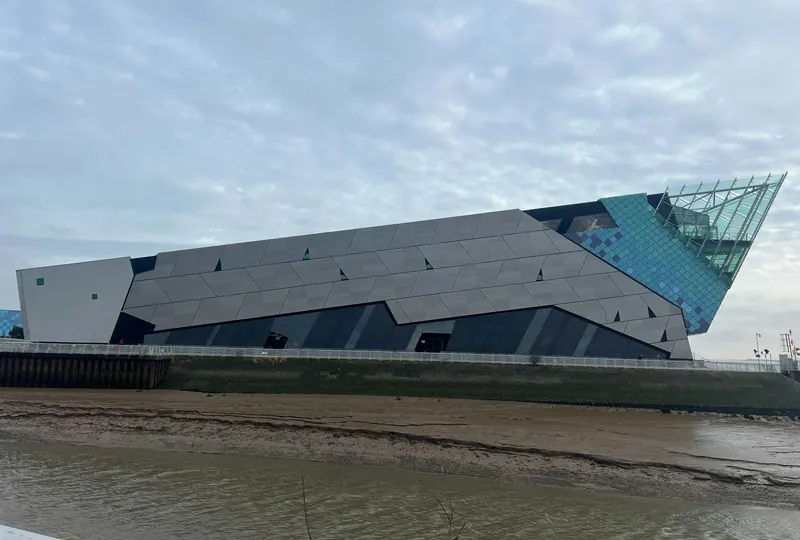 HullFast, clear websites for Hull freight firms, offshore wind suppliers, cafes and guesthouses that want to win customers in a compact, busy city.
 LeedsFast, well structured websites for Leeds accountants, solicitors, clinics, trades and independents, set up for UK privacy rules.
 Newcastle upon TyneFast, clearly structured websites for Newcastle clinics, startups, independents and trades, set up for UK privacy and cookie rules.
 RiponFast, mobile first websites for Ripon guest houses, cafés, farm shops, market traders, estate agents and builders, set up for UK privacy and cookie rules.
 SheffieldClear, fast websites for Sheffield engineering suppliers, makers, trades and independents, set up for UK privacy and cookie rules.
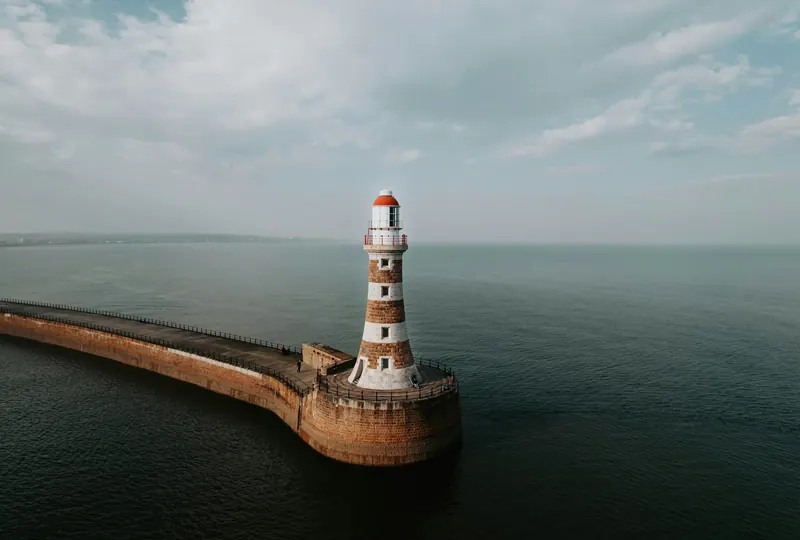 SunderlandClear, quick websites for Sunderland and Washington suppliers, builders, creative studios and independents, ready for UK privacy and cookie rules.
 WakefieldQuote ready websites for Wakefield hauliers, warehouse operators, growers, cafés and trades, built around UK privacy rules.
 YorkPhoto led, fast websites for York hotels, attractions, cafés, independent retailers and specialist suppliers, built around UK privacy and cookie rules.
 CarlisleQuick, enquiry focused websites for Carlisle businesses: food manufacturing suppliers, farm merchants, border hauliers and guest houses on the Hadrian's Wall route.
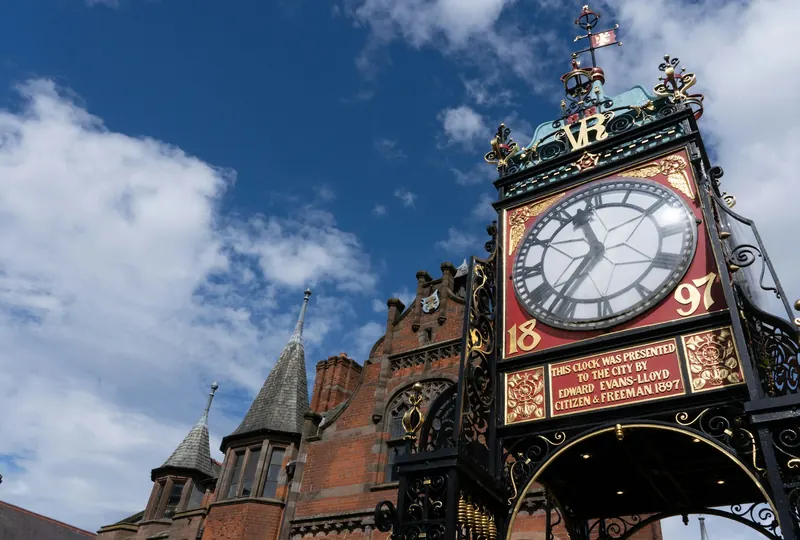 ChesterWebsites for Chester independents, guest houses, clinics and firms supplying the city's banks and insurers: quick on a phone, clear on what to do next.
 LancasterFast, enquiry led websites for Lancaster district firms: Irish Sea hauliers, student landlords, energy sector contractors and Morecambe guest houses.
 LiverpoolFast, clear websites for Liverpool shipping firms, clinics, hotels and trades, built for UK rules and searches across the city region.
 ManchesterFast websites for Manchester firms, practices and venues, built around UK rules and the way people search across the city.
 PrestonWebsites for Preston builders, student landlords, engineering suppliers and clinics, written for the families, students and buyers who search for them.
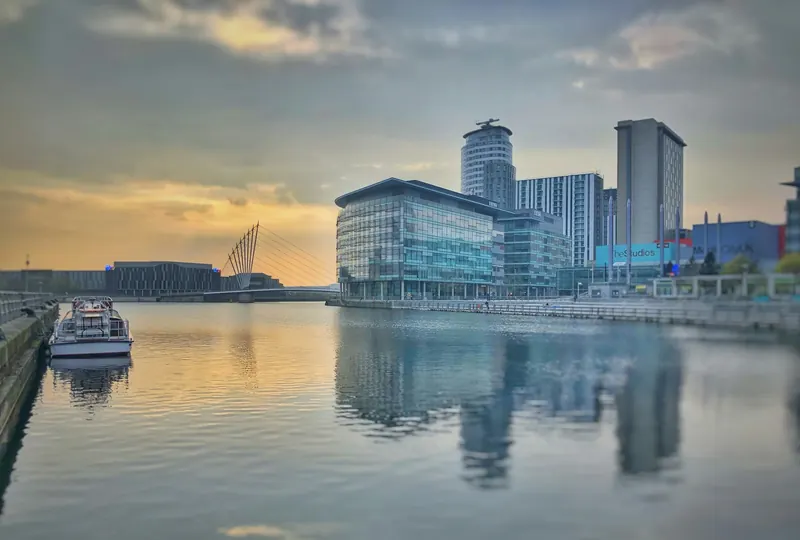 SalfordFast, trustworthy websites for Salford letting agents, trades, clinics and creative studios, written for people who are new to the city.
 BathPhoto led, quick websites for Bath's guest houses, wellness practices, creative studios and independent shops, built for UK rules and the way visitors search on a phone.
 BristolClear, quick websites for Bristol engineers, studios, practices and founders, set up for UK rules and for searches by Bristol area.
 ExeterClear, quick websites for Exeter's science park firms, student facing services, clinics and businesses around the Cathedral, built for UK rules and local search.
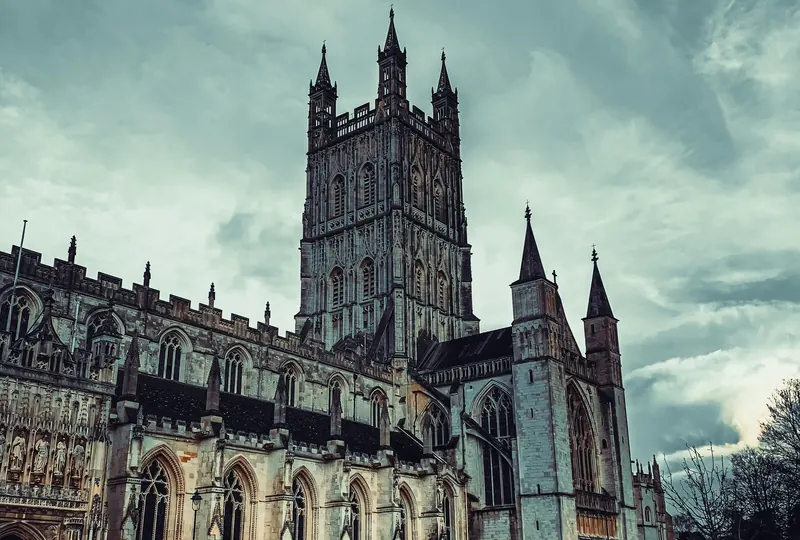 GloucesterFast, honest websites for Gloucester engineering suppliers, waterfront cafés, tour guides, trades and independent retailers, built around UK privacy and cookie rules.
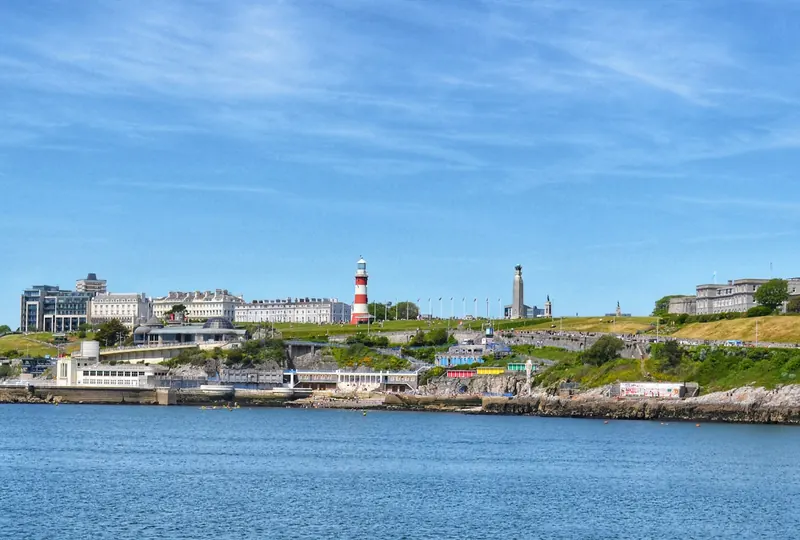 PlymouthClear, quick websites for Plymouth's dockyard suppliers, marine science startups and waterfront businesses, set up for UK rules and local search.
 SalisburyClear, mobile first websites for Salisbury guesthouses, market traders, home improvement firms and science businesses around Porton Down.
 TruroClear, quick websites for Truro's clinics, hospital suppliers, firms bidding for council work and the independent shops and guest houses around the Cathedral and Lemon Quay.
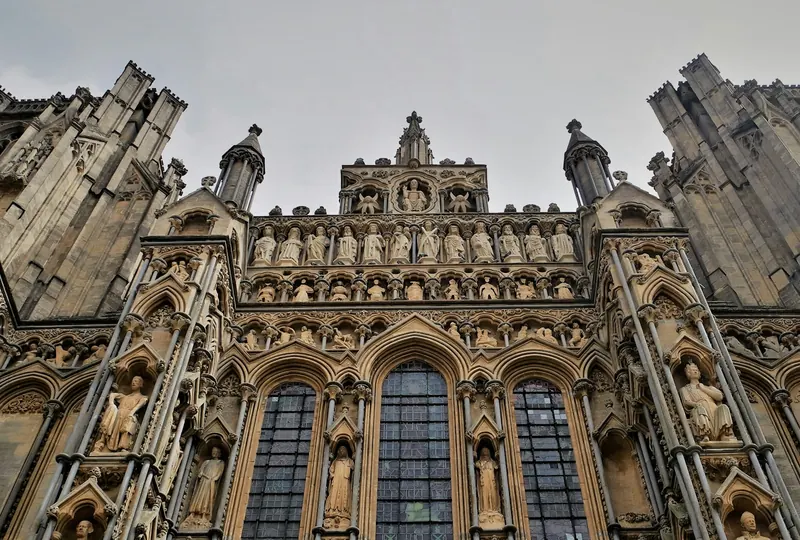 WellsWebsites for guest houses, charter market traders, music teachers and holiday lets in Wells and the villages at the foot of the Mendip Hills.
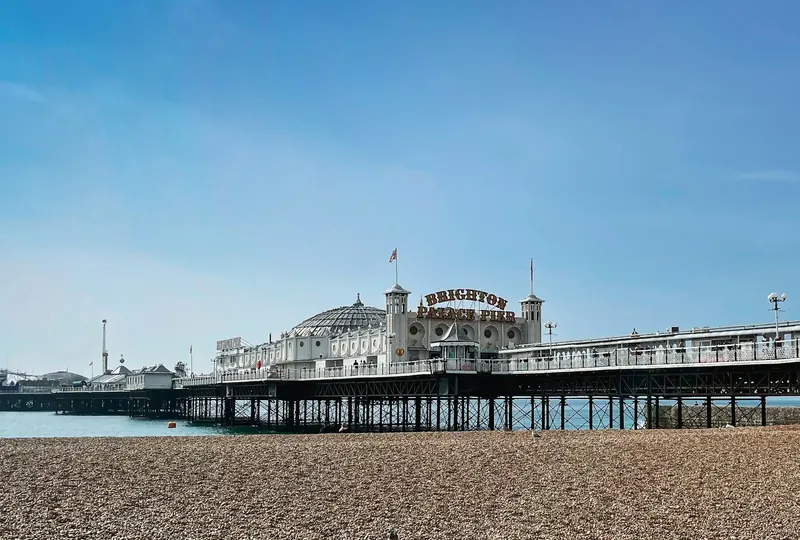 Brighton and HoveWebsites for Brighton and Hove cafés, guest houses, studios and agencies, ready for summer crowds, festival weeks and searches by neighbourhood.
 CanterburyWebsites for Canterbury, Whitstable and Herne Bay businesses that serve cathedral visitors, students and coastal holidaymakers, built mobile first.
 ChichesterClear, quick websites for Chichester guest houses, restaurants, suppliers to growers and Goodwood, trades and professional practices across the city and harbour villages.
 Milton KeynesWebsites for Milton Keynes logistics operators, engineering suppliers and home service firms, built around UK disclosure and cookie rules.
 OxfordWebsites for Oxford guesthouses, tutors, student services, manufacturing suppliers and science startups, built around UK disclosure and cookie rules.
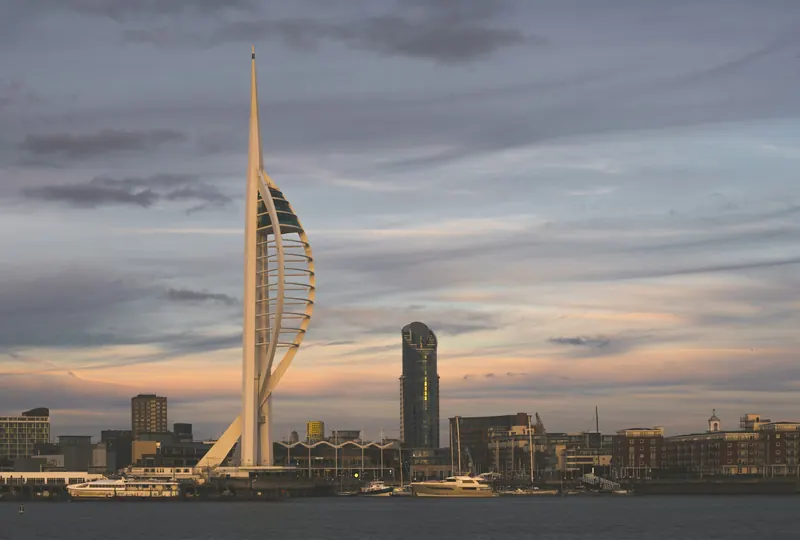 PortsmouthWebsites for Portsmouth freight forwarders, marine engineers, guest houses and letting agents, written for ferry traffic, students and Southsea visitors.
 SouthamptonWebsites for Southampton freight forwarders, cruise hotels, marine suppliers and city firms, built for quote requests and sailing day searches.
 WinchesterClear, accessible websites for Winchester B&Bs, professional practices, farm businesses and independent shops across the city and its market towns.
 CambridgeWebsites for Cambridge spinouts, life science suppliers, clinics and student facing firms, written for expert readers and UK disclosure rules.
 ChelmsfordWebsites for Chelmsford solicitors, clinics, trades and electronics suppliers, with UK company details, cookie consent and fast pages for commuters.
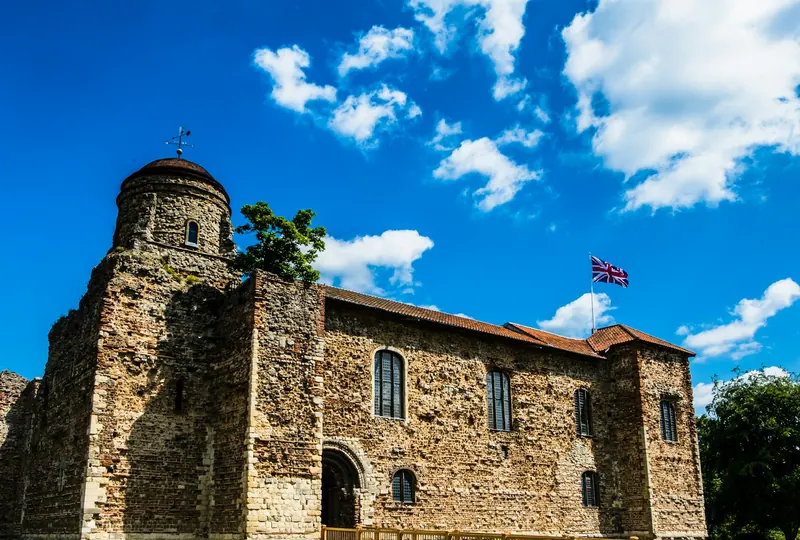 ColchesterWebsites for Colchester hospitality, tutoring, trades and professional firms, written for visitors, students and local households alike.
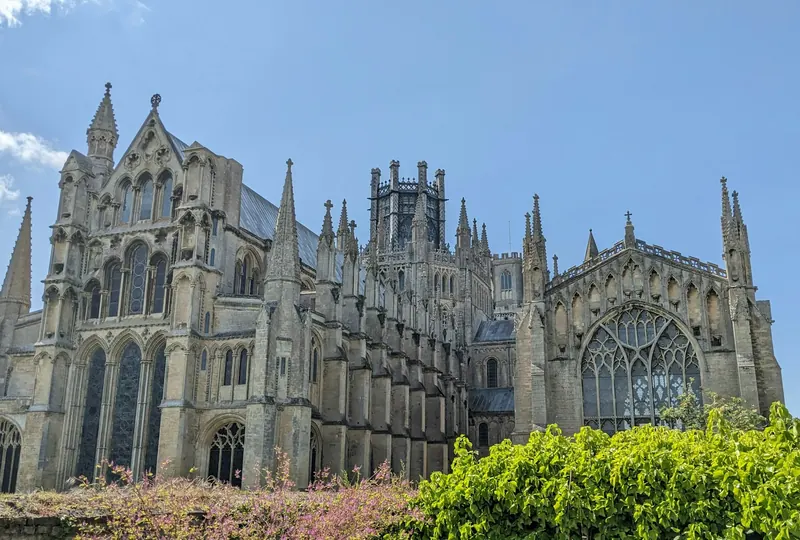 ElyWebsites for Ely guesthouses, cafes, market stalls, farm suppliers and consultancies, written for well informed readers and UK disclosure rules.
 NorwichWebsites for Norwich advisers, brokers, research spinouts, creative studios and guest houses, written for the people who actually search for them.
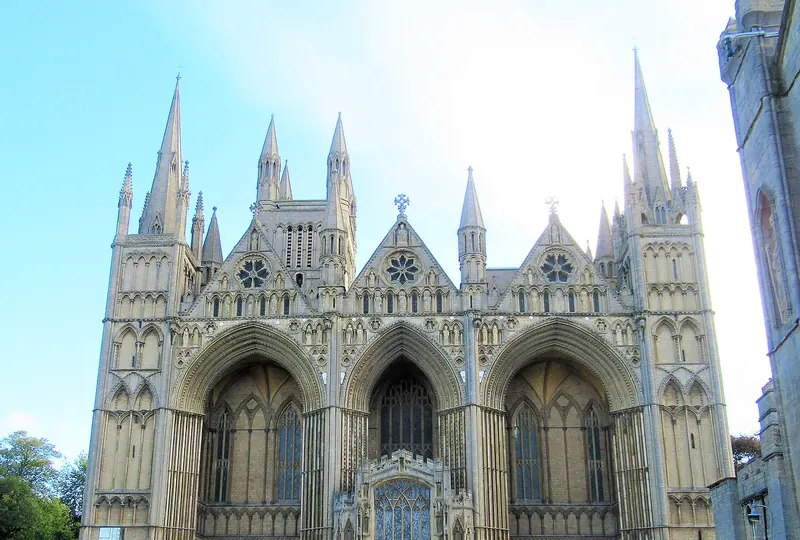 PeterboroughWebsites for Peterborough hauliers, engineering subcontractors, food producers and building firms, planned around how their buyers actually search.
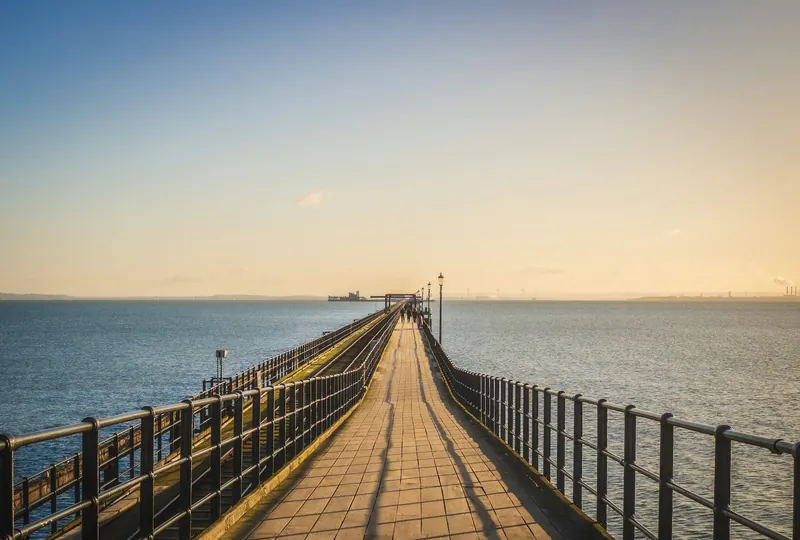 Southend-on-SeaWebsites for Southend-on-Sea seafront cafés, guest houses, trades, salons and clinics, shaped around neighbourhood searches and the summer season.
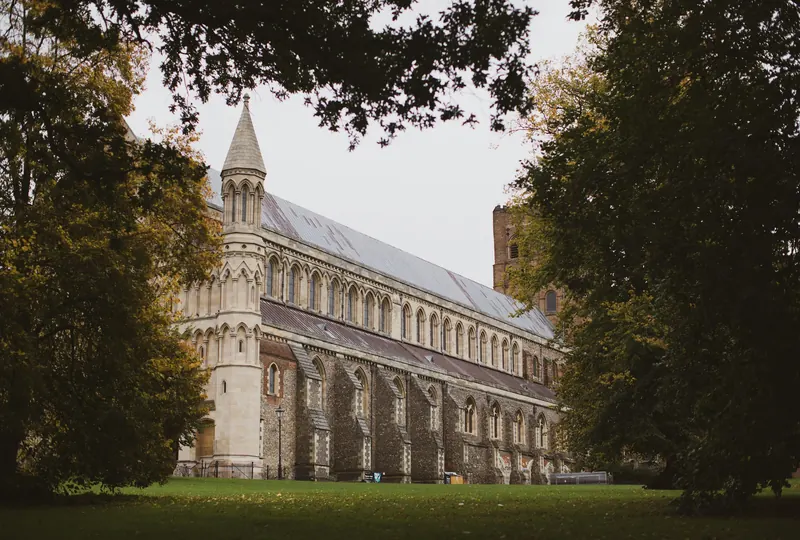 St AlbansWebsites for St Albans and Harpenden nurseries, tutors, advisers, trades and independent shops, built around UK disclosure and cookie rules.
 BostonAccessible websites for Boston practices, accounting and advisory firms, lab suppliers and hospitality businesses, planned around neighborhood searches.
 New YorkFast, accessible websites for New York firms, practices and startups, planned around how people search across the five boroughs.
 PhiladelphiaAccessible, fast websites for Philadelphia practices, education businesses, suppliers and visitor businesses, planned around neighborhood searches.
 DenverFast, accessible websites for Denver hotels, rentals, real estate teams, home service trades and trade show suppliers, built around Mile High search habits.
 Las VegasWebsites for Las Vegas exhibit builders, event staffing firms, hotel suppliers, clinics and warehouses, timed to the show calendar and valley search habits.
 Los AngelesFast, accessible sites for Los Angeles studios, importers, clinics and hospitality brands, built around how Angelenos search.
 PhoenixFast, accessible websites for Phoenix contractors, industrial suppliers, hotels and clinics, planned around Valley search habits and US rules.
 San DiegoAccessible, fast sites for San Diego clinics, biotech suppliers, hotels and service firms, with Spanish where your customers need it.
 San FranciscoWebsites for San Francisco hospitality, event and B2B firms that speak to tourists, convention guests and corporate buyers without mixing them up.
 San JoseFast, accessible websites for San Jose software vendors, startups and local firms, written for buyers who read the fine print.
 SeattleFast, accessible websites for Seattle retailers, software teams, clinics and visitor businesses, built for buyers who shop on their phones.
 ChicagoFast, accessible websites for Chicago freight companies, contractors, exhibitors and professional firms, with quote flows that work on a phone.
 AtlantaWebsites for Atlanta freight forwarders, payments and software startups, film production suppliers and neighborhood businesses, planned around US rules.
 AustinProduct sites for Austin startups and SaaS teams, plus clear, accessible websites for the engineering firms and local services around them.
 DallasWebsites for Dallas wholesale brands, suppliers to corporate headquarters and neighborhood businesses, planned around Texas and US rules.
 HoustonFast, accessible websites for Houston energy suppliers, logistics firms, clinics and contractors, built with US and Texas rules in mind.
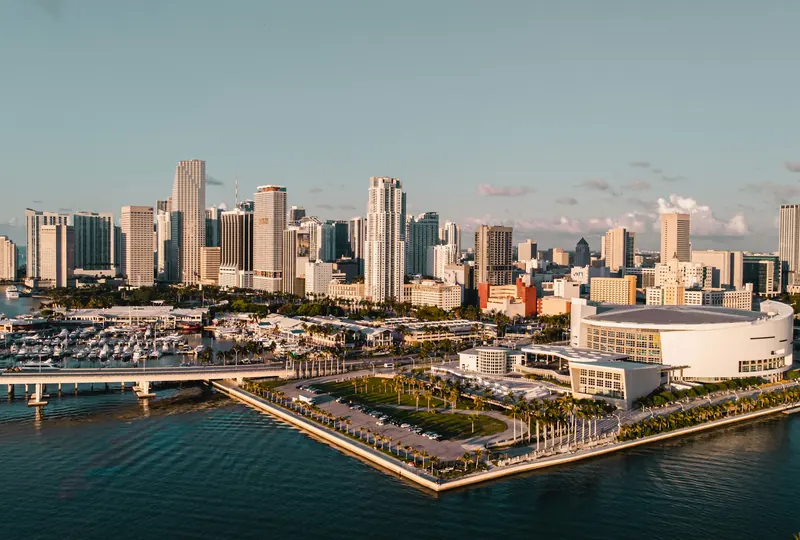 MiamiEnglish and Spanish websites for Miami real estate firms, hospitality operators, Latin America exporters and clinics, built with Florida rules in mind.
 NashvilleWebsites for Nashville clinics, health care vendors, recording studios and hospitality businesses that need to earn trust from patients, buyers and visitors.
 OrlandoVisitor ready websites for Orlando vacation rentals, tour and transfer companies, trade show exhibitors and clinics, built to load fast on a traveler's phone.
 Washington, D.C.Accessible, credible websites for D.C. consultancies, associations, federal contractors, schools and hospitality, planned for the people who vet them.
 CorkWebsites for Cork trades, harbour suppliers, clinics and visitor businesses, built for Irish privacy and accessibility rules.
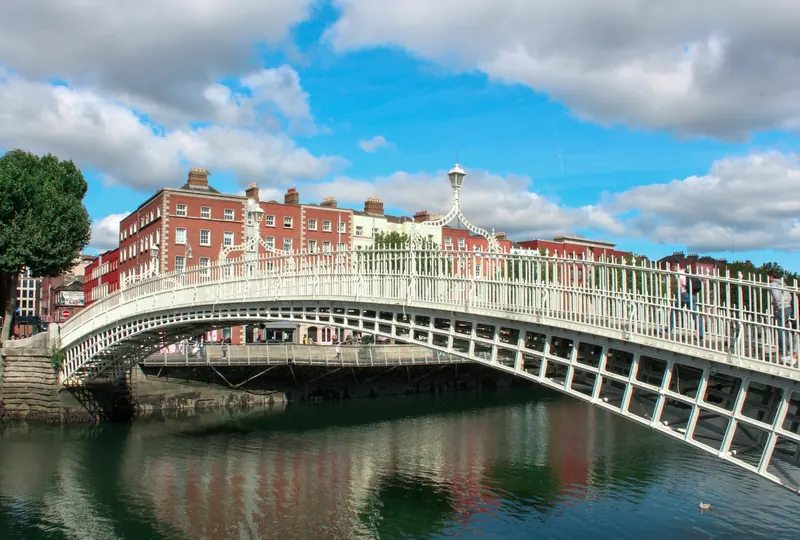 DublinFast websites for Dublin firms, from Docklands suppliers to suburban trades, built around GDPR and Irish cookie rules.
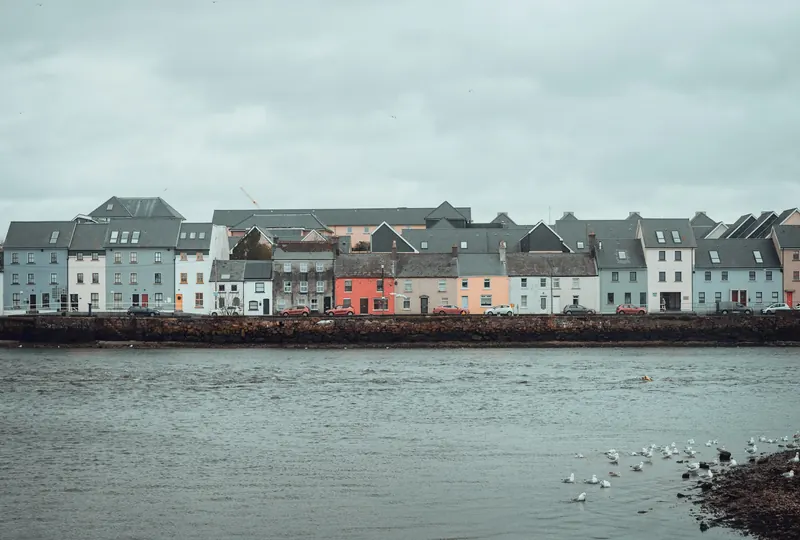 GalwayFast websites for Galway firms, from medtech suppliers to guesthouses, built around Irish data protection and accessibility rules.
 KilkennyPhoto led websites for Kilkenny makers, guesthouses, food suppliers and port businesses, set up for Irish privacy and accessibility rules.
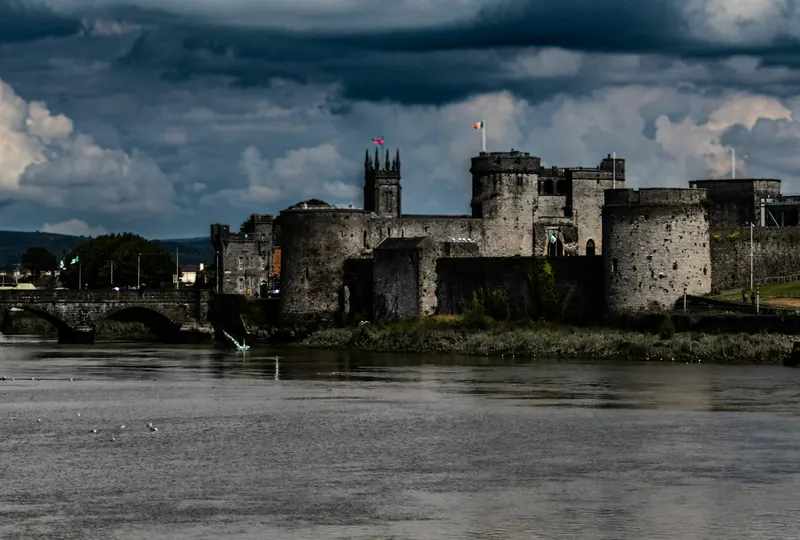 LimerickWebsites for Limerick firms on the Shannon: suppliers to manufacturers, logistics, trades and visitor businesses, built for Irish rules.
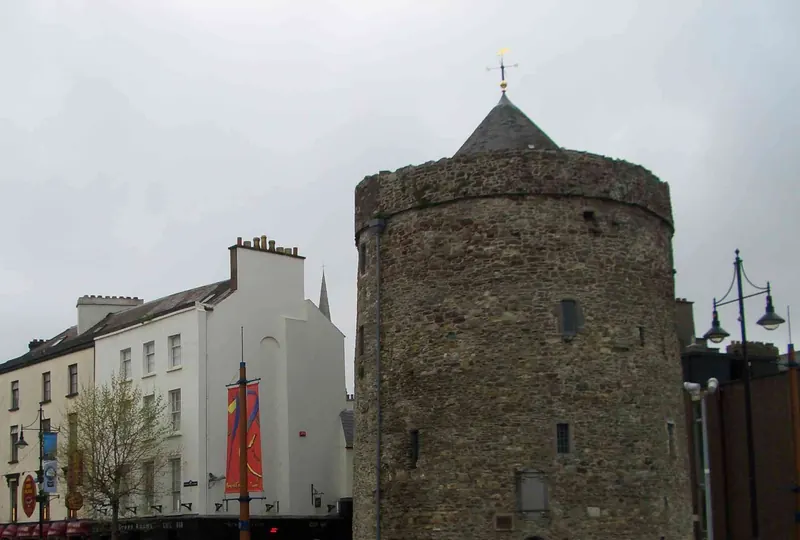 WaterfordWebsites for firms in Ireland's oldest city: suppliers to the Suir valley plants, hauliers, trades and visitor businesses, built to Irish rules.
 CalgaryWebsites for Calgary energy suppliers, contractors and service firms, organized by quadrant and set up for Alberta privacy rules.
 EdmontonWebsites for Edmonton contractors, industrial suppliers and service firms, organized for Alberta privacy rules and neighbourhood search.
 OttawaEnglish and French websites for Ottawa businesses, built for Ontario's accessibility rules and local search across the capital.
 TorontoFast, accessible websites for Toronto clinics, professional firms, trades and startups, organized for neighbourhood search across the GTA.
 VancouverFast websites for Vancouver traders, studios, tourism operators and service firms, set up for BC privacy rules.
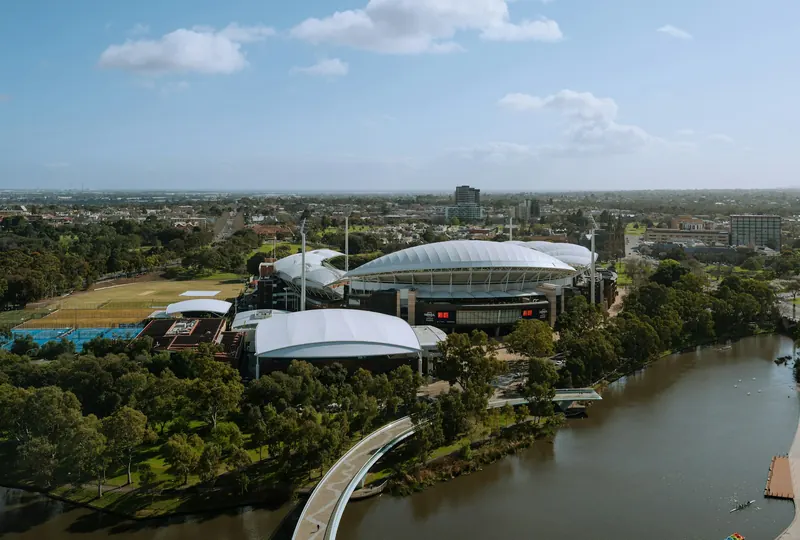 AdelaideWebsites for Adelaide trades, engineering suppliers, festival venues and tech startups, written for local searches and procurement teams.
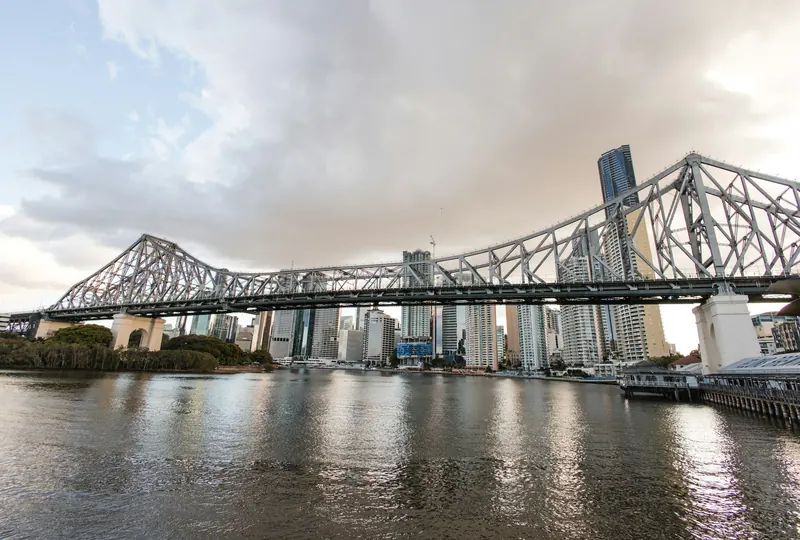 BrisbaneWebsites for Brisbane clinics, tradies, freight firms and practices, built for suburb searches and Australian privacy rules.
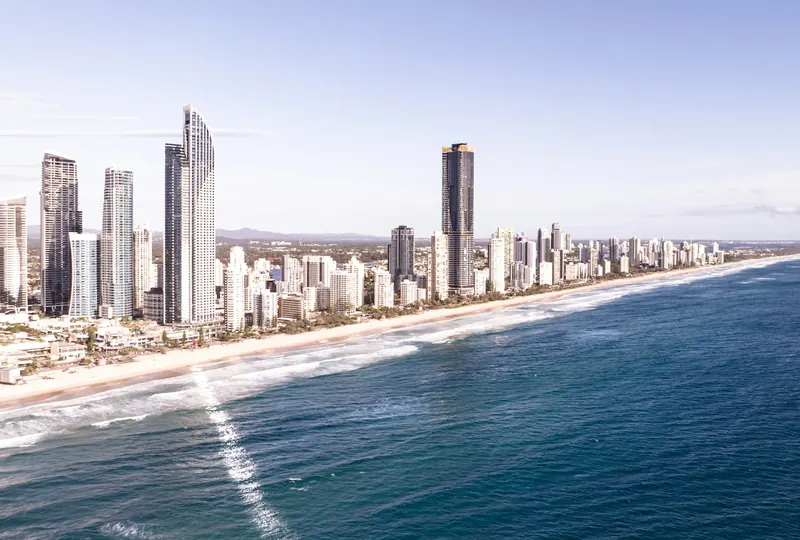 Gold CoastWebsites for Gold Coast tourism operators, clinics, agents and tradies that work for visitors and locals alike, from Coomera to Coolangatta.
 MelbourneFast websites for Melbourne trades, importers, clinics and education providers, written for suburb searches and Australian rules.
 PerthWebsites for Perth suppliers, builders, tradies and colleges, written for procurement teams, suburb searches and Australian rules.
 SydneyWebsites for Sydney advisers, clinics, trades and importers, planned around harbour city search habits and Australian consumer rules.
 AucklandFast, mobile first websites for Auckland trades, importers, clinics and hospitality firms, set up for suburb searches and New Zealand rules.
 WellingtonFast, accessible websites for Wellington consultancies, studios, hospitality and trades, set up around New Zealand privacy and consumer law.
Let us plan a site for your industry together. Write to us
Related services
Next project
Your brief goes straight to Talha Aslan and team: strategy led by Talha, delivery by an experienced team. We reply the same day and send the scope, timeline and price as a written quote within 1 business day.
Start a Project
Thanks {name}, we've received your brief. We usually reply within the same day.
What happens next?