This guide is for international companies, startups, consultancies and service firms in Frankfurt that are planning a new website or replacing one that no longer fits. It covers the web design Frankfurt businesses tend to need in practice: sites that convince an English speaking client and a German partner on the same visit, follow German law and still load fast on a phone at the airport.
We, Talha Aslan and team, arranged the topics in the order they come up during a project. Each section ends in something you can check, decide or ask an agency. The legal parts are general information; have your final texts reviewed by a German lawyer (Rechtsanwalt).
01What Frankfurt's Economy Asks of a Company Website
In Frankfurt, a company website is usually checked by someone who already knows the market well, so it has to prove competence within seconds. According to the Hessian State Statistical Office, the city generated 95.4 billion euros of GDP in 2024, more than four times Wiesbaden at 22.6 billion and almost six times Darmstadt at 16.2 billion. Output per resident reached 126,718 euros, the highest in Hesse.
That concentration means your visitors are often professionals: procurement teams at banks, partners at law firms, relocation managers, trade fair buyers. Helaba's financial center study counted about 70,700 bank employees in the city in early 2024, and many of them review suppliers online before any call. Before design starts, decide which of these jobs your site does first:
- Win business clients: show services, team, sectors served and a named contact person a buyer can verify without phoning.
- Book meetings: a short form or calendar link for discovery calls, with the time zone stated clearly.
- Support a German entity: give the local subsidiary of a foreign group a credible German face with full company details.
- Hire talent: a careers page that explains the team, the language used at work and how long the process takes.
Rank these jobs in writing. Whatever comes first gets the top of the mobile home page and the first menu item; everything else earns space only if it supports one of them.
02How People Search in Frankfurt: Districts, Fairs, Arrivals
Frankfurt searches tend to carry a district, an event or an arrival in them, and each pattern needs a different page. Local searches pair a service with a Stadtteil: "physiotherapy Westend", "tax adviser Sachsenhausen", "coworking Ostend", "English speaking dentist Bockenheim". On phones, "near me" is common and the map pack appears first, so your Google Business Profile matters as much as the page itself.
Three other patterns are specific to the city:
- Trade fair weeks: Messe Frankfurt hosts Automechanika, Light + Building, ISH, Ambiente and Christmasworld, and the Frankfurter Buchmesse uses the same grounds. Exhibitors search in English for stand builders, interpreters, caterers and shuttle services weeks before opening day.
- Arrivals: Frankfurt Airport handled about 61.6 million passengers in 2024, according to Fraport. Searches like "airport transfer Frankfurt" or "freight forwarder Frankfurt airport" come from people who often do not read German.
- Relocation: new hires at banks and international firms look for apartments, schools, doctors, tax help and language courses, usually in English and often from abroad.
Even a search for web design Frankfurt shows this split: some results target local shops, others target international firms. Test your own top five service terms twice on a phone, once with a district and once with "Frankfurt", and note what appears above the organic results: maps, ads, directories or company sites. That tells you which page type you need to compete.
03Hiring a Web Team Outside Germany Without the Usual Risks
A team outside Germany works well when every decision is written down and every stage is visible; distance itself is rarely the problem. Talha Aslan and team work from Istanbul and run projects in Germany fully online. Istanbul is one hour ahead of Frankfurt in summer and two hours in winter, so working hours overlap for most of the day.
When you compare web design Frankfurt offers, local or remote, ask every provider the same questions and keep the answers with the quote:
- Preview access: Can you open each stage on a staging address on your own phone, rather than looking at static screenshots?
- German copy: Who writes or edits the German pages, and does a native speaker proofread before launch?
- Response times: Which channel do you use, how fast are questions answered, and who sends meeting notes?
- Live work: Can you open sites the team built that are online today and test speed, forms and language switching yourself?
- Handover: What exactly do you receive at the end: accounts, files, documentation, a training recording?
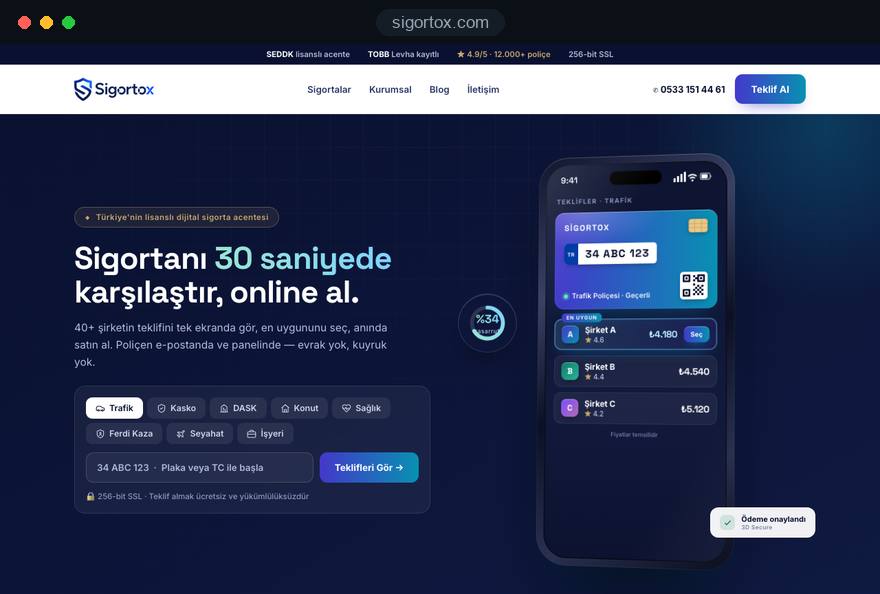
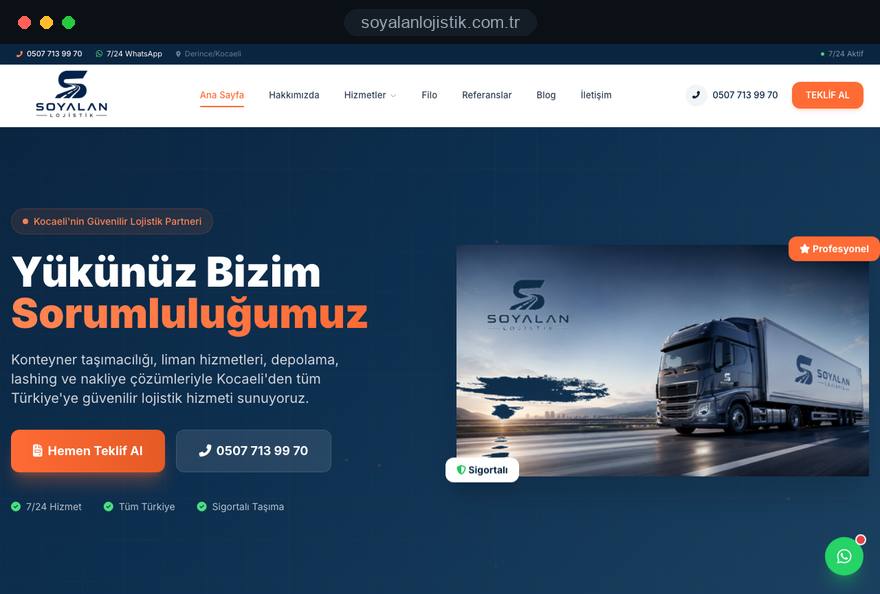
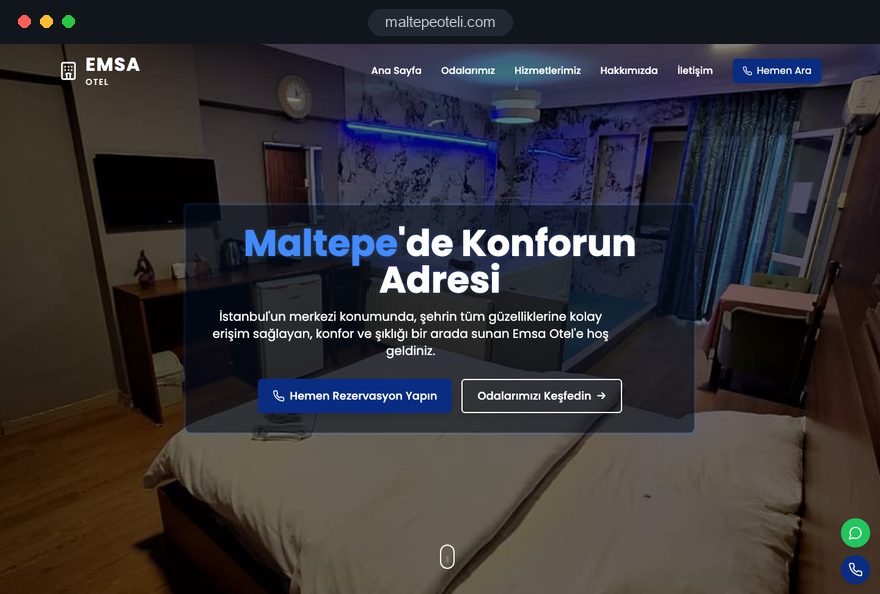
Our finished work is listed on the references page; all of it is in Türkiye, because we have not completed a project in Germany yet, and we say so up front. Reading what our web design service includes, page by page, before you sign avoids the classic "that was not in scope" argument later.
04Who Owns the Domain, Server, Code and Accounts
Every core asset of your website should be registered to your company, with the agency added as an authorized user and nothing more. The registry for .de domains is DENIC, but you buy the domain through a registrar; check once, yourself, that your company appears as the domain holder rather than the agency or a former employee.
For international firms the risk is usually not the agency but the group structure: a domain registered by headquarters abroad, a hosting contract on a personal credit card, analytics in a consultant's account. Keep a handover checklist:
- Domain: registrar login and the AuthInfo code needed for a transfer.
- Hosting: a data center inside the European Union and a data processing agreement under Art. 28 GDPR (in German, AVV) with the provider.
- Code and backups: site files, a recent database export and, for custom features, the source code in a repository you control.
- Google accounts: Business Profile, Search Console and GA4 owned by a company account, not a private one.
- Email: admin access to mailboxes and DNS, including SPF, DKIM and DMARC records.
Email deserves attention in a banking city: compliance filters at large clients are strict, and an unauthenticated domain can push your proposals into quarantine. Ask your provider to document every DNS record they change.
05From Kickoff to Launch, Fully Online
A Frankfurt project with us runs on video calls, a written scope and a timeline you can follow in our CRM at any point. We place calls in the quiet hours of your working day; 9 a.m. in Frankfurt is 10 or 11 a.m. in Istanbul depending on the season. A typical sequence:
- Discovery call: in English or German with screen sharing; we cover your audience, competitors and the first job of the site.
- Written scope: page list, languages, forms, who supplies the legal texts, milestones and delivery dates in one document.
- Content collection: texts, photos, team bios and Impressum details go into a shared folder with a clear owner for each item.
- Design approval: the home page and one inner page on a staging address, reviewed together on phone and desktop.
- Build and testing: forms, consent banner, language switcher, redirects and speed are checked before anything goes live.
- Launch and training: the site goes live, Search Console is connected and you receive a short recorded walkthrough for edits.
You never need to travel for the project. If business brings you to Istanbul anyway, you are welcome to meet us at our office in Ataşehir and review progress in person.
06Local Search in Frankfurt and the Rhine Main Area
For "near me" searches, the Google Business Profile carries the most weight, and your website is the source that confirms and expands it. Google's guidelines require the profile name to match your real world name, with no added keywords such as "Frankfurt" or a service term. If you visit clients at their premises, as a relocation service or IT support firm might, you can hide your address and define a service area instead.
A practical checklist for the city:
- Real districts only: name the Stadtteile you actually serve, for example the Bankenviertel and Westend for an advisory firm, or Gallus and the Europaviertel for a coworking space.
- Commuter belt: if clients come from Eschborn, Bad Homburg, Oberursel or Offenbach, say so in one sentence on the service page instead of building a page per town.
- German directories: keep Gelbe Seiten and Das Örtliche entries identical to the profile in name, address, phone and hours.
- Reviews in two languages: send a short review link after each finished job and reply in the language the review was written in.
Near identical location pages are what Google treats as doorway pages, and they tend to hurt rankings. If you want profile, reviews and district content managed on an ongoing basis, that is a separate engagement under our SEO service.
07English, German or Both, and When Turkish Helps
For an international firm in Frankfurt, English can lead, but German is rarely optional: clients, landlords, authorities and many partners expect it, and the Impressum and privacy policy must work under German law. Decide the language plan per audience, not per page.
- English first: when most clients are international, such as a fintech selling to banks across Europe or a relocation service for incoming staff.
- German first: when you sell to the German Mittelstand or public bodies, with English for investors and hires.
- Turkish as a third language: when part of your clientele is the large Turkish speaking community in the Rhine Main area, for example in insurance, travel or tax services.
Each language needs its own URLs, written for its reader rather than machine translated on the fly; translation widgets do not create indexable versions. Pages must point to each other and to themselves with hreflang. You can generate correct tags with our hreflang generator and read about structure on the multilingual website page.
In web design Frankfurt projects for foreign groups, one more decision matters: who signs off the German texts. If nobody in the local team reads German well, budget time for an external proofreader before launch rather than after the first complaint.
08Performance, EU Hosting and Security Basics
A slow site loses visitors who are often checking you between meetings or at a gate, so speed is a business requirement rather than a technical detail. Google's Core Web Vitals count as good when 75 percent of visits meet these limits: largest contentful paint (LCP, when the main content appears) of 2.5 seconds or less, interaction to next paint (INP, how fast the page reacts) of 200 milliseconds or less, and cumulative layout shift (CLS, how much the layout jumps) of 0.1 or less.
In Germany, several performance choices also touch privacy law:
- Fonts: host them on your own server; the Munich Regional Court (LG München I) awarded damages on 20 January 2022 over Google Fonts loaded from Google's servers without consent.
- Hosting: an EU data center, current PHP or runtime versions, daily backups stored separately.
- Third party scripts: chat widgets, maps and video embeds load only after consent and only where they serve a job of the site.
- Forms: encrypted transport, spam protection without tracking, and only the fields you really need.
- Access: two factor login for the CMS and hosting panel, and individual accounts instead of a shared password.
Check real user data in the Core Web Vitals report in Search Console. If traffic is too low for field data, test your three most visited pages individually on a mid range phone over mobile data.
09Frankfurt Sector Examples: Finance, Fairs, Airport, Startups
Frankfurt's economy produces a recognizable set of website types, and each one has a page that does most of the work. These are general recommendations, not case studies:
- Advisory firms serving banks: one page per area of expertise, short engagement descriptions without confidential details, named partners and a secure contact route; regulated professions add the disclosures their rules require.
- Fintech and software startups: a product page that explains the problem in plain language, security and data handling information for bank buyers, and a careers page; see the startup website page for structure.
- Trade fair suppliers: stand builders, interpreters and caterers need a fair landing page per event, in English and German, live well before the opening; the landing page guide covers the build.
- Airport logistics and travel: forwarders and transfer firms need terminal and service area details, cargo types handled and a quote form that works on a phone.
- Expat services: relocation agents, English speaking practices and language schools need clear process pages, document checklists and appointment booking.
Across all of them, one test applies: the three questions prospects ask most should be answered above the fold. Pull those questions from your last twenty enquiries rather than guessing.
10German Legal Requirements in Plain Terms
A business website in Germany needs a few legal elements before launch, and they are easier to plan in from the start than to bolt on afterwards. The main ones, stated generally:
- Impressum: § 5 DDG, which replaced the TMG in May 2024, requires company name, address, contact details and register information; regulated professions add their chamber, legal job title, the state that granted it and the professional rules.
- Privacy policy: a GDPR (DSGVO) compliant statement covering every form, embed and analytics tool on the site.
- Cookie consent: under § 25 TDDDG, storing or reading non essential information on a device requires prior consent.
- Accessibility: the Barrierefreiheitsstärkungsgesetz (BFSG) has applied since 28 June 2025 to many consumer facing online shops and services; micro enterprises offering services, with fewer than 10 staff and no more than 2 million euros in turnover or balance sheet total, are exempt. Check whether it applies to you.
- Online shops: the order button must state the payment obligation clearly under § 312j BGB, for example "zahlungspflichtig bestellen", and consumers need withdrawal information (Widerrufsbelehrung).
Copying an Impressum template from the head office abroad is a common shortcut that does not hold in Germany. We implement the technical side; your lawyer approves the texts, and any processor such as a booking or newsletter tool needs an Art. 28 GDPR agreement on file.
11Relaunching Without Losing Search Visibility
The real risk in a relaunch is losing URLs that Google already trusts, so no new site should go live before every old address has a planned destination. An established Frankfurt site can lose rankings for district and service searches within days if the move is careless.
A safe sequence:
- Inventory: export the most clicked pages of the last sixteen months from Search Console and list every URL with external links.
- Mapping: match each old URL to its closest new equivalent in a spreadsheet; retire pages without a match deliberately.
- Redirects: set permanent 301 redirects in one hop, never in chains and never all to the home page.
- Monitoring: submit the new sitemap, watch 404 errors and the indexing report for several weeks, and update links in your profile and directories.
If the domain changes too, keep the old one active and use the change of address tool in Search Console. Do not schedule the launch in the week before a fair your business depends on, or during the busiest relocation season for an expat service.
12Mistakes Common on Frankfurt Company Sites
Most weaknesses on Frankfurt company websites sit in content and details rather than design. Six frequent ones, each with a better alternative:
- English only: German clients and authorities hesitate. Better: English and German versions of the key pages, each with its own URLs.
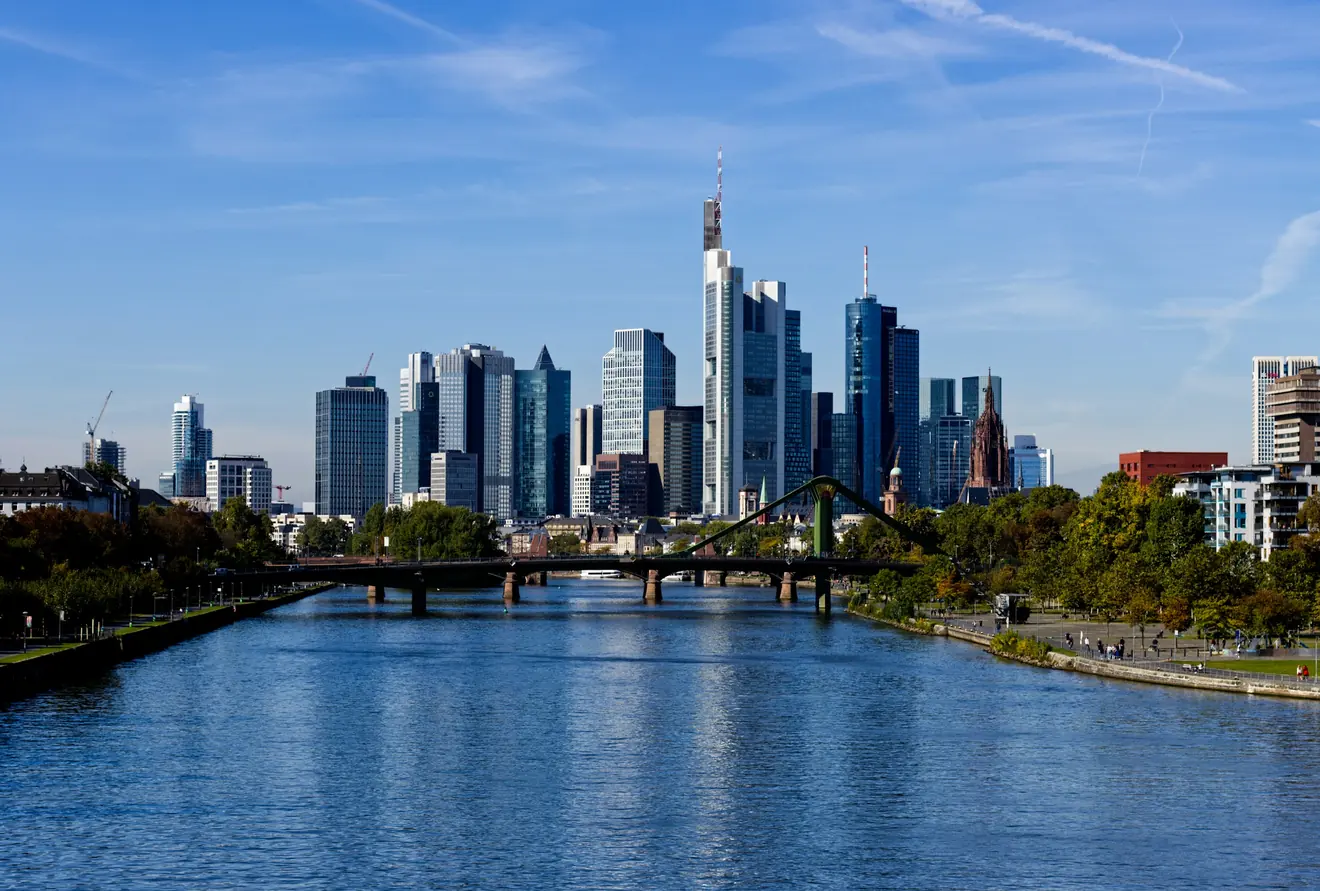
- Stock photos of the skyline: they say nothing about your firm. Better: real photos of your team and workspace, even if modest.
- Impressum copied from headquarters: the German entity, register number or managing directors are missing. Better: details for the actual German company, updated whenever they change.
- Consent banner that tracks anyway: analytics fires before the visitor agrees. Better: load scripts only after consent and verify it in the browser's developer tools.
- Generic contact form only: buyers want a named person. Better: a contact person per service with role and direct email.
- Fair page published too late: exhibitors have already booked. Better: a page live weeks before the event, updated with stand details later.
Go through this list on your current site with a colleague's phone. Two or more hits are a good place to start a relaunch brief.
13Scope Decisions That Drive the Budget
Web design Frankfurt pricing with us is the same as anywhere else; what moves the budget is scope, not the postcode. The factors with the largest effect:
- Languages: each version needs its own copy, review and hreflang setup.
- Templates: the number of distinct page types, such as service, team, case study and careers, matters more than the page count.
- Features: booking, client portals, calculators, CRM integration or an online shop.
- Content: ready texts and photos versus new writing and photography.
- Migration: how many old URLs need mapping and redirects.
Preparation lowers effort more than anything else. Finished service descriptions, real photos and a single person with sign off authority cut revision rounds; in international firms, conflicting feedback from headquarters and the local team is the most common source of delay.
For every line in a quote, ask which job from the first section it serves. Animations and plugins without an answer only add load time and maintenance.
14The First 90 Days and How to Start
Whether a new site works becomes visible in the first three months after launch, so give each month one clear goal:
- Month one: confirm that form submissions, calls and meeting bookings are counted as key events in consent based GA4, and fix any indexing errors in Search Console.
- Month two: review which district, service and language queries bring impressions, sharpen titles and ask the first clients for reviews.
- Month three: add answers to questions from real enquiries, compare English and German performance, and decide where time or ad budget goes next.
A site with one or two languages and a clear scope often fits one of our fixed price packages; larger multilingual builds, shops and relaunches get a written quote. Send your web design Frankfurt brief through our contact form, and we follow up with a video call and a written scope.
Bring three things to the first call: the ranked list of jobs from the first section, your five most important search terms and the name of whoever controls the domain today. With those, a first plan for your Frankfurt website takes shape in the same conversation.