This guide is written for people who run a business between Portslade and Rottingdean and are about to commission a new website: the owner of a guest house on a Kemptown terrace, a coffee bar in Seven Dials, a dental practice on Church Road in Hove, a lettings agent near the Lewes Road campuses, a small games studio in an office above the North Laine. Web design Brighton and Hove projects share one tension. The same site must convince a stranger on the seafront and a neighbour who has known you for years.
Talha Aslan and team set out the decisions below in roughly the order a project meets them. Every section ends with something concrete: a test you can run this week, a question for any agency you talk to, or a sentence worth adding to your brief.
01Two Audiences in One Coastal Economy
A Brighton and Hove website must work for two audiences who barely overlap: residents who return and visitors who decide once. The ONS counts 284,170 residents in mid 2025, with a median age of 38.3 compared with 40.9 across the UK. Research by Destination Research for Visit Brighton puts trips to the city in 2024 at 12,176,000, of which 10,508,000 were day trips.
Tourism is linked to 25,677 jobs, about 18% of local employment, yet most firms also depend on the people who live here all year. A sandwich bar near the station, a physiotherapist in Preston Park and a Hove estate agent each lean differently on those two groups. Before any design work, write down the split for your own business.
- Visitor share: what proportion of enquiries comes from people who have never been to your door.
- Return rate: how often an existing customer comes back and what they need from the site when they do.
- Peak months: which weeks bring the rush, and which quiet weeks you want to fill.
- Decision speed: whether people choose you in minutes on a phone or after comparing for days.
Those four answers decide the homepage order, the navigation and how prominent booking and calling become.
02What People Type Between Hove and Kemptown
Searches in this city are short, local and heavily shaped by the moment, so a page plan should follow real queries rather than a list of services. A visitor on Madeira Drive types differently from a resident in Patcham who needs a boiler engineer by Friday.
- Street level intent: "brunch Seven Dials", "vintage shop North Laine", "barber Western Road". The map pack dominates these, so opening hours and photos matter more than prose.
- Trades with a postcode in mind: "roofer Woodingdean", "electrician Hangleton". People want proof you actually cover their street.
- Event weeks: searches for programme listings, late opening and places to stay climb around Brighton Festival in May and other big weekends on the seafront.
- Campus calendar: from September, newcomers near Falmer and Moulsecoomb look for rooms, gyms, GP registration help and furniture.
- Commuter questions: residents who work in London some days search for services open early or on Saturday.
Try this before you brief anyone: type your eight most valuable searches on your own phone while standing in your shop or office, then note who appears in the first three map results and what their listing shows. The gaps you see are your page list.
03Hiring a Team Abroad Without Losing Control
A studio outside the UK can serve a Brighton business well when every agreement exists in writing and the work in progress is always visible. Our team works from Istanbul, which stays on UTC+3 all year. While the UK observes British Summer Time we are two hours ahead of you; after the clocks change at the end of October we are three hours ahead until late March.
That rhythm suits a seaside business. Calls happen in your early morning, before the café opens or the first client arrives, and a written summary reaches you while you are still at work. Whichever studio you consider, ask the same questions and compare the answers in writing:
- Will we receive a dated note after every call listing what was agreed and who acts next?
- Does the written scope name every page template, integration and revision round, and what is excluded?
- Can we open a protected preview of the site at any hour, including from our phones?
- Who writes and checks copy in British English, including place names such as Hove, Portslade and Ovingdean?
- How are urgent fixes handled during a bank holiday weekend, when footfall peaks?
An agency that answers vaguely before signing will answer vaguely during the project as well.
04Owning Your Address, Hosting and Accounts
Everything your site depends on should belong to your company, so that changing supplier never requires a former designer's goodwill. Small businesses along the coast change hands, partners and premises often, and the website should survive each change.
- Domain: a .co.uk, .uk or .com address registered in the company's own registrar account, with renewal notices going to a shared inbox, not one person's phone.
- Hosting region: a data centre in the UK or nearby in Western Europe keeps responses quick for local visitors and makes your privacy notice easier to write.
- Source and content: the full code, the content export and a short note on how updates are deployed.
- Google and analytics: your company account owns the Business Profile, Search Console and GA4; the agency is added as a user and removed at the end.
- Booking and payment tools: contracts for reservation, ticketing or payment services carry your name, so customer data stays with you.
Keep a one page register of these assets, with the renewal date and the person responsible for each. If you sell the business, that page becomes part of the handover, and a buyer will value a site whose logins are documented.
05From First Call to a Live Site, All Online
A predictable project moves in stages, and each stage ends with something you approve before the next one starts. For a Brighton and Hove client the whole sequence runs remotely:
- Audience call: we work through your visitor and resident split, your peak weeks and your eight key searches, then send a written summary.
- Written scope: page templates, languages, booking or ticket integrations and revision rounds are listed, with a timeline that respects your season.
- Content plan: we agree who drafts each page, which photos exist and what still needs shooting on location.
- Design with real text: two or three key pages are designed with your own copy and checked on a phone outdoors, where glare is a real test.
- Build on a preview: the site grows on a protected address, with progress visible in our CRM.
- Launch and training: consent, analytics, redirects and Search Console are checked, and your team learns to change hours and notices alone.
No step needs a trip. If you happen to travel to Istanbul, though, we are glad to meet at our office in Ataşehir. Plan the launch for a quiet month, ideally after the summer or before Easter, so that problems never meet your busiest weekend.
06Local Search From Portslade to Rottingdean
Local visibility here rests on an accurate Google Business Profile and a few substantial area pages, not on dozens of near identical pages for each neighbourhood. Google treats pages that only swap a place name as doorway pages, and they can weaken the whole site.
Start with the profile. Google's guidelines require the business name to match the name customers see in the real world, with no added keywords, and a mobile business can hide its address and show a service area instead. Then build outwards:
- Know the boundary: the unitary authority runs from Portslade in the west to Saltdean in the east, while Shoreham, Lewes and Peacehaven lie outside it. A single service area page can say plainly which side you serve.
- Area content with substance: a builder could justify one page about Regency and Victorian terraces in Brunswick and Kemptown, explaining the work those buildings need.
- Identical details: keep name, address and phone number exactly the same on the website, the Business Profile, Yell and any trade association listing.
- Review routine: ask every satisfied customer, reply to each review and never offer a reward.
Our SEO service can take on profile care, area content and technical checks if you would rather not. Either way, look at your profile monthly, because suggested edits from the public can change hours or categories without warning.
07English First, Then Turkish or German
English is the working language of almost every site in this city, and a second language only pays when a defined group of customers would decide faster in it. Check your inbox and call log for the past year: who contacted you in another language, and about what?
Two situations deserve a second version. A Turkish speaking business in construction, catering, imports or beauty may have a community clientele that prefers Turkish for quotes and contracts, while English remains essential for landlords, councils and suppliers. A firm selling to Germany, Austria or Switzerland, such as a language travel provider or a software company with DACH clients, may need German pages because buyers there often shortlist in their own language.
- One address per language: each version sits in its own folder, never behind a toggle that swaps text on the same URL.
- Reciprocal hreflang: every version points to the others and to itself, so search engines show the right one.
- Written for the reader: each language gets its own examples and phrasing rather than machine translation.
- Start small: translate the pages that bring enquiries first and leave the archive in English.
How we structure and maintain several languages is explained on our multilingual website page. Name one person to keep each version current; a stale second language erodes trust faster than having none.
08Fast Pages for a Phone on the Promenade
In web design Brighton and Hove work, speed decides more bookings than most owners expect, because a large share of visitors open your site outdoors, on a crowded mobile network, while deciding where to go next. Google measures this with three Core Web Vitals, judged at the 75th percentile of real visits:
- Largest Contentful Paint (LCP): how long the biggest visible element, often a sea view photo, takes to appear; good is 2.5 seconds or less.
- Interaction to Next Paint (INP): how quickly the page reacts after a tap on a menu or button; good is 200 milliseconds or less.
- Cumulative Layout Shift (CLS): how much content jumps while late elements load; good is 0.1 or less.
Beach and interior photography is the usual culprit. Export images as WebP or AVIF at the size each screen needs, declare their dimensions so the text below stays still, and load menus as web pages rather than PDFs. Embedded booking widgets and social feeds should load only when someone scrolls to them.
Security sits beside speed: HTTPS everywhere, updates applied promptly and backups stored away from the server, restored once as a test. A host in the UK or Western Europe keeps the first response short for local visitors.
09Website Patterns for the City's Main Sectors
Each of the city's strongest sectors needs its own page structure, and briefs for web design Brighton and Hove work get sharper once you know which pattern you belong to. Four cover most of what local firms ask for:
- Guest houses, boutique stays and cafés: rooms or menus readable in one thumb scroll, a direct link to your booking engine, seasonal hours and directions from the station and the seafront. The full structure for accommodation is on our hotel website page.
- Creative tech, agencies and games studios: Visit Brighton describes a cluster of more than 1,500 such businesses. Clients and recruits judge them by case studies, so each project needs its own page with the brief, the result in words and credits. Our startup website page covers product, demo and hiring sections.
- Venues, artists and promoters: programme pages that can be updated in minutes, ticket links, a press area with downloadable images and accessible venue information.
- Services for a student population: the University of Sussex reports 19,261 students and the University of Brighton 17,403 for 2024 to 2025. Letting agents, tutors, clinics and gyms serving them need term aware hours, plain English for international students and booking without an account.
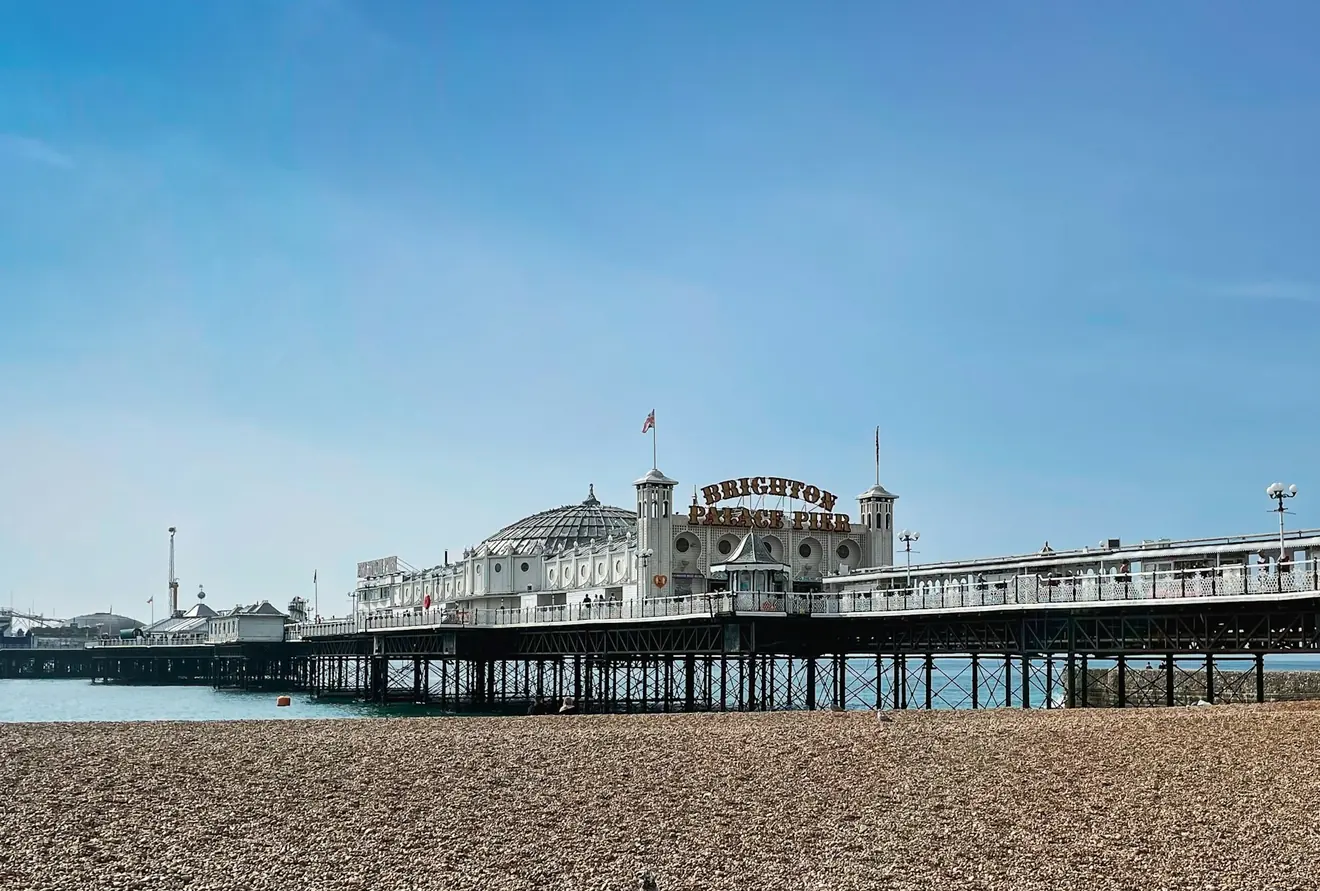
Whatever the pattern, use your own photographs of your own premises and people. The Palace Pier tells a visitor where they are, not why they should choose you.
10UK Rules Your Site Has to Respect
A handful of UK rules apply to nearly every business site in the city, and each can be handled cleanly at build stage. What follows is general orientation, not legal advice; ask a solicitor to review the final wording.
- Privacy notice: as soon as forms, bookings or analytics process personal data, the UK GDPR and the Data Protection Act 2018 require you to explain clearly what you collect, why and for how long.
- Cookies under PECR: ICO guidance says non essential cookies, such as analytics and advertising tags, need a clear positive action before they are set; refusing should be as easy as accepting.
- Company details: a limited company shows its registered name, company number, registered office address and its part of the UK, which for local firms is normally England and Wales.
- Distance selling: under the Consumer Contracts Regulations 2013 consumers generally have 14 days to cancel, and for goods the period usually starts at delivery; your checkout must say so.
- Accessibility: section 29 of the Equality Act 2010 places a duty to make reasonable adjustments on service providers; online that means readable contrast, keyboard navigation and labelled forms.
On our side we build a consent banner that keeps tags off until a visitor chooses, forms that collect only what you need and a footer where company details are easy to find.
11Moving to a New Site Without Losing Rankings
A relaunch keeps its search traffic only when every valuable old address is matched to a new one before the switch. Festival listings, local press articles and tourism directories often link deep into an old site, and those links break silently if nobody maps them.
- List every URL: export pages from Search Console, GA4, the old sitemap and a crawl, and mark those that receive visits or external links.
- Pair them: in a spreadsheet, give each old URL its closest new equivalent, or a reason why it is retired.
- Protect the preview correctly: use a password rather than robots.txt alone, because Google cannot read a noindex on a page it is not allowed to crawl.
- Redirect in one hop: each old address gets a single 301 to its pair; never point everything at the homepage.
- Watch for a month: resubmit the sitemap, check the Pages report weekly and update links on Yell, Visit Brighton listings and partner sites.
Domain changes, mergers and rebrands need extra care, set out on our website redesign page. Keep the old domain renewed for several years so printed leaflets and old QR codes still lead somewhere useful.
12Common Mistakes on Local Business Sites
Most weak sites in this city lose enquiries through small, fixable details rather than poor design. Six patterns come up again and again, each with a better alternative:
- Summer hours still showing in November: visitors arrive at a closed door and leave a bad review. Keep seasonal notices in one section and set a calendar reminder to change them with the clocks.
- A menu or price list as a PDF scan: it is unreadable on a phone in sunlight and invisible to search. Publish it as a real page and offer the PDF only as a download.
- "Serving Brighton and surrounding areas": nobody in Southwick or Telscombe can tell if that includes them. Name the places you genuinely cover on one page.
- Festival dates added the week before: by then listings and search results are already set. Publish dates and programme pages as soon as they are confirmed.
- A cookie banner with only "accept": under PECR, carrying on browsing is not consent. Show accept and reject with equal weight.
- Portfolio pages that are only images: search engines and screen readers see nothing. Add a short written summary and alt text to each project.
Ask every agency on your shortlist to name the ones it sees on your current site; the answer reveals how closely it has looked.
13What Drives the Cost of Your Website
Cost follows the amount of work, never the postcode, so a site for a Hove practice costs the same as one anywhere else with the same scope. When you compare web design Brighton and Hove proposals, ask each studio to break its quote down by the same factors:
- Template count: a room page, a menu, an event, a case study and a team profile each need their own layout.
- Readiness of content: finished copy and current photography cost far less to place than material that still has to be created.
- Languages: a Turkish or German version means separate writing, review and testing.
- Integrations: booking engines, ticketing, payment, newsletter or CRM connections.
- Legacy size: the more old URLs and linked event pages, the more redirect mapping.
- Aftercare: whether you handle updates and backups or prefer a maintenance plan.
The surest way to keep the figure sensible is preparation: approved texts, recent photos and one person allowed to sign off pages. If you need something larger later, such as a client portal, it can follow as a separate phase so the marketing site launches before the season.
14The First 90 Days and Your Next Step
The three months after launch show whether the site earns its keep, so give each month one clear focus:
- Month one: test every call button, form and booking link yourself on a phone, confirm GA4 records them only after consent, and clear any Search Console warnings.
- Month two: study which queries and neighbourhoods bring visitors, then rewrite titles and opening lines on pages that are seen often but rarely clicked. Check how shared links look with our link preview checker.
- Month three: turn the questions callers keep asking into page content, keep the review routine going and decide whether the next effort goes into local search, ads or new content before the next season.
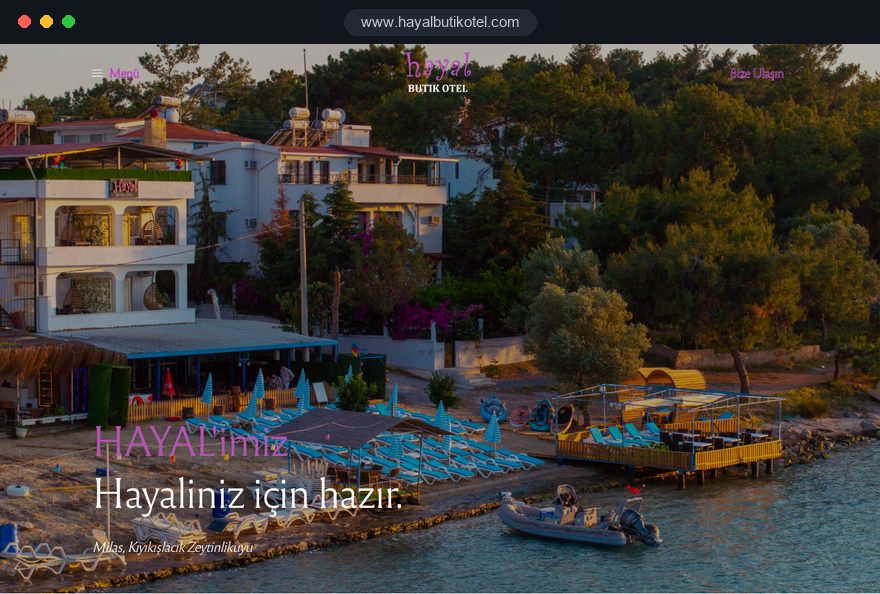
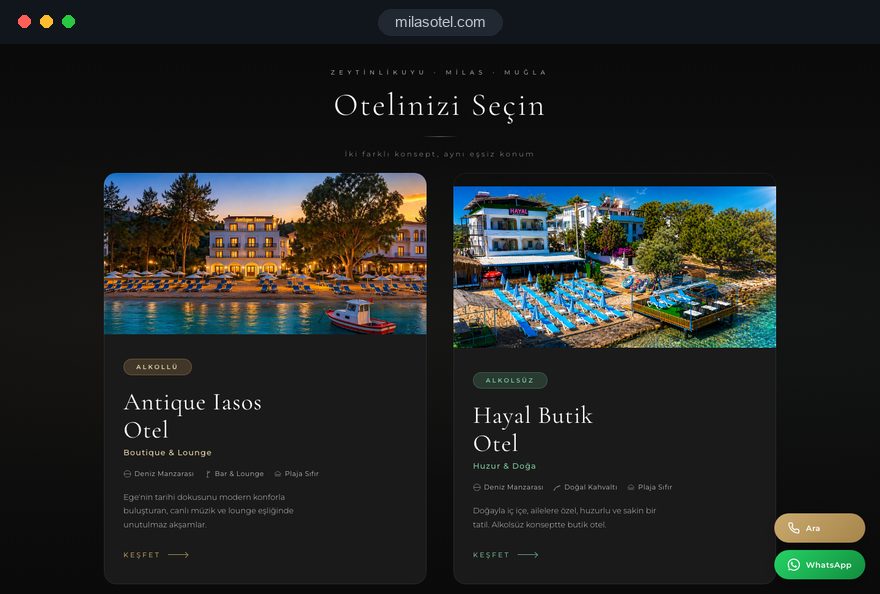
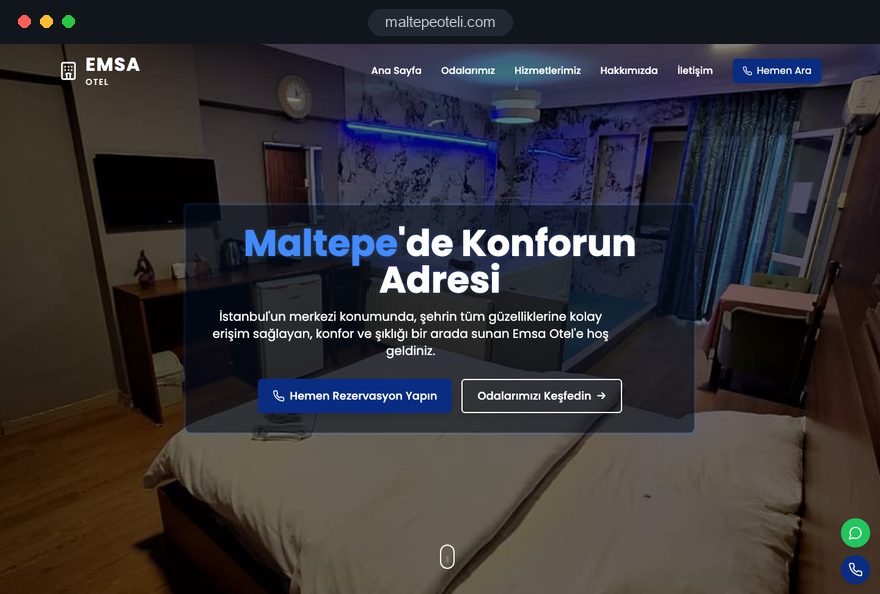
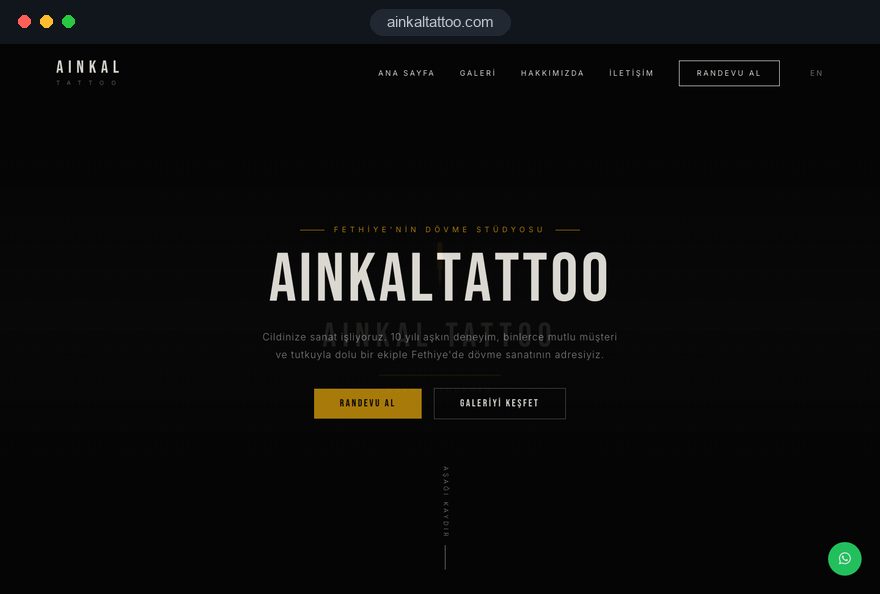
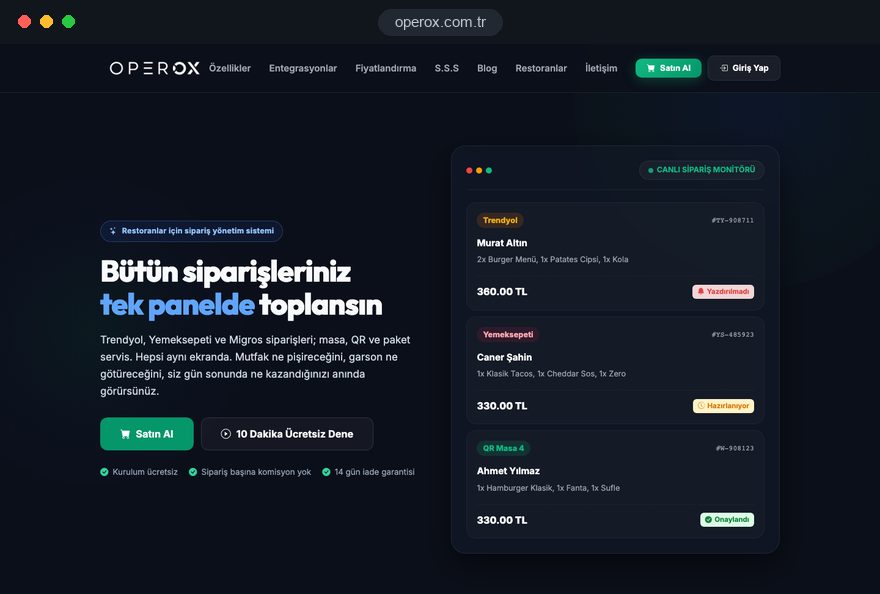
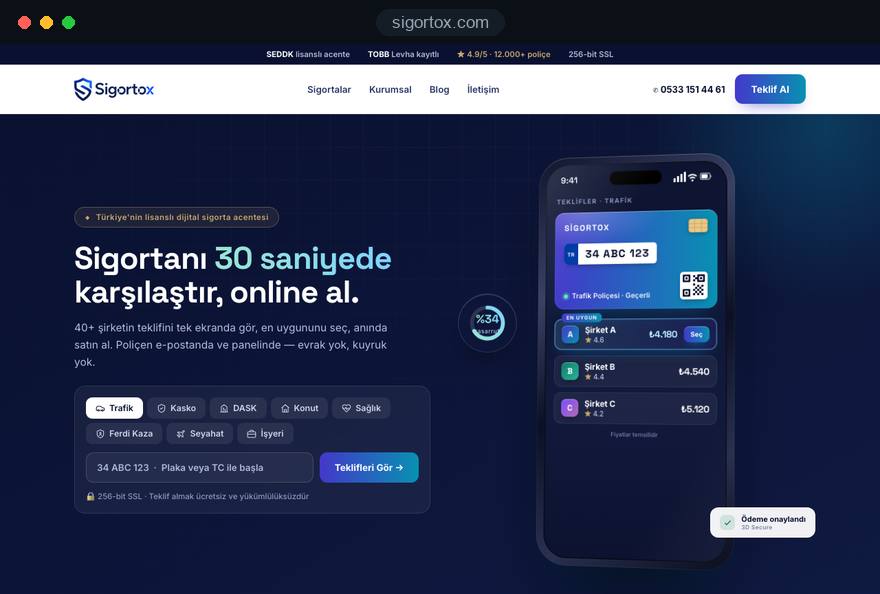
Many single language sites with a defined page list fit a fixed package, listed in the pricing section of our web design page; bilingual sites, shops and larger portfolios receive a written quote after a short call. All our completed work so far is in Türkiye, and you can review it on the references page.
When you are ready to start your web design Brighton and Hove project, read how our web design service works, then send us your audience split and eight key searches through the contact form. A good result for web design Brighton and Hove clients is simple to measure: more calls, bookings and enquiries in the first ninety days, and a site your team can keep current through every season.