The Lancaster district is really three markets sharing one council: a historic university city on the Lune, a freight and energy coast at Heysham, and a seaside town at Morecambe preparing for a major new visitor attraction. A website that suits one of them rarely suits the others without changes to its pages, its tone and its enquiry form.
This guide from Talha Aslan and team follows the decisions an owner in the district actually makes, from deciding who the site is for through to the weeks after launch. Each section gives you something concrete to check, ask or write into your brief, so that a web design Lancaster project starts from the buyer rather than the logo.
01Three Economies, One District: What Your Site Must Carry
Your site has to be built around whichever of the district's engines pays your invoices, because the port, the university and the bay each send a different visitor. The ONS mid 2025 estimate counts 145,237 residents in the Lancaster local authority district, which runs from Carnforth and Silverdale in the north to Galgate in the south and takes in Morecambe and Heysham.
The 2021 Census adds a telling detail: 13.8 per cent of residents aged 16 and over were full time students, ahead of Preston at 12.3 per cent and well ahead of Blackpool at 5.4 per cent. That figure explains why so many local firms see their customer list change every autumn.
- The campus economy: landlords, tutors, cafés, barbers and removal firms serve a population that arrives new each September and searches entirely on a phone.
- The freight and energy coast: hauliers, warehouses and engineering contractors around Heysham sell to procurement teams who compare suppliers on paper before any call.
- The visitor bay: guest houses, cafés and attractions in Morecambe compete for families who plan short breaks weeks ahead.
Write one sentence naming your main audience and one naming the second. If you cannot choose, your home page will try to speak to everyone and persuade nobody, which is the most common weakness in web design Lancaster briefs.
02Who Types What: Search Habits From Bailrigg to Bare
People in the district search by the place they know, not by the council name, so your pages must use the same words they do. A student living at Bailrigg types something different from a family in Torrisholme, and a freight buyer in Belfast types something different again.
- Student phrases: "student house Bowerham", "room near Lancaster University" or "removal van Lancaster" rise sharply in the summer before term and again in January.
- Household phrases: "boiler repair Morecambe", "dentist Skerton" or "electrician Carnforth" are local, urgent and decided largely on the map.
- Freight phrases: "Heysham to Warrenpoint haulage", "Isle of Man freight" or "trailer storage Heysham" come from logistics managers working on a desktop.
- Visitor phrases: "Morecambe seafront guest house", "things to do Morecambe Bay" or "Lancaster Castle tours" come from people who have not yet decided between this coast and the Lakes.
List the ten searches that would bring your most valuable work and group them by audience; each group with three or more searches deserves its own page. Keep the list as the yardstick for your web design Lancaster results after launch.
Also note the direction of travel. Visitors to the bay often search from Manchester, Leeds or Yorkshire, so the content has to explain distances and parking for someone who has never been to the Stone Jetty.
03Hiring an Istanbul Team for a Lancashire Project
A studio abroad is a sensible choice when everything that matters is written down and visible to you without asking. We work from Istanbul and run every project for the Lancaster district online, from the first call to the handover. Türkiye stays on UTC+3 all year, so we are two hours ahead of Lancaster during British Summer Time and three hours ahead from late October to late March.
That gap works in your favour more often than not: a call at half past eight your time is mid morning for us, and changes requested before lunch in Lancaster are usually visible on the preview link the same afternoon. To judge whether any remote supplier is organised, look for these signs:
- A scope document that lists pages, forms and languages, and says plainly what is not included.
- A preview address you can share with a business partner or letting manager without creating an account.
- Written notes after every call, so a decision made on video is never lost.
- Copy written in British English by someone who knows that a "flat" and a "studio" are different things to a student.
- A named contact for support questions after launch, with a stated response time.
04Domain, Hosting and Logins Registered to You
Every account your website depends on should be registered to your business, with the studio given access rather than ownership. That rule protects you if a supplier relationship ends, and it makes the next project far simpler.
For a district business, the domain choice is usually between .co.uk and .com. A Morecambe guest house or a Scotforth letting agent gains from the familiar .co.uk; a Heysham freight firm serving Ireland and the Isle of Man may prefer .com. Whichever you choose, the registrant must be your company or you personally, never the developer.
- Register or transfer the domain in your own account at a registrar, with two step login switched on.
- Put the hosting contract in your name, ideally on servers in the United Kingdom or western Europe, close to your visitors.
- Own the Google accounts: Business Profile, Search Console and Analytics should have your company mailbox as primary owner, with agencies added as users.
- Keep a full backup of files and database that you can download, plus a list of every paid plugin and its licence holder.
- Check mail records: run our SPF, DKIM and DMARC checker so tenancy offers, quotes and booking confirmations land in inboxes rather than spam folders.
Ask for a one page access register at launch; it should be part of every web design Lancaster handover.
05From Kick Off to Launch, Stage by Stage
A remote build stays on track when each stage ends with something you can see and approve before the next one starts. This is the order we follow for a web design Lancaster project:
- Briefing call: your audiences ranked, the towns and villages you cover, your busy season and the single enquiry that matters most.
- Written scope: pages, forms, languages and legal texts listed and signed off by the person who holds the budget.
- Structure first: a sitemap and plain page layouts, agreed while changes still cost nothing.
- Design and copy: visuals applied to the agreed layouts, with text written for people in Lancashire and the North West.
- Build on a protected preview: you follow progress in our CRM and comment on the live draft.
- Launch and handover: forms and redirects tested, the domain switched, a short video tour of the editing panel recorded for your staff.
All of this happens over video and shared documents. If you happen to visit Istanbul, our Ataşehir office is open for a working session, but no part of the project depends on it.
Name one person who approves each stage, and gather your own photographs early: the yard at Heysham, a room in a Bowerham terrace, breakfast with a view across the bay.
06Local Search Across the City, the Coast and the Villages
Map visibility in the district depends on a well kept Google Business Profile and pages that name only the places where you genuinely work. Because Lancaster, Morecambe, Heysham and Carnforth are searched as separate towns, a single profile and a vague "we cover the North West" line leave most of that demand to competitors.
- Get the profile right: use your real trading name without added keywords, choose the most precise primary category and keep opening hours accurate through the seasons; mobile trades can hide a home address and set a service area instead.
- Keep details identical: name, address and phone number must match exactly on your website, the profile, Yell and any trade or tourism listing.
- Write about real places: a plumber covering Halton, Caton and Hest Bank mentions them on the relevant service page with an example job, rather than creating a thin copy of the page for each village.
- Earn specific reviews: ask customers to describe the job or stay in their own words, and answer each review politely, including the critical ones.
- Add photos regularly: new work, the shopfront, rooms after redecoration; an active profile gives searchers confidence.
Google weighs relevance, distance and prominence when it answers near me searches. You cannot change where your premises are, but relevant pages and honest reviews are within your control. Our local SEO service can run this alongside the build, and our free SEO checker shows the basics of your current site in a minute.
07English First, Then Turkish or German Where It Pays
Your English pages do the selling to customers, the council and larger clients, so they come first and must be complete. A second language earns its place only when you can name the readers and someone in your business can answer them in that language.
The district gives a few clear cases where a second version is worth considering:
- International students and their families: Lancaster University reports students from more than 130 countries; a landlord whose tenants' parents sign guarantor forms from abroad may benefit from a translated summary of tenancy terms.
- Turkish speaking customers: a builder, a barber or an accountant whose clients include Turkish speaking families can add Turkish pages for services and contact, provided someone replies in Turkish.
- German speaking buyers: an engineering supplier or software firm selling into Germany, Austria or Switzerland gains from German capability pages, since procurement teams there compare suppliers in their own language.
- Freight customers in Ireland: no translation needed, but a page written with Irish routes, ports and customs paperwork in mind does similar work.
Build each language as real pages with their own addresses, not a translation widget. Each version should carry hreflang annotations that point to every other version and to itself, so Google shows the right page to each reader. Start with the pages that produce enquiries and expand only when they do.
08Fast Pages for Phones on Campus and on the Promenade
Most of your visitors will arrive on a phone, often on a patchy signal in a lecture hall corridor or on the seafront, so loading speed directly affects bookings and enquiries. Google treats a page as good when at least three in four visits meet these thresholds: the largest visible element loads within 2.5 seconds (LCP, largest contentful paint), the page reacts to a tap within 200 milliseconds (INP, interaction to next paint) and the layout shifts by no more than 0.1 on the CLS scale, which measures unexpected movement.
What helps in practice:
- Hosting close to the audience: a server in the United Kingdom or nearby in Europe for visitors in Lancashire and Cumbria.
- Images sized properly: bay panoramas and room photographs compressed and served in modern formats, with dimensions declared so text does not jump while they load.
- Restraint with add ons: each chat bubble, booking widget and tracking script adds weight; keep only the ones you use.
- Basic security: a valid SSL certificate, regular updates, backups kept away from the server and two step login for every editor.
Procurement pages deserve the same care, since a slow capability page suggests a slow supplier.
09Page Plans for Hauliers, Landlords, Contractors and Guest Houses
Each of the district's main business types needs a different page plan, because each buyer decides in a different way. A shared brochure template serves none of them well.
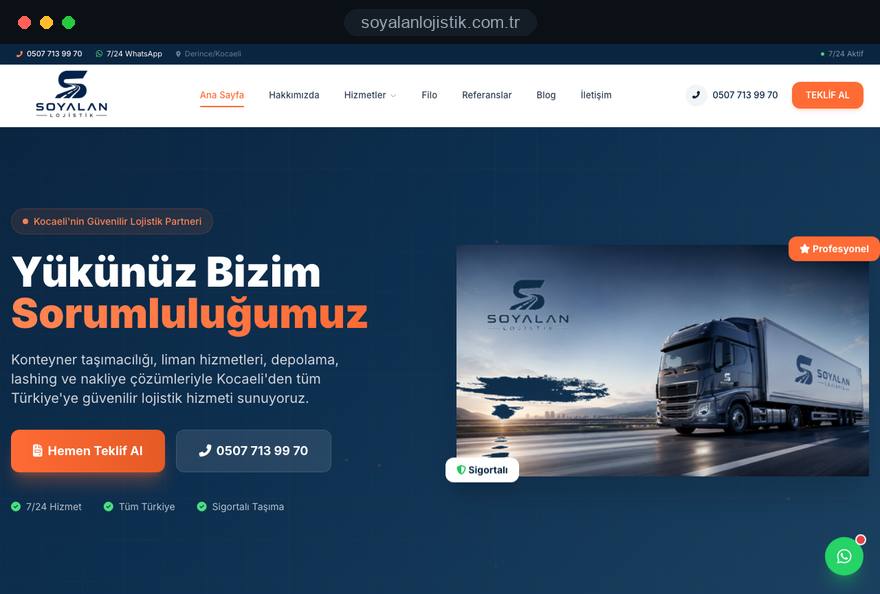
- Haulage and warehousing around Heysham: one page per route, trailer and vehicle types, storage capacity, help with customs paperwork and a quote form that asks for collection point, destination and date. The logistics company website page shows a structure that works.
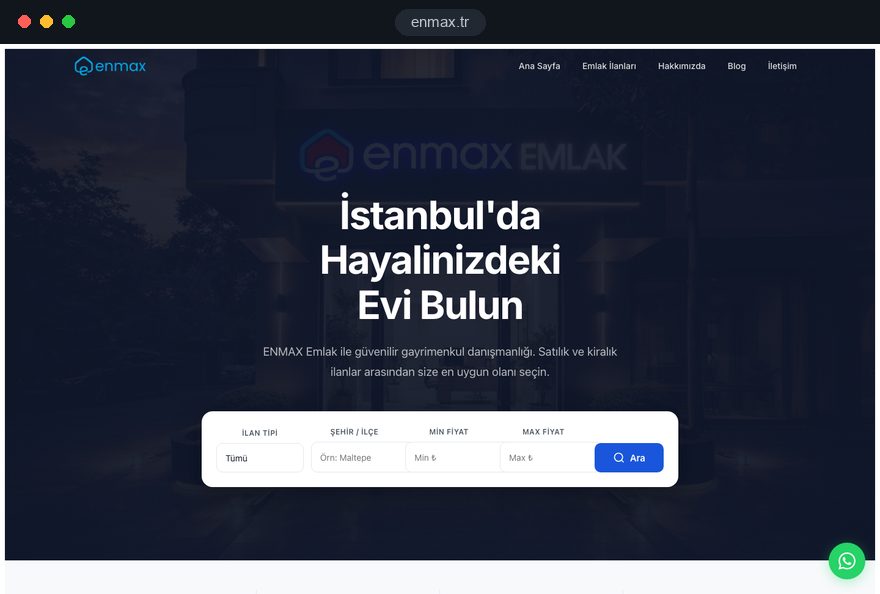
- Student lettings in the city: listings filterable by area, bedrooms and walking time to Bailrigg or the city centre, with bills, deposit rules and availability dates on every listing; the estate agency website page covers the listing logic.
- Engineering and specialist contractors: capability pages by discipline, accreditations and safety records as downloads, examples of completed work and a contact route for procurement teams.
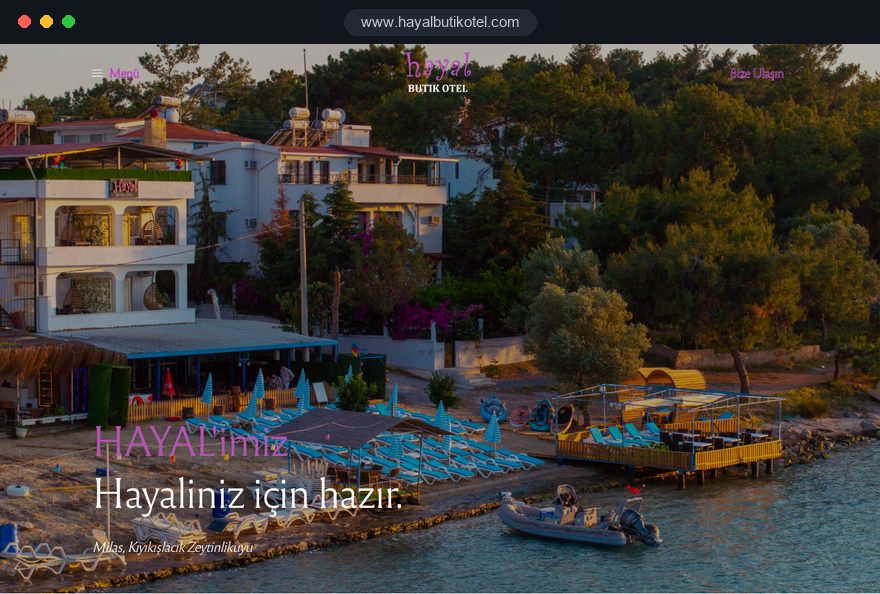
- Morecambe guest houses and cafés: room pages with real photos, breakfast and parking details, walking times to the promenade and a direct enquiry form, as described on the hotel website page.
- Tutors, clinics and personal services near campus: clear service pages, qualifications, term time availability and online booking.
If your firm serves two of these groups, give each its own route from the top of the home page, a simple rule that improves almost any web design Lancaster plan.
10UK Law on Privacy, Cookies, Company Details and Selling Online
A handful of UK rules apply to almost every business site in the district, and planning them into the scope costs less than fixing them later. What follows is general information, not legal advice; please have your final wording checked by a solicitor.
- Personal data: contact forms, tenancy applications and booking requests collect personal data, so the UK GDPR and the Data Protection Act 2018 require a clear privacy notice covering purpose, lawful basis and how long you keep the data.
- Cookies: the ICO's guidance on PECR says cookies that are not strictly necessary, including analytics and advertising tags, need consent given through a clear positive action before they are set.
- Marketing email: under PECR, marketing emails to individuals need consent, unless the soft opt in applies to existing customers who were given a chance to refuse; every message needs a way to unsubscribe.
- Company details: a limited company must show its registered name on its website, together with its registered number, the part of the UK where it is registered and its registered office address.
- Selling online: under the Consumer Contracts Regulations 2013, consumers can usually cancel within 14 days, counted from delivery for goods and from the contract date for services.
- Accessibility: the Equality Act 2010 forbids service providers from discriminating and requires reasonable adjustments, which supports readable contrast, keyboard navigation and descriptive image text.
We handle the technical side: a consent banner that truly blocks tags until a visitor agrees, form notices and a footer with complete company details.
11Relaunching an Older Site Without Losing Visitors
A redesign keeps its search traffic when every old address that still earns visits forwards to its closest new page. Many guest houses and trades in the district run sites built years ago that still rank for a few valuable phrases, and those pages are worth protecting.
- Export all indexed addresses from Search Console and the old sitemap, and mark the ones that receive clicks or external links.
- Pair each of them with a new address in a simple spreadsheet; pages without an equivalent forward to the nearest relevant section.
- Keep the titles and copy that already rank, improving them rather than rewriting from scratch.
- Set permanent 301 redirects and test a sample on launch day from a phone and a desktop.
- Submit the new sitemap and watch coverage and search queries in Search Console for the following two months.
Timing matters in this district. A seafront business should not relaunch in July, and a letting agent should not switch sites in August when tenants are searching hardest; quieter months give rankings time to settle. One technical point: if you want an outdated page to leave Google, keep it crawlable and mark it noindex, because a robots.txt block stops Google from reading that instruction. Our website redesign page lists the full checklist.
12Six Mistakes Seen on District Business Websites
Browse the sites of local firms for an hour and the same problems come up again and again. Each one below comes with a better approach.
- Treating Morecambe as part of Lancaster: residents and visitors see them as different towns; name each place you serve in its own words and on the right page.
- Listings that stay up after letting: outdated houses cause wasted calls and frustrated students; mark properties as let the day the contract is signed.
- Freight sites without a quote route: a phone number alone loses buyers who work out of hours; add a short form with route, load and date fields.
- Seasonal pages that vanish each winter: deleting and recreating summer offers throws away the trust Google has built; keep the page and update the content.
- Accreditations hidden in a PDF: contractors bury safety certificates in downloads nobody opens; list them as text on the capability page with the downloads underneath.
- Tracking that ignores consent: analytics loading before the visitor agrees conflicts with PECR; configure the banner so tags wait for consent.
Pick the two mistakes that match your current site and put the fixes at the top of your brief. Those two often matter more to a web design Lancaster project than any new colour scheme.
13What Shapes the Cost of a Project
The cost of a website follows its scope, not your postcode; a firm in Heysham chooses from the same packages as a client anywhere else. Knowing what moves the figure helps you plan a first phase now and additions later, which suits a guest house waiting for the Eden opening or a contractor still building its order book.
- Distinct page types: a property listing, a route page and a room page each need their own design and logic.
- Content effort: writing from scratch takes longer than editing your text, and technical capability pages need your engineers' input.
- Extra languages: each one adds translation, review and ongoing updates.
- Connections to other systems: booking engines, property management software, payment or a CRM add development and testing time.
- Migration work: a long established site with many ranking pages needs careful redirect planning.
Our fixed packages are set out in the web design pricing section; listings, a second language or detailed quote flows are priced in a written proposal. Ask any studio to break its web design Lancaster quote down along these five lines.
14Your First Ninety Days and the Next Step
Launch day starts the measuring phase; the real value of a site shows in the months after it goes live. Agree a simple routine with your supplier before the final invoice.
- First month: confirm every form reaches the right inbox, check Search Console for indexing errors and ask five recent customers or guests for a review.
- Second month: look at which searches bring visitors and add a route, listing or room page where demand appears.
- Third month: compare enquiries with the same period last year, refresh accreditations and availability, and decide whether a second language or paid search comes next.
Before speaking to us, prepare three things: your audiences in order of importance, the towns and villages you truly cover, and links to two sites you like. With those in hand, a web design Lancaster conversation moves quickly to decisions. You can review our projects in Türkiye first, or simply book a short video call with our team; every project begins with a written scope, so you know exactly what you are agreeing to.