
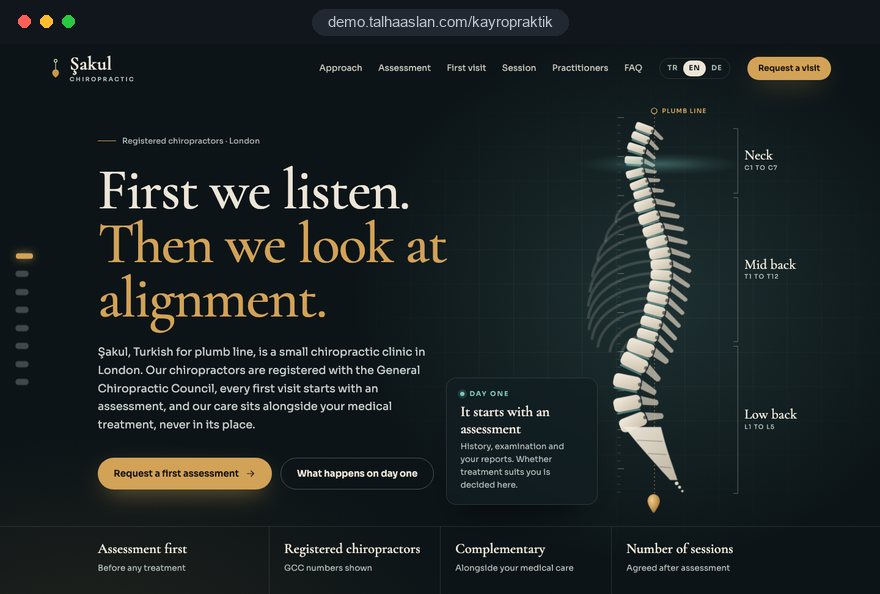
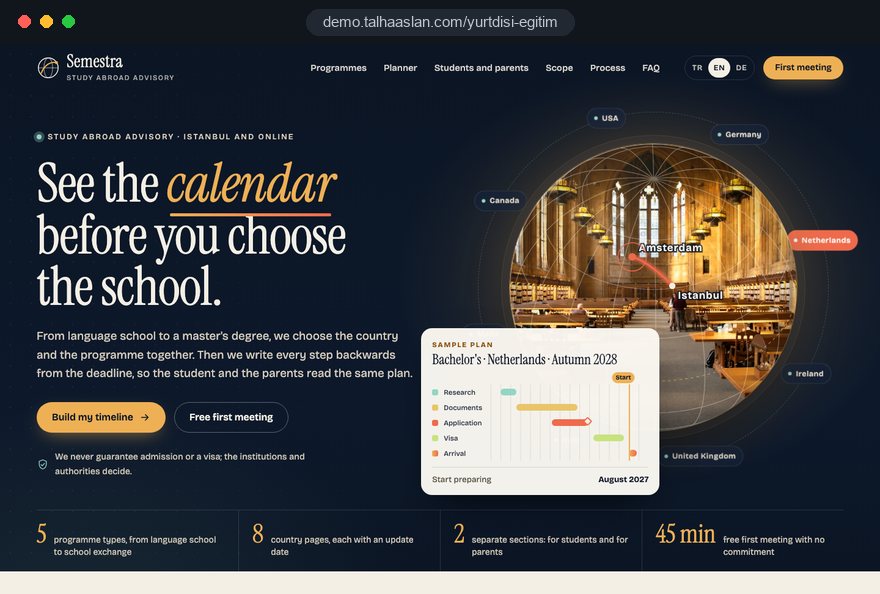
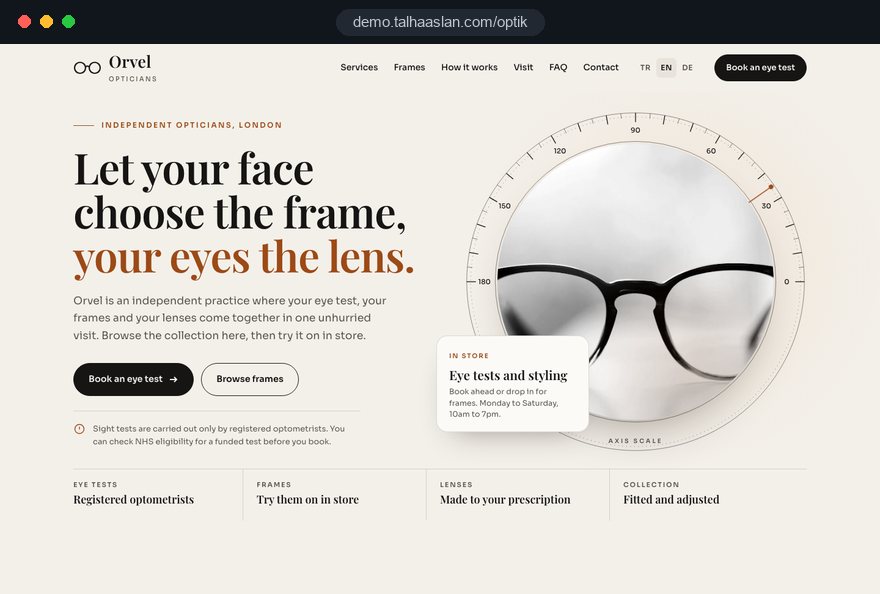
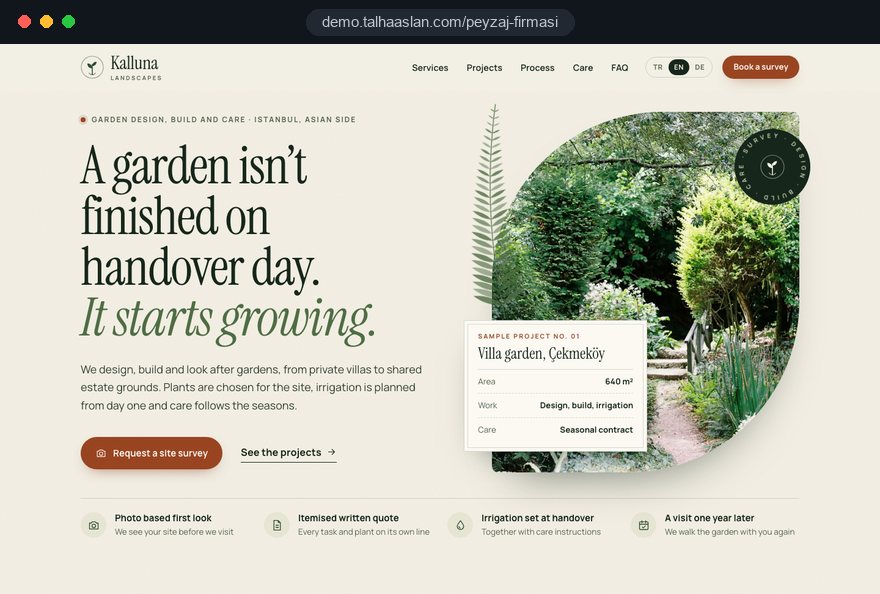
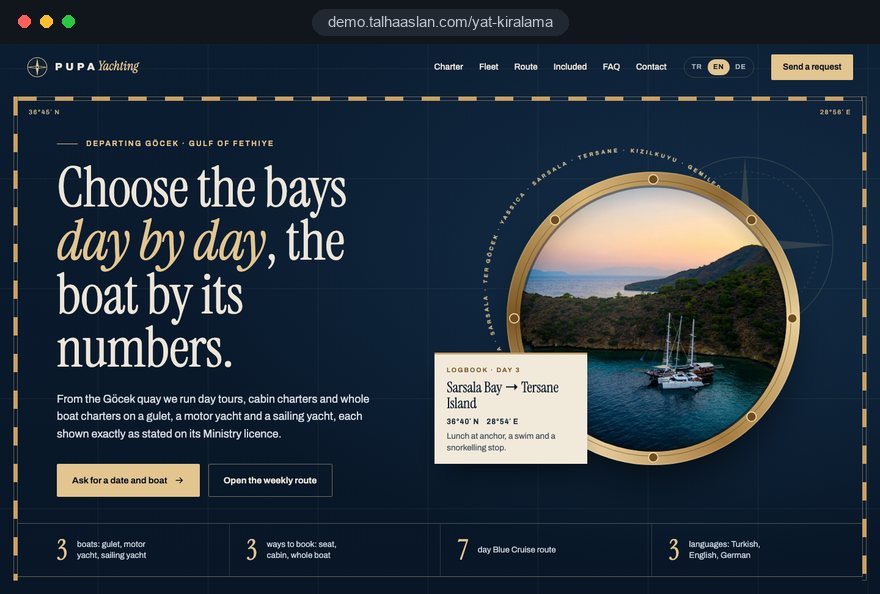
Healthcare and clinics
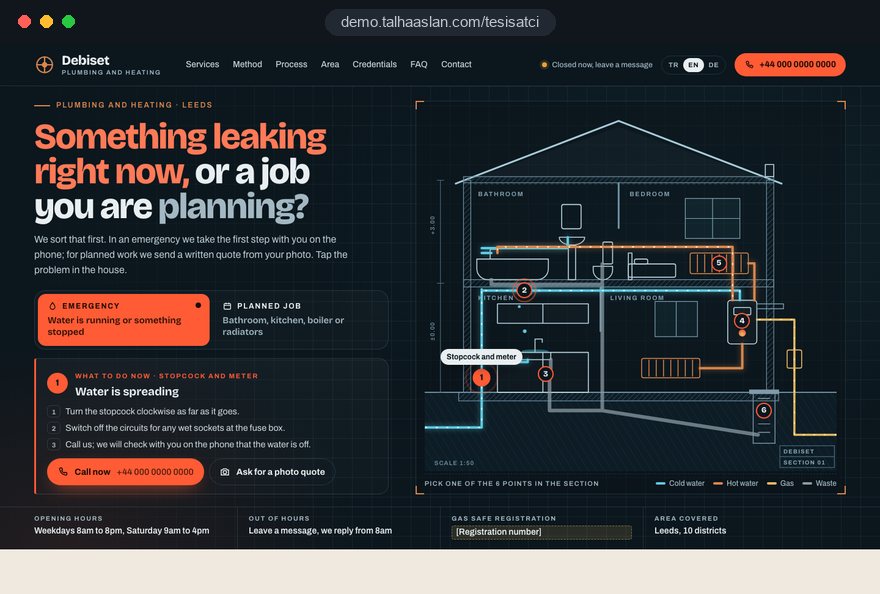
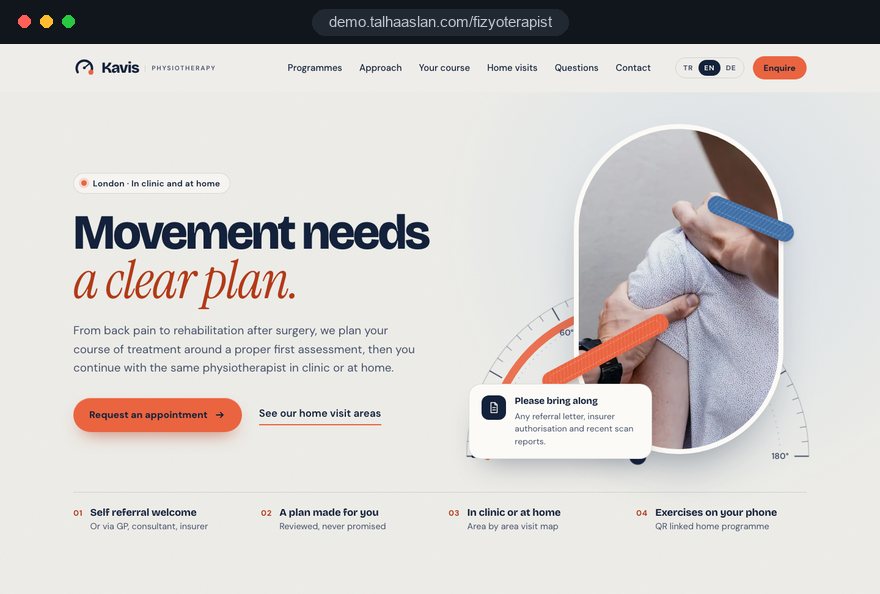
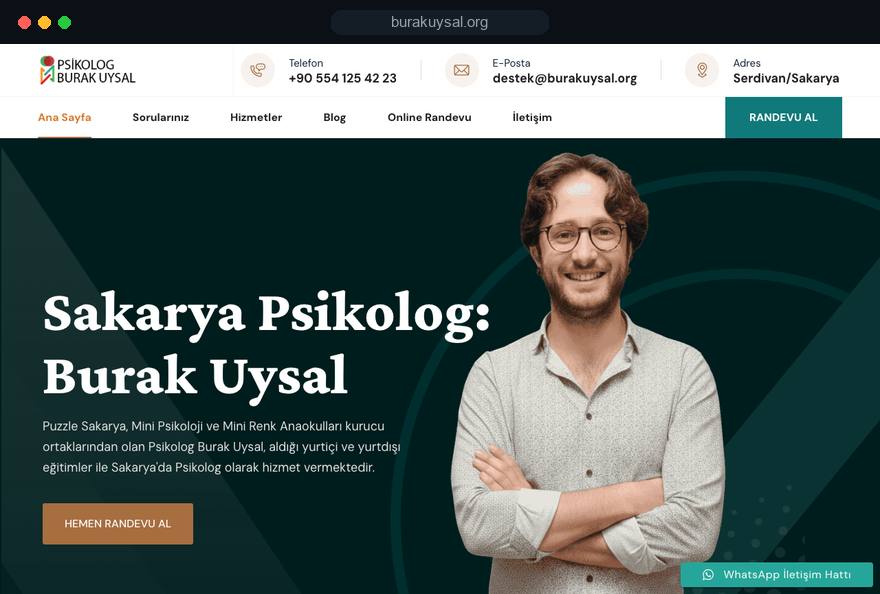
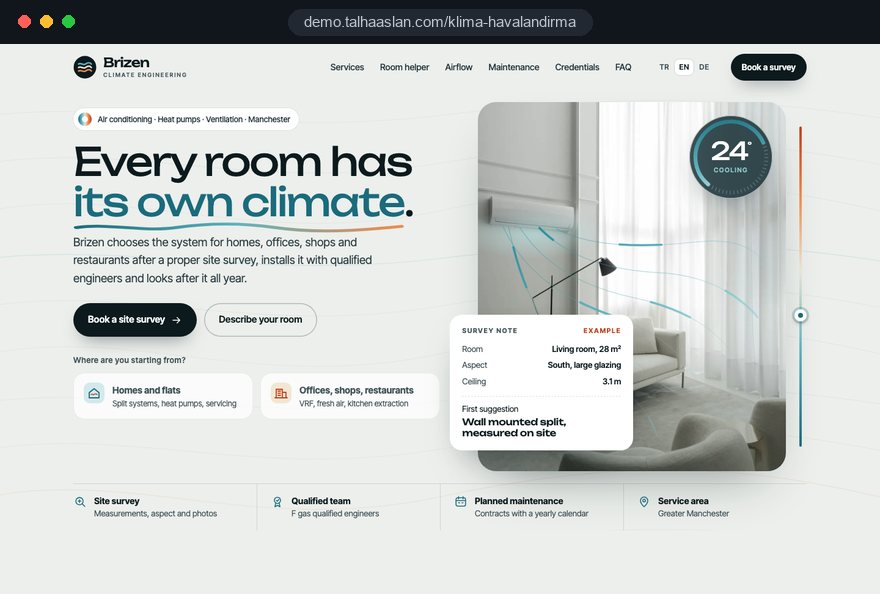
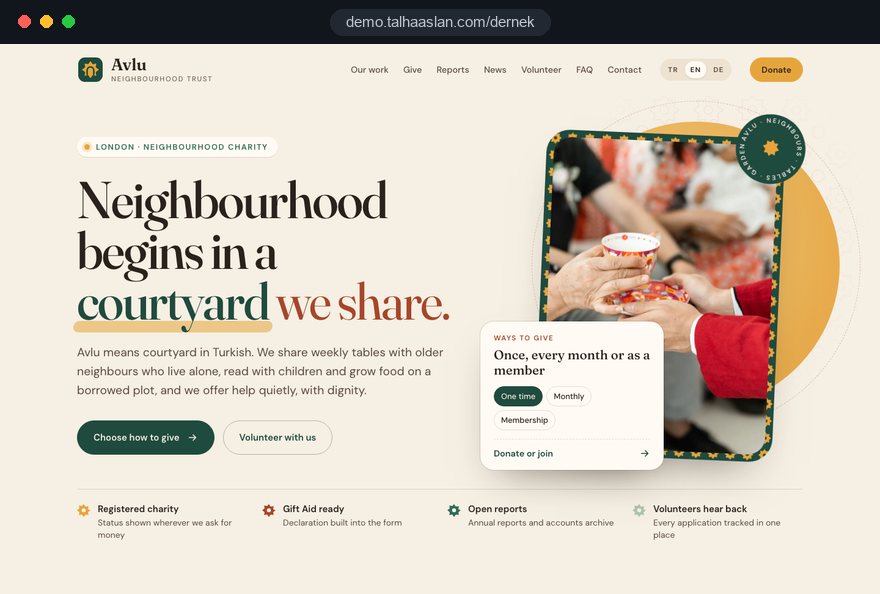
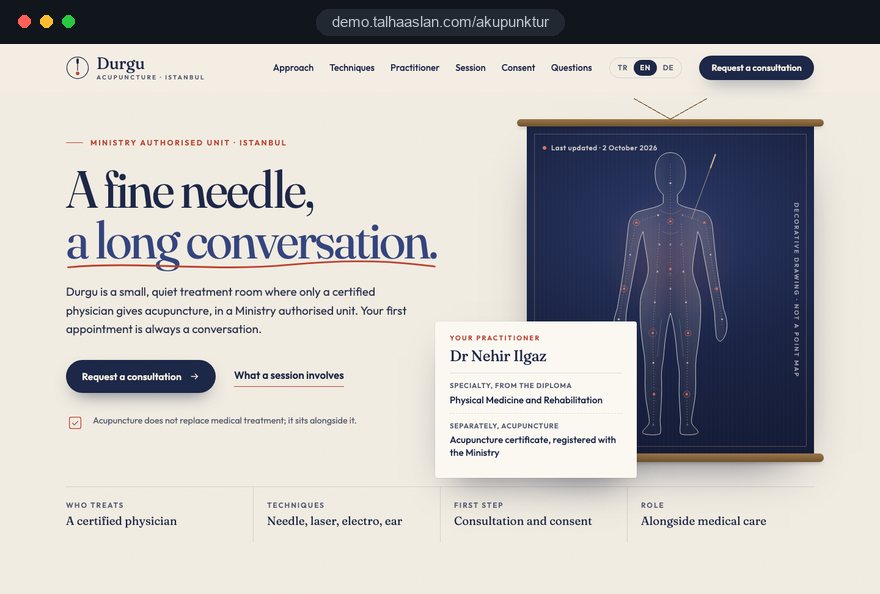
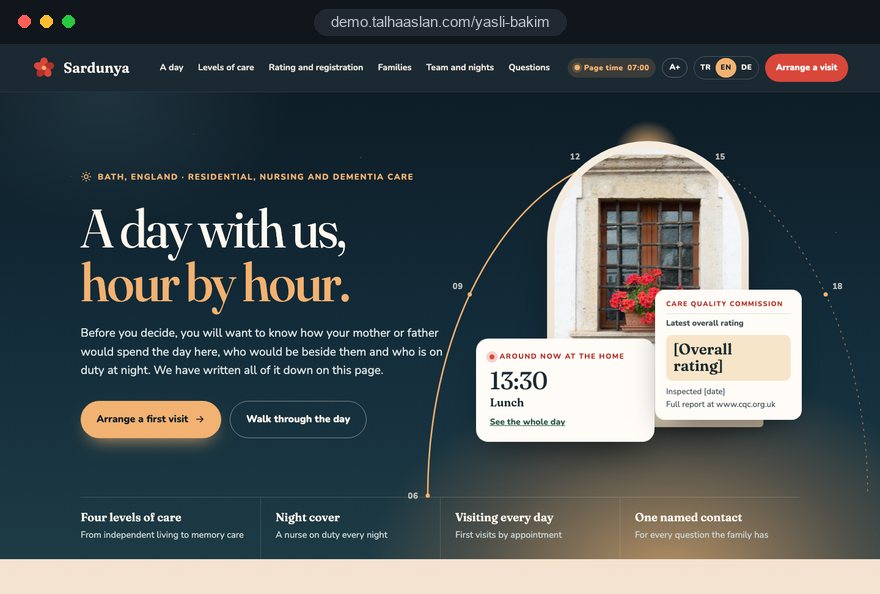
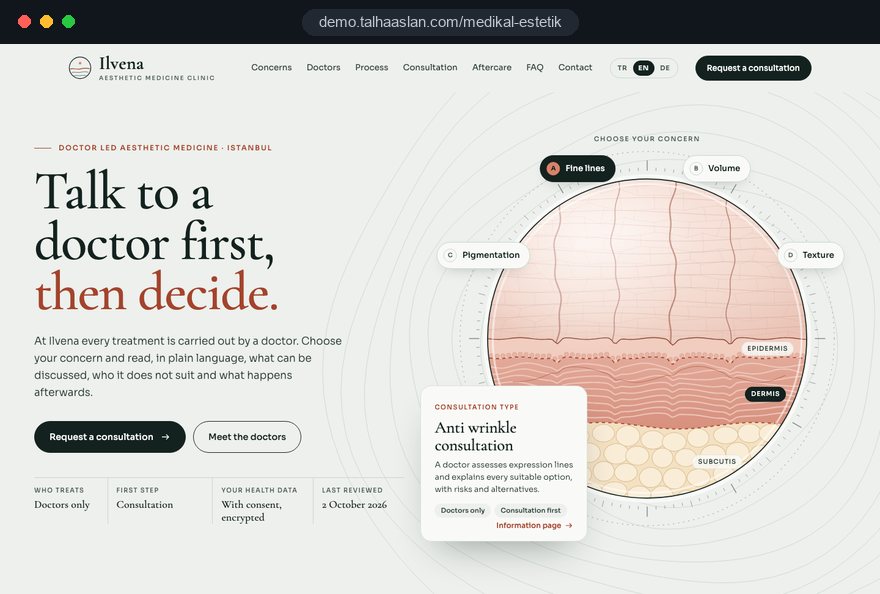
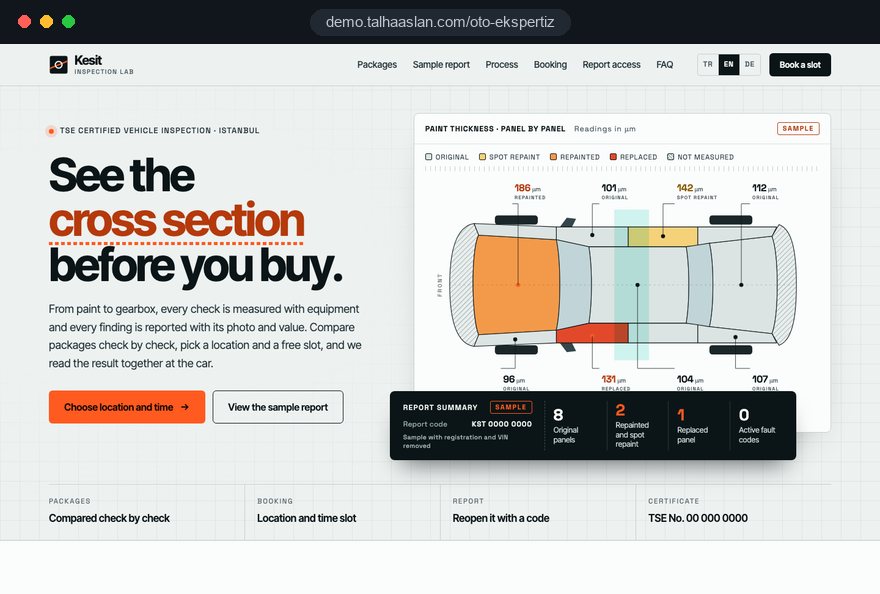
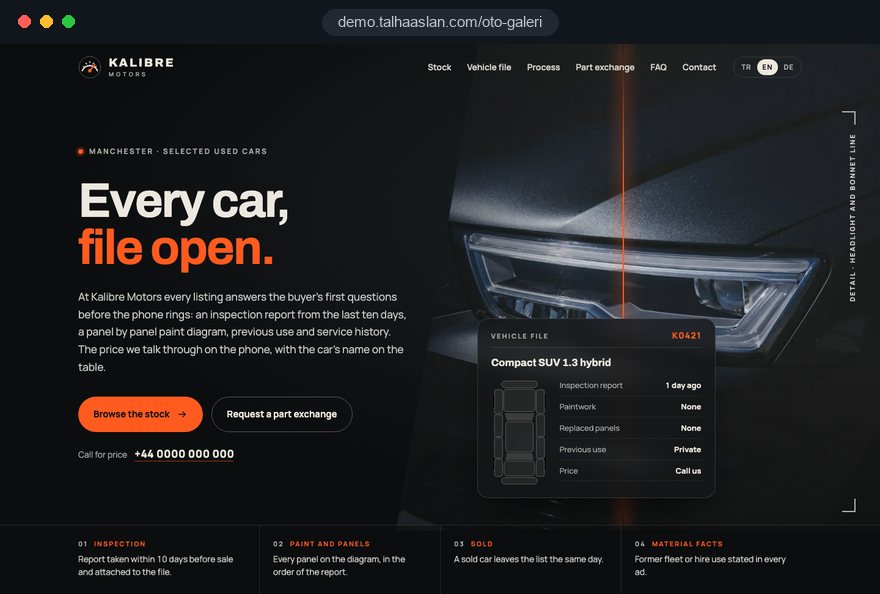
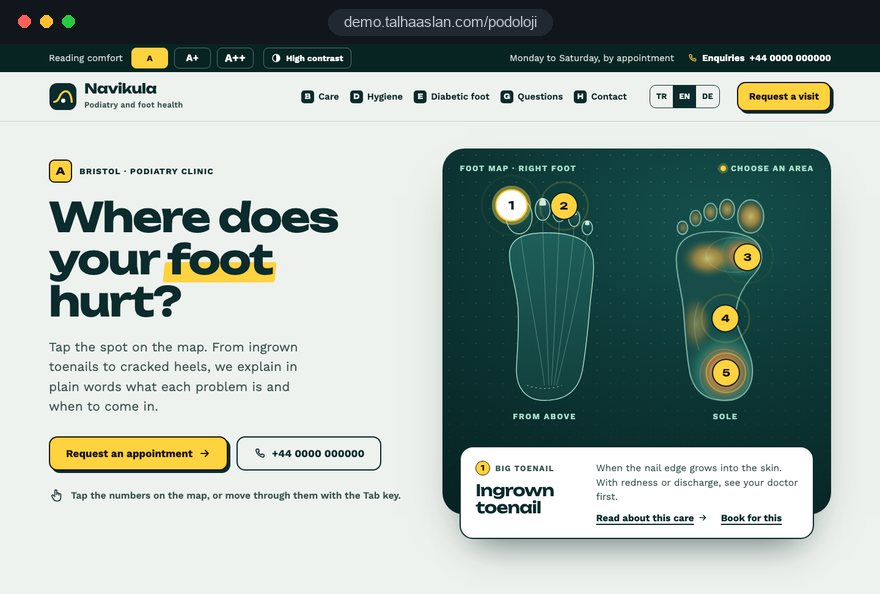
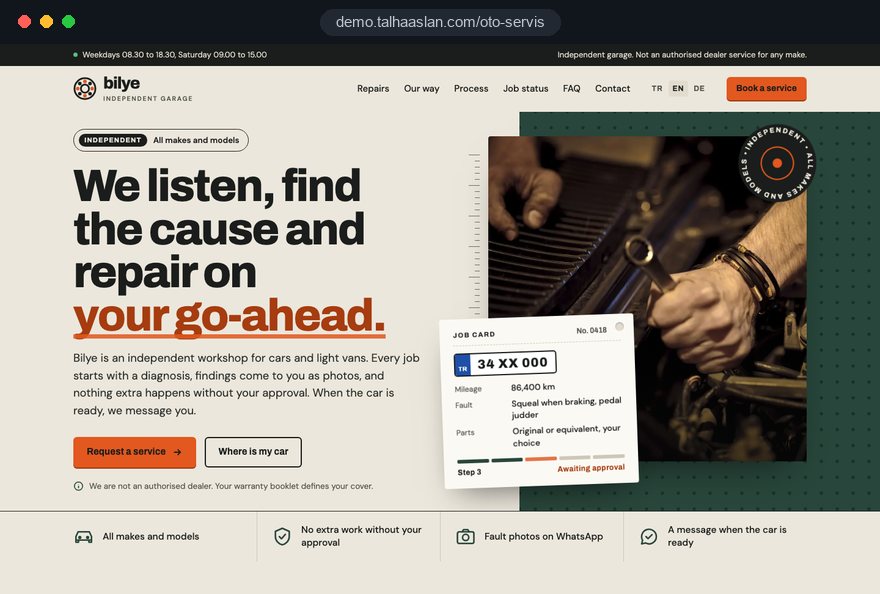
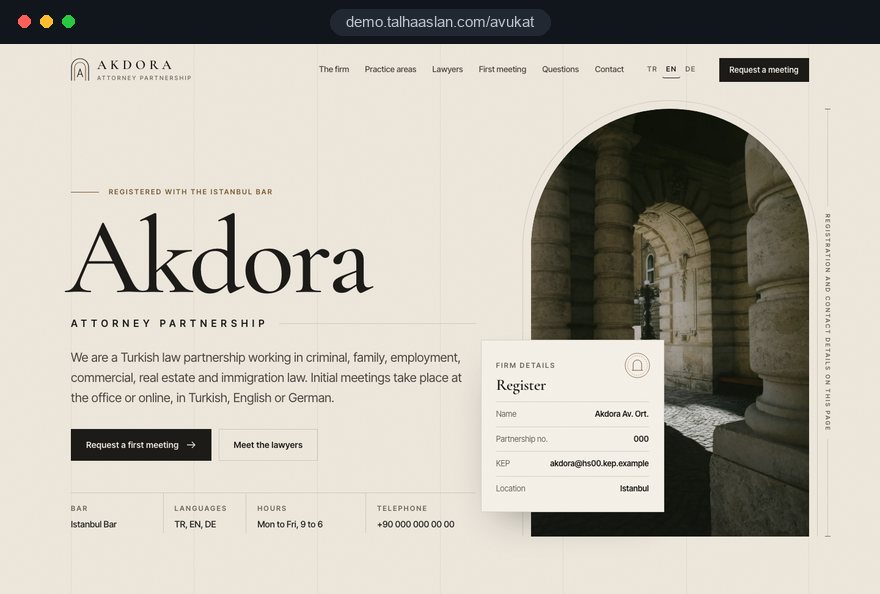
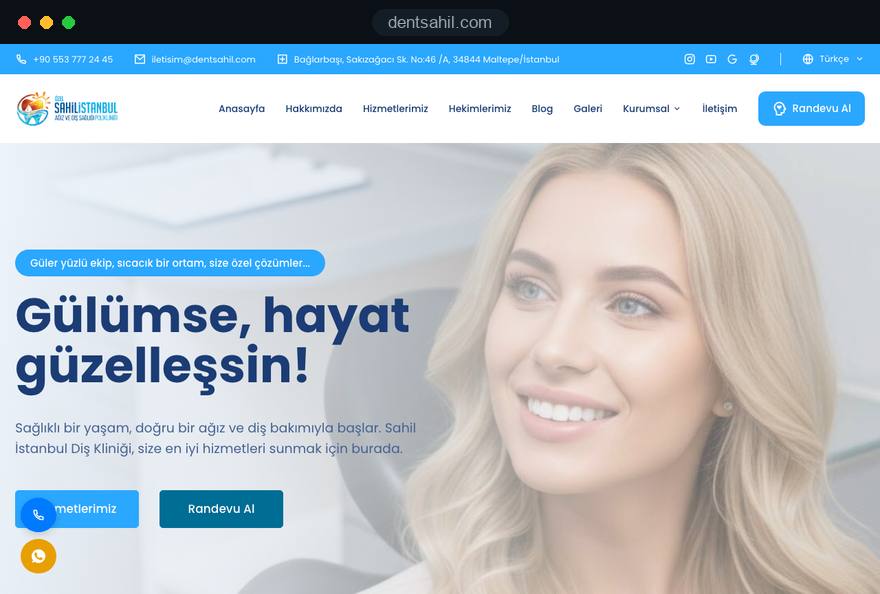
Digital marketing for clinics: a website that books appointments, local SEO for neighbourhood searches, compliant Google Ads and patient review management.
Dent Sahil, Dt. Aydın Bilge

Your Windows contrast theme is on; colours come from your system.
Your device is set to reduce motion; animations are already off.
Your choices are saved in this browser only.
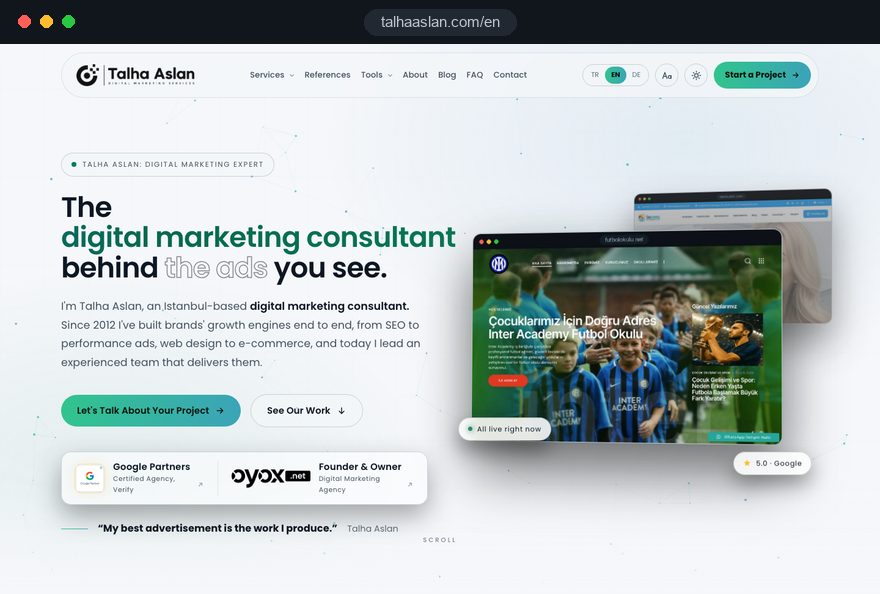
I'm Talha Aslan, an Istanbul-based digital marketing consultant. Since 2012 I've built brands' growth engines end to end, from SEO to performance ads, web design to e-commerce, and today I lead an experienced team that delivers them.
My best advertisement is the work I produce.
Talha Aslan
Definition
A digital marketing consultant is the expert who ties a brand's online investment across search, paid ads, social media and the website to one measurable goal: customers and revenue. They diagnose, decide on channels and budget, manage execution and report results. Talha Aslan has done this since 2012 as a Google Partner, with his team, for over 150 brands.
We audit the site, ad accounts, analytics and competitors to find what is really holding growth back.
Goals, channels, budget and priorities become a written roadmap with clear owners for every task.
SEO, ads, content, design and development run through one experienced team under one direction.
Every channel is reported on conversions and revenue; what fails is stopped, what works is scaled.
Expertise map
Digital marketing is not one channel. Talha Aslan and his team group 14 years of experience across 15+ industries into three jobs: bringing customers, building assets and protecting the brand.
SEO, Google Business Profile setup, AI SEO (GEO) and AI ads, Google and Meta ads, lead generation, influencer marketing and social media management: the work that brings measurable customers.
Corporate websites, mobile apps, custom software, AI automation, e-commerce infrastructure and brand identity: the ground where ads land and sales happen.
Google review removal, Business Profile reinstatement, Instagram account recovery and username acquisition: the work that protects the brand.
Who we work for
Our office is in Istanbul; because every part of the work runs remotely, brands anywhere in Turkey and Europe get the same setup and the same reporting.
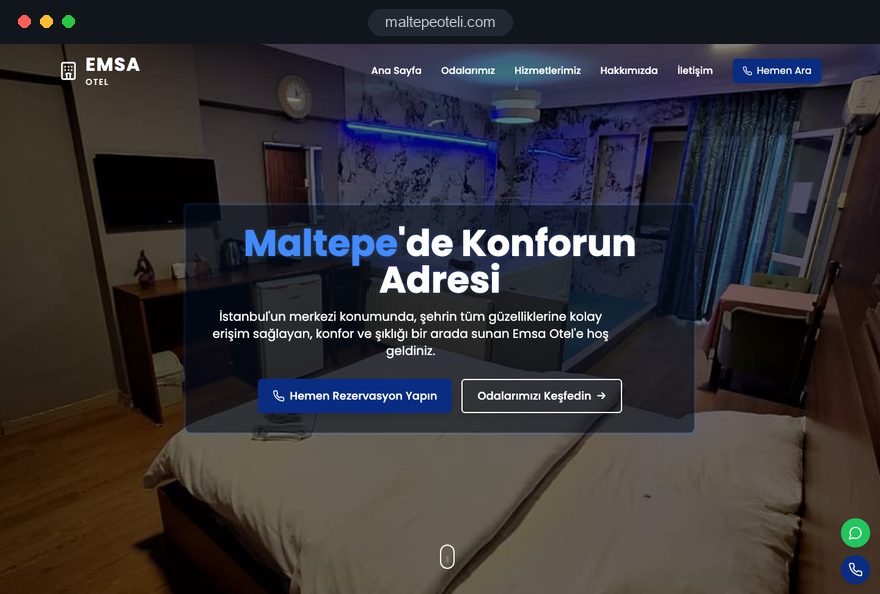
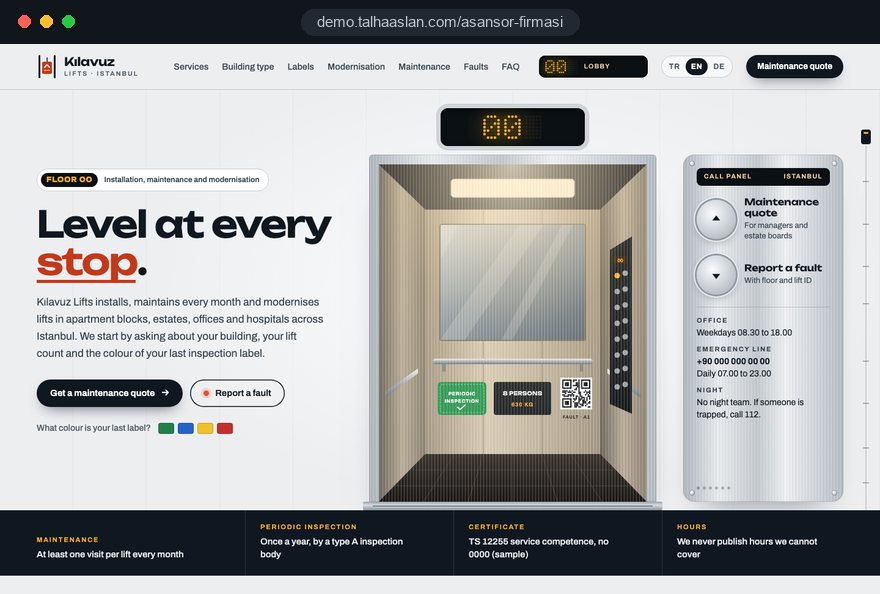
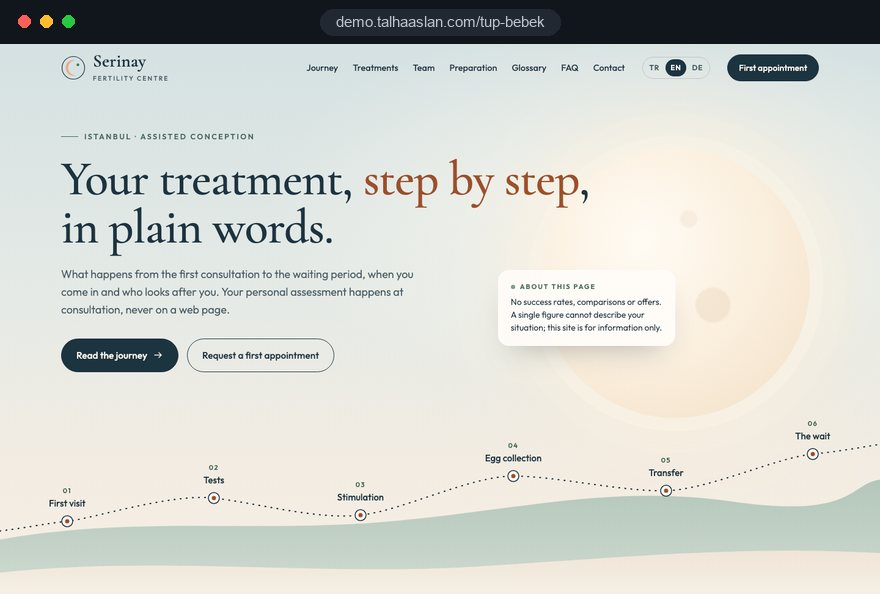
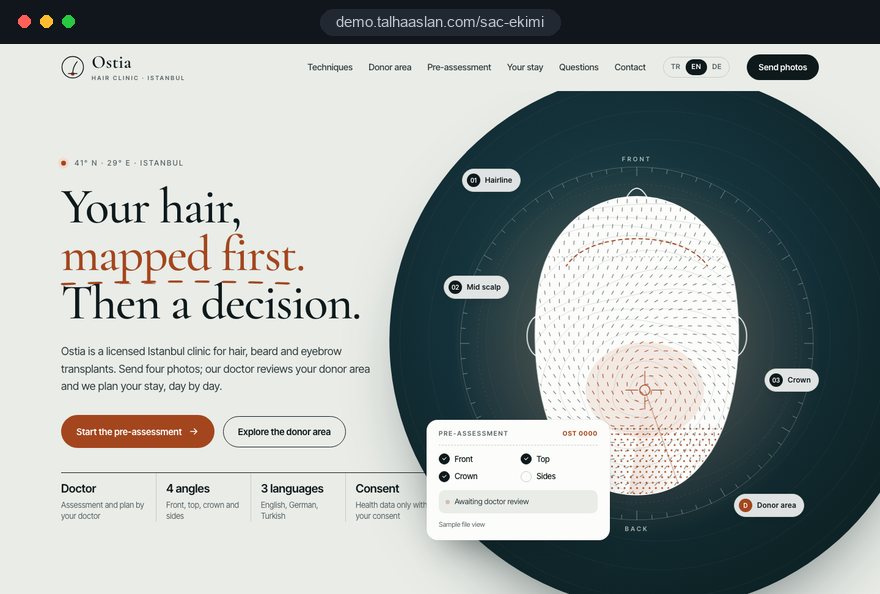
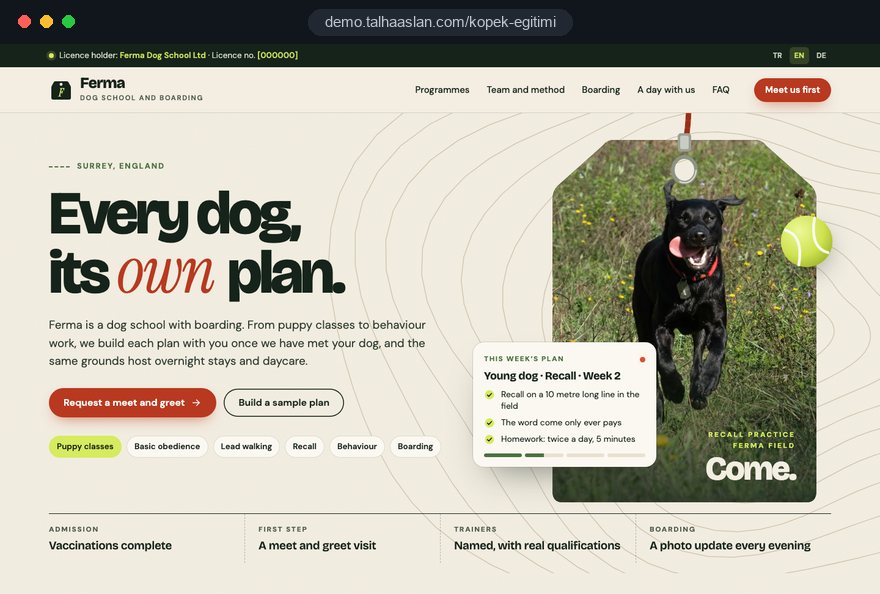
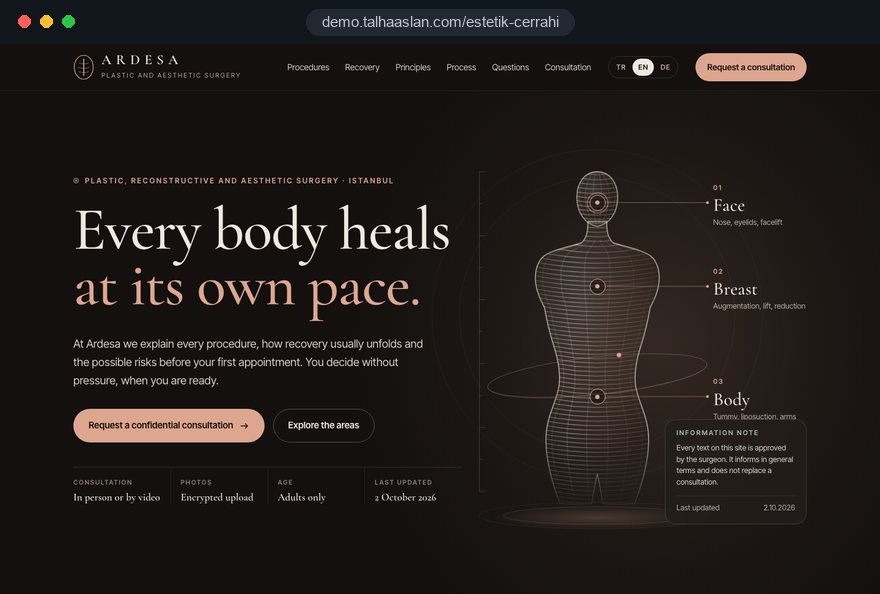
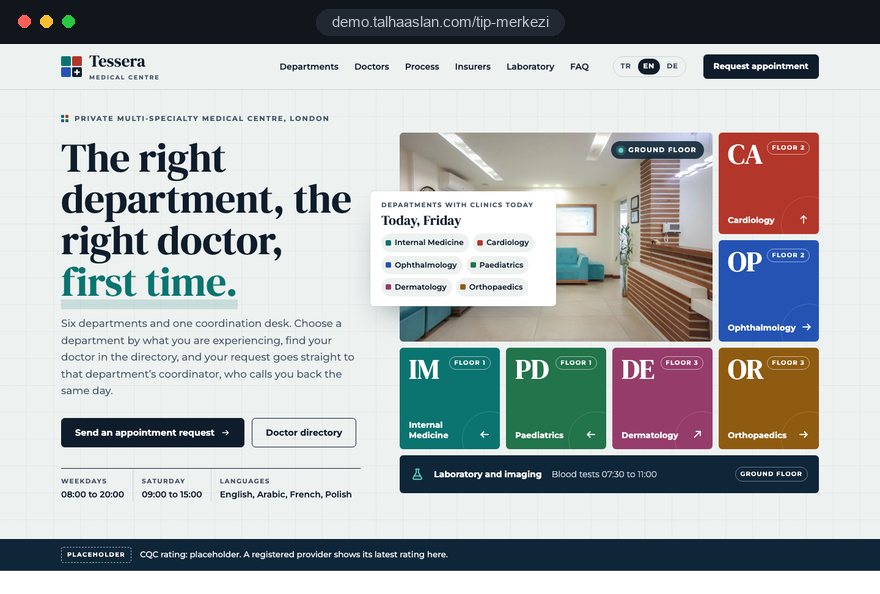
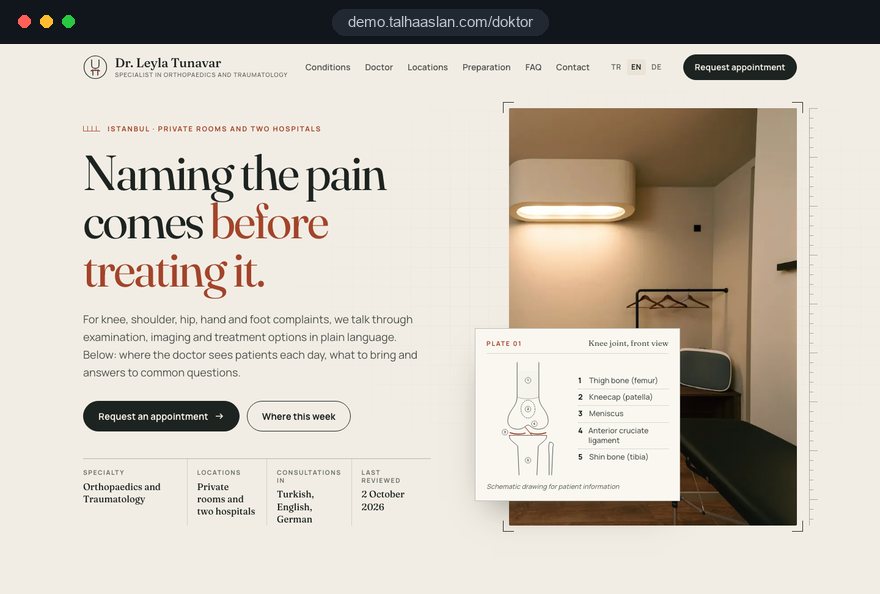
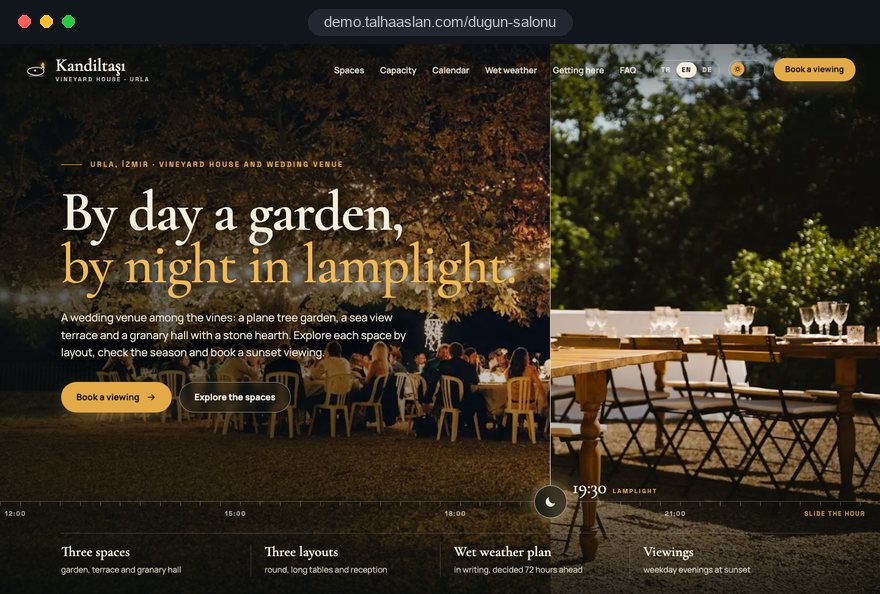
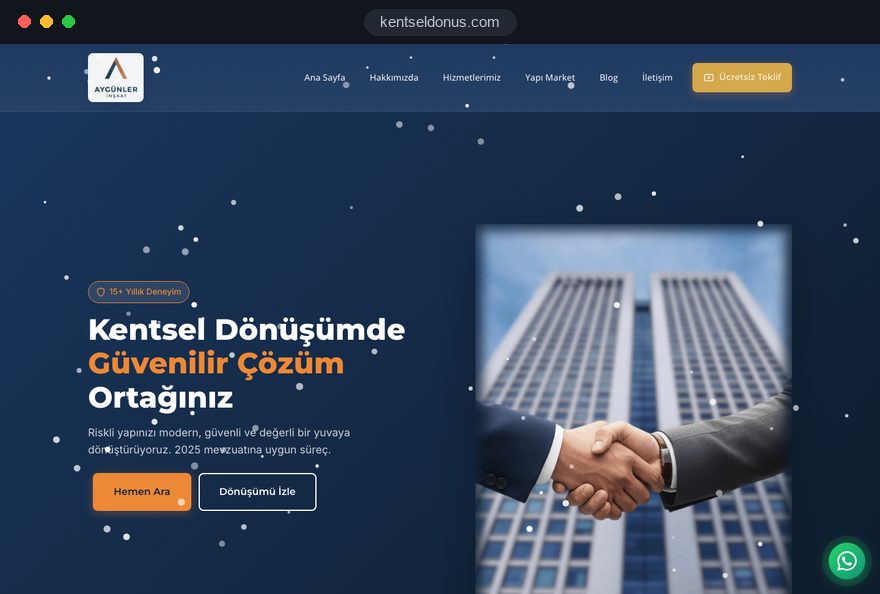
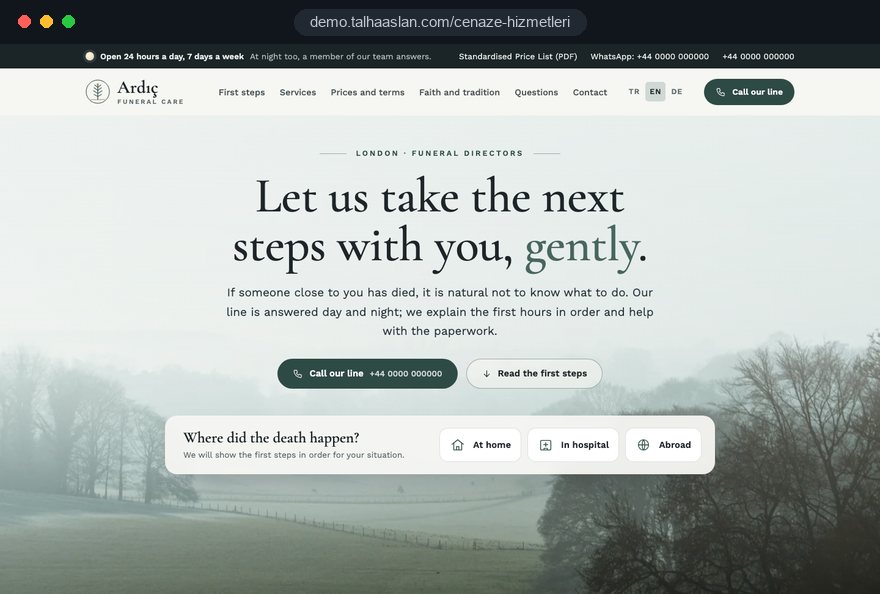
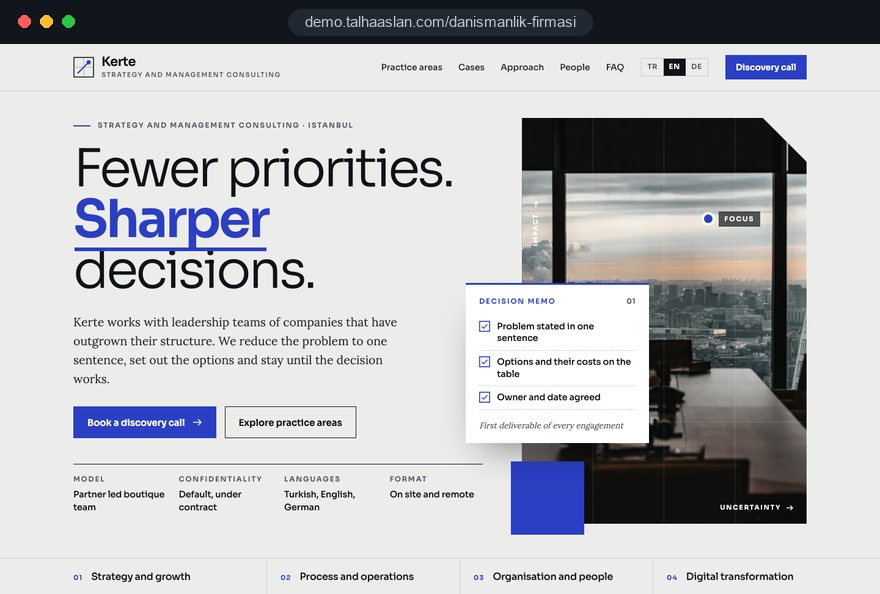
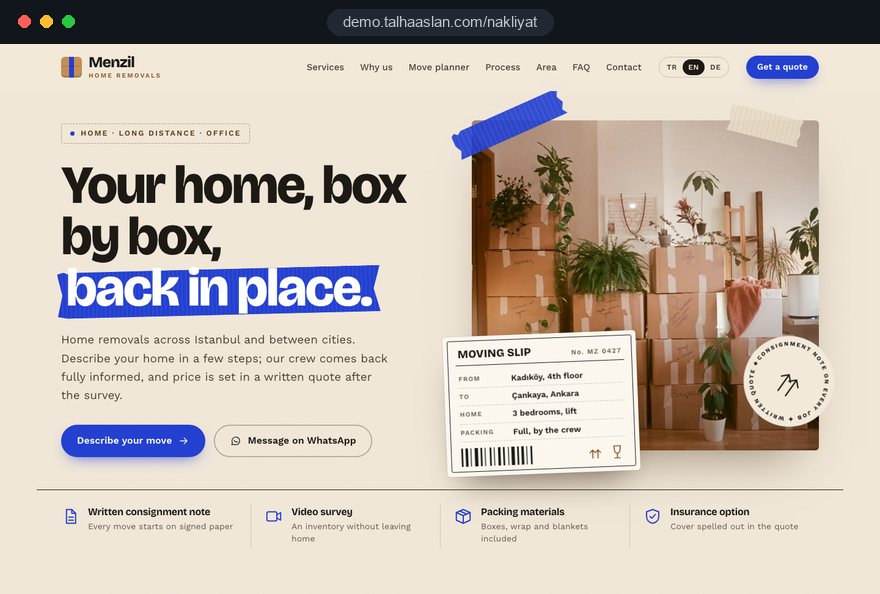
Digital marketing for clinics: a website that books appointments, local SEO for neighbourhood searches, compliant Google Ads and patient review management.
Dent Sahil, Dt. Aydın Bilge
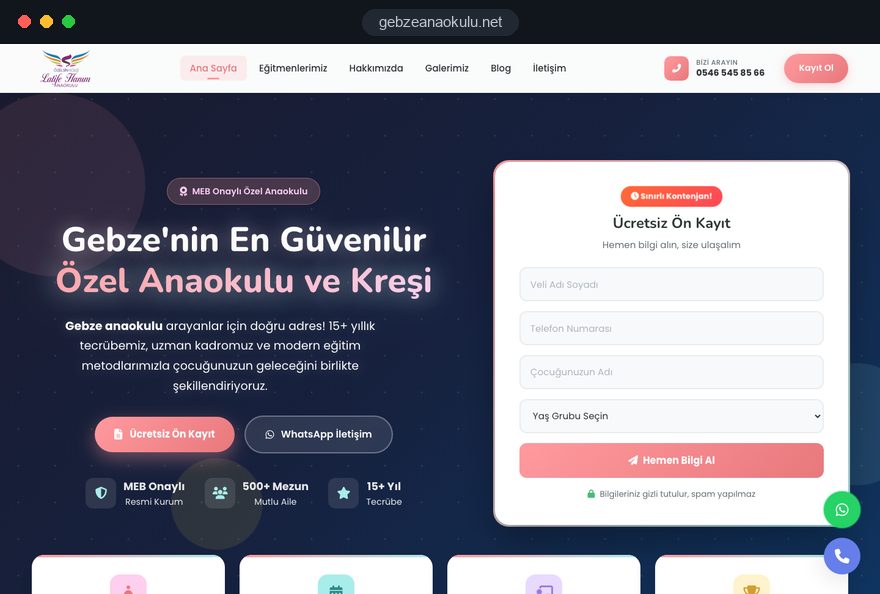
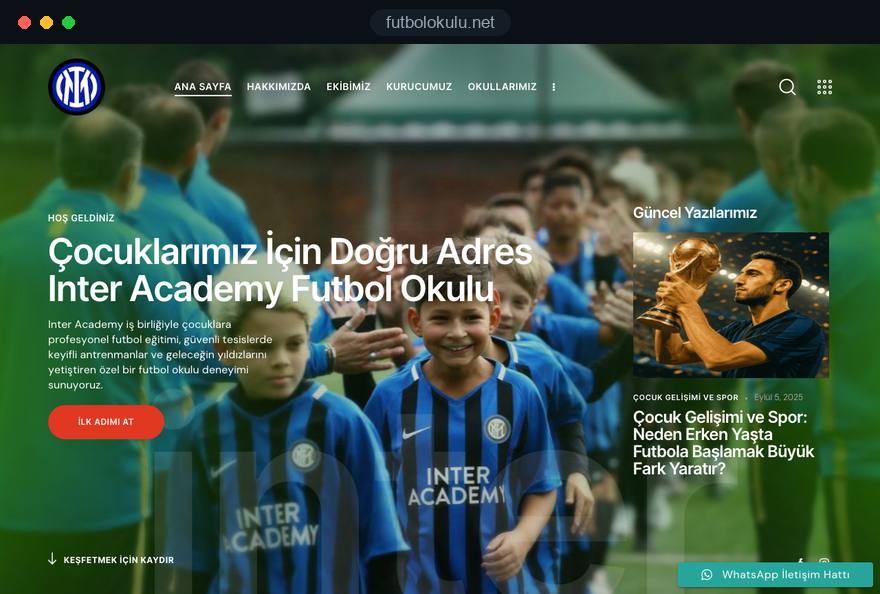
Digital marketing for sports academies: enrolment season ads, a website parents trust, social media and club branding; Planox handles the admin.
İnter Academy, Darıca 1934 SK
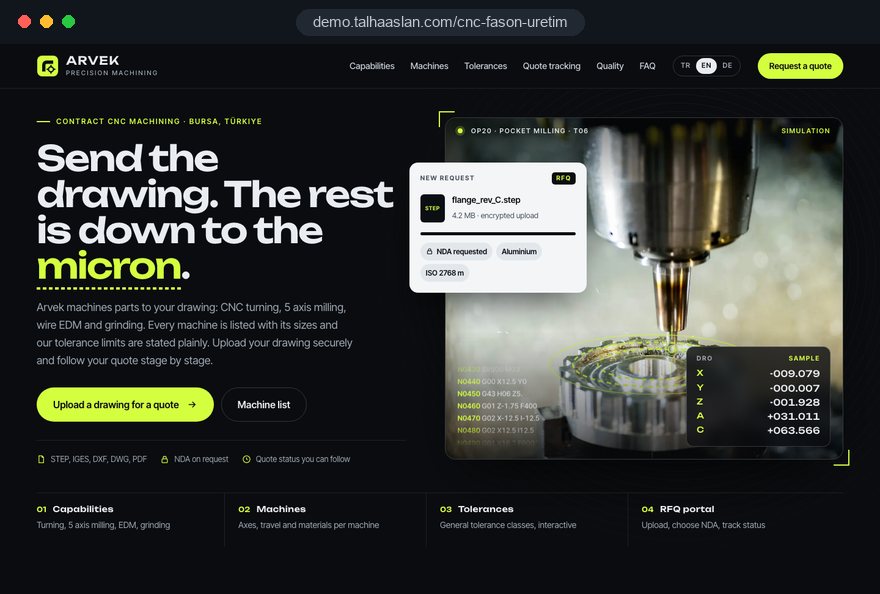
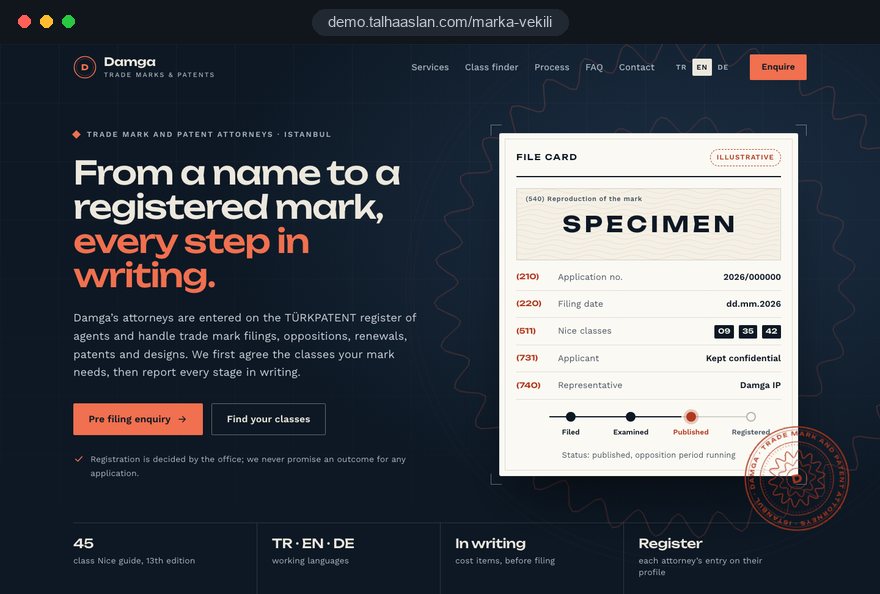
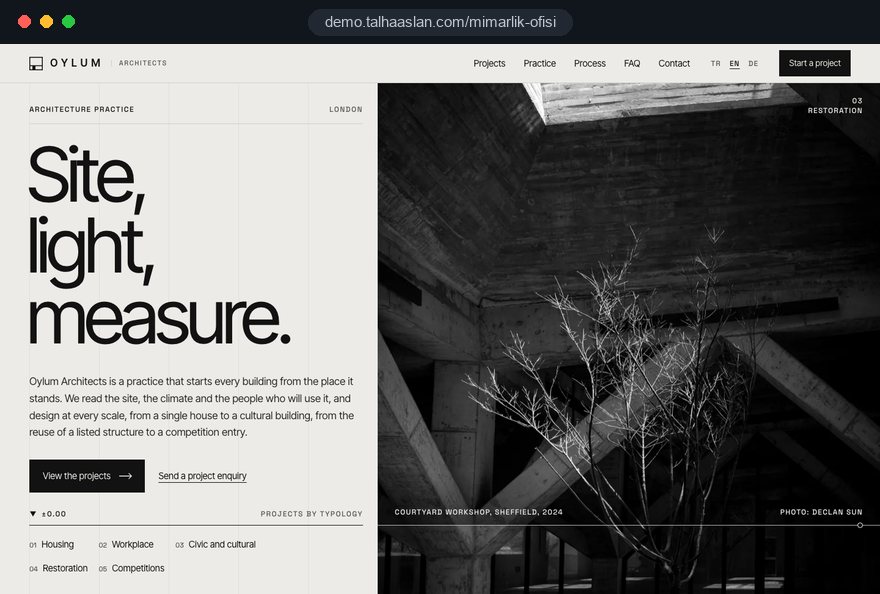
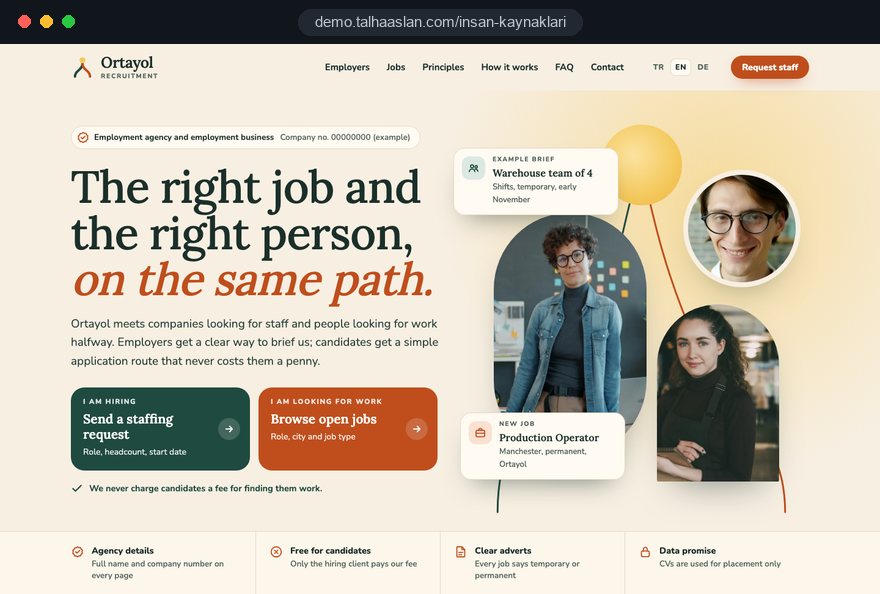
Digital marketing for insurance: a platform that turns visits into quote requests, ads measured on cost per lead, SEO for policy searches.
Sigortox
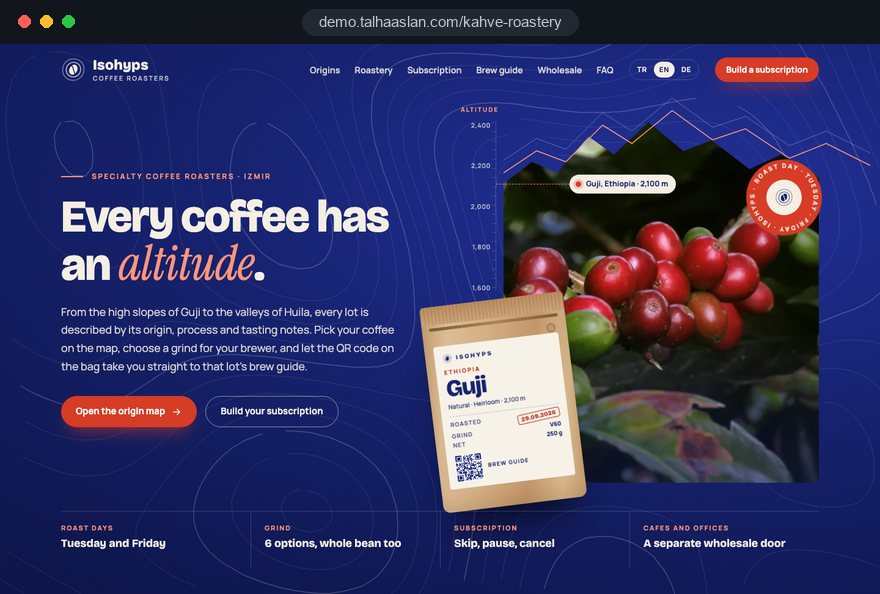
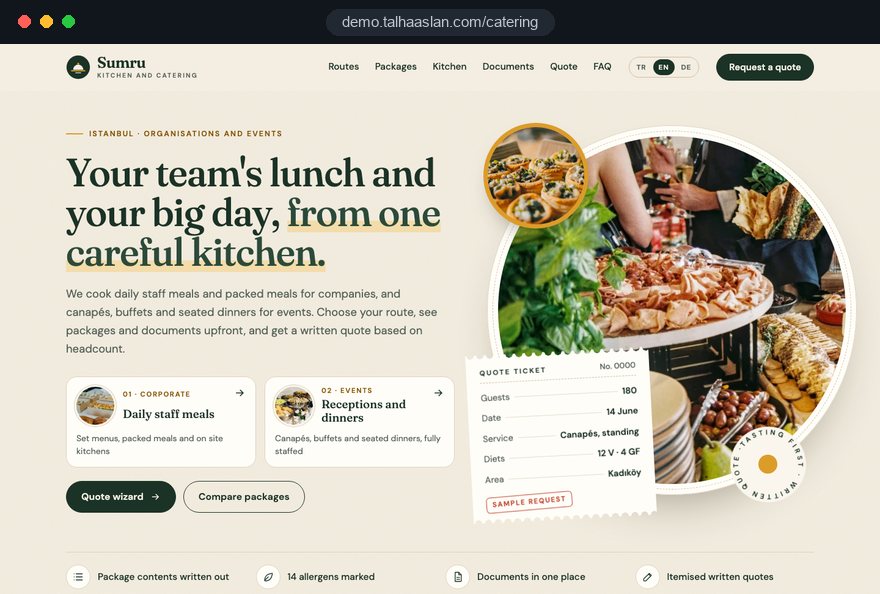
Digital marketing for e-commerce: a store built to sell, Shopping ads fed by a clean product feed, a brand remembered beyond price.
Sade Home Design
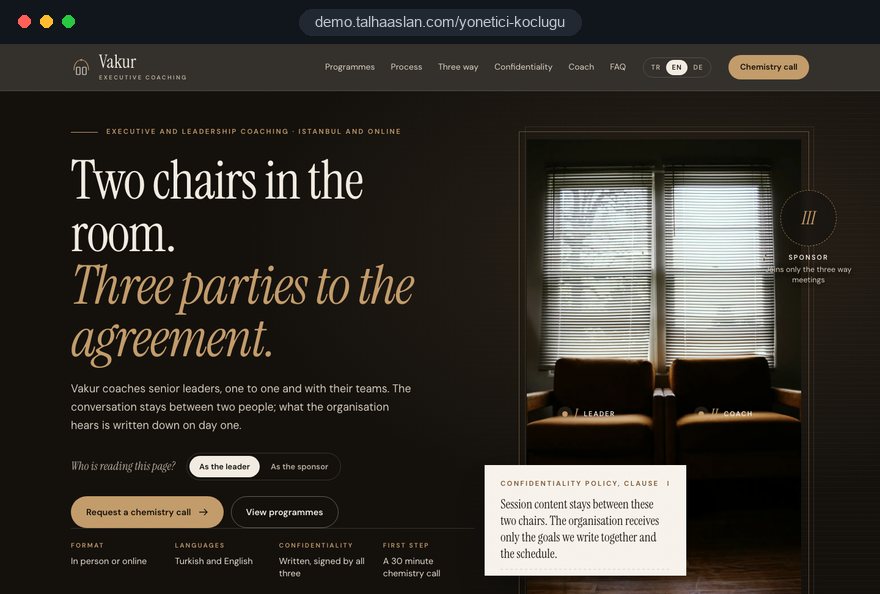
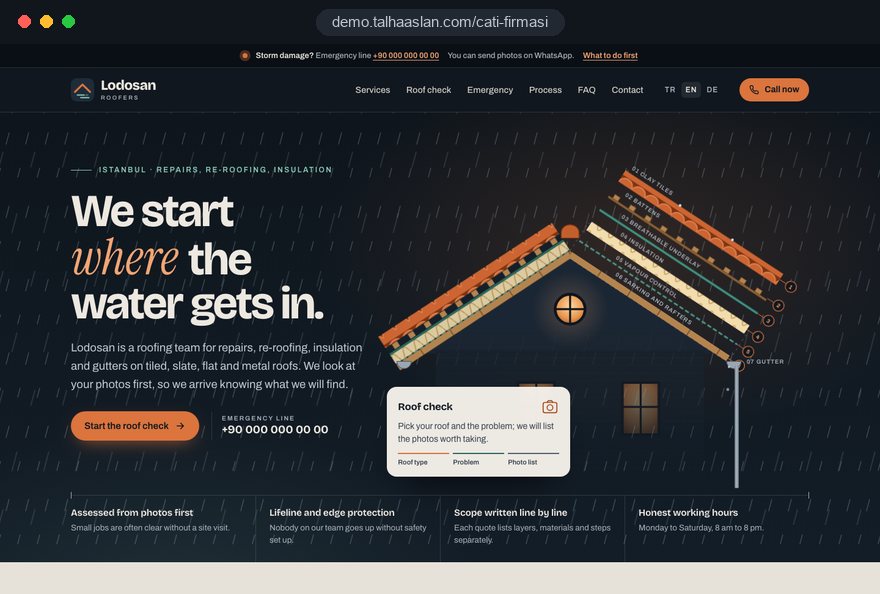
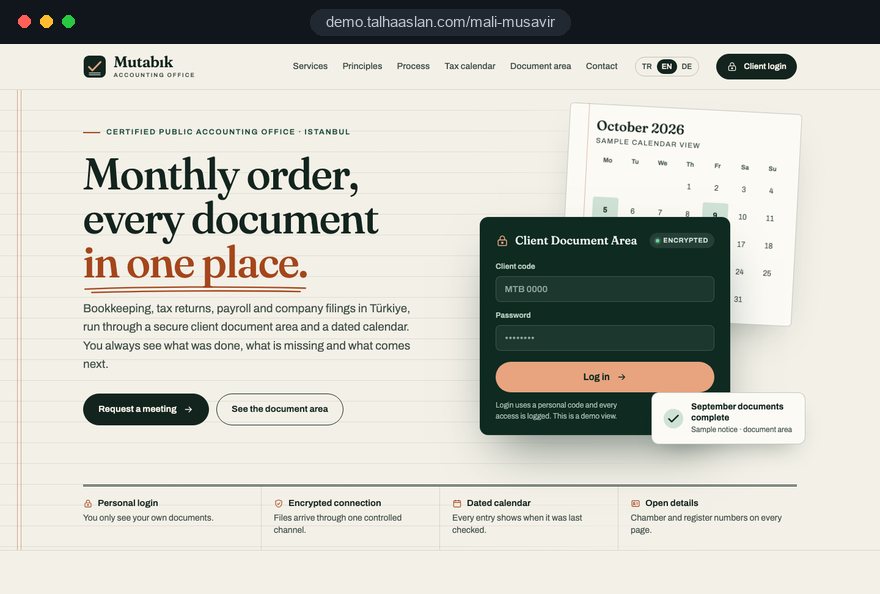
Digital marketing for SaaS: product sites built for trial signups, SEO for problem-led searches and trusted branding, with methods proven on the SaaS projects we have built.
Planox, Operox
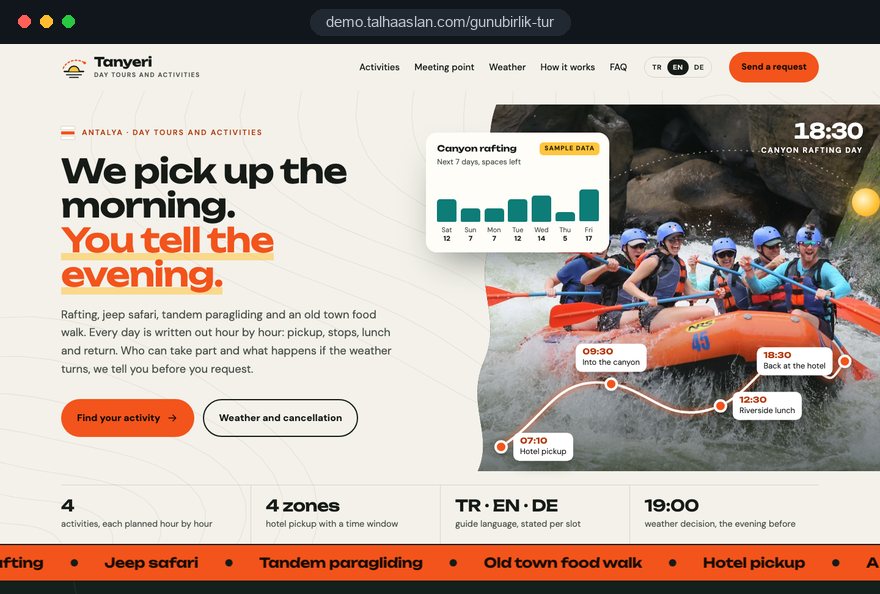
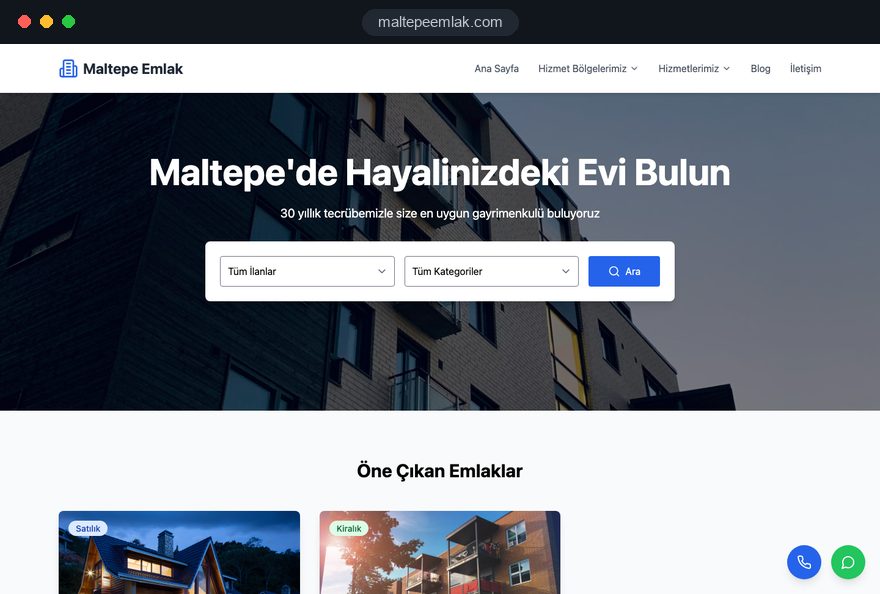
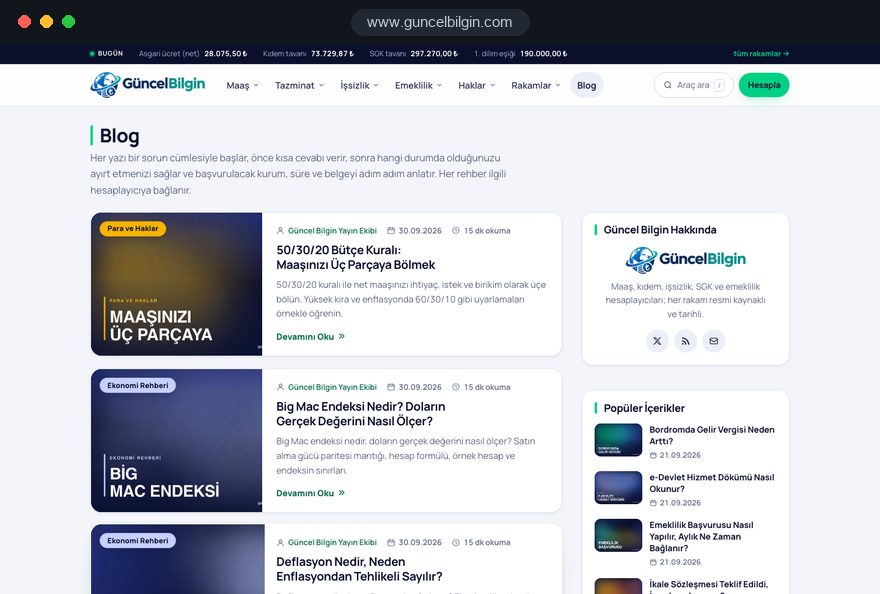
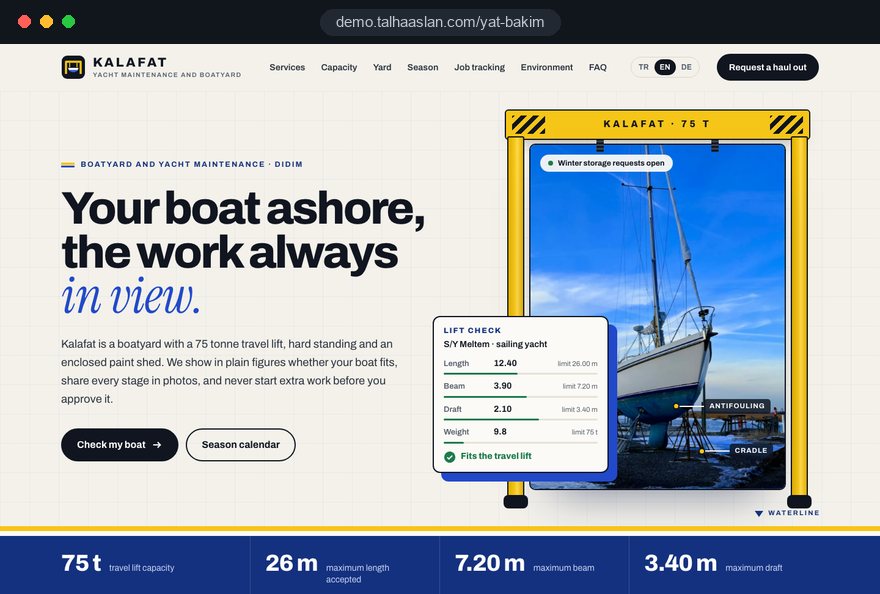
Digital marketing for local businesses: Google Maps visibility, local SEO for district searches, a site that makes the phone ring, review management.
Maltepe Elektrikçim, Soyalan Lojistik
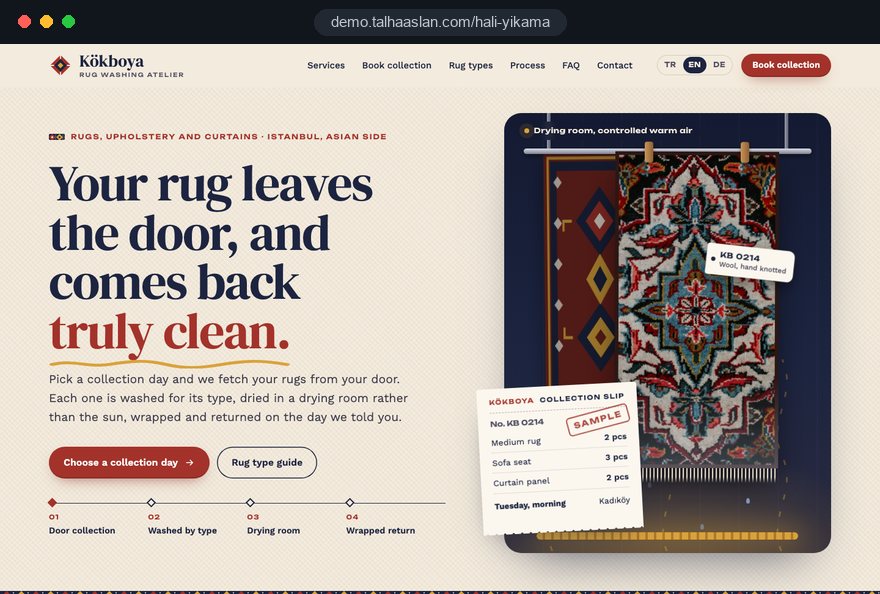
The examples above are real client work. For web design, we have also prepared dedicated guides and sample designs for more than 110 industries.
Find your industryWhy Talha Aslan?
For years I grew other people's clients under agency roofs. Today I take your brief and own the strategy; experienced specialists on my team run design, development, ads and content.
You never have to ask what stage your project is at. Through the CRM I built, you watch every task and every delivery from my team live, even at midnight.
Your campaigns run under certified account management that meets Google's competency standards, proven methodology, not trial and error.
Conversion tracking is set up on day one of every campaign. We don't discuss "the ads are running", we discuss which click converted into what.
How we work
Every step has a named owner: strategy and outcome sit with Talha Aslan, execution with experienced team members in each discipline.
You share your goals, current channels and budget range in the short form; we reply the same day and, if needed, ask a few short questions to pin down the scope.
Your request becomes a written proposal: channels, budget and priorities. It states what will be done, who does it and what gets measured.
Ads, SEO, content, design and development are delivered by the experienced team; direction and quality control stay with Talha Aslan. Quick wins are scheduled first.
Conversions, cost and revenue are reported regularly. What fails is stopped, what works gets budget, and the strategy is updated monthly on data.
All work, ad data and reports are open to you 24/7 in our own CRM; you never have to wait for a meeting to see what has been done.

Founder and team
I am Talha Aslan. I have worked in digital marketing since 2012, and today, as a Google Partner, I take responsibility for the strategy, direction and results of more than 150 brands. Alongside web and marketing, we also take on software development: with my team I have built SaaS platforms, CRM and automation systems. Every method I recommend to clients was tested in my own businesses first.
Design, development, advertising, content and production are handled by experienced team members in each field, while direction and quality control stay with me. From our office at Nida Kule in Istanbul we work with clients across Turkey and Europe in Turkish, English and German.
The right model
Each model has a place where it is the right answer. We kept this comparison honest so you can see which one fits your job.
For a small one-page job, a good freelancer is enough; for major media buying including TV and outdoor, choose a large agency.
References
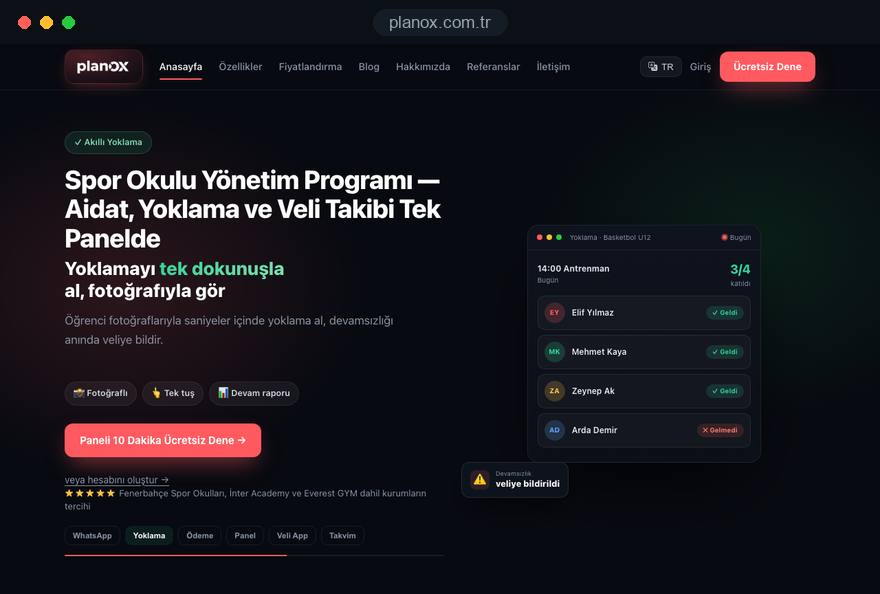
Management software for sports schools: dark-theme brand refresh, corporate landing and a subscription-based sales funnel.
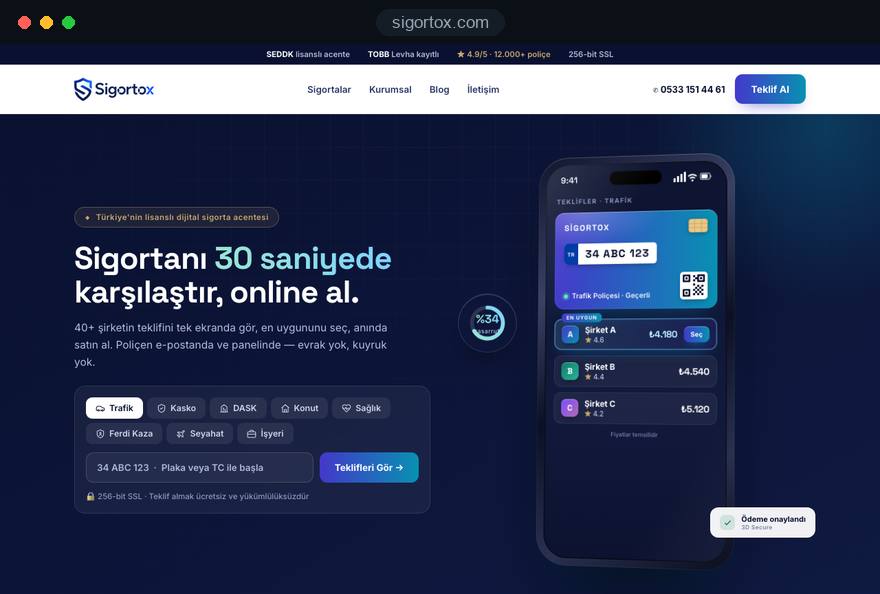
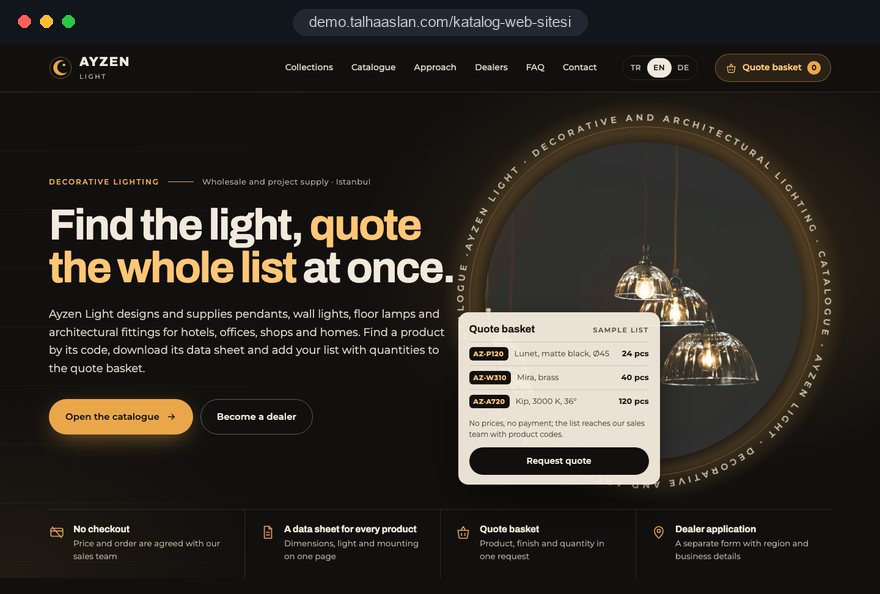
Online quoting infrastructure for a licensed agency: comparative quote engine, agent panel and lead-focused ad setup.
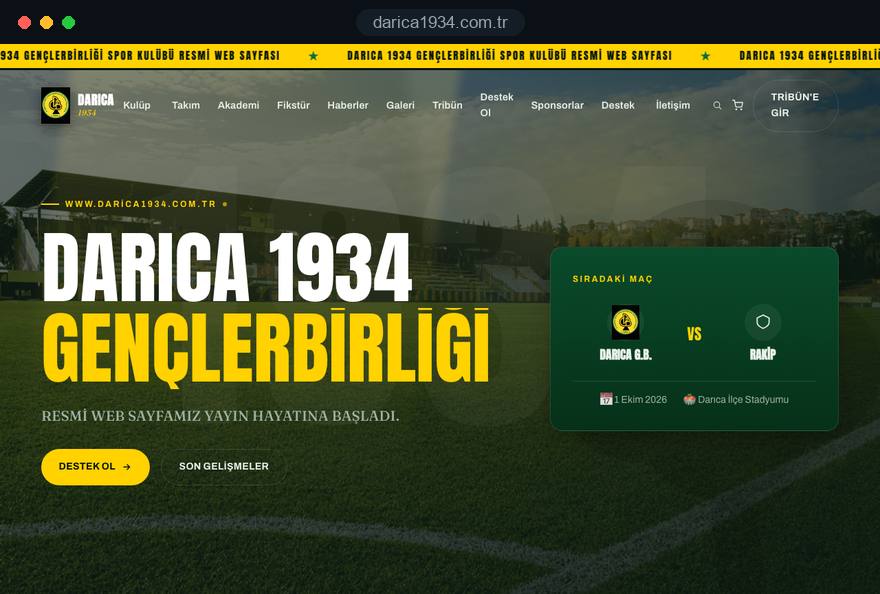
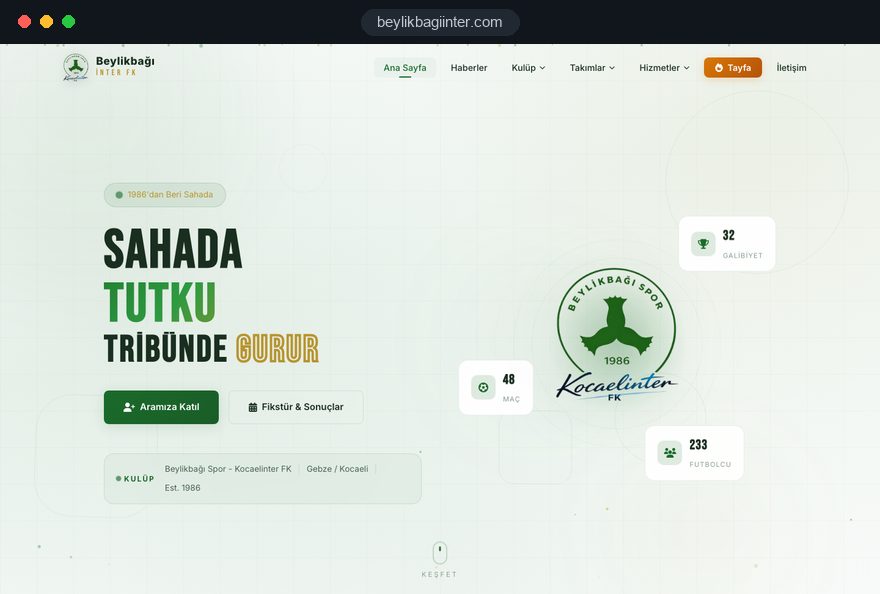
Official website, admin panel and fan e-store for a historic sports club: a digital ecosystem aligned with the club identity.
Drag to explore05 cases
Some of the brands we have worked with









Google Reviews
All reviews are from our Google business profile, translated without editing.
We worked with two agencies before and never knew who to ask what. With Talha there's one contact: you write, you get an answer, the work gets done. Our Google ads were in order within the first month, now our appointment book fills up.
He built our e-commerce site from scratch and thought through every detail down to the checkout flow. My favorite part is watching every task live in the CRM, I know what's finished without calling anyone. Highly recommended.
He took on both the software and the promotion for our sports school. Parents now reach us through social media, and for the first time we closed enrollment without billboards. Someone who truly loves his work.
Insights from the field
Our articles come from real campaigns and client accounts; our free tools let you run the same checks yourself.
 Digital Marketing · 24.10.2026
Signs of a Good vs. a Bad Digital Marketing Expert
Digital Marketing · 24.10.2026
Signs of a Good vs. a Bad Digital Marketing Expert
 Web · 24.10.2026
Why Does Empty State Design Matter on Your Website?
Web · 24.10.2026
Why Does Empty State Design Matter on Your Website?
 Web · 24.10.2026
Why Does Your Website Need Breadcrumb Navigation?
Web · 24.10.2026
Why Does Your Website Need Breadcrumb Navigation?
A digital marketing consultant turns a brand's online investment into customers and revenue. The consultant analyses the current situation, chooses channels and budget for the goal, manages SEO, paid ads, content and social media, and reports results with data. Here that responsibility sits with one expert, Talha Aslan, while experienced team members carry out the execution.
At an agency many hands do the work and it is often unclear who makes the decisions; a solo consultant offers strategy but limited capacity to execute. Talha Aslan and his team sit between the two: one expert owns the strategy and the outcome, and an experienced team delivers design, development, ads and content. Your point of contact never changes.
Fees depend on the number of channels, the monthly ad budget, content and design needs, and the size of the goal. Common models are a one-off project fee, a monthly management retainer or a percentage of ad spend. We study your quote request, define the scope and send a written proposal that states what will be done, who does it and what gets measured.
It depends on the channel. Paid campaigns produce first data within days, but meaningful optimisation usually needs a few weeks of learning. SEO and content compound over months. That is why we schedule quick wins in the first 30 days and run long-term work in parallel. We do not promise rankings or revenue; we promise measurement and regular reporting.
We have worked with more than 150 brands across 15+ industries. Our office is at Nida Kule in Istanbul, but the work is fully remote-capable, so we serve clients across Turkey and Europe in Turkish, English and German. Reporting and CRM access are identical wherever you are based. On the web design side we have also prepared dedicated guides and sample (demo) designs for more than 110 industries, always clearly labelled apart from real client work.
In the form you share your goals, current channels, budget range and what you have tried before. We reply the same day and, if needed, ask a few short questions to pin down the scope. Within 1 business day you receive a written proposal with scope, timeline and fees. The account audit and diagnosis are the first step of the approved work. The decision stays with you.
Send the signal
Describe your project in a quote request, and we will send a written quote within 1 business day. Your request reaches the person who will own your project, backed by an experienced team.
A digital marketing expert is a professional who manages a brand's online visibility, customer acquisition, and sales processes with data-driven methods. They work across a broad field stretching from search engines to social media, from advertising platforms to website experience, and turn every touchpoint the brand has in digital channels into a measurable system. The most critical part of this definition is measurability. In traditional marketing you can only estimate how many people an ad reached; in digital marketing you see in clear numbers which visitor came from which channel, what they did on the site, and whether they converted into a sale. The expert's real job is to read these numbers and turn them into decisions that grow the brand. In this respect, a digital marketing expert takes on a bridging role that brings marketing intuition and analytical thinking to the same table.
One frequently confused point needs to be clarified from the very start: a digital marketing expert is not merely someone who posts content on social media. Social media management is only one part of this job. A true digital marketing consultant first analyzes the brand's target audience, competitors, and sales model; then builds the channel mix that fits this picture. How much of the budget goes to SEO, how much to Google Ads, and how much to content production is the outcome of this analysis, never the other way around.
While the job description varies from brand to brand, the core areas are clear. On the SEO consultancy side, the expert improves the site's technical infrastructure, content architecture, and authority so that the brand is found on Google through the right searches. On the Google Ads management side, they set up search, display, and shopping campaigns, steer the budget toward keywords that bring conversions, and prune the ones that do not. Web design and user experience are an inseparable part of the job, because they make it easier for visitors to reach the form, the cart, or the phone. Areas such as e-commerce consultancy, brand identity, and influencer marketing complete the picture; because no matter how good the advertising is, a weak brand perception or a poorly built product page drags conversion down.
The essential skill is not running these areas one by one, but making them talk to each other. Search data from SEO feeds the ad campaign; conversion data from ads tells you which content to write; behavioral data on the site shapes design decisions. A good SEO expert or Google Ads expert goes deep in their own channel; a good digital marketing expert unites these channels under a single growth strategy. This integrated view is critical especially for businesses working with limited budgets, because every lira flowing into the wrong channel means one less customer won in the right one.
An ordinary working day usually starts with numbers: campaign dashboards, search console data, and site analytics are scanned; keywords with rising click costs, pages losing rankings, and steps with growing abandonment rates are identified. The rest of the day takes shape around these findings. One day a new ad copy is tested, the next day the content of a service page is restructured, another day the conversion tracking setup is updated. On a monthly rhythm, the strategy is reviewed: questions such as which channel fell behind its target, where the budget should shift, and which new opportunity should be tested are answered with data. The output of all this work is regular reports prepared in language the brand owner can understand: clear answers to how many people came, what it cost, and what it earned.
The problems solved are also extremely concrete. For the business that says we have a website but the phone is not ringing, the visibility and conversion problem is addressed. For the brand that says we spend money on ads but do not know what they bring back, a measurement infrastructure is built. For the company that says our competitor outranks us in every search, the content and authority gap is closed. The common point in every scenario is the same: data instead of guesswork, a strategy tailored to the brand instead of one-size-fits-all tactics.
Marketing that cannot be measured is marketing that cannot be managed. That is why the first step in any professional engagement should always be setting up conversion tracking: from day one, critical actions such as form submissions, phone calls, WhatsApp messages, and sales are recorded along with which channel, which campaign, and which keyword they came from. Without this infrastructure, every budget decision is nothing more than a guess. When set up correctly, however, digital marketing services stop being an expense item and turn into an investment whose return can be calculated. An experienced expert also knows what not to measure; they waste neither their own time nor their client's budget on metrics that look impressive but never touch sales.
In Turkey, there are two common ways to get this service: working with an agency, or working with a freelance specialist. Talha Aslan and team offer a third way that combines the strengths of both. Talha Aslan, an İstanbul-based digital marketing expert, has worked with more than 150 brands from more than 15 different industries since 2012, over more than 14 years. The essence of the model is clear: Talha sets the strategy and direction and owns the outcome; experienced team members run design, development, advertising, content and production. This way, the process, quality and continuity that large brands expect meet the accountability and care of a personal brand. Google Partners badged account management, conversion tracking set up on day one of every project, and 24/7 transparent monitoring through the CRM software he developed show how the data-driven expert definition described in this section plays out in practice. In the rest of this guide, we will walk step by step through the scope of the work, the difference between agency and freelance digital marketing, digital marketing prices, and the criteria for choosing the right expert.
Every business that allocates a budget to digital marketing sooner or later faces the same question: should the work go to an agency, or should you work with an independent digital marketing expert? The answer to this question lies not in price lists but in the structural difference in how the two models operate. What we call an agency is, at its core, an organization; the independent expert is the work itself. From the outside, both offer similar digital marketing services: SEO consultancy, Google Ads management, web design, e-commerce consultancy. The difference emerges in how that list is delivered to you.
The classic agency model works in layers. A sales representative prepares the proposal, an account manager coordinates the process, and the work is often done by experts you never meet. Each layer has a function of its own, but each layer also means information loss, waiting time and additional cost. As your brief passes from hand to hand, the nuances inside it wear thin; the sentence where you said "this is what our customers ask about most" has usually been lost by the time it reaches the person building the campaign. In freelance digital marketing this chain does not exist, and speed is a real advantage; but every discipline then depends on a single individual's knowledge and calendar. The model of Talha Aslan and team combines the strengths of both: your brief is heard by the person who builds the strategy and owns the outcome, and the work is delivered by experienced team members. The difference may look like a small detail, but it reflects directly on the result.
I make this comparison as someone who knows both sides from the inside. I am an İstanbul based digital marketing expert who has been working with more than 150 brands across more than 15 different sectors since 2012, for over 14 years; I am also the founder of the OYOX digital marketing agency. I know first hand what team management, process standards and scalable capacity bring, and equally what it is worth when the person at the head of the work knows the brand closely. That is exactly why I work with my team today: to bring both into one structure. So the assessment below is not an attempt to prove one model's superiority over the other, but an honest analysis from someone who has been inside different structures.
An agency's price does not contain only your work; office expenses, the sales team, account managers and the management layer are also included in that price. This is not an accusation, it is the natural cost of being an organization. In my model, what you pay goes largely to the work itself, that is, to the strategy and to the team that carries it out. That transparency is also why every job gets an itemized written quote after the quote request: once the scope is clear, the price can be stated plainly, and nothing missing from the quote appears later. The same clarity applies on the payment side: card payments are taken on the secure iyzico payment page, and the card number is never processed on this site. On speed, the difference is more visible: at an agency, a revision request travels from the account manager to the relevant unit and then on to approval, and every stop adds days to the timeline. In the way I work, the person who makes the decision is involved from the start; the same decision is usually made the same day and handed to the team as a clear brief. And in communication, your counterpart is the person accountable for the work; your request travels without loss from the person who builds the strategy to the team members who carry it out.
The least discussed cost of a layered structure is how responsibility gets dispersed. When results do not come, media planning can point to the content, the content team to the budget, the account manager to market conditions; they may all be partly right, but you never get a clear answer. In my model, responsibility gathers at a single address: however broad the team, I am the one accountable for the strategy and the result, so no chain of excuses can be built. What makes that responsibility sustainable is measurement. On every project, conversion tracking is set up on day one; which channel brings how many forms, how many calls and how many sales is visible from the very start. Add Google Partners badged account management and 24/7 transparent tracking through the CRM software I developed, and conversations move forward on data rather than opinion. As someone who also takes on software development alongside web and marketing, having built SaaS platforms, CRM and automation systems with my team, I know the software and data side from the inside; that is why my reports consist of real numbers, not decorative charts. Nor do I offer made-up ranking or revenue guarantees; a promise that cannot be measured has no place in digital marketing.
The honest answer is this: a freelancer working alone is not the right choice for every business. When several channels, a steady flow of content and production, and development and advertising work all need to run at the same time, the need exceeds the capacity of a single individual and becomes a coordinated team effort; stating that limit honestly is also part of consultancy. A classic agency provides that capacity but brings its layers along; for broad media buying operations including television and out-of-home, a large agency structure may genuinely be the better fit. For SMEs, e-commerce sites, local service businesses, and growing and corporate brands, however, what usually decides things in digital channels is this: budget going to the work rather than to layers, decisions being made quickly, one accountable point of contact, and a team behind it that delivers the work. I work from Nida Kule in Ataşehir, İstanbul; together with my team, I run projects for brands across Turkey and for businesses entering the Turkish market from Europe, in Turkish, English and German. This structure makes it possible to combine the flexibility and accountability expected of a digital marketing consultant with corporate discipline.
When deciding, ask yourself this question: is what will grow my business a crowded organization chart, or an expert who truly knows my brand and takes responsibility for the result, with an experienced team behind them? If you only need speed, a freelancer may do; if you only need scale, an agency may do; if you want speed, transparency and direct accountability together with team capacity, the model I offer with my team is the right one for you. Whichever route you take, choose the side that makes clear from day one how the work will be measured; that is the only lasting source of trust in digital marketing.
Unlike digital marketing channels that stop the moment the ad budget is cut, SEO, when set up correctly, builds a visibility asset that keeps working for years. Search engine optimization puts you in front of potential customers at the very moment they type their need into Google; and because this encounter happens while the user is searching for you, it brings the highest-intent traffic. For an experienced digital marketing expert, SEO is not a standalone service but the backbone that carries a brand's entire digital presence. As someone who has worked with more than 150 brands across more than 15 different industries since 2012, I treat SEO consultancy as a solid foundation laid at the very start and a process worked through with patience.
My working model makes a clear difference here: I set the SEO strategy and priorities, and my team runs the technical audit, content production and reporting on the same plan. That way, every decision made about your site moves forward under the direction of an SEO specialist who truly knows the project, with the accountability of a single responsible lead.
Every serious SEO effort should start with a technical audit, because no amount of content can save a site that Google does not crawl or misunderstands. On the technical SEO side, crawl budget, indexing issues, robots.txt and XML sitemap configuration, canonical tags, redirect chains, and mobile compatibility are reviewed one by one. This layer is invisible to visitors, yet it is precisely the ground your rankings stand on.
Site speed is no longer just a user experience matter; it is a direct ranking signal. Core Web Vitals metrics measure how fast a page loads, how quickly it becomes ready for interaction, and how visually stable it remains. Steps such as image optimization, caching, stripping out unnecessary scripts, and improving server response times strengthen your site in the eyes of both Google and your visitors. A slow site blunts the potential of even the best content.
Structured data, in turn, lets your site speak the same language as Google. With Schema.org markup, you explicitly introduce your products, services, reviews, and business information to the search engine; in return, your chances of earning rich results in search listings increase. Properly implemented structured data can help you win more clicks than the competitors listed right alongside you.
Once the technical groundwork is in place, it is time for the element that actually wins rankings: content. A good content strategy is not about filling out a keyword list; it is about understanding your target audience's search intent. Is the user looking for information, comparing options, or ready to buy? Every page needs to serve one of these intents clearly. Building topical coherence and producing guide content that supports your main service pages earns you authority in your field in Google's eyes. Content that genuinely answers questions, rather than padded and superficial copy, delivers both rankings and conversions. Maintaining existing pages matters as much as producing new content; refreshing a page that has gone stale often brings results faster than launching a new page from scratch.
Local SEO is a separate discipline for businesses that serve from a physical location or within a specific area. Google Business Profile optimization, consistent name, address, and phone details, pages built around local keywords, and genuine customer reviews determine your visibility in map results. Even in a market as fiercely competitive as İstanbul, well-executed local SEO can win small businesses major visibility in neighborhood and district level searches.
Honesty is required here: SEO is a marathon, not a sprint. On a new or low-authority site, meaningful movement usually begins within months; lasting results on competitive keywords generally call for a longer horizon. This waiting period is not a passive process; priorities are continuously reviewed against incoming data, and effort shifts toward the areas that are working. Every technical improvement made and every quality piece of content published during this time accumulates; the real power of SEO lies in this compounding effect. The right foundation laid today turns, a year later, into a customer source that works independently of any ad budget.
That is why I recommend being cautious about offers that guarantee the first position. Google's ranking algorithm is under no one's control, and no one can commit to a specific position. Work sold on the promise of a guarantee usually ends either in token rankings for worthless keywords or in risky techniques that can harm your site in the long run. I do not give ranking guarantees; I commit to a transparent roadmap, sound workmanship, and regular reporting. In more than 14 years of experience, I have seen lasting visibility come from this trio every single time.
Measurement, meanwhile, is the compass of this marathon. In every project, conversion tracking is set up from day one; this way, you see clearly from the very start how many forms, phone calls, or sales your organic traffic turns into. Search Console data, clicks, impressions, and query-level performance are tracked regularly; and through the CRM software I developed myself, you can follow the entire process transparently 24/7. In SEO, success is discussed with data, not gut feeling: which page gets traffic from which search, how much business does that traffic generate, and why is the next step the priority? A consultancy where you get clear answers to these questions is the surest path to lasting visibility on Google.
When managed correctly, Google Ads is one of the fastest result-producing channels in your marketing budget. When managed poorly, it turns into an expense line that collects clicks but leaves nothing in the till. The difference is determined not by the platform but by the logic behind how campaigns are built, where the budget flows, and how results are measured. As a digital marketing expert since 2012, I have managed the ad accounts of more than 150 brands from different industries, and the clearest lesson this experience has taught me is this: success in Google Ads starts with knowing what every lira spent actually does.
Search campaigns are the backbone of Google Ads, because the person in front of you has already typed their need into the search bar. Your job here is not to create demand but to capture existing demand at the right moment with the right message. That is why the real effort in search campaigns goes into keyword architecture: which terms carry purchase intent, which ones are only looking for information, which searches drain the budget for nothing. Negative keyword lists, match types, and the alignment between ad copy and landing page are the invisible details that lower the cost per click and raise the conversion rate. The difference between a well-built search campaign and a hastily opened account means getting completely different results with the same budget.
Shopping campaigns are a world of their own for e-commerce. Here the quality of the ad is determined not by the copy but by the product feed: the more organized your titles, price information, images, and stock data are, the more accurately Google shows your products in the right searches. The display network is the exact opposite in logic; it does not capture demand, it creates demand and reminds. Reaching users who visited your site but left without buying, that is, remarketing, is one of the most efficient uses of the display network. The three campaign types are not alternatives to one another; when set up correctly, they are parts that feed each other. Which mix suits which business is decided by looking at the product, the target audience, and the profit structure together.
The budget conversation usually starts with the wrong question: "How much should I set aside per month?" The right question is this: "What is the most that winning one customer can cost us?" Without knowing your product's profit margin, your average order value, or the total value a customer brings you over time, every budget figure discussed hangs in the air. I build budget planning on this target cost; then we look at the click costs in your industry and the intensity of competition to set a meaningful test budget. Seasonality is part of this calculation as well: growing the budget when demand rises, and collecting data instead of spending aggressively in slow periods, is usually the smarter move.
The test period is a learning period in the full sense of the word. Which keywords, which audiences, which ad copies bring conversions; as the data shows this, the budget is shifted to what works and what does not work is shut down. This discipline sounds simple, but in practice it is the most neglected step: many accounts melt their budget away on campaigns that run on the same settings for months and that nobody questions. I do not give you ranking or revenue guarantees, because nobody can do that honestly; but I make sure you can see, at any moment, where your budget goes and what it produces in return.
In every project I manage, conversion tracking is set up on day one; for me this is a rule that is not open to negotiation. Form submission, phone call, WhatsApp message, purchase, quote request. Whatever "result" means for you, that is what first needs to become measurable. Because you cannot manage what you do not measure; every optimization made without knowing which keyword brings sales and which brings only clicks is nothing but guesswork. Every day that passes without conversion data is a day on which you will never learn which decision was the right one. Tracking set up on day one also forms the reference point for every decision to come; the clean data that starts accumulating from the campaign's first week is the most valuable raw material for the optimizations of the months ahead.
Account management with the Google Partners badge adds a layer of trust at this point. The badge is given to account managers who meet Google's criteria on account performance, certification, and platform knowledge. It is not a guarantee of success on its own; but it is a concrete indicator that the person managing your account follows the platform in its current form and has passed Google's verification. Google Ads is a constantly changing platform; what was right two years ago can turn into wasted budget today. That is why staying current is not a preference but a requirement of the job.
The final link is a culture of measured results. "Your ads are running, the impressions look quite good" is not a report; no summary that fails to tell you how many clicks turned into how many leads, and how many leads turned into how many customers, moves you to a decision point. In my working model, the person who builds the strategy also answers for the result, so reports rest on real data, not on a sales presentation; the team members who manage your account work from the same numbers. Through the CRM software I developed myself, you can follow the status of your campaigns transparently 24/7: how many leads came from which channel, how the budget was spent, it is all in front of you. I am based in İstanbul, but thanks to this transparent structure my team and I can work with the same clarity with brands from all over Türkiye and with businesses entering the Turkish market from Europe, in Turkish, English, and German. This is the summary of good work in Google Ads management: not spending the budget, but being able to account for every kuruş spent.
A website is far more than your brand's face on the internet; when built correctly, it is a sales representative working 24/7. When built incorrectly, it turns into a cost item that silently burns through your advertising budget. One of the clearest observations I have made as a digital marketing expert since 2012 is this: a site that cannot turn visitors into customers is not doing its job, no matter how stylish it looks. That is why I approach web design not as a graphic design task, but as a marketing and conversion architecture task.
While serving brands across Turkey and companies expanding from Europe into the Turkish market from my office in Ataşehir, İstanbul, I bring the experience of working with more than 150 brands and more than 15 different industries to every project. As someone who also takes on software development alongside web and marketing, having built SaaS platforms, CRM and automation systems with my team, I shape the technical architecture behind each site with that experience, while specialist team members bring the design and development to life. This is where the biggest advantage of the model shows itself: since the person who hears the brief and sets the direction stays at the head of the work until delivery, no detail gets lost in translation.
A site that sells stands on four pillars. The first is conversion-focused structure: every page must have a single clear goal; a quote form, a phone call, an add-to-cart or an appointment. Instead of ten different buttons scattering the visitor's attention, a single strong call placed in the right spot usually produces more results. The second is mobile compatibility: the majority of traffic in Turkey comes from mobile devices, so instead of designing for desktop and shrinking it down to mobile, my team and I work with the mobile experience at the center. Every detail, from button sizes to the keyboard type of form fields, is designed for comfortable thumb use on a small screen.
The third foundation is speed. A slow-loading page loses visitors before the content is even seen; on top of that, Google also takes page experience into account in its ranking evaluation. Image optimization, clean code stripped of unnecessary plugins and proper server configuration are not improvements made after the fact for me, but standards applied from the first day of the project. The fourth is SEO-ready architecture: heading hierarchy, clean URL structure, structured data and a page tree that does not waste crawl budget are all set up before the site even goes live. This way, the SEO consultancy process starts not as a repair job from scratch, but as growth on solid ground. For a digital marketing consultant, the site is the foundation on which campaigns are built; if the foundation is solid, every channel works more efficiently.
On the e-commerce consultancy side, the picture I see most often is stores with traffic but no sales. Shortening the distance between the visitor who lands on a product page and the customer who completes the payment usually creates more revenue impact than adding new advertising budget. To reduce cart abandonment, I examine every step of the checkout flow one by one: Is there a forced sign-up requirement, does the shipping fee appear as a surprise at the last step, are the form fields easy to fill on mobile, are trust elements visible on the payment page? Clear images on the product page, persuasive descriptions and shipping terms visible from the start are also inseparable parts of this chain.
On the payment side, offering 3D Secure online payment together with a bank transfer option makes it possible to capture customers with different habits at the same time. Just as important is measurement: Conversion tracking is set up on day one of every project. E-commerce management without knowing how much each product sells and which channel actually brings in money is like driving in the dark. In the projects I run with my Google Ads expert hat on, moving forward with Google Partners badged account management, this data also directly guides where the advertising budget will flow.
Web design pricing in this industry usually sits either behind a curtain of fog or inside ready-made packages that have little to do with your needs. We do neither. We read your quote request, reply the same day, and within 1 business day we send the scope, delivery time and price as an itemized written quote; there are no hidden items that appear later. If you approve the quote, you pay by card through a personal secure payment link, processed by iyzico. The difference between a launch website and a project with custom modules comes down to page scope, depth of functionality and advanced needs such as e-commerce; we decide which one suits you not under sales pressure, but from the need you describe in your quote request. Our principle on digital marketing pricing is simple: stating the number clearly and in writing, once we understand the need, is the first step of trust. When needed, sites can be built multilingual in Turkish, English and German, which is serious flexibility for brands expanding from Europe into the Turkish market.
Transparency applies not only to pricing but to the process as well. Through the CRM software I developed, you can track which stage your project is at 24/7; you do not need to call anyone to find out which task is finished. The delivered site is not a finish line but a starting point: it can be grown by the same team with SEO work, Google Ads management and conversion optimization. This is exactly where the strength of the model I have built with my team shows itself; your site, your ads and your content strategy do not sit in the hands of three disconnected suppliers, but move forward within the holistic plan of a single responsible lead and in the hands of the same team. I do not give you made-up ranking or revenue guarantees; instead, I offer a way of working where you can see every step and always know what is being done and why. A site that sells starts with exactly this clarity.
A brand's strength in the digital world comes not so much from the success of individual campaigns as from the cohesive impression it leaves across all touchpoints. When users see the brand on Instagram, in a Google ad, or on the website, they should hear the same voice and encounter the same visual world. For an experienced digital marketing expert, brand identity is therefore not a design detail but the ground on which the entire strategy is built. Working with more than 150 brands across more than 15 different industries since 2012, one of the problems I encountered most often was channels being managed in isolation from one another: social media at one agency, ads with another specialist, the website with a third team. The result is a brand that speaks differently on every channel and therefore fails to inspire full trust on any of them.
Brand language is what the brand says and how it says it: the promise, the tone, the choice of words, the manner of address. Visual identity is the visible counterpart of this language: logo, color palette, typography, photo and video style, social media templates. When the two support each other, a recognizable character emerges; users know who shared a post without looking at the logo. Consistency produces trust, and trust is the precondition of conversion. That is why, when starting work on a brand identity, I first try to understand the true character of the business: who it sells to, what it does differently, and in what tone it should speak to its customers. Identity emerges from honest answers to these questions, not from ready-made templates.
My working model has a concrete advantage here. Because responsibility for the brand language stays with me from start to finish, it does not get distorted as it passes from hand to hand within the team. I build the strategy behind the identity; the members of my team who carry that identity into visual design, ad copy, social media content, and web design all work from the same brief and the same brand guide. From growing businesses to corporate brands, this means cost, speed, and consistency all at once.
The user journey no longer ends on a single channel. The typical scenario works like this: the user discovers the brand on social media, remembers it, searches for it on Google days later, arrives at the site through an ad or an organic result, and makes the decision there. If there is a break at any link in this chain, if the promise made on social media is not repeated in the ad copy, or if the page the ad leads to speaks in a completely different language, conversion drops. My approach is to treat social media, Google Ads management, SEO work, and web design as parts of a single construct; managing these channels under one strategy and with one team is the real strength of my model.
This cohesion must be measurable. I set up conversion tracking on day one of every project, because without seeing which channel produces which result, there is no cohesion to speak of. The advertising side, which I run with Google Partners badged account management, is monitored transparently 24/7 through the CRM software I developed myself; the client sees how many forms, how many calls, and how many sales came from which channel on the same screen as my team and I do. In this picture, social media is not merely a showcase that generates likes but a layer of trust that feeds the brand's other channels. This is also why planning organic content and paid advertising together matters: messages tested and validated on the organic side show where the ad budget should be spent, while brand awareness that grows stronger on social media increases branded searches over time and indirectly supports the SEO side.
When set up correctly, influencer marketing gives the brand a ready-made transfer of trust; when set up wrongly, it is the area where budgets melt away most easily. The first rule is to look at audience fit, not follower count. Instead of an account with hundreds of thousands of followers whose audience has nothing to do with your product, a smaller content creator who speaks to the right audience usually delivers healthier results. The second rule is to examine the authenticity of the account: the character of the engagement, the quality of the comments, the geography of the audience, and how well the content language matches the brand's language must each be evaluated one by one.
This is where my identity as a product developer makes a direct practical contribution. As someone who has built live software projects in the social media space with my team, I know from the inside how platform metrics work, how engagement is generated, and which numbers can be misleading. This knowledge makes it easier to distinguish what is real from what is inflated in the account analysis carried out before a collaboration. On the measurement side, campaign-specific tracking parameters, discount codes, and a conversion tracking setup are used to report the real output of the collaboration; the question answered is not how many people we reached, but how many sales and how many applications came in. I also clarify the framework of the collaboration from the start: items such as the number of content pieces, the publishing calendar, the approval process, and the use of ad labels are set down in writing in advance so that both the brand and the content creator know what to expect.
Finally, I want to emphasize the principle of honesty: neither in influencer campaigns nor in any other digital marketing service do I promise made-up rankings or revenue guarantees. I work from my base in Ataşehir, İstanbul, and together with my team serve brands across Turkey and companies expanding from Europe into the Turkish market in Turkish, English, and German. From brand identity to social media, from advertising to influencer collaborations, when all the pieces are managed under one strategy, by the same team and around the same story, the brand conveys the same trust on every channel; that is the clearest lesson more than fourteen years of experience has taught me.
Choosing the right digital marketing expert is the most critical decision determining where your budget and your time will go. To make a sound decision among near-identical offers, polished presentations, and ambitious promises in the market, you need clear answers to three fundamental questions: Who will actually do the work, how will success be measured, and what exactly is being promised to you? The answers to these three questions reveal, right from the first reply, the value that working with a digital marketing consultant will bring you.
The first criterion is who will run the work and who will carry responsibility for the result. In many agency models, the sales team shows up for the meeting, an account manager takes the brief, and the work is distributed to a team you never meet; information gets lost at every link of this chain and responsibility becomes blurred. With a freelancer working alone, responsibility is clear, but capacity and continuity depend on a single calendar. In my model, strategy and accountability sit with me, execution with my experienced team: the person who hears your brief and builds the strategy is a digital marketing expert who, since 2012, over a span of more than 14 years, has worked with more than 150 brands across more than 15 different industries; the work itself is carried out by my team on the same plan.
The second criterion is measurement. Do not set out with an expert who cannot give a concrete answer to the question of how success will be measured. The right answer is clear: conversion tracking. On every project, I set up conversion tracking on day one; from the very start, we track with data which phone call, which form submission, and which sale came from which channel. On the Google Ads side, I work with Google Partners badged account management; this badge is a concrete indicator that your account is managed with a structure that meets the platform's standards. Every budget spent before measurement is in place turns into an experiment from which you will never learn what worked; as the data comes in, budget is shifted to the channel that works, and the side that fails to produce results is shut down without hesitation.
The third criterion is the promise. Be cautious with anyone who guarantees you the number one position or promises a specific revenue figure, because neither search results nor sales numbers are under the control of any single party. I do not give ranking or revenue guarantees. Instead, I offer a clear strategy, a transparent process, and regular measurement. You should look for the same clarity in digital marketing prices: the quote should be itemized and in writing, and for monthly work the minimum term and the cancellation terms should be clear from the start; our monthly work has no minimum term and you can cancel any month. An expert who clarifies the price and the scope up front protects you from surprise line items arriving mid-month.
During the selection stage, be sure to question the contract and reporting arrangements. A collaboration that does not put the scope, the deliverables, and the reporting frequency in writing turns into an expectation mismatch in the months ahead. In my processes, everything is on record: which service is being provided, which piece of work is at which stage, and how the results are progressing can all be monitored transparently 24/7 through the CRM software I developed myself. You see the status of your project whenever you wish, without waiting for the end-of-month report. My background in software and product development makes the difference here: with my team I have built SaaS platforms, CRM and automation systems, and I am also the founder of the OYOX digital marketing agency; the tracking infrastructure I offer you is the result of the same engineering approach as these projects. Whoever you work with, make it a firm condition that ownership of the advertising accounts and analytics properties stays with you; even if the collaboration ends one day, your accumulated data and account history must remain yours.
Our working process together moves forward in four clear steps. The first step is the quote request: in the short quote form you describe your business, your goals, your existing digital assets, and your competitive landscape; if needed, we ask a few short scope questions the same day. The aim is not to sell you a ready-made package but to define the scope that fits your business. The second step is the proposal: based on your needs, I present in writing which of the SEO consultancy, Google Ads management, web design, e-commerce consultancy, brand identity, or influencer marketing services are necessary, together with scope, timeline, and price, within 1 business day. The third step is the CRM setup: once we agree, your project is registered in the CRM, each work item is assigned to the responsible member of my team, and you start monitoring all of them in real time. The fourth step is measurement: conversion tracking is active from day one; the data is evaluated regularly, the strategy is updated according to that data, and we see the rationale behind every decision together.
Geographic coverage should also be one of your selection criteria. For businesses looking for an İstanbul digital marketing expert, my base is at Nida Kule in Ataşehir; if you need a face-to-face meeting, mention it in your quote request. That said, digital marketing services by their nature run independently of location: together with my team, I work remotely with brands from every city in Turkey. Since I can work in Turkish, English, and German, I also support brands from Europe that want to enter the Turkish market through the same process. This structure, combining the flexibility and accountability of a personal brand with the corporate discipline of an experienced team, works with the same transparency whether you are a local business or an export-oriented brand.
In summary, to choose correctly, make sure you are dealing with an SEO expert and a Google Ads expert who take responsibility for the result, backed by an experienced team that carries out the work, that measurement is set up on day one, and that the promises are realistic. A collaboration that meets these three conditions turns your digital marketing budget from an uncertain expense into a measurable investment. Share your goals in the quote form, and we will send a written scope, timeline and quote for your project.
Start a Project
Thanks {name}, we've received your brief. We usually reply within the same day.
What happens next?