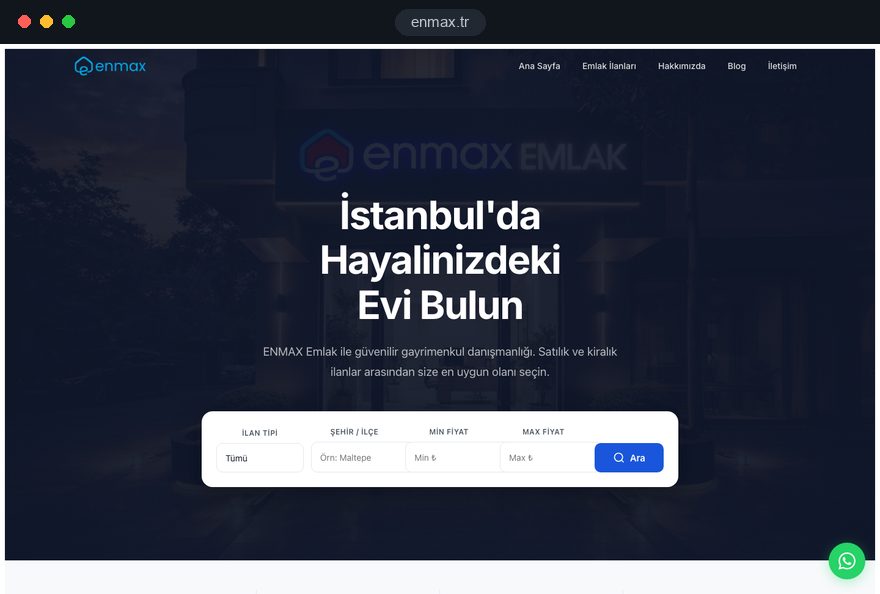
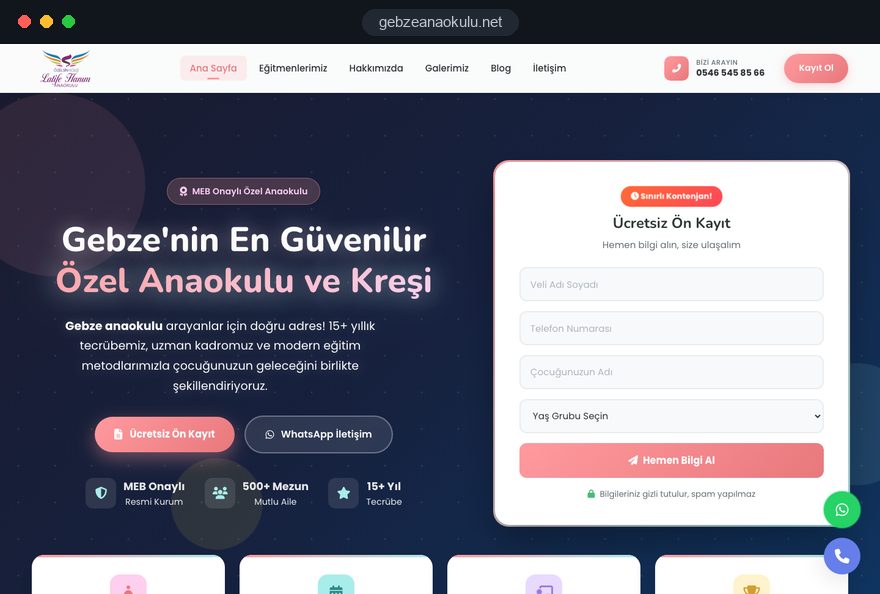
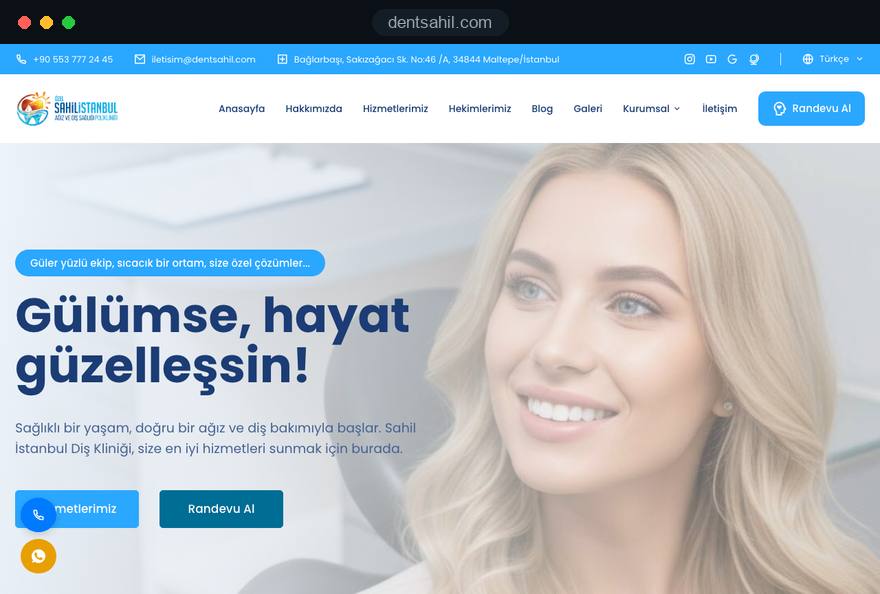
A firm in the Canterbury district rarely serves one kind of customer. A guest house inside the city walls hosts coach parties in May and parents on graduation weekends; a letting agent on the Sturry Road juggles landlords, students and young professionals; a plumber in Herne Bay takes calls from Tankerton to Hersden. Web design Canterbury projects succeed when the site admits that mix openly and gives each group its own short path to an answer.
What follows is the order in which Talha Aslan and team would work through a project for a business here, from the first question about customers to the first three months after launch. Each section closes with a check, a list or a question you can take straight into your own brief.
01What a Canterbury Website Has to Carry
A business site in this district has to serve a resident population and a very large visiting one at the same time. The ONS puts the district at 162,612 people in mid 2025, a little above neighbouring Swale and well above Thanet. Against that, the study Visit Kent produced with the city council counted 8.1 million visits in 2023, so outsiders outnumber locals many times over across a year.
Three facts from that study matter for page planning. Most trips, 7.5 million, were day trips, which means short decisions made on a phone. Overseas trips reached 212,000, so some readers arrive with limited English. And 55% of visits were holidays, above the Kent figure of 43%, which points to the coast as much as the cathedral.
- Residents: want hours, prices on request, parking and proof you are reliable.
- Day visitors: want to know whether you are open now and how far you are on foot.
- Students and parents: want clear terms, safety and an easy way to ask questions.
- Coastal holidaymakers: want seasonal times, booking and directions from the car park or seafront.
Rank these four for your own firm before anything else is designed; the homepage should follow that ranking.
02Who Searches, From Where, and When
Search behaviour here follows the calendar of the cathedral, the universities and the beach, so your page list should be built around those rhythms. A tourist outside the Christ Church Gate searches differently from a resident in Hales Place who needs a car serviced before Monday.
- Walking distance queries: "lunch near the cathedral", "gift shop Burgate", "café King's Mile". Map results win these, so photos, hours and the exact pin location count for more than long text.
- Area plus trade: "electrician Thanington", "roofer Whitstable", "dentist Wincheap". People want to see their own area named by someone who works there.
- Start of the academic year: from late summer, students and parents look for rooms near the campuses, bike repairs, tutoring, gyms and GP registration help.
- Coastal season: in warm months, Whitstable and Herne Bay searches turn to parking, tide friendly activities, seafood and holiday cottages.
- Winter and Christmas trade: shoppers in the Whitefriars area and the Buttermarket look for late opening and gift ideas.
A practical test: list the ten phrases a customer would type to find you, search each on a phone from inside your premises and record which competitor appears first and why. That list becomes your first draft of page titles.
03Working With a Studio Abroad, Step by Clear Step
Hiring a team outside the UK works when everything that would normally be said across a desk is written down and the unfinished site is always visible to you. Our studio is in Istanbul, which keeps UTC+3 all year. During British Summer Time we are two hours ahead of Canterbury; from the last Sunday of October until late March the difference is three hours.
For most local firms that offset is convenient. A call at nine in the morning your time is still within our working day, and a written summary lands before your lunchtime rush. The risk with any remote supplier is drift, so put these questions to every studio you shortlist and keep the replies:
- After each call, do we get a dated summary of decisions, open questions and who acts next?
- Does the scope list each page template, language, form and integration, and say what is excluded?
- Can we open a password protected preview at any time and comment directly on it?
- Who checks British spelling and local names such as St Dunstan's, Harbledown and Swalecliffe?
- What happens if something breaks on a bank holiday weekend in August, your busiest days?
A studio that cannot answer these clearly before you sign is unlikely to become clearer once the work begins.
04Keeping the Domain, Code and Logins in Your Name
Every asset the website relies on should be registered to your business, so that a change of supplier, partner or premises never puts the site at risk. Family run guest houses and small agencies in the district change hands regularly, and anyone buying one will ask who controls the website.
- Domain name: registered to the business itself, whether .co.uk, .uk or .com, at a registrar where you hold the login and where reminders reach an inbox several people read.
- Hosting: a server located in Britain or close by in the EU, with the location named in your privacy notice and the contract or account details on file.
- Files and database: a complete copy handed to you at launch, together with plain instructions for publishing changes.
- Google tools: Business Profile, Search Console and GA4 created under a login the business controls; any agency, including ours, is a guest user you can remove.
- Booking and letting systems: signed up in your name so the guest list and tenant records never belong to a supplier.
Write all of this on a single sheet with renewal dates and login holders. January suits the yearly check, when trade is slow and nobody is rushing.
05How the Project Runs From Kent to Istanbul
A project stays predictable when it is divided into stages, and none begins before you have signed off the one before it. For a Canterbury client every stage happens online:
- Discovery call: we talk through your customer groups, your peak weeks and the ten searches that matter most, and the notes reach you within a day.
- Scope and timeline: templates, languages, connections to other software and feedback rounds go into one document, with go live set away from your busiest month.
- Material list: together we decide which texts you draft, which we draft, and which pictures still need taking, for example rooms in morning light or a finished kitchen fit.
- First designs: the homepage and two inner pages are shaped around your actual wording and opened on a phone in daylight before approval.
- Development: the site grows on a private preview address, and our CRM shows you which tasks are done and which are next.
- Go live: cookie consent, tracking, forwarding of old addresses and Search Console are verified, and we walk your staff through changing hours, listings and notices.
None of this needs a journey. If you are travelling to Istanbul anyway, we can meet at our office in Ataşehir, but it is entirely optional. A business tied to term dates should aim to go live in early summer; one tied to tourism does better launching in late autumn or winter.
06Map Results Across the City and the Coast
Local visibility in the district depends on a correct Google Business Profile and a few genuinely useful area pages, not on a separate page for every village. Pages that differ only by a swapped place name are treated by Google as doorway pages and can drag the rest of the site down.
Begin with the profile. Google's rules require the name shown to match the name on your signage, with no extra keywords, and a business that visits customers can hide its address and list a service area. Then work outwards:
- Be clear about geography: the council area covers the walled city, Whitstable, Tankerton, Herne Bay and villages such as Chartham, Blean, Bridge and Littlebourne, while Faversham and Margate sit in other districts. Say plainly which you cover.
- Write area pages with real substance: a builder might explain listed building work near the cathedral precincts, or flood resilience on low lying coastal streets in Whitstable.
- Match your details everywhere: name, address and phone number identical on the site, the profile, Yell and any trade body listing.
- Collect reviews steadily: ask after each completed job or stay, reply to every review and never offer incentives.
If you would rather hand this over, our SEO service covers profile care, area content and technical checks. Either way, open the profile every month; public suggested edits can quietly change your hours.
07English First, Then Turkish or German
English carries nearly all the work on a business site here, and a second language only earns its cost when a clearly defined group would choose you sooner in it. Look at your enquiries from the last twelve months and count who wrote or called in another language, and what they wanted.
Two cases come up often. A Turkish speaking owner in construction, catering supply, beauty, lettings or accountancy may find that community customers prefer Turkish for quotes, while English stays essential for tenants, councils, insurers and suppliers. A business hosting groups from Germany, Austria and Switzerland, such as a guide service, a language school or a coach tour operator, may win more bookings with German programme pages, since teachers and tour planners there tend to compare offers in their own language.
- A folder per language: each version gets its own address path, never one URL whose text changes when a flag is clicked.
- hreflang in both directions: the English page names the Turkish one, the Turkish page names the English one, and each names itself.
- Written, not converted: a native writer adapts examples, units and tone instead of pasting machine output.
- Grow in steps: translate the pages that generate enquiries first; blog posts can wait.
Our multilingual website page shows how we organise several versions over time. Give each language a named owner; a forgotten second version hurts credibility more than having none.
08Speed on Busy Streets and Patchy Signal
Loading speed decides many visits in this district because people open your site while walking, often on a congested mobile network in a crowded street or on a train. Google's Core Web Vitals score this from real visitors, and a page passes when three in four of those visits meet each limit:
- LCP, largest contentful paint: how soon the main picture or headline is visible; within 2.5 seconds counts as good.
- INP, interaction to next paint: the delay between a tap and a visible reaction; within 200 milliseconds counts as good.
- CLS, cumulative layout shift: how far content moves while the page settles; a score up to 0.1 counts as good.
Heritage photography is usually what slows a Canterbury site: large images of the cathedral, timber framed rooms or the harbour at dusk. Save them in a modern format sized for each screen and give every image fixed width and height. Menus and price lists belong in HTML rather than PDFs, and booking widgets or map embeds should wait until a visitor scrolls near them.
Security sits in the same conversation: HTTPS across the site, prompt software updates, and copies of the site stored off the server and tested by restoring one. Before you brief anyone, run your current homepage through our mobile friendly test and note what it flags.
09Site Patterns for the District's Main Trades
Each of the district's leading business types needs its own page structure, and a web design Canterbury brief sharpens quickly once you know which pattern applies to you.
- Guest houses, inns and holiday cottages: a room page per room type, honest photos, walking times to the cathedral and to Canterbury East and Canterbury West stations, parking guidance and a direct link to your booking engine. The full accommodation structure is on our hotel website page.
- Letting agents and student landlords: listings filtered by area, rooms and distance to campus, a viewing request that works on a phone, and a landlord section explaining management services. More detail sits on our estate agency website page.
- Cafés, restaurants and food shops: a menu that loads instantly, dietary information in text, seasonal hours and a table or order link.
- Tutors, language schools and training providers: course pages with dates, levels, outcomes and an enquiry form that parents and international students can complete in minutes.
- Trades and garages: a service area page, before and after photos of completed jobs with a sentence each, and click to call on every screen.
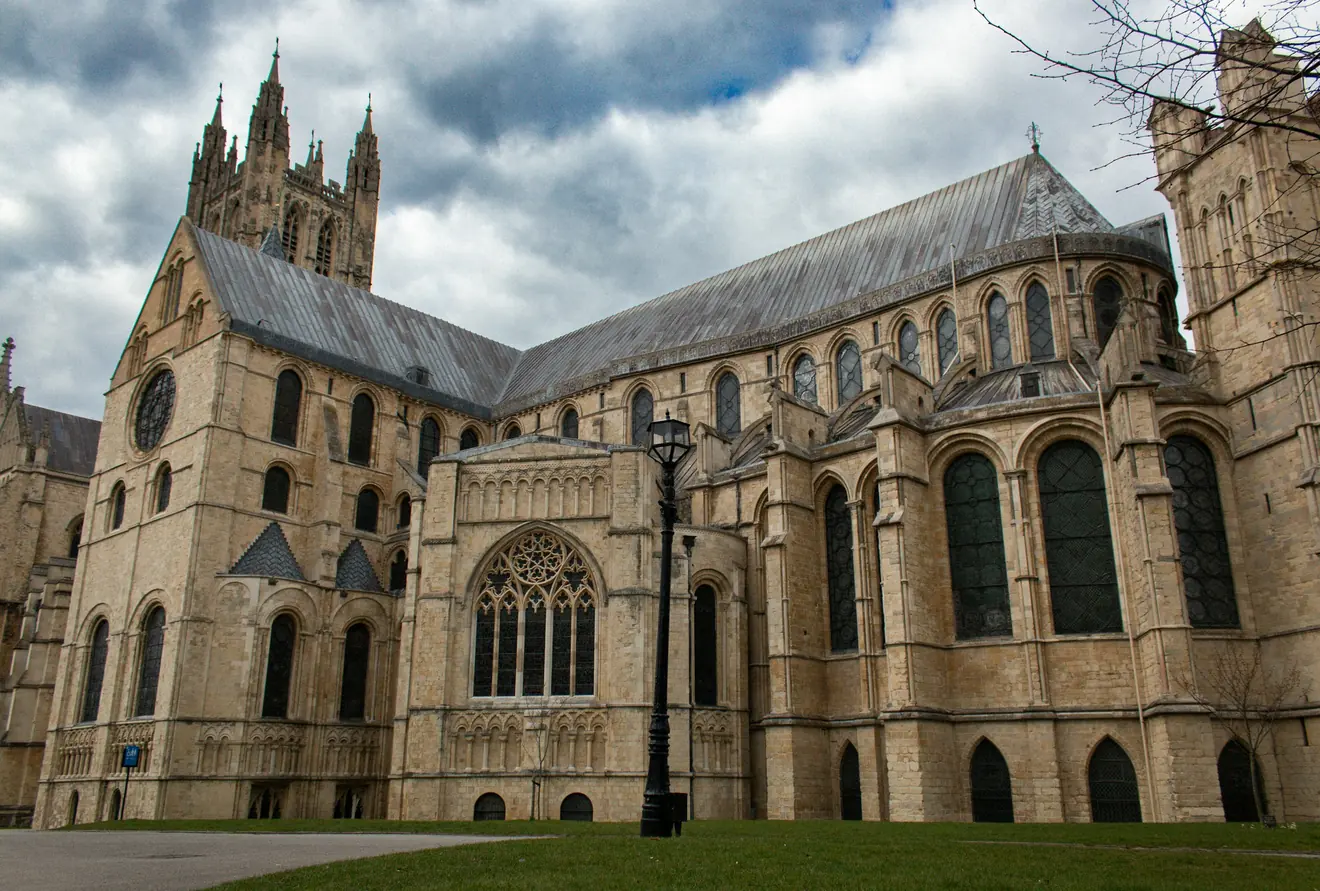
Use photographs of your own premises, staff and work. A picture of Bell Harry Tower tells visitors where they are; only your own images tell them why to choose you.
10UK Rules a Canterbury Site Must Respect
A short list of UK rules applies to almost every business site in the district, and each is cheapest to handle during the build. Treat this as orientation, not legal advice, and have a solicitor read your final texts.
- Privacy: collecting names, emails or booking details brings the UK GDPR and the Data Protection Act 2018 into play, so the site needs a notice explaining purposes, retention periods and recipients. Tenant references and guest records call for particular care.
- Cookies: PECR, enforced by the ICO, requires a clear positive action before analytics or advertising cookies are set; boxes ticked in advance do not qualify, and declining must be just as easy.
- Company information: according to GOV.UK, a limited company's site states its registered name, company number, registered office and where it is registered.
- Distance sales: the Consumer Contracts Regulations 2013 usually let a consumer cancel within 14 days; when goods are sold, the clock normally starts when they arrive.
- Accessibility: service providers owe disabled people reasonable adjustments under the Equality Act 2010; on a website that translates into sufficient contrast, full keyboard control and forms with proper labels.
In our builds, analytics stays silent until a visitor decides, forms request the minimum, and the company details appear at the foot of every page.
11Relaunching Without Losing Search Traffic
A new site inherits the visibility of the old one only when each address that earns visits or links has a planned destination before launch day. Tourism listings, university accommodation pages and Kent news stories often point deep into old sites, and those links fail silently when nobody maps them.
- Build an inventory: combine the Search Console performance export, your analytics landing pages, the existing sitemap and a crawler run, then mark addresses with traffic or backlinks.
- Assign destinations: beside each old address, write the closest new page, or a short reason for letting it go.
- Keep the test site private: a login prompt is safer than a robots.txt block, since a blocked page hides its noindex tag from Google.
- Forward directly: one permanent 301 per old address, without chains; mass redirects to the homepage throw away the value of those links.
- Watch the first month: send the new sitemap, check indexing reports each week and ask accommodation lists and trade directories to correct their links.
Merging two businesses, switching domain or rebranding adds steps, explained on our website redesign page. Hold on to the former domain for some years so printed menus and window stickers with QR codes keep resolving.
12Mistakes Seen on Canterbury Business Sites
Most underperforming sites in the district lose enquiries through small, repairable details, not through their visual style. These six turn up repeatedly, each paired with a better approach:
- Summer hours still showing in winter: visitors arrive to locked doors and say so in reviews. Group seasonal notices together and update them the weekend the clocks go back.
- "Covering Canterbury and surrounding areas": a reader in Herne or Chestfield cannot tell whether that means them. List every place you actually serve on one service area page.
- Student listings left live after letting: applicants waste viewings and stop trusting you. Give each listing an availability status and remove let rooms the same day.
- Directions written only for drivers: many visitors arrive by train or on foot. Add walking routes from both stations and the nearest car park.
- A consent banner offering only "OK": PECR consent needs a real choice. Put accept and decline side by side in the same style.
- History pages copied from elsewhere: borrowed text about the cathedral adds nothing. Write about your own building, street or family story instead.
When you speak to studios, ask which of the six they notice on your present site; a precise answer is a good sign.
13What Moves the Budget Up or Down
The price of a site depends on the work involved, not on the postcode, so a Whitstable café and a Canterbury café with the same scope cost the same. When comparing web design Canterbury proposals, ask every studio to itemise its quote along the same lines:
- Distinct layouts: a room, a property listing, a course, a menu and a staff profile are each designed separately.
- State of your material: texts you have approved and recent photographs are quick to place; content still to be written or shot takes longer.
- Additional languages: every version adds writing, proofreading and its own round of tests.
- Connected systems: reservation software, letting platforms, online payment, mailing lists or a CRM.
- Legacy pages: a large old site means a longer forwarding plan.
- Ongoing care: whether your staff maintain content or you want us to handle updates.
Preparation keeps the figure sensible: finished wording, current pictures and one decision maker for approvals. Bigger features such as a tenant portal can come in a second phase, so the main site still launches before term or before the summer.
14Your First Three Months and the Next Step
The first ninety days after launch reveal whether a new site is pulling its weight, so give each month a single job:
- Month one: ring your own numbers, submit every form and try each booking link on a phone; confirm tracking starts only once consent is given and fix whatever Search Console reports.
- Month two: look at which searches and places send people to you, then sharpen the titles and first sentences of pages with many impressions and few clicks.
- Month three: answer the questions callers keep asking on the relevant pages, keep asking for reviews and choose where the next effort goes: local search, advertising or seasonal content.
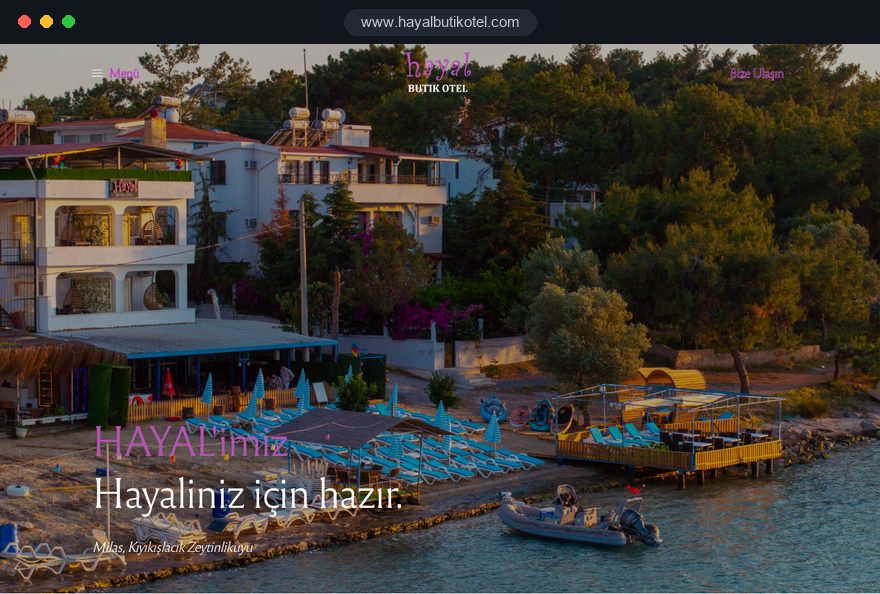
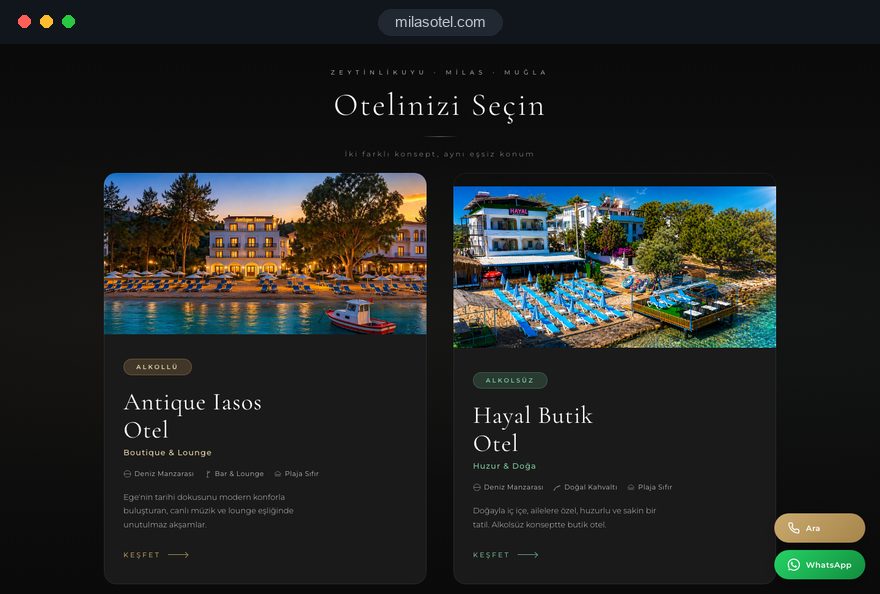
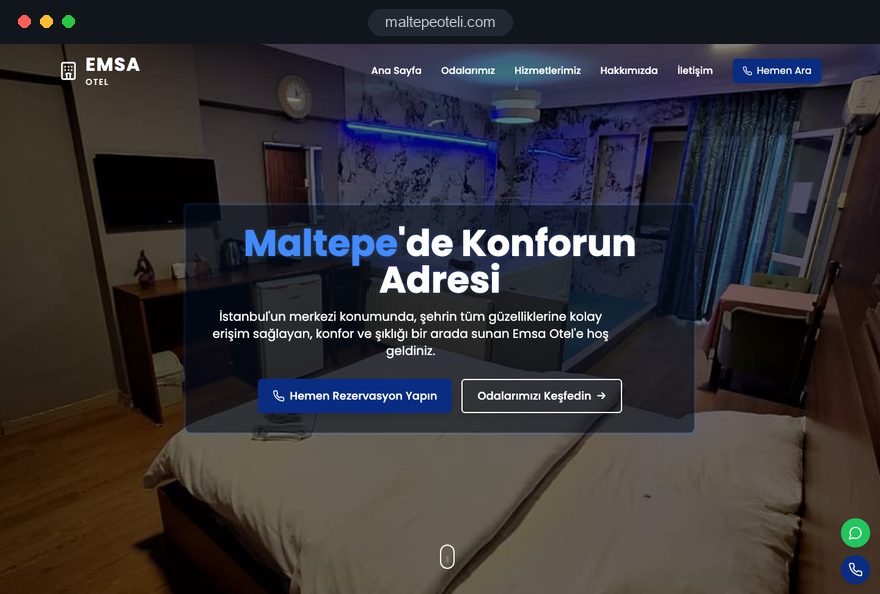
Many single language sites with a clear page list fit one of the fixed packages in the pricing section of our web design page; bilingual builds, shops and listing portals are quoted in writing after a brief conversation. Our finished projects so far are all in Türkiye, and the references page shows each of them.
To begin, see how our web design service is organised and send us your customer groups and ten key searches through the contact form. Success in web design Canterbury terms is concrete: more calls, bookings and enquiries within ninety days, and a site your staff can keep accurate through every term and season. That is how we judge each web design Canterbury project we take on, and it is the yardstick we suggest you hold any web design Canterbury proposal to.