A decorating studio in Middleport wants to sell jugs to strangers in Cornwall, a refractory supplier near the A500 wants an engineer in Munich to send a drawing, and a guest house in Trentham wants the coach party that is touring the bottle ovens. All three are web design Stoke-on-Trent briefs, yet each needs a different first screen, a different set of pages and a different measure of success.
This guide from Talha Aslan and team walks through the decisions in the order an owner meets them, from what the site must prove to what happens in the three months after launch. Each section gives you something to do with it: a test, a clause for the agreement or a question that sorts careful studios from careless ones.
01Four Jobs a Potteries Website Has to Do
A business site in this city usually has to sell an object, prove a capability, fill a visit or recruit people, and it should know which of those comes first. The ONS mid 2025 estimate puts the population at 272,282, close to Derby's 275,344 and Wolverhampton's 281,434, yet few cities of that size carry such a specific industrial identity.
- Selling ware: Burleigh has been made at Middleport Pottery in Burslem since 1889 and Emma Bridgewater decorates at its own factory here; smaller makers compete beside such names, so their product pages must show glaze, shape and scale without flattery.
- Proving capability: Steelite, working from Burslem, has supplied hospitality tableware to more than 140 countries, which sets the bar for how a trade supplier presents ranges, specifications and lead times.
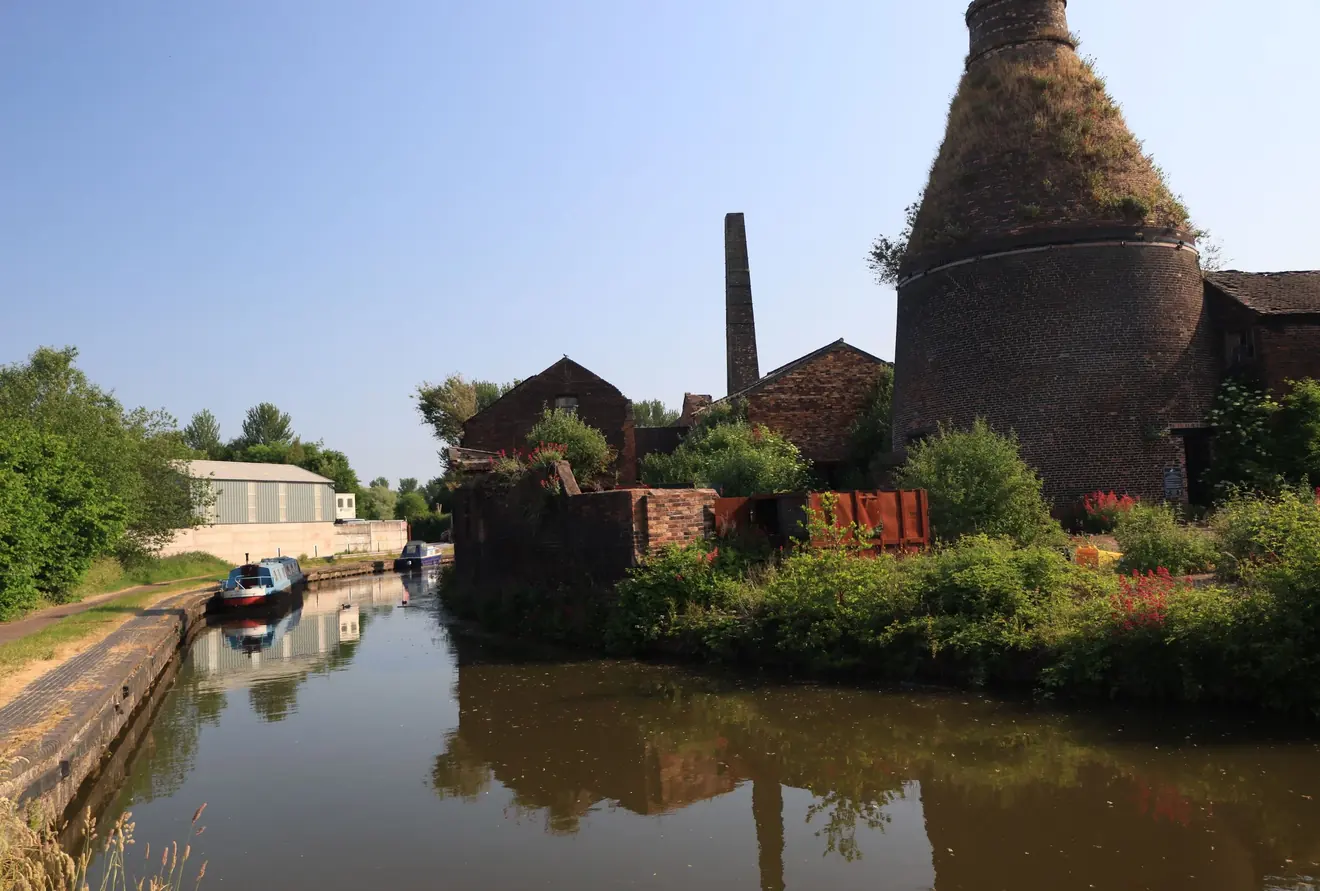
- Filling visits: factory tours, a museum with four updraught ovens and a muffle kiln in Longton, workshops and cafés depend on accurate hours and an easy booking.
- Recruiting: Ceramic Valley plans up to 9,000 jobs across seven sites, so careers pages matter more here than in many cities.
Rank these four jobs for your own firm before you brief anyone. A web design Stoke-on-Trent proposal that ignores your ranking is pricing a template, not your business.
02How Searches Split Across the Six Towns
Search behaviour in the Potteries divides into product hunters who never type the city, locals who type a town, and visitors who type an attraction. Your page list should follow those three habits rather than a generic sitemap.
- Product hunters: "hand decorated jug made in England", "vitrified hotel crockery supplier" or "spongeware mug set"; these people care about the object, and the town is a bonus that builds trust.
- Town plus need: "boiler engineer Tunstall", "hairdresser Fenton", "accountant Hanley", "dog groomer Meir"; the map results usually decide these.
- Attraction plus plan: "Gladstone Pottery Museum opening times", "pottery painting Burslem", "factory shop Stoke-on-Trent parking", typed on a phone the evening before a trip.
- Technical buyers: "alumina component machining", "kiln furniture supplier UK", "ceramic coating capability"; long phrases, often with no place name.
- Checks on you: your trading name with "reviews", "trade account" or "Companies House".
Write down ten real searches from your own customers, then type them into Google in a private window. Note which result type wins each one: a map listing, a shop page, a supplier directory or an article. That record tells you which page each search needs, and it stops a studio from building pages nobody looks for.
03Hiring a Studio Abroad Without Losing Control
Working with a team in another country is safe when every decision is written down and you can open the unfinished site whenever you like. Our studio sits in Istanbul, which runs on UTC+3 all year; that puts us two hours ahead of Stoke-on-Trent during British Summer Time and three hours ahead from late October to late March.
Potteries routines suit that gap. A kiln that is loaded first thing or a factory shop that opens at ten leaves the late morning free for a call, which is early afternoon for us, and feedback you send in the evening is usually worked into the preview by your next morning.
Put these questions to any remote studio before you sign:
- Who writes the English copy, and who checks that words like "seconds", "backstamp" or "once fired" are used the way the trade uses them.
- Where is the scope kept, and can you comment on it directly rather than in scattered emails.
- How do you see progress: a private preview link that opens on your own phone in the shop is the minimum.
- Which three live sites can you load and test yourself, including their enquiry forms.
- How is support covered across UK bank holidays and the studio's own public holidays.
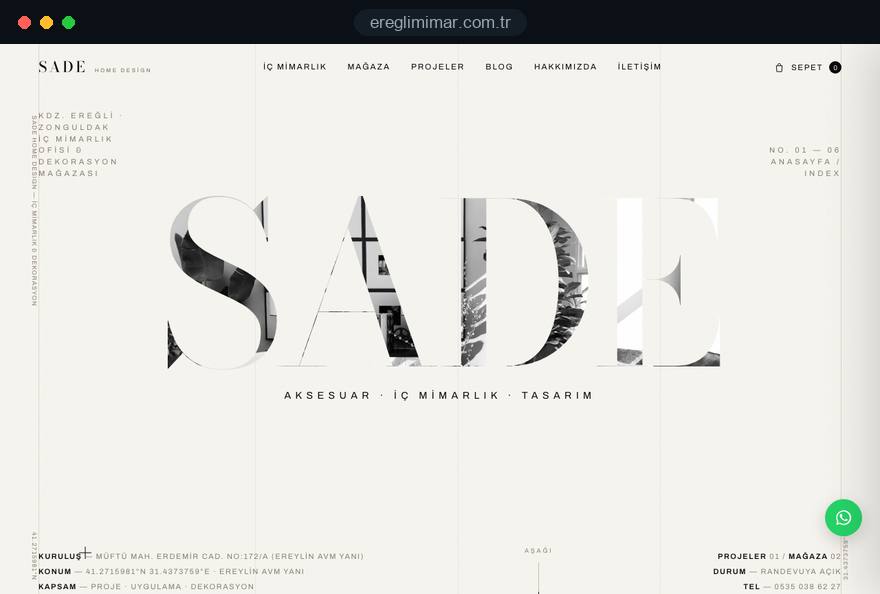
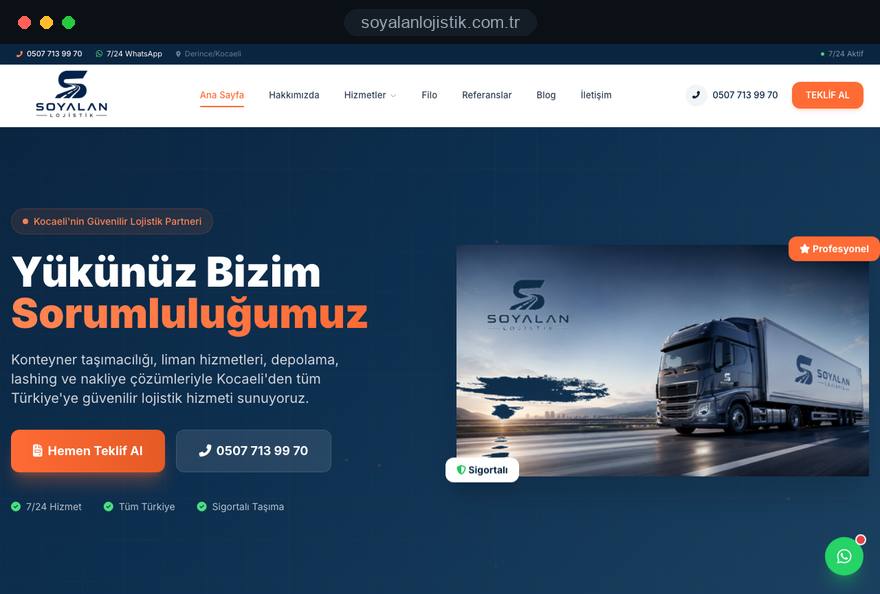
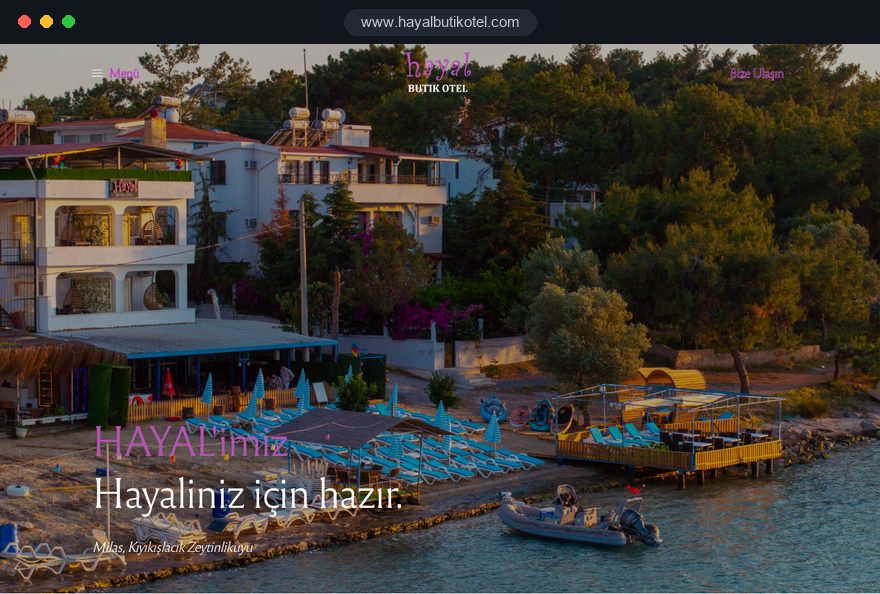
Our finished work is in Türkiye, listed on the references page. Pick one, send a test enquiry and judge the response.
04Who Holds the Keys: Domain, Hosting and Photos
Every asset the site depends on should be registered to your company, with the studio given access rather than ownership. In a ceramics business that list is longer than usual, because the photographs and pattern names are often worth more than the code.
- Domain: register the .co.uk or .com under your company name with your own email as the registrant contact, and keep renewal on your card.
- Hosting: choose a provider with servers in the UK or Western Europe, an account in your name and a written backup schedule.
- Photography: agree in writing that product images, lifestyle shots and kiln room footage belong to you, including any shot by a freelancer the studio hires.
- Accounts: Google Analytics, Search Console, the Business Profile, your Yell listing and the payment provider all sit under your login; the studio is added as a user.
- Code and content: ask for an export of the files and database at handover, plus a note of every plugin licence and who pays for it.
Test this before launch day. Ask the studio to remove itself from one account for an hour and check that you can still log in, change a price and download a backup. If any step needs the studio, fix it while the relationship is friendly.
05From First Call to Launch, Step by Step
A clear sequence keeps a remote project calm, because each stage ends with something you approve before the next one starts. This is the order we follow for a Potteries business, entirely online:
- Discovery call: we agree your ranked goals, the buyers you want and the five searches that matter most.
- Written scope: page list, product count, trade and retail routes, languages and who supplies each photo set.
- Structure and wireframes: grey layouts for the homepage, a collection, a product and the enquiry path, tested on your phone.
- Design and copy: visual design in your brand, with English copy written for the buyers named in the scope.
- Build and content load: ranges, specifications and visit details go in; you review on a private link.
- Checks and launch: speed, forms, consent banner, redirects and tracking are tested before the domain switches.
Every meeting runs as a video call; nobody needs to travel. If you happen to visit Istanbul, you are welcome to meet us at our Ataşehir office by appointment, though no stage depends on it.
Plan the photo shoot around your production calendar. Firing schedules and seasonal stock peaks decide when new ranges can be photographed, so we set the shoot date in the scope rather than leaving it to chance.
06Local Search From Tunstall to Longton
For anything sold face to face, the Google map listing does more work than the homepage, and it rewards accuracy over volume. Google's guidelines expect the business name to match the name on your door, with no added keywords such as "pottery Stoke".
- One location, one profile: a factory shop in Longton and a studio in Burslem each get their own profile only if customers really visit both addresses.
- Hours that change: enter special hours for bank holidays, kiln maintenance weeks and tour seasons, so nobody arrives at a locked gate.
- Service area firms: a plumber or electrician working from home can hide the address and list the towns served, such as Hanley, Stoke and Fenton.
- Directories: keep your Yell entry, trade association listings and visitor guides showing the same name, address and phone as the site.
- Reviews: send a short review link after a delivery, a tour or a finished job, and reply to each review in plain words.
A sound web design Stoke-on-Trent plan avoids the old trick of a page per town with only the name changed. Six near copies for Tunstall, Burslem, Hanley, Stoke, Fenton and Longton read as spam to visitors and to search engines. One honest coverage page, plus a real page for each address customers visit, does the job. Our search engine optimisation work builds on that foundation rather than on volume.
07English First, and When Turkish or German Earns Its Place
English is the working language of the site, and a second language is only worth adding when a named group of buyers will read it and someone can answer them. Translation without a reply route usually costs more than it brings.
German tends to earn its place for ceramics firms with buyers in Germany, Austria or Switzerland, where hospitality groups and technical buyers often prefer datasheets and product care notes in their own language. Turkish suits firms whose owners serve Turkish speaking clients in the region, for example an accountancy practice or a building contractor.
- Translate the decision pages: product ranges, technical sheets, trade terms and the enquiry form come before the blog.
- Keep units and terms clear: give capacities in millilitres and dishwasher ratings in the reader's own wording.
- Use proper hreflang tags: every language version names all the others and itself, so Google serves the right one.
- Staff the inbox: name who answers German or Turkish enquiries and how fast.
Start with one language done well. You can add a second once search data or trade show contacts show real demand from those readers, and the structure we build leaves room for it from day one.
08Heavy Glaze Photos on a Light Page
Ceramics sites live or die on photography, so the technical job is to show rich detail without making the page slow. Google's Core Web Vitals give clear targets measured on real visits: the main content should appear within 2.5 seconds (LCP), the page should react to a tap within 200 milliseconds (INP) and the layout should not jump, with a CLS score of 0.1 or less.
- Modern formats: serve WebP or AVIF in several sizes, so a phone downloads a phone sized image; our free image converter shows the saving on your own files.
- Zoom on demand: load the close up of the glaze only when someone taps to zoom, not on page load.
- Fixed image boxes: reserve space for each photo so the price and basket button never jump.
- Short videos done lightly: a throwing or decorating clip plays only when tapped and has a still poster frame.
- Hosting near buyers: UK or Western European servers with a content delivery network for overseas trade visitors.
Security belongs in the same checklist: HTTPS on every page, automatic updates for the platform, daily backups kept away from the server and two step login for every admin. Ask the studio to show these on a call, not just list them.
09Page Patterns for Makers, Suppliers and Visitor Firms
Each kind of Stoke-on-Trent business needs its own core pattern, and choosing the wrong one wastes the budget on pages that do not convert. These patterns cover most firms in the city.
- Maker selling direct: collections, product pages with capacity, dimensions and care, and a delivery and breakage page; our online shop service covers baskets, payments and stock.
- Trade supplier: a filterable range with specifications, a quote list instead of a basket and gated trade prices, as on our catalogue website page.
- Technical ceramics firm: processes, materials, tolerances, certificates and a drawing upload, as described on the manufacturer website page.
- Visitor business: tour times, group booking, accessibility notes, directions from Stoke station and a seasonal events page.
- Trades and services: service pages per job, the towns covered and a quick callback form.
Many firms here mix patterns, for example a pottery with a factory shop, a trade range and tours. In that case one shared product database feeds the shop, the trade catalogue and the visit pages, so a glaze change is edited once and appears everywhere.
In any web design Stoke-on-Trent brief, pick the lead pattern by asking where your largest orders come from today. The other patterns follow as secondary routes in the menu.
10UK Rules to Settle Before Going Live
A UK business website has a short list of legal basics, and building them in from the start costs far less than adding them after a complaint. We set up the structure; a UK solicitor should approve the final wording.
- Company details: regulation 25 of the 2015 Trading Disclosures Regulations requires a registered company to show its registered number, the part of the UK where it is registered and its registered office address on its website.
- Cookies: the ICO's guidance on PECR says cookies that are not strictly necessary, such as analytics and advertising tags, need consent first; the banner must offer a real choice.
- Personal data: UK GDPR and the Data Protection Act 2018 call for a clear privacy notice explaining what forms collect, why and for how long.
- Online sales: under regulation 30 of the Consumer Contracts Regulations 2013, the cancellation period for goods generally ends 14 days after the customer receives them; state how returns of fragile items work.
- Accessibility: readable contrast, keyboard navigation and alt text help disabled visitors and support your duties under equality law.
Trade only sites still need company details and a privacy notice, even if consumer cancellation rules do not apply to business buyers. Keep a dated copy of each legal page whenever you change it.
11Replacing an Old Site Without Losing Its Rankings
A redesign keeps its search traffic when every old address that earns visits points to its closest new page. Ceramics sites are prone to losses here, because retired patterns and old shop platforms leave hundreds of product URLs behind.
- Crawl and export: list every current URL, then pull clicks and links from Search Console for the past year.
- Map retired ranges: send a discontinued pattern to its successor or its collection, never to the homepage.
- Keep what works: preserve titles and copy of pages that already rank, and improve them rather than rewriting from zero.
- Test on staging: check redirects, canonical tags and the robots file before the switch, and remove any staging noindex at launch.
- Watch for a month: submit the new sitemap, check the indexing report weekly and update links in your Business Profile and directories.
Choose a quiet window for the switch. A launch just before a busy gifting season or a large trade order run leaves no time to fix mistakes. Our website redesign page lists the full set of checks.
If the old site sits on a platform you cannot export from, ask for the product list as a spreadsheet early, so mapping starts weeks before the build ends.
12Mistakes Common on Potteries Websites
Most underperforming sites in the city look fine on a desktop and fail on proof, speed or structure. These are the frequent ones, each with a better alternative:
- Studio photos only: pretty but vague. Add a clean product shot, a glaze close up and a scale shot in the hand for every item.
- Trade and retail mixed: hotel buyers see consumer prices and give up. Give trade buyers a separate route with a login and lead times.
- "Made in Stoke" with no detail: the claim loses weight without specifics. Say which steps happen in your factory and which elsewhere, honestly.
- Visit pages out of date: last year's tour times cause wasted trips. Tie hours to one editable source shown on the site and the map profile.
- No breakage policy: buyers of fragile pieces hesitate. Explain packing, what happens if something arrives broken and how to report it.
- Cookie banner with no reject button: that is not consent. Offer accept and reject equally and load analytics only after acceptance.
Check your current site against this list on a phone. Fixing two of these often lifts enquiries before any redesign begins.
13What Shapes the Size of a Quote
The cost of a web design Stoke-on-Trent project depends on workload, not on location, and a good quote shows each part separately so you can compare bids.
- Templates: the number of distinct layouts, such as collection, product, trade range, visit and article pages.
- Catalogue size: products, variants and patterns to load, and whether the data comes from a spreadsheet or must be typed.
- Photography: whether you supply finished images or the studio arranges a shoot and editing.
- Selling features: a shop, trade login, quote list, tour booking or stock sync with your accounts software.
- Languages: each extra version adds writing, review and its own search setup.
- Aftercare: updates, backups, monitoring and a named person for support.
Preparation saves more than haggling. Approved copy, a product spreadsheet and one decision maker cut revision rounds.
Treat a single figure with no breakdown as a warning. Without line items you cannot see what is missing, so ask for the breakdown before comparing totals.
14The First 90 Days and Your Next Step
The months after launch show whether the site is doing its jobs, provided each month has one clear focus:
- Days 1 to 30: confirm that orders, quote requests, tour bookings and calls are measured once visitors accept cookies, and clear any Search Console errors.
- Days 31 to 60: study which searches, towns and devices bring enquiries; rewrite the weakest product or service page.
- Days 61 to 90: add answers to the questions buyers keep phoning about, review map listing reviews and plan the next range or language.
Smaller English sites with a clear scope usually fit one of our fixed packages, which you can see in the web design pricing. Shops, trade portals and sites in more than one language are quoted in writing after a short call.
When you are ready to start your web design Stoke-on-Trent project, send us your ranked goals and three products or services through the contact form. We reply with questions and a written outline of pages, photography and timing, and we treat the first ninety days as part of the build.