Dublin businesses sell to an unusually wide spread of people: households in Tallaght and Clontarf, procurement teams in the Docklands, importers on the quays, students around College Green and visitors stepping off a flight. Most web design Dublin projects that disappoint do so because nobody decided which of those readers the site was really for.
Talha Aslan and team have laid out the decisions below in the sequence a real build follows, from the commercial goal to the months after launch. Under each heading you will find a concrete test, a list to copy into your brief or a point to settle in writing with whichever studio you hire.
01The Commercial Job of a Dublin Website
Start by naming the buyer who matters most, because Dublin mixes markets that elsewhere in Ireland sit far apart. Census 2022 put Dublin city and suburbs at 1,263,219 residents, compared with 222,526 for Cork and 102,287 for Limerick, so competition for every search is sharper here than anywhere else in the State.
Put the following reader types in order of revenue, not in order of how impressive they sound:
- Local households: owners and tenants who compare a roofer, dentist or childminder on a phone, usually late in the evening.
- Corporate procurement: buyers at the international firms that run European operations from Dublin, who shortlist suppliers from documents they can forward.
- Trade accounts: shops, distributors and contractors who order goods landed at Dublin Port and care about stock, delivery windows and minimum orders.
- Arrivals: new employees, international students and tourists who know few street names and type plain questions into Google.
Your top reader decides the homepage headline, the first button and what counts as a lead. A gutter cleaner in Lucan wants a callback request on the first screen; a supplier of laboratory consumables to firms in Sandyford wants a capability PDF and a named account manager there instead.
02Search Patterns in Dublin, District by District
People in Dublin attach a place to their search far more often than not, and that place is frequently a postal district number. "Physio Dublin 6", "solicitor Ballsbridge" and "dog groomer Dublin 15" each return a different map and a different set of rivals.
Before deciding which pages to build, group the queries that reach you into four families:
- Place queries: "dentist Ranelagh", "car mechanic Blanchardstown", "plumber Swords"; Google shows a map pack first, so the site has to back up the profile with matching details.
- Symptom queries: "damp patch on bedroom ceiling" or "how to register a business name in Ireland"; a page that answers the exact question wins the visit and often the job.
- Vendor queries: "facilities contractor with ISO 14001" or "freight forwarder Turkey to Ireland"; buyers open several suppliers side by side and compare proof.
- Newcomer queries: Trinity College Dublin alone has around 22,000 students, and students, interns and relocated staff look for GPs, gyms, rooms and courses near campus or office.
Spend ten minutes testing this on your own phone. Search your five most profitable services with the district you serve, write down which page type ranks in each case, and you will see which pages your site lacks.
Searching web design Dublin to find a studio follows the same logic: the map shows nearby agencies first. Proximity is convenient, yet the next section explains why process tells you more than postcode.
03Hiring a Studio Based Outside Ireland
Distance stops mattering once decisions, files and progress are visible to you at all times. Our team works in Istanbul; in Irish summer time Istanbul runs two hours ahead of Dublin and in winter three, which leaves your whole morning and early afternoon for calls.
Put these questions to every shortlisted studio, local or remote, and ask for replies by e-mail rather than on a call:
- After each video meeting, who sends the list of agreed points, and within how many days?
- Will the contract name each page, language, integration and revision round, plus the items left out?
- Is there a password protected preview we can open on our own phones between meetings?
- Who writes the text, and how do you keep it sounding Irish rather than American?
- On launch morning, which person picks up if the quote form stops sending?
Look at finished sites instead of portfolios of mockups. Everything we have built so far is in Türkiye and linked from our references page; load a few of those sites on mobile data, submit an enquiry and time the answer.
Also nominate one decision maker on your side. When feedback from the owner, the accountant and a sales rep arrives in three separate threads, any project slows down, wherever the studio sits.
04Who Owns the Domain, Server, Code and Logins
Your company, not a staff member and not the agency, should hold the title to everything the website relies on. Dublin's job market moves fast, and a .ie domain renewing to a former marketing manager's private inbox is a surprisingly common headache.
- The address: the IE Domain Registry checks every .ie application for a genuine Irish connection, usually shown by an Irish company through its CRO or VAT number. A .com is the usual alternative for firms exporting widely. Register it to the company and switch on automatic renewal.
- The server: an EU data centre, a hosting contract issued to your business and a separate login for you to both the hosting panel and DNS, the records that route web and mail traffic.
- The build: a written licence to use the code, an exported copy of it, and fonts, images and plugins bought in the company's name.
- Google properties: Search Console, GA4 and the Business Profile created under a company account; outside suppliers join as users you can revoke.
- Backup access: two internal people with owner rights, so a holiday or resignation never locks you out.
List all of this on a single sheet with each renewal date. Services that handle visitor data for you, such as the host or a newsletter platform, need a GDPR processing contract, and those belong in the same folder.
05How a Remote Project Runs, Stage by Stage
Our web design Dublin projects follow six stages, and you sign off each one in writing before the next starts, with progress logged in our CRM. Meetings fall inside Irish office hours.
- Kick off: we agree goals, ranked readers, competitors and the material you already have, then send a scope listing every page and who supplies its content.
- Sitemap and text: page hierarchy and key messages are settled before visuals, since a trade account form or a certificate library changes the layout.
- Visual design: two representative pages go up on a live preview and we walk through them together; the other templates follow once you approve.
- Development: the site is built behind a password, with privacy notice, consent banner, forms and tracking included rather than bolted on.
- Quality checks: every form, every language, load times and a range of real handsets are tested before DNS changes.
- Go live: we switch on a weekday morning Irish time, test each contact route in production and train the people who will edit content.
Nothing here requires a flight. Should a trip bring you to Istanbul anyway, the office in Ataşehir is open for a meeting; it is an option, never a step in the plan.
06Map Results, Eircodes and the Business Profile
In the map pack, Google judges your Business Profile first and uses the website to confirm it. Name, address, Eircode, phone and opening hours therefore have to match character for character across both.
- Trading name only: Google's rules forbid stuffing keywords into the name, so "Byrne Electrical" stays exactly that, without "Emergency Electrician Dublin 24" tacked on.
- Premises or coverage: a pharmacy in Phibsborough displays its address, while a mobile mechanic may hide it and list Malahide, Lucan or Dún Laoghaire as service areas.
- Eircode in the footer: the seven character code pinpoints a single building, which helps couriers and customers in estates where dozens of houses share a road name.
- Consistent listings: Golden Pages, trade association registers and supplier portals should repeat the same details word for word.
- Review habit: send a short link after each finished job, never reward reviews, and answer critical ones politely and factually.
Postal districts carry meaning: with a few exceptions, odd numbers lie north of the Liffey and even numbers south. Mention a district on your pages only where you actually work there.
A dedicated location page is justified by real substance, such as a second surgery in Sandyford or a warehouse beside the airport. Copies that merely change the suburb name count as doorway pages under Google's spam policies. Profile upkeep, review requests and new content each month are what our SEO service handles.
07Language Choices: English, Turkish, German, Irish
English carries the main site for nearly every Dublin firm; add another language only where real customers will read it and someone can answer them. A practical test for any web design Dublin brief is the language your most valuable customers sign contracts in.
- Turkish: relevant for importers, construction firms, accountants and beauty businesses with Turkish speaking clients, and for buyers who source from manufacturers in Türkiye.
- German: sensible for Irish branches of firms from Germany, Austria or Switzerland, and for Irish exporters selling into those markets.
- Irish: chiefly expected of public bodies; private firms can use Irish names and phrases where they fit the brand without running a full parallel site.
- Community languages: Polish, Portuguese or Spanish pages can make sense for services built around those communities, if enquiries are handled in that language too.
Give every language its own address structure, for instance a subfolder, so search engines index it as a separate version instead of a widget overlay. Connect the versions with hreflang, where every page names all alternates including itself, and build the tags with our hreflang generator.
Budget time for upkeep as well. A Turkish or German version that lags months behind the English one undermines trust faster than having no second language.
08Load Speed, Hosting Location and Site Security
Most Dublin visitors will meet your site on a phone, often on patchy signal on a bus or a building site, so speed is a sales issue. Google's Core Web Vitals set three thresholds, judged on the 75th percentile of real visits, and they deserve a line in your contract.
- LCP 2.5 seconds or less: largest contentful paint measures when the main photo or heading becomes visible.
- INP 200 milliseconds or less: interaction to next paint captures the delay after a tap on a menu or button.
- CLS 0.1 or less: cumulative layout shift tracks how much content jumps around while loading.
Choose servers in Ireland or elsewhere in the EU, close to your audience and inside the GDPR area. Then strip out weight: a dormant live chat, a booking iframe on pages that never take bookings, overlapping tracking scripts.
After each change, run a key page through our mobile friendly test. Security basics stay modest and routine: certificate based HTTPS on every URL, monthly updates, nightly offsite backups that you have actually restored once, app based second factor logins for editors, and SPF, DKIM and DMARC records so your outgoing quotes reach inboxes.
09Site Types Dublin's Economy Calls For
Each strand of the Dublin economy needs its own set of pages, and the list below gives typical requirements rather than client case studies.
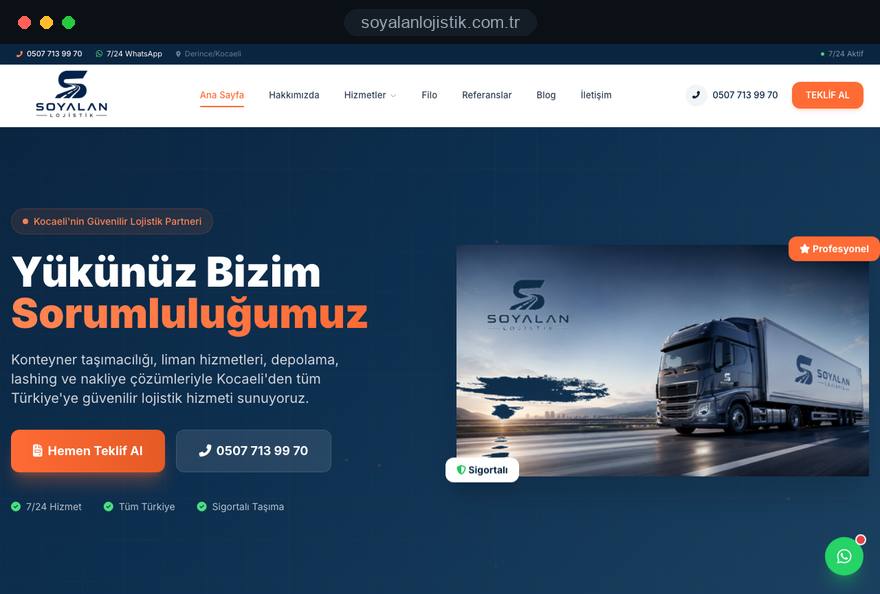
- Shipping and import: CSO port statistics show Dublin Port with 57 per cent of vessel arrivals and 49 per cent of goods handled in Irish ports in 2024. Forwarders and importers need routes, cargo types, customs guidance and a short quote form; our logistics company website page shows the structure.
- Contractors to large employers: cleaning, security, catering and fitout firms serving tech, pharma and finance companies need insurance details, certificates, method statements and project summaries.
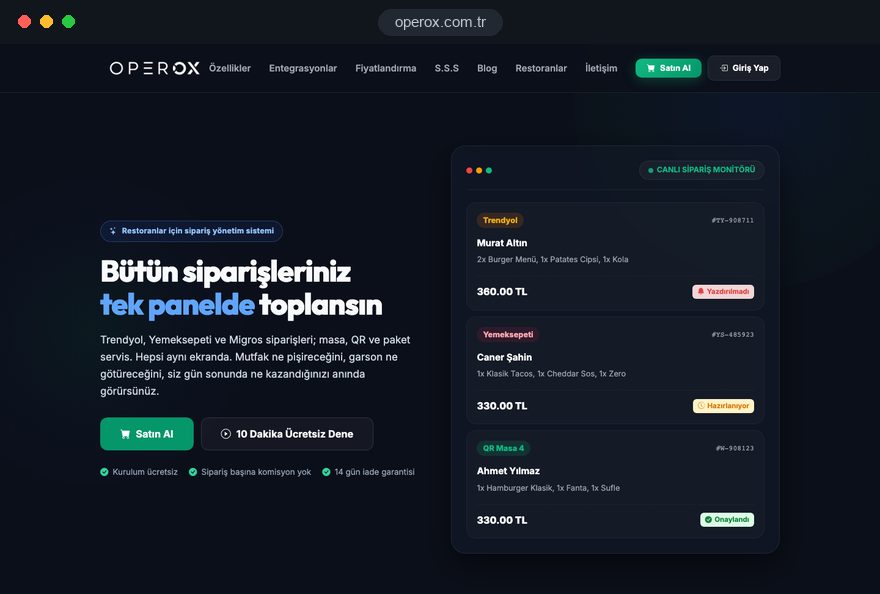
- Software firms: young companies around Grand Canal Dock need product tours, demo booking, security and data answers and a careers page; see our SaaS website page.
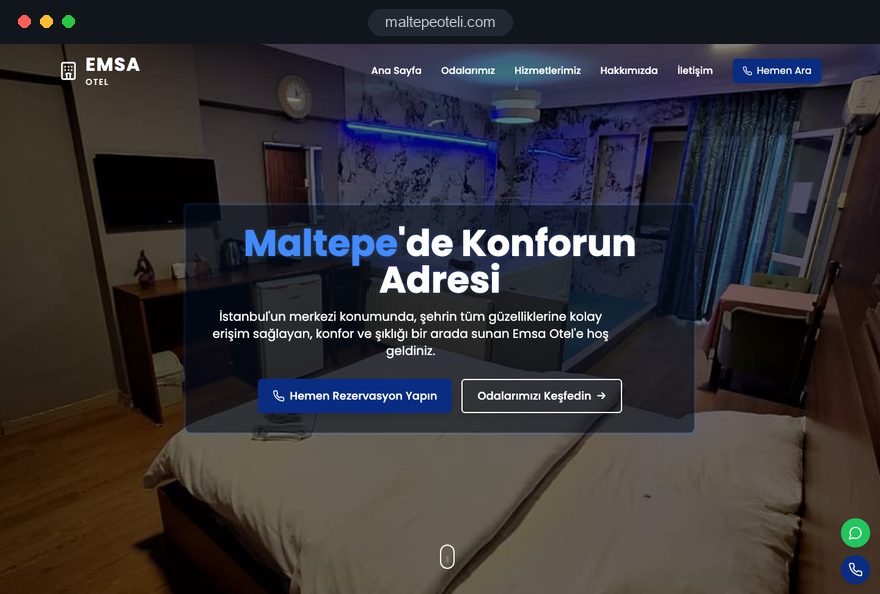
- Travel and hospitality: Dublin Airport handled 33.3 million terminal passengers in 2024, so guesthouses, chauffeur services and tour operators need quick mobile pages, correct maps and direct booking.
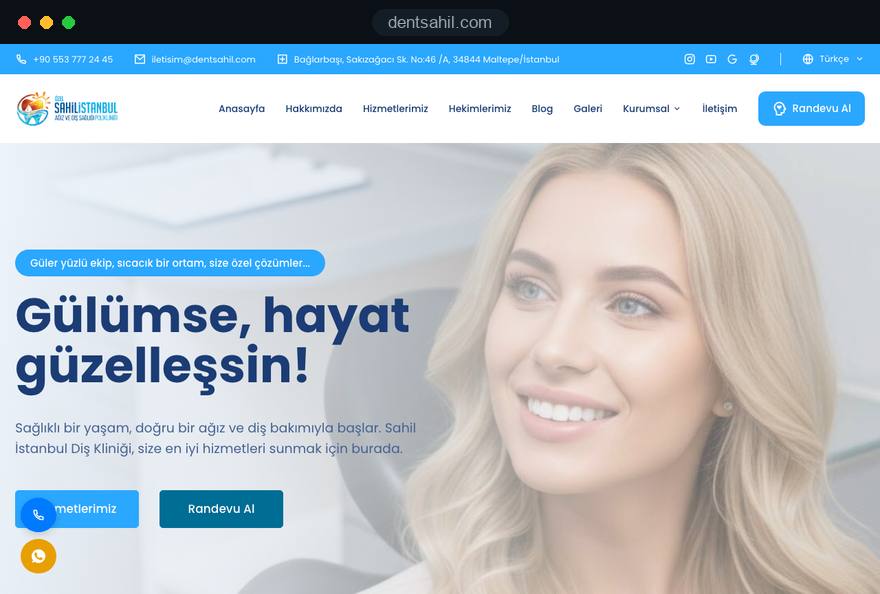
- Suburban trades and health practices: roofers, electricians, physios and dentists need click to call, coverage areas, honest photos and reviews.
Firms with customers across Ireland should plan other cities as separate markets with their own search habits. Our Cork web design page sets out how the Munster market differs.
10The Legal Pages an Irish Website Needs
Irish sites follow EU law as applied by Irish statute, so the legal pages should be scoped at the start alongside the design. This is an orientation, not legal advice, and the final wording should go to an Irish solicitor.
- Privacy: the GDPR governs any collection of personal data, the Data Protection Act 2018 adds Irish provisions, and the Data Protection Commission enforces both. Each form should link to a clear privacy notice.
- Cookies: under the ePrivacy Regulations, S.I. 336 of 2011, cookies that are not strictly necessary normally need prior consent. Google additionally requires consent mode for measurement and personalised advertising features for users in the European Economic Area.
- Accessibility: since 28 June 2025, S.I. 636 of 2023 brings the European Accessibility Act into Irish law, e-commerce services included; service providers with fewer than 10 staff and no more than 2 million euro in turnover or balance sheet are exempt. Confirm where your business stands.
- Selling to consumers: according to the CCPC, online buyers usually have 14 days to cancel, and before payment the trader must state who it is, how to contact it, the full price and how cancellation works.
For shops, our e-commerce development plans checkout steps, order e-mails and the cancellation page from the first wireframe. When comparing studios, ask to see these exact pages on a shop each one has delivered.
11Rebuilding an Existing Site and Keeping Its Traffic
Rankings survive a rebuild when each old address that earns visits or links lands on the nearest matching new page. In Dublin, rebuilds often coincide with a rebrand, an office move to another district or a merger of two firms, and every one of those alters URLs and contact data together.
- Collect: pull all URLs from Search Console, the XML sitemap and a crawler, with clicks and linking domains beside each.
- Decide: mark every page as keep, merge or drop, and write its future URL into one spreadsheet both teams can edit.
- Hide the test site: use a password. Google cannot read a noindex on a page that robots.txt blocks, so a robots rule by itself may leave test pages visible in results.
- Redirect: one permanent 301 hop per old URL to its counterpart, with no chains and no blanket redirect to the homepage.
- Monitor: resubmit the sitemap, check 404 and indexing reports weekly for a couple of months and correct your details in the profile and in Golden Pages.
Moving from a .com to a .ie, or the reverse, adds one more task: keep the old domain live for redirects and file a change of address in Search Console. Schedule the switch away from your busiest weeks, such as the run up to Christmas for retail.
12Frequent Mistakes on Dublin Business Sites
Visitors notice small failures within seconds, so a sound web design Dublin brief excludes these six from the outset:
- Claiming "all of Dublin" without specifics: it reassures no one in Howth or Rathfarnham. Name the districts you cover and show finished jobs from them.
- A banner that only says "OK": continuing to browse is not consent. Give accept and reject equal weight and fire tracking only after a yes.
- A mobile number and nothing else: buyers wonder whether the business is real. Add a full address with Eircode or a stated service area, plus company registration details.
- Copy that sounds American: "zip code", "color" and "call us toll free" feel foreign. Use Irish terms like county, Eircode, VAT number and freephone.
- Compliance documents only on request: procurement teams move to the next supplier. Put certificates, insurance and a capability statement online.
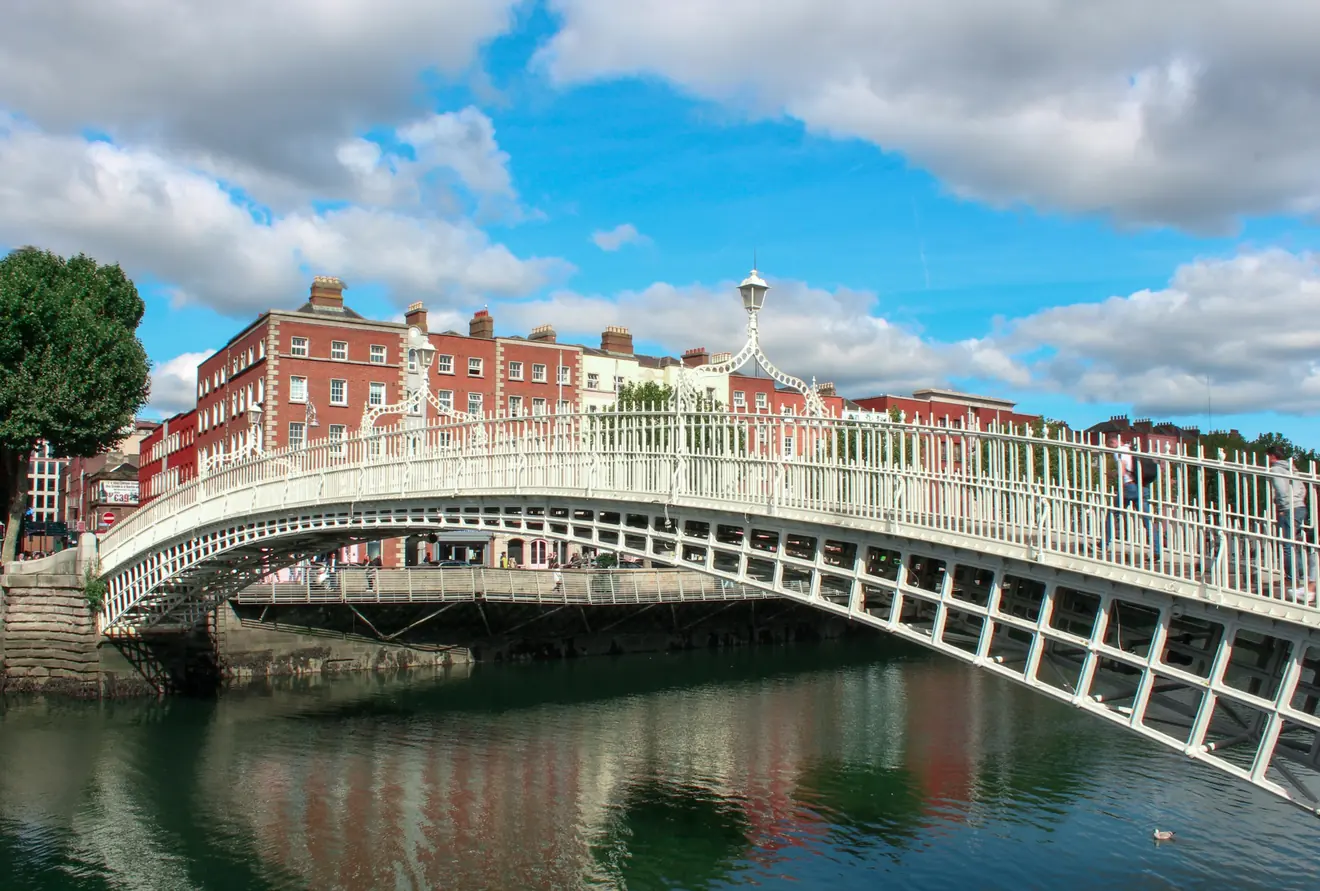
- Generic Ha'penny Bridge photos: pretty, but unrelated to your work. Use your own team, vehicles, premises and completed projects.
13Factors That Set the Budget
Price follows scope, not the city on your invoice address, so understand what drives the figure before comparing offers. A useful quote is itemised along these lines:
- Page templates: how many different layouts are designed, for example service, location, case study and vacancy, counts for more than the raw number of pages.
- Extra languages: each needs native writing or editing and a separate review.
- Connected systems: CRM, scheduling, payment providers, stock feeds or applicant tracking.
- Content production: new photography, copywriting and certificate scans versus material you already hold.
- Old URLs: the volume of pages to map and redirect from the current site.
- Aftercare: updates, backups and uptime checks done in house or under a support plan.
Good preparation lowers effort more than any discount. Bring a ranked reader list, recent photos of real work and one person authorised to approve, and the number of revision rounds falls.
Be wary of any proposal that gives only one lump sum, because you cannot see what was left out.
14The 90 Days After Launch and Where to Start
A launch is the midpoint of the work; the following quarter shows whether the site brings enquiries, provided each month has one clear goal.
- Weeks one to four: make sure every call button, form and booking appears as a key event in GA4 under your consent rules, and that Search Console reports no indexing problems.
- Weeks five to eight: study which searches, districts and devices bring traffic, then rewrite titles and thin service pages accordingly.
- Weeks nine to twelve: publish answers to questions callers keep asking, request reviews from recent customers and decide where the next effort or ad spend should go.
An English language company site with a defined scope usually fits one of our fixed packages, shown in the pricing section of our web design page. Shops, multilingual builds and supplier portals receive a written quote after a call.
To open a web design Dublin project with us, use the contact form and include your ranked readers, the five searches you most want to win and your current site address. We come back with questions first and then a written scope you can set beside any competing offer.