This guide is for owners of New York firms who are about to commission a new website or replace an old one: accountants in Flushing, contractors in Bay Ridge, importers near the Brooklyn waterfront, founders in Long Island City. A web design New York project is rarely held back by the visual style. It stalls on the questions nobody wrote down: which audience comes first, which boroughs the site should name, which US rules apply and who holds the logins.
We, Talha Aslan and team, have arranged those questions in the order they come up during a real build. Every section closes with something you can act on this week: a check to run, a question for any agency you are considering, or a decision to put in writing.
01What a Website Has to Do in New York's Economy
In New York a website has to win a comparison, not just make an introduction, because buyers usually check three or four firms before they call one. The US Census Bureau put the city's population at 8,478,072 on July 1, 2024, and the NYC Comptroller counted an average of roughly 4.63 million jobs that year, so almost every category is crowded.
What wins depends on the buyer: a firm serving finance competes on credibility, a restaurant in a visitor district on speed and clarity, an importer on how easily an overseas supplier understands the service.
Before you brief anyone, write down which of these jobs your site must do first:
- Prove credibility: licenses, named people, client types served and a calm way to request a first consultation.
- Convert walk ups: opening hours, a map, a phone number people can tap and a menu or price list that reads well on a small screen.
- Qualify trade leads: service lists, lanes or product specs and a quote form that asks the questions your sales team would ask.
Pick one primary job and at most one secondary job. That ranking decides the homepage, the navigation and what you measure after launch.
02Who Searches for What Across the Five Boroughs
New Yorkers search with a neighborhood far more often than with the city name, so your pages should mirror the places your customers actually type. Someone in Queens is more likely to search "tax preparer Jackson Heights" than "accountant NYC", and a visitor near Times Square searches "breakfast near me" while standing on the sidewalk.
Group the searches that matter to you into a few clear patterns:
- Neighborhood plus service: "kitchen remodel Park Slope", "immigration lawyer Astoria", "physical therapy Upper West Side". These lead to the map results and need a page with address, hours and proof of work in that area.
- Borough level: "electrician Staten Island" or "moving company Bronx". A clear list of the boroughs you cover usually does more than a separate page for each.
- Visitor searches: people who arrive for Fashion Week, a conference at the Javits Center or a weekend in Midtown look for food, tours, tailoring and transport on a phone.
- Business buyers: procurement teams search category terms such as "customs broker JFK" or "commercial cleaning Manhattan" and judge you on a service page, not a homepage.
Test this yourself: type your five most valuable searches on a phone and note which kind of page ranks first. Any agency that types web design New York into Google should run the same exercise for your trade before proposing a sitemap.
03Hiring a Studio Abroad Without Losing Control
Working with a studio outside the US is safe when every decision is visible and written, and risky when it relies on goodwill. Talha Aslan and team work from Istanbul; Istanbul runs on UTC+3 all year, which puts it 7 hours ahead of New York during daylight saving time and 8 hours ahead in winter.
With a fixed rhythm the gap helps: calls sit in your morning and our afternoon, and feedback you send in the evening is usually handled by your next morning.
Whoever you hire, in Manhattan or overseas, ask for written answers to these questions:
- Which pages, languages, integrations and revision rounds are included, and what is explicitly excluded?
- Can we open a password protected preview of the work in progress at any time, not only during presentations?
- Who writes the US English copy, and who checks that claims, credentials and phone numbers are correct?
- How quickly do you respond to a broken form or an outage after launch, and through which channel?
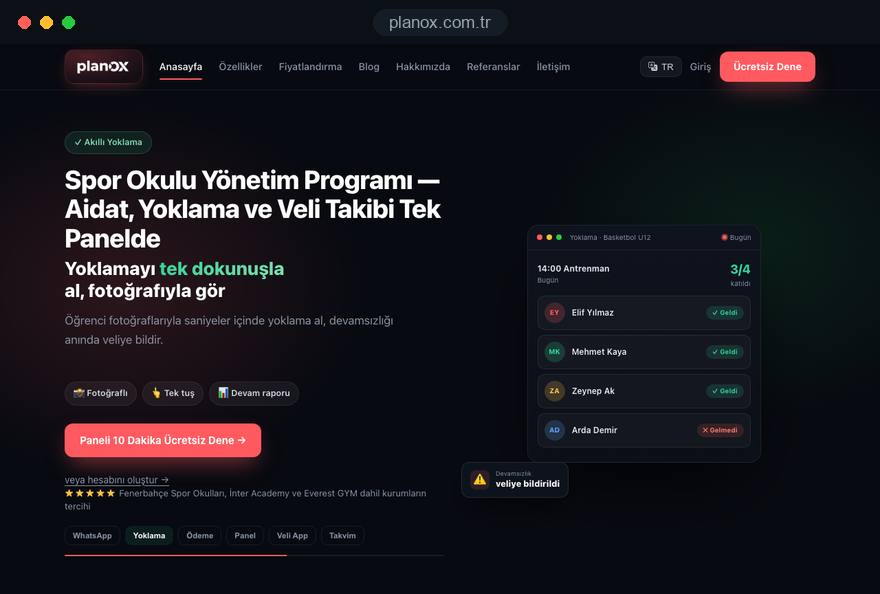
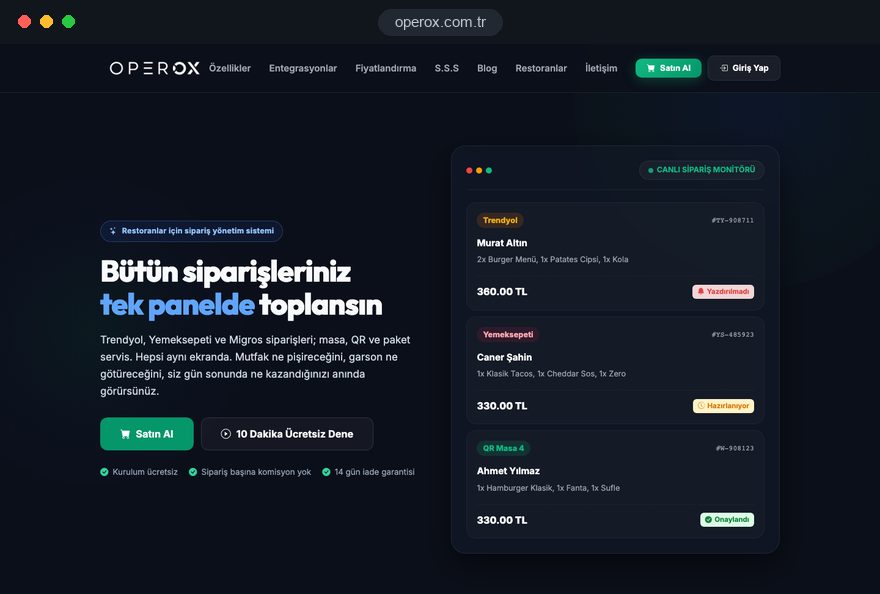
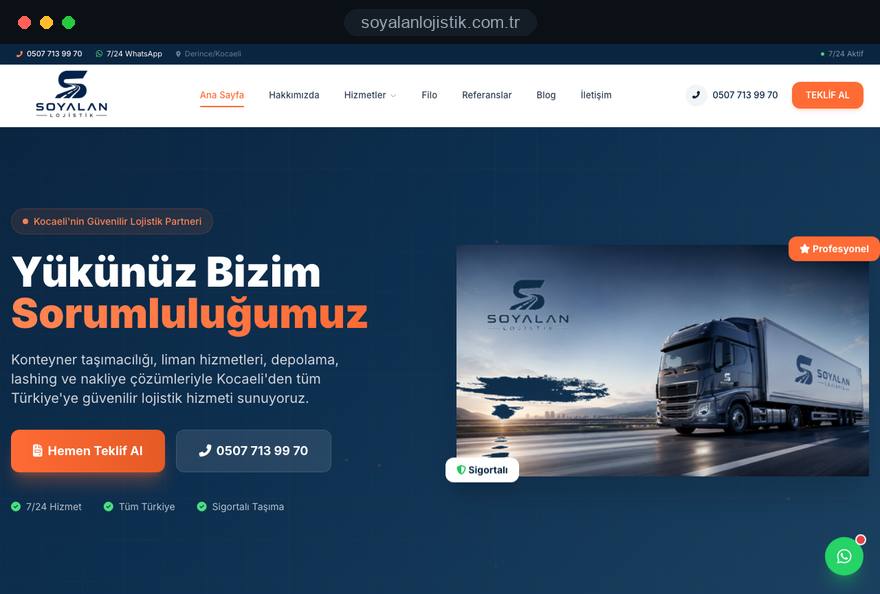
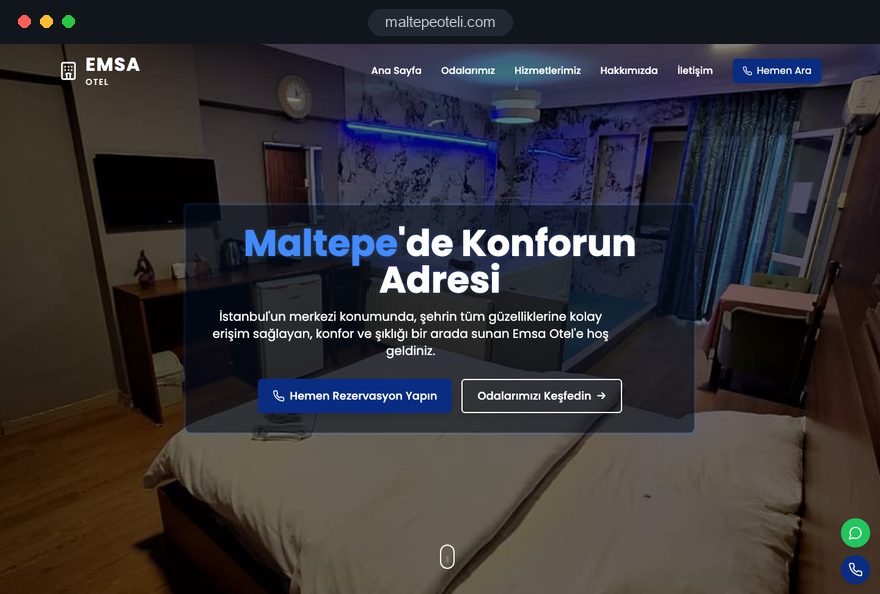
Then judge live work rather than mockups. Our completed projects so far are in Türkiye, and you can open each of them on our references page; we have not yet finished a project in the United States, and we say so before anything is signed.
04Owning Your Domain, Hosting, Code and Accounts
Your company should own every asset the website depends on, registered in its own name, from the first day. Disputes over a site rarely start with design; they start when a former vendor holds the domain or the only admin login.
For a New York business the domain is usually a .com, sometimes with a short brand variant registered as well. Hosting should sit close to US visitors, typically a US data center or a content delivery network with nodes on the East Coast, which simply means copies of your files are served from a location near the reader.
Use this ownership checklist before you pay a final invoice:
- Domain: registered to your company, with your own email address as the account owner and auto renewal switched on.
- Hosting: an account you can log into, with backups you can download, not only restore through the vendor.
- Code and content: a full copy delivered at handover, including images, fonts and any custom plugins.
- Google accounts: Business Profile, Search Console and Analytics owned by your company, with the agency added as a user.
- Third party tools: booking, payment and email marketing accounts opened in your name, so a change of agency never interrupts sales.
In any web design New York contract, these five points belong in writing. Keep the credentials in a password manager your company controls.
05The Project Step by Step, Run Fully Online
A remote build runs smoothly when each phase ends with a written decision you can point to later. Every stage below happens over video calls, shared documents and a live preview, and progress stays visible in our CRM.
- Discovery call: we talk through what you sell, who buys it, which boroughs or regions you serve and how leads reach you today, then summarize the call in writing.
- Written scope: page list, languages, integrations, who supplies copy and legal texts, revision rounds and the launch target, all agreed before design starts.
- Structure and wireframes: the navigation and the content of each key page are fixed first, so design does not hide unanswered questions.
- Design and build: you review the homepage and one service page on a phone and a laptop, then the rest of the site on the preview address.
- Testing: forms, tap to call, accessibility basics, speed and tracking are checked on real devices before anything goes live.
- Launch and training: we publish, submit the sitemap, confirm measurement and show your team how to edit pages on a recorded call.
No step requires meeting in person. If your travel ever brings you to Istanbul, you are welcome to visit us in Ataşehir, but the project never depends on it.
06Local SEO From Astoria to St. George
Local visibility in New York depends first on a complete Google Business Profile and a website that confirms the same details, then on reviews and on pages that describe real work in real places. Local SEO is the work of appearing in map results and searches that include a place or "near me".
Google's guidelines require the business name on the profile to match the name you use in the real world, without added keywords. A profile called "Smith Plumbing" is fine; "Smith Plumbing Brooklyn Emergency Plumber" risks suspension. Service area businesses such as cleaners or contractors can hide their address and list the areas they serve instead.
Work through these steps in order:
- Consistency: name, address and phone number identical on the site, the profile, Yelp and the Better Business Bureau, down to "Suite" versus "Ste".
- Real places: mention Sunset Park or Riverdale only where you actually work, and back it with a project, a photo or a typical travel time.
- Reviews: ask every satisfied customer through a short link, and answer reviews, including critical ones, in a factual tone.
- No doorway pages: skip dozens of near identical "plumber in" pages for every neighborhood; Google treats them as doorway pages, which can hurt the whole site.
For ongoing care after launch, our SEO service covers profile updates, content and reporting; otherwise review the profile every quarter.
07English First, Then Spanish, Turkish or German
Your main site should be written in US English, because most customers, landlords, banks and city agencies will read it in English. A second language pays off only when a real group of customers prefers it and your team can answer them in that language.
New York gives plenty of reasons to add one. Spanish often matters for home services and healthcare. A Turkish version helps when community customers or suppliers in Türkiye make up a meaningful share of your work. German makes sense for subsidiaries of companies from Germany, Austria or Switzerland whose head office wants to follow the US site.
Before you add a language, answer these questions in writing:
- Which pages need the second language: all of them, or only services, contact and frequently asked questions?
- Who answers calls, chats and emails in that language, and during which hours?
- Who writes the copy natively, rather than running it through a translation plugin?
- Will the second language have its own address structure, such as a separate folder, so Google can index it?
Technically, each language version needs hreflang annotations, which tell Google which version suits which reader; every version must reference the others and itself. You can confirm the setup with our hreflang checker after launch. A language switcher that only swaps text with JavaScript leaves the second version invisible to search.
08Speed, Hosting Region and Security for US Visitors
A New York site should load fast on a phone with a weak signal in the subway, because that is where many first visits happen. Google's Core Web Vitals give you clear targets for good performance, measured at the 75th percentile of real visits.
- LCP, largest contentful paint: how long the main content takes to appear; aim for 2.5 seconds or less.
- INP, interaction to next paint: how quickly the page reacts to a tap or click; aim for 200 milliseconds or less.
- CLS, cumulative layout shift: how much the layout jumps while loading; aim for 0.1 or less.
Most slow sites suffer from ordinary causes: oversized photos, a heavy homepage slider, too many chat and tracking scripts and a distant server. Compress images, load only the scripts you use and serve the site from a US region or a CDN.
Security belongs in the same conversation. Use HTTPS everywhere, keep the software and plugins updated, limit admin accounts to people who need them and switch on two factor authentication. Keep daily backups stored away from the main server.
Run your current homepage through our mobile friendly test and note the three slowest elements. For web design New York briefs, that short list is a more useful start than any mood board.
09Site Types That Fit New York's Industries
The right structure follows the industry you are in, so start from what your buyer needs to see before contacting you. New York's mix of finance, visitors, port trade and tech produces a few recurring site types, each with its own priorities.
Advisory, accounting and compliance firms. Securities employment in the city hit a record 201,500 in 2024 according to the Comptroller, and many smaller firms serve that world. Their sites need named people with credentials, pages per client type and an intake form that asks for the right documents. The consulting firm website page shows the structure in detail.
Importers, customs brokers and forwarders. The Port of New York and New Jersey handled 8,698,526 TEUs in 2024. Firms around it need lanes, services, required documents and a quote form that a supplier abroad can complete without a phone call; see our logistics company website page.
Restaurants, bakeries and visitor businesses. With nearly 65 million visitors in 2024, the site must answer hours, location, menu and booking within seconds, then hand off cleanly to the delivery or reservation platform you already use.
Contractors, salons and home services. Before and after galleries, the boroughs you cover, licensing details where your trade requires them and a tap to call button fixed at the bottom of the screen.
10US and New York Rules to Plan For
US website rules come from several sources at once, federal, state and sometimes industry, so plan them with the design instead of adding them at the end. This is general information, not legal advice; have your final texts reviewed by a US attorney.
- Privacy: there is no single federal privacy law. New York's SHIELD Act requires reasonable safeguards from any business that holds private information of New York residents, wherever that business is located. Several other states have passed their own consumer privacy laws, so ask your attorney which apply if you sell nationwide.
- Accessibility: the Department of Justice says the ADA applies to goods and services that businesses open to the public offer online. Designing to WCAG principles, with sufficient contrast, keyboard navigation, alt text and labeled forms, is the practical way to meet that expectation.
- Email marketing: the CAN SPAM Act requires a working opt out and a valid physical postal address in commercial email, among other duties.
- Sales tax for online stores: since South Dakota v. Wayfair (2018), states can require sellers without a physical presence to collect sales tax. New York requires remote sellers that pass both a sales and a transaction threshold over the previous four quarters to register.
Our part is technical: a privacy policy page, signup forms that record consent, accessible components and a store that can apply tax by state. If you plan to sell online, our e-commerce development team sets this up with your tax adviser's figures.
11Relaunching Without Losing Search Traffic
A relaunch keeps its rankings when every old address that earns traffic or links points permanently to the most relevant new page. Most traffic losses after a redesign come from deleted pages and missing redirects, not from the new design.
- Export the old site: list every indexed address from Search Console and a crawl, with the pages that bring visits, calls or backlinks marked.
- Map each address: pair every old page with one new page on the same topic; a page about kitchen remodeling in Brooklyn should not redirect to the homepage.
- Use 301 redirects: permanent redirects tell Google the move is final and pass most of the old page's signals.
- Test before switching: check redirects, titles, canonical tags and the robots file on the preview, and make sure the live robots file does not block the site.
- Watch for four weeks: submit the new sitemap, follow coverage and 404 reports in Search Console and fix gaps as they appear.
Remember that a page blocked in robots.txt cannot have its noindex instruction read by Google, so pages you want out of the index must stay crawlable with noindex. Our website redesign page covers the full relaunch checklist.
12Common Mistakes on New York Business Websites
The most expensive mistakes are rarely visual; they are decisions that quietly send prospects to a competitor two blocks away. These come up again and again on sites in this market, each with a better alternative:
- Calling the whole city your area: "serving all of New York" convinces nobody; name the boroughs and neighborhoods you truly cover and show work there.
- A homepage built for the owner: a long story and a mission statement push the service, the area and the phone number below the fold; lead with what you do, where and how to start.
- Machine translated versions: a Spanish or Turkish page that reads as a raw translation erodes trust; write each language for its readers or leave it out.
- Accessibility as an afterthought: low contrast text, image only buttons and unlabeled forms exclude visitors and invite complaints; build with WCAG principles from the first wireframe.
- Mismatched listings: an old suite number on Yelp and a new one on the site confuse both customers and Google; update every listing on the same day you move.
- No measurement of calls: most local leads in New York still arrive by phone, so track call clicks and form submissions as conversions from launch day.
Fix the two that apply to your site first; in web design New York projects they usually matter more than a new color palette.
13What Drives the Budget, Without Price Tags
The cost of a website depends on scope and complexity, not on the city, so a New York firm pays the same as a client anywhere else for the same work. Our fixed packages and what they include are listed in the pricing section of our web design page; anything beyond them is quoted in writing.
These factors move a quote the most:
- Number of unique page templates: ten service pages built from one template cost less than ten pages that each need a different layout.
- Languages: each additional language adds copywriting, review, hreflang setup and ongoing upkeep.
- Integrations: booking tools, CRMs, payment providers or a client portal each need setup, testing and documentation.
- Online store scope: product count, variants, tax by state and shipping rules shape the build more than the design does.
To keep a web design New York budget predictable, ask for the scope to separate included from optional items, and approve optional items one by one.
14Your First 90 Days and the Next Step
The first 90 days after launch decide whether the site becomes a working sales channel or a static brochure, so treat them as a short program with checkpoints.
- Days 1 to 30: confirm that forms, call tracking and analytics record correctly, fix any 404 errors in Search Console and ask your first ten satisfied customers for a review.
- Days 31 to 60: look at which searches bring impressions, then strengthen the two service pages closest to the first page of results with examples, photos and answers to real questions.
- Days 61 to 90: compare leads by page and borough, decide whether a second language or paid search is justified, and plan the next round of content.
When you are ready to talk, use our contact form and tell us what you sell, which boroughs you serve and which languages you need. A web design New York project with us starts with a short video call in your morning; afterwards you receive a written scope and quote, and you decide with everything on paper.