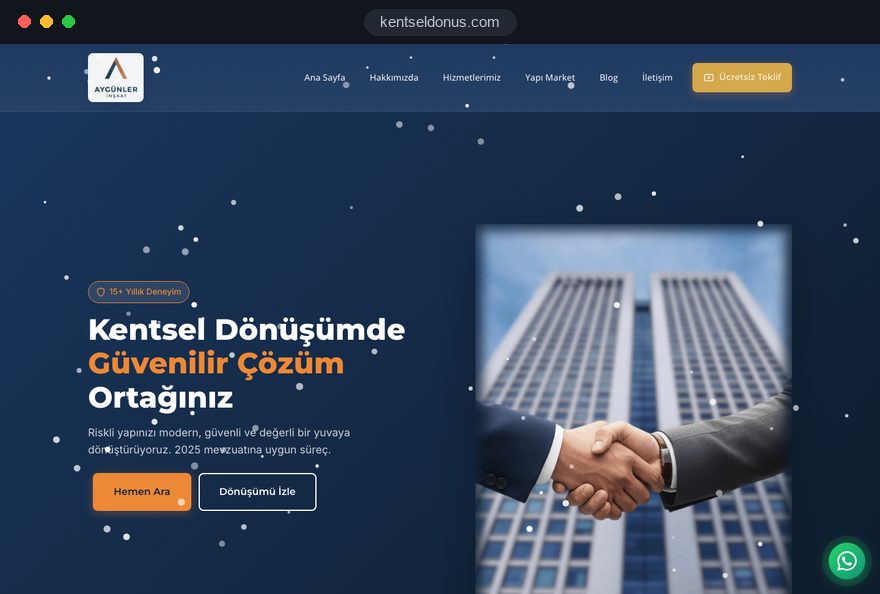
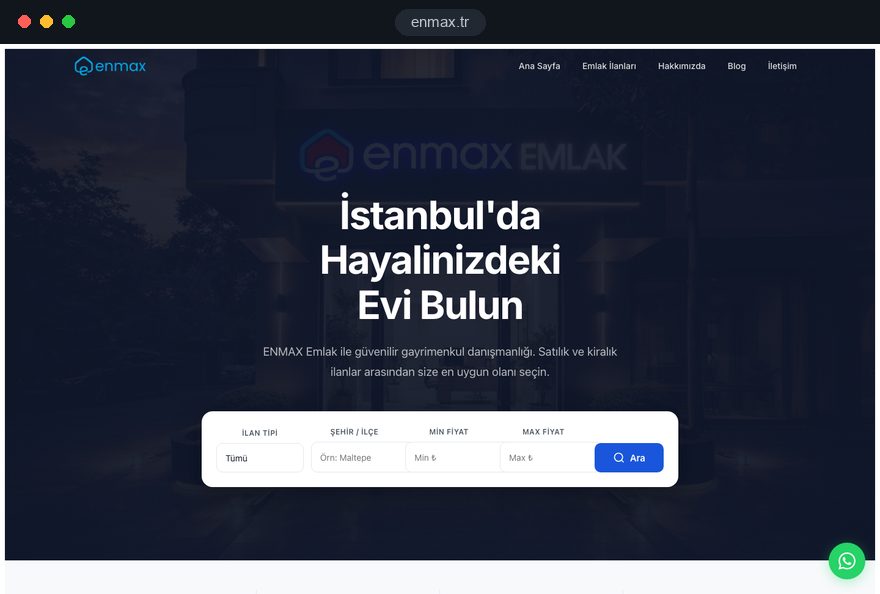
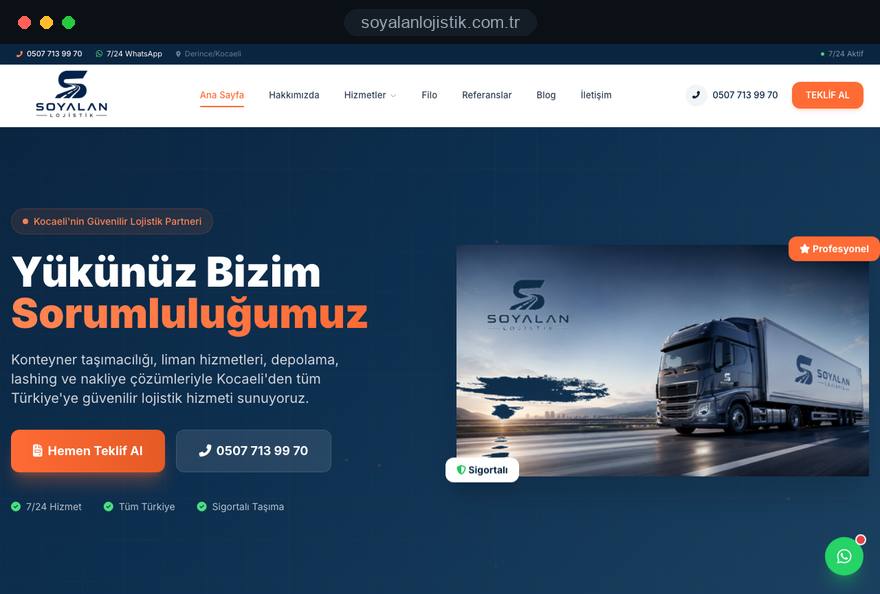
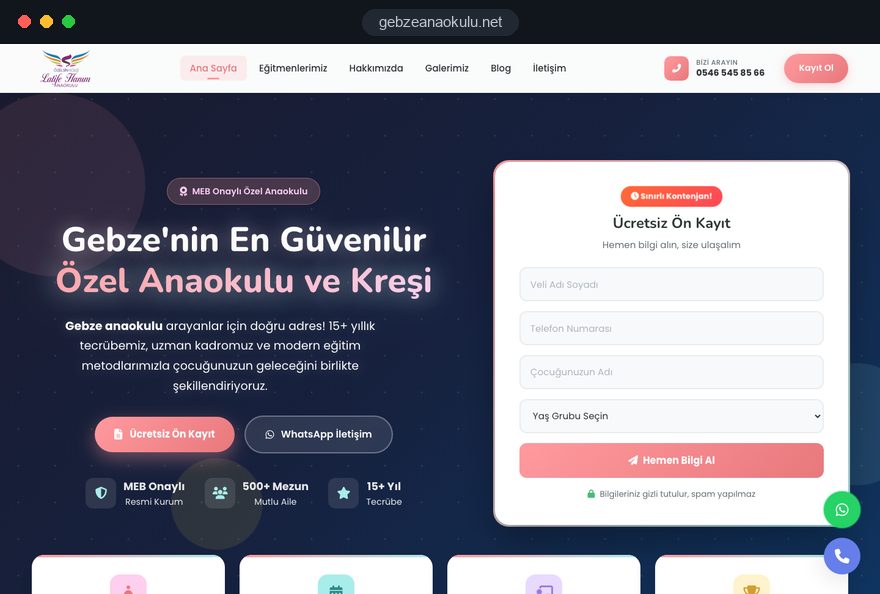
Picture four Preston owners planning a new site this year: a kitchen fitter quoting on the estates around Cottam, a lettings firm with rooms near the campus, a machine shop chasing work from the Samlesbury and Warton sites, a physiotherapy practice in Fulwood. Web design Preston projects tend to fail for the same reason: the site was planned around a logo instead of around the buyer.
Talha Aslan and team have laid out the choices those owners face, roughly in the sequence a project raises them. Every section ends with something you can do this week: a check you run yourself, a question for the studios you are comparing, or a sentence for your brief.
01What Preston's Economy Asks of a Business Website
A Preston website has to win strangers, because a large share of its audience is new to the area. ONS mid year estimates show the district growing from 140,054 residents in 2011 to 164,498 in 2025, a rise of 17.5 per cent, against 10.9 per cent in Blackburn with Darwen and 5.4 per cent in Lancaster over the same period. The median age of 35.7 points to working households and families rather than a retired population.
Three forces sit behind those numbers, and each changes what your pages must carry:
- Housebuilding in the north west of the city: the City Deal plans more than 4,000 homes there, so new residents choose trades, nurseries and clinics by searching rather than by word of mouth.
- A university in the city centre: the University of Lancashire Preston campus has more than 27,000 students and staff, a market for lettings, tutoring, food and services that turns over every academic year.
- Advanced engineering on two flanks: the Enterprise Zone sites at Samlesbury and Warton sit within seven miles of the centre and pull in suppliers who must prove capability before anyone calls them.
Before you start a web design Preston brief or speak to any studio, write down which of these three groups pays your bills and in what order. That ranking decides the home page, the first call to action and what the site counts as a successful enquiry.
02Searches From Cottam to Riversway: Reading Local Intent
Preston buyers rarely search the city name alone; they type the area they live in, the street they work on or the process they need. Mapping those phrases before design starts tells you which pages deserve to exist.
- Estate and village searches: "bathroom fitter Ingol", "nursery Broughton" or "plumber Fulwood" come from households on new developments and are decided largely on the map.
- Campus searches: "student rooms near university Preston" or "room to rent Deepdale" peak in the months before the academic year and come from parents as often as from students.
- Process searches: purchasing teams type "sheet metal fabrication Lancashire" or "NDT inspection services Preston", and they read capability pages on a desktop at work.
- River crossings: customers in Penwortham, Leyland or Bamber Bridge belong to South Ribble and often search their own town name first.
- Event searches: the Preston Guild returns in 2032, held every twenty years, and organisers, caterers and hotels will see planning searches long before that week.
Try this before any meeting: take the five phrases that would bring your most profitable jobs, search each one in a private browser window on your phone and screenshot what appears above the fold. Where directories own that space, invest in service pages; where the map listings own it, invest in the profile and reviews. Keep that record; it becomes the baseline for every later web design Preston decision.
03Working With an Istanbul Studio From Lancashire
Hiring abroad works when nothing important depends on memory: agreements sit in a shared document and progress sits on a link you can open whenever you like. Our team is based in Istanbul, and every Preston project is handled online from start to finish. Turkish clocks stay on UTC+3 throughout the year, so we are two hours ahead of Preston from late March to late October and three hours ahead for the rest of the year.
In practice a nine o'clock call in Preston is late morning for us, and any written follow up reaches you the same day. Put the same five questions to every studio you consider, whether in Lancashire or overseas:
- Which pages, forms and connected tools are in the quote, and which are expressly left out?
- How many revision rounds are included for design and for copy, and how is extra work agreed?
- Is there a password protected staging link that my colleagues can review on their own schedule?
- Who edits the English copy, and will it read naturally to a Lancashire customer, with British spelling throughout?
- Who answers a support request if my usual contact is away, and how fast is it acknowledged?
Then open three of their live sites on your own phone and compare the answers you received for precision. A studio that avoids a written scope at the start will avoid it again when a deadline slips.
04Keeping the Domain, Server and Logins Yours
Your company should hold the keys to every service the website relies on; the studio receives access that you grant and can take back. Switching supplier later is then a matter of changing passwords.
Check each item at handover:
- Domain: whether you choose .co.uk, .uk or .com, the registrant field shows your business, and renewal notices go to a mailbox that is checked.
- Hosting: the hosting contract carries your name, with the data centre in Britain or nearby in Europe.
- Files and database: a downloadable copy plus a note of the platform, every paid plugin and who holds each licence.
- Google tools: the primary owner of your Business Profile, Search Console property and GA4 account is a mailbox your firm controls; agencies get delegated roles.
- Mail authentication: SPF, DKIM and DMARC entries in the DNS zone, so that tenancy offers and quotations are not filtered as junk.
Ask for a single access sheet at launch listing each login, its owner and where recovery codes are kept. Engineering suppliers in particular should treat it as a compliance document, because a prime contractor's onboarding questionnaire may ask who controls your systems and data, and a clear sheet answers in minutes.
05Six Steps From First Call to Launch
A remote web design Preston build stays calm when each stage produces something you can inspect before the next begins. Ours runs in this order:
- Discovery call: your three audiences ranked, the areas you cover on both banks of the Ribble and the enquiry that matters most.
- Scope document: a short contract appendix listing every page, form, language and legal text, approved by whoever holds the budget.
- Sitemap and wireframes: grey boxes that fix navigation and page order while changes are still cheap.
- Look and words: colours, type and imagery applied to the approved boxes, while the copy is drafted for people who live and buy in Lancashire.
- Build on a preview: development on a protected link, with tasks tracked so you see what is finished.
- Go live: form and redirect tests, the switch of DNS, a recorded tour of the editing panel and the access sheet in your hands.
Meetings take place on video, and decisions are confirmed by message afterwards. Should a trip ever bring you to Istanbul, our Ataşehir office is open to you for a coffee and a working session, but no step requires it.
Two habits shorten the schedule more than anything technical. Name one person who approves each stage. Collect real photographs early: finished kitchens on a Cottam estate, the workshop floor, rooms ready for September. Waiting for pictures delays more launches than code does.
06Map Pack Visibility North and South of the Ribble
Showing up in the map results depends on two things you control: a carefully kept Google Business Profile and site pages that mention only the neighbourhoods where you genuinely take work. Preston has a strong sense of district: people say Fulwood, Ashton, Ribbleton, Larches or Grimsargh before they say Preston, and the river splits the city from South Ribble towns that search on their own terms.
Work through it in this order:
- Profile foundations: the name on your van or shopfront with no stuffed keywords, a precise primary category and hours that match reality; trades who visit customers can hide the home address and set a service area.
- Matching listings: spell the business details exactly the same way on the website footer, the profile, Yell and any trade association listing.
- Honest place names: a roofer lists the areas covered on one service page and shows a recent job in Goosnargh, rather than publishing thin copies of a page for every village.
- Reviews with substance: ask customers to mention the job and the area in their own words, and reply to each review.
Google treats near me searches as a judgement of relevance, distance and prominence. You cannot move your premises, but relevance and prominence respond to clear pages and genuine reviews. Our local SEO service covers this work if you want it done alongside the build.
07When a Turkish or German Version Earns Its Keep
Your English pages carry the business; they are what Lancashire County Council, a prime contractor or a parent in Fulwood will read. Another language only pays when you can name the buyers who would use it and you have someone who can reply to them in it.
Ask yourself these questions before adding one:
- Turkish: do your customers include Turkish speaking families or firms, and can someone at your business reply in Turkish by phone or message?
- German: do you supply machinery, components or software to buyers in Germany, Austria or Switzerland who compare suppliers in their own language?
- Student audiences: do you house or serve international students whose parents read the tenancy terms from abroad?
- Maintenance: who will update prices, availability and certificates in the second language when the English version changes?
When the answer is yes, build the second version as a full parallel site with its own pages, not a translation widget. Each language version needs hreflang annotations that reference the other versions and itself, so Google shows the right page to the right reader; our hreflang generator produces the tags. Start with the pages that bring enquiries, usually the home page, the main services and the contact form, and extend only when they prove useful. A good web design Preston brief states this rollout order in writing.
08Speed, Server Location and Security for Phone Buyers
Most of your local visitors arrive on a phone, often on a mobile signal at a bus stop near the university or in a van between jobs, so speed is a sales issue. Google judges a page as good when three out of four visits meet these marks: the largest visible element (LCP, largest contentful paint) has loaded within 2.5 seconds, a tap or click gets a visual response (INP, interaction to next paint) within 200 milliseconds, and the layout moves by no more than 0.1 on the CLS scale, which scores unexpected shifting.
Practical measures that serve those targets:
- Short distance to the server: for visitors in Lancashire, a British or western European data centre keeps the first response quick.
- Light images: project photos and room pictures resized and served in modern formats, with dimensions set so the layout does not jump.
- Few third party scripts: every chat widget, map embed and tracking tag must justify itself.
- Security basics: a valid SSL certificate, automatic updates, daily backups stored off the server and two step login for the admin panel.
Test your current site with our mobile friendly test before any meeting, on the same phone your customers use. A capability page for engineering buyers deserves equal care, since a slow page on a procurement laptop suggests the same attitude to delivery dates.
09Page Types for Builders, Landlords and Engineering Suppliers
Each of Preston's main markets needs a different set of pages, and a single brochure template serves none of them well. Match the structure to how your buyer decides.
- Builders and fitters on the new estates: a gallery of finished work with the area named, a page explaining how a survey visit works and a short form that asks for postcode and job type. The renovation company website page shows a proven layout.
- Student landlords and lettings agents: room pages with real photos, walking time to campus, tenancy dates by academic year and a viewing request that works on a phone.
- Machining and fabrication suppliers: capability lists by process and material, machine lists, quality certificates as downloads and a quote form that accepts drawings, as on the CNC and contract manufacturing page.
- Practices and clinics: dentists, physiotherapists and accountants around Fulwood and Winckley Square need service pages, staff credentials and a clear booking route.
- Hospitality around the centre and the docks: menus as text rather than images, opening hours that match the profile and a table request form.
If your business straddles two of these, for example a joinery firm that also supplies shopfitters, give each audience its own route in the first scroll of the home page. Mixing household and trade messages in one block confuses both readers.
10UK Rules Your Site Must Respect
Five pieces of UK law touch almost every small business site in Preston, and planning for them in the scope is cheaper than patching later. What follows is an overview rather than legal advice, so ask a solicitor to review your final texts.
- Data protection: a contact form or a tenancy application gathers personal data, so the UK GDPR, alongside the Data Protection Act 2018, calls for a privacy notice setting out purposes, lawful basis and retention.
- Cookies and newsletters: the ICO guidance on PECR says cookies that are not strictly necessary, analytics and ad tags included, may only be set after the visitor agrees; the same regulations govern consent for marketing emails.
- Trading disclosures: a limited company states on the site its registered name, number, the part of the UK where it is registered and its registered office.
- Distance selling: under the 2013 Consumer Contracts Regulations a consumer who orders online may usually cancel within 14 days, so a shop or an online service order explains how that works before checkout.
- Accessibility: the Equality Act 2010 bars service providers from discriminating and places a duty to make reasonable adjustments, a strong reason to design for keyboard use, readable contrast and descriptive alt text.
We set up the technical side: a consent banner that actually blocks scripts until a visitor agrees, form notices, a footer with company details and contrast checked against accessibility guidance.
11Rebuilding an Older Site Without Losing Search Traffic
A rebuild keeps its rankings when every old address that earns visits leads to its new equivalent. Many Preston firms run sites that were built a decade ago and still bring steady enquiries for a few strong pages, so treat those pages as assets.
- Export every indexed address from Search Console and your sitemap, and mark the ones with clicks or links.
- Map each old address to the closest new page; a spreadsheet with old and new columns is enough for most sites.
- Carry over titles, headings and copy that already rank, improving them rather than replacing them blindly.
- Set permanent 301 redirects, then test a sample of them on launch day.
- Submit the new sitemap and watch coverage and queries in Search Console for eight weeks.
One technical trap: if you want an old page dropped from Google, leave it crawlable and add noindex, since a robots.txt block hides the noindex instruction from Google. Our website redesign page covers the full checklist.
12Mistakes Common on Preston Business Websites
Browse twenty local business sites in an evening and the same six problems repeat. Here they are, each paired with a fix.
- Naming every Lancashire town: a footer listing forty places reads as spam; name the areas you really cover on one service page and back them with real jobs.
- Treating South Ribble as Preston: customers in Penwortham or Leyland may not see themselves in a page about Preston; mention their towns plainly if you work there.
- Room listings without dates: students and parents leave when tenancy start dates and what is included are missing; publish both on every room page.
- Vague capability claims: phrases such as "high quality engineering" persuade no buyer; list processes, materials, tolerances and certificates instead.
- Stock photos of foreign skylines: generic images undermine trust; use your own team, workshop and finished work.
- Analytics that ignore consent: tags firing before a visitor agrees breach PECR; configure the consent banner to block them until consent is given.
Pick the two mistakes that apply to your current site and put their fixes at the top of your brief. Fixing those two often matters more to a web design Preston project than any new visual idea.
13What Drives the Size of the Budget
The cost of a site depends on its scope, and our prices are the same for a Preston firm as for one anywhere else. Understanding which choices move the figure lets you split the project into a first phase and later additions, which is often the sensible route for a growing business on the new estates or a supplier still waiting for its first Enterprise Zone order.
- Number of templates: a room listing, a project gallery and a capability page each need their own design and logic.
- Content work: writing pages from scratch takes longer than editing copy you supply, and technical copy for suppliers needs input from your engineers.
- Languages: each additional language adds translation, review and ongoing maintenance.
- Integrations: booking tools, property software feeds, payment or a CRM connection add development and testing.
- Migration: a large older site with many ranking pages needs careful redirect work.
Our fixed packages and what each includes are listed in the web design pricing section. Projects with two languages, room booking logic or drawing uploads receive a written quote once we have spoken. Ask any studio to break its quote down along the five lines above; if it cannot, the scope is not yet clear enough to price fairly.
14The First 90 Days and Your Next Step
A launch is the start of measurement, not the finish line. Agree the following routine before the last invoice.
- Weeks 1 to 4: check that every form reaches the right inbox, confirm Search Console coverage and ask five recent customers for a review.
- Weeks 5 to 8: read which search queries bring visits and add a project or a room page where demand shows up.
- Weeks 9 to 12: compare enquiries with the year before, update certificates and availability and decide whether a second language or paid search comes next.
Before talking to us, prepare three things: your ranked audiences, a list of the areas you truly serve and links to two sites you admire. With those, a web design Preston conversation moves straight to decisions. If the timing suits, book a short call with our team; you can also review our projects in Türkiye or read about our web design service first. Every project starts with a written scope, so you know exactly what you are agreeing to before anything is built.