Picture the people who will brief a new website here this year: a forwarder whose trailers queue at the Western Docks, a hotel near Town Quay that sells out the night before a sailing, a chandlery that takes a stand in Mayflower Park each September, a physiotherapy practice in Bassett. Web design Southampton projects rarely serve a single kind of reader.
A shipper in Rotterdam and a family in Sholing may open the same homepage within the same hour. Talha Aslan and team have ordered the decisions below as a project tends to meet them, and each section ends in a check, a criterion or a question you can put to whichever studio you hire.
01A Port Economy Sets the Brief
A Southampton website has to win trust from distant buyers and fast decisions from local customers, because the city's economy faces the sea. The ONS counts 259,230 residents for mid 2025; half of them are younger than 34.8, while the UK median is 40.9. Associated British Ports calls the port the country's leading vehicle handler, with 600,000 vehicles a year, five cruise terminals and around 3 million cruise passengers.
Those numbers hand very different jobs to a site. Before anyone opens a design tool, settle which of these your firm mainly needs:
- Win contracts: forwarders, hauliers and customs agents need pages that let a procurement team shortlist them without picking up the phone.
- Fill rooms and spaces: hotels, car parks and transfer firms depend on passengers who choose on a phone the evening before departure.
- Prove expertise: marine engineers and ocean technology firms are judged by projects, people and published work.
- Serve a young city: clinics, gyms, tutors and letting agents rely on residents and students who expect to book in a few taps.
Put that main job into one sentence at the top of your brief. Navigation, the first headline and the order of pages should all serve it.
02How Searches Change Across the City
Search behaviour here follows three clocks at once: the working week of the docks, the sailing calendar and the academic year. A page plan built around only one of them hands the other two to competitors.
- Trade searches: buyers type service names rather than places, such as "ro ro forwarding UK" or "bonded warehouse Hampshire", often from abroad and on a desktop.
- Sailing day searches: "hotel near cruise terminal", "cruise parking Southampton" and "taxi to Ocean Terminal" peak the day before departure and on embarkation morning, nearly always on a phone.
- Neighbourhood searches: residents add the area, as in "dentist Portswood", "plumber Bitterne Park" or "nursery Shirley", and then pick from the map.
- Campus searches: each autumn new students around Highfield and the city centre look for rooms, gyms, opticians and part time work.
- Boat show searches: in late summer, visitors look up exhibitors, stand numbers and launches.
A useful exercise: list the ten queries your most valuable customer would type, run them on a phone and again on a laptop, and compare the results. Where the two lists diverge, each audience probably needs its own entry page.
03Working With a Studio Outside the UK
A team based abroad can run a Southampton project smoothly when the hours are planned and each decision is recorded. We work from Istanbul, on UTC+3 all year. While Britain is on summer time our clocks read two hours later than yours; between late October and late March the gap widens to three.
In practice your morning meets our afternoon, which suits port businesses that are busiest when the shift starts, and the recap of each call is in your inbox before you leave work. Whether the studio sits abroad or on Above Bar Street, put the same questions to each:
- Who on your team drafts and proofreads in British English, spelling places like Hythe, Netley and the Itchen correctly?
- Will a dated written recap follow every meeting, naming who handles each open point?
- Can our staff open a protected preview on their own phones at any hour?
- What does the scope leave out, and how are extra requests quoted and approved?
- How fast do you react to a fault on a peak cruise weekend?
Vague replies at this stage are a reliable forecast. Pick the partner whose answers you could forward to a colleague without adding a word.
04Keep the Keys to Your Domain and Data
Every account behind your website should be held in your company's name, so a change of supplier, owner or premises never locks you out. Firms around the port are bought, merged and moved often, and logins nobody documented turn into a problem in any sale.
- Domain: hold the .co.uk or .com in a registrar account the company controls, with reminders sent to a shared mailbox.
- Hosting: pick servers in Britain or close by in Western Europe, with the contract and invoices addressed to the firm.
- Code and content: at handover, ask for the full source, an export of all content and brief notes on how changes go live.
- Google accounts: the firm itself holds the Business Profile, Search Console and the GA4 property; any agency gets temporary user access.
- Booking and freight tools: sign reservation engines, quote systems and payment providers directly, so customer records stay with you.
List each asset on one sheet with its expiry and its keeper, and review the sheet every January. When a director leaves or the firm is sold, that list saves days of recovery and shows a buyer the website is a clean asset.
05The Project From Kick Off to Launch
The work moves through stages that each end with your written sign off, and none of them needs a journey. For a Southampton client the usual order is:
- Discovery call: we map your audiences, those ten queries and the season that matters most, and the summary reaches you the same day.
- Scope and sitemap: templates, languages, connections to other systems and the number of feedback rounds go in writing, on a timetable that keeps clear of your busy weeks.
- Material check: we settle who writes which page, which photos already exist and which must still be shot at your yard, hotel or warehouse.
- Design with genuine text: the main layouts carry your real wording and are judged on a phone, not just a big screen.
- Build in the open: you follow progress on a password protected copy of the site and in our CRM.
- Go live and hand over: consent, tracking, redirects and Search Console get a final review, and your staff learn to change notices and hours on their own.
Everything happens online. If business brings you to Istanbul, you are welcome to meet the team at our office in Ataşehir, though nothing depends on it. Cruise related firms should aim to go live in winter, well ahead of the spring sailings.
06Map Results From Bitterne to Shirley
Being found nearby depends on a well kept Google Business Profile and a handful of genuinely useful area pages, never on dozens of clones that only swap the ward name. Google classes such clones as doorway pages, which can weigh on the whole domain.
Fix the listing first. Google wants the name that appears on your signage, with no added keywords, and a firm that travels to customers, a locksmith or a mobile mechanic for instance, may hide its street address and list the areas it covers. After that:
- Know where the city ends: Eastleigh, Totton and Hedge End fall outside the city council's area. A single candid page can list which places you serve on either side.
- Area pages that teach something: a roofer could explain the typical repairs on the terraced streets of Portswood and Freemantle.
- Matching contact data: spell your firm's name, street and number exactly alike on the website, on Google, on Yell and with any trade body.
- Reviews: request one after each finished job, answer every one and never pay or reward for them.
If nobody in house has time, our SEO service can look after the listing, area content and technical health. Open the listing once a month regardless, since edits proposed by the public can change your hours or category unnoticed.
07English First, Then Turkish or German
English runs nearly every site here, and another language earns its cost only when a named group of buyers would commit sooner in it. Check last year's inbox before deciding: which enquiries came in another language, and what did those people want?
Two situations stand out in a port city. A forwarder with regular lanes to Türkiye, or to Germany, Austria and Switzerland, may receive more requests once importers there can read services and Incoterms in their own words. A Turkish speaking firm in construction, catering supply, beauty or property may have community customers who like quotes in Turkish, yet councils, landlords and suppliers still expect English.
- One folder per language: never a button that rewrites text on the same address.
- Links in both directions: hreflang on every version names its siblings and itself, so readers abroad reach the right one.
- Written, not converted: each version gets its own examples and phrasing instead of machine output.
- Begin with revenue pages: translate the pages that produce quotes; news can stay English.
The set up is explained further on our multilingual website page. Give one named person charge of each language, since a stale translation hurts credibility more than having none.
08Speed for Phones in the Terminal Queue
Loading time quietly decides many bookings, because plenty of visitors open your pages on a crowded mobile signal while queuing at a terminal, driving in on the M271 or standing on a pontoon. Google rates the experience through three Core Web Vitals, measured at the 75th percentile of real visits, so at least three visits in four must meet each target:
- LCP, largest contentful paint: the moment the biggest element, often a harbour picture, is visible; the target is 2.5 seconds at most.
- INP, interaction to next paint: the delay between a tap and the screen reacting; the target is 200 milliseconds at most.
- CLS, cumulative layout shift: how far text and buttons jump during loading; the target is 0.1 at most.
Oversized quayside and product photos cause most slow pages. Save them as WebP or AVIF in the dimensions each device actually shows, reserve their space in the layout, and turn PDF tariffs or timetables into normal pages. Vessel trackers, maps and booking widgets should wait until a visitor scrolls near them.
Security sits on the same list: encrypted connections throughout, prompt software updates and copies kept on a separate system, with one trial restore before launch. A web design Southampton brief should say who takes care of each item after go live.
09Page Patterns for Southampton Sectors
The city's leading industries each call for their own page structure, and a web design Southampton brief gets far clearer once you know which one fits. Four patterns cover most requests:
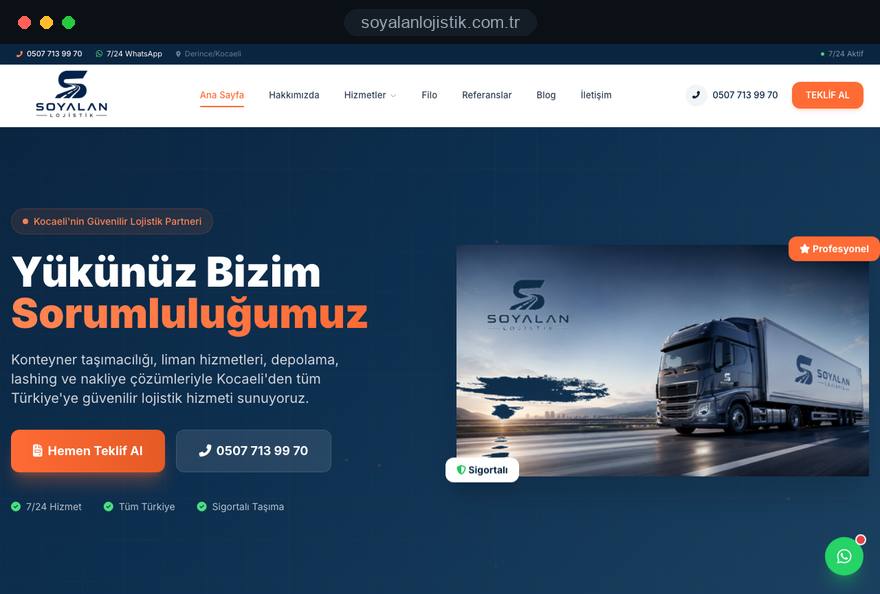
- Freight, customs and warehousing: a page per service and cargo type, transit times, accreditations high up and a quote form that asks for origin, destination, volume and dates. Our logistics company website page sets out the full structure.
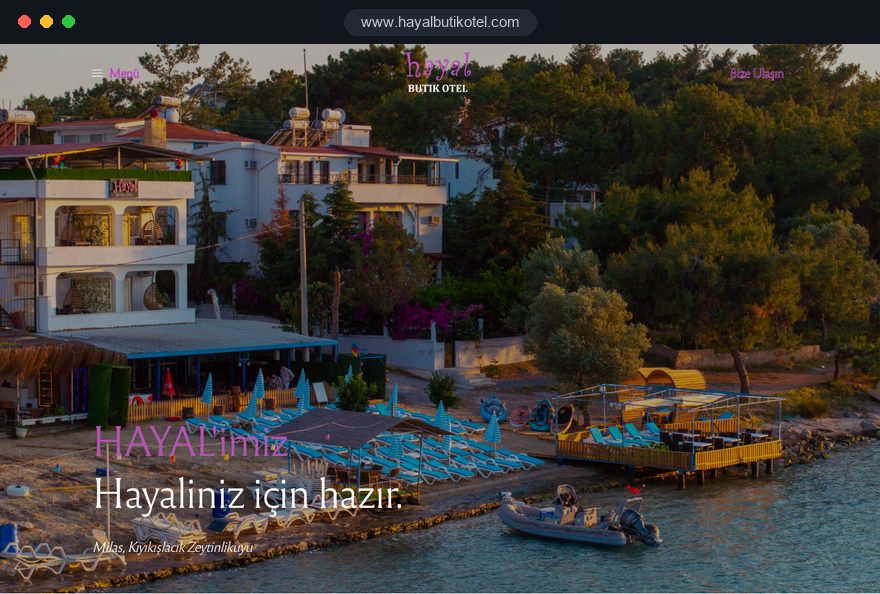
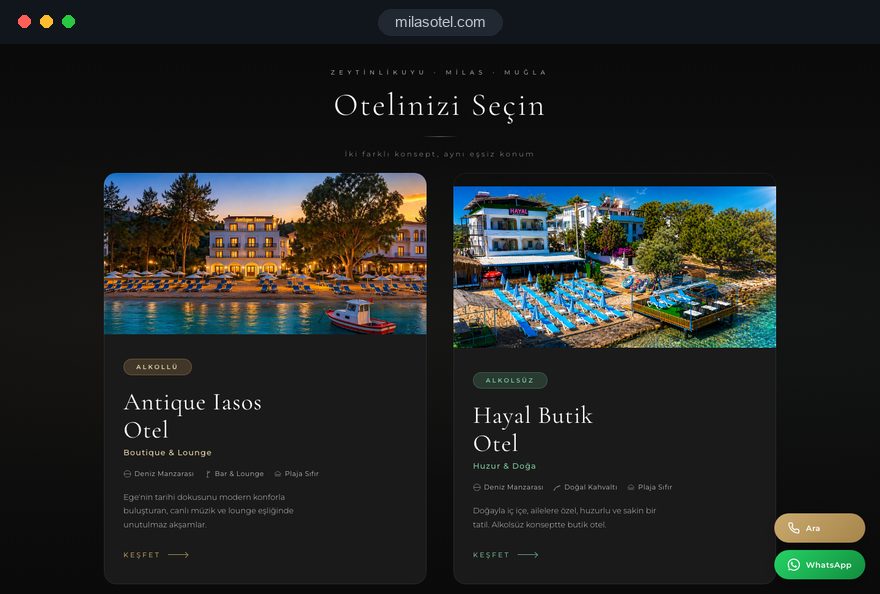
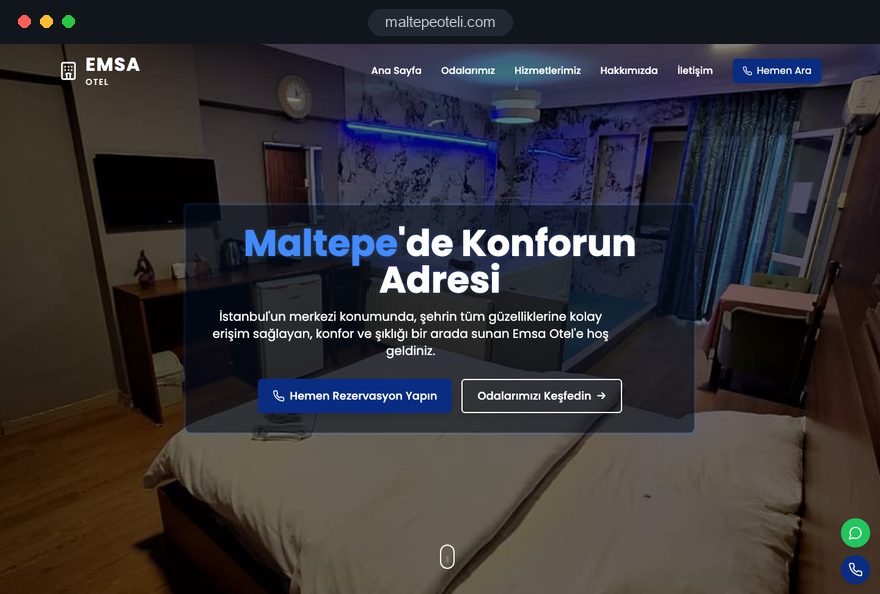
- Cruise hotels, parking and transfers: an opening screen with travel times to each terminal, luggage and check in options and a direct booking button. Room and rate layouts are covered on our hotel website page.
- Boatyards, chandlers and yacht services: project galleries with written captions, service request forms and a show section refreshed before September; see the yacht maintenance website page.
- Engineering and ocean technology: capability pages, case studies naming the methods used, team profiles and a careers area for graduates of the university.
Whatever the pattern, show your own yard, warehouse, rooms and crew. A stock image of a liner says where you are; your own photographs say why a customer should pick you.
10UK Rules to Build In From the Start
Several British rules touch almost every commercial site, and handling them during the build is far cheaper than retrofitting. Read what follows as orientation, not legal advice, and let a solicitor approve the final texts.
- Data protection: as soon as a form, booking or tracking tool handles personal data, the UK GDPR and the Data Protection Act 2018 oblige you to tell people plainly what is gathered, for what purpose and for how long it is kept.
- Cookie consent: under PECR, the ICO expects a clear positive action from visitors before analytics or advertising cookies are placed.
- Trading disclosures: a limited company states its registered name, number, registered office address and where it is registered.
- Distance contracts: the Consumer Contracts Regulations 2013 normally give shoppers 14 days to change their mind, counted for goods from the day they arrive.
- Accessibility: section 29 of the Equality Act 2010 obliges service providers to make reasonable adjustments, which online means sufficient contrast, keyboard navigation and properly labelled fields.
Firms shipping to customers in the EU should also check which EU rules follow those sales. We set up consent so tracking stays off until a visitor chooses, and we trim forms to the fields you really use.
11Relaunching Without Losing Search Traffic
A replacement site holds on to its rankings only if each old page that still earns visits or links has a matching new address before launch day. Port directories, trade association listings and cruise forums often point deep into old pages, and those links break without anyone noticing.
- Gather the old addresses: pull them from Search Console, GA4, the previous XML sitemap and a full crawl, marking every one that gets traffic or backlinks.
- Match them: assign each one its nearest successor in a spreadsheet, or note why it disappears. Our redirect mapping tool speeds this up.
- Lock the test copy with a password: robots.txt alone is unsafe, since Google never sees a noindex on pages it is told not to crawl.
- One hop per redirect: each retired page points with a 301 straight at its successor; dumping everything on the homepage throws away earned links.
- Watch four weeks: submit the new sitemap, read the indexing report each week and correct your entries on Yell and partner sites.
Choose a quiet window: outside the cruise season for hotels and transfer firms, and not in the run up to the boat show for marine suppliers. Renew the old domain for several more years so printed brochures still arrive somewhere.
12Common Mistakes on Port City Websites
Most sites that underperform here lose enquiries through small details that are easy to fix. Six come up repeatedly, each paired with a better habit:
- "Close to the port" without distances: passengers cannot tell which terminal you mean. Give the travel time to each terminal you serve.
- A quote form asking only for a name and an email: staff then spend a day chasing the basics. Ask for origin, destination, cargo type and dates in a short structured form.
- Boat show news posted at the last minute: visitors plan their route through the halls weeks ahead. Publish stand details and meeting slots the day they are settled.
- Tariffs and timetables as scanned PDFs: hard to read on a phone and ignored by search. Turn them into pages and keep the PDF as an optional download.
- A consent banner offering only "accept": PECR does not treat continued scrolling as agreement. Give "reject" the same size and prominence.
- Galleries of vessels with no text: crawlers and screen readers learn nothing. Write two or three sentences and an alt description for every project.
Ask each agency you shortlist which of these it spots on your present site; its answer reveals how carefully it looked.
13What Shapes the Cost of a Site
Price depends on effort, never on the postcode, so a site for a firm in Ocean Village costs what the same scope would cost anywhere. To compare web design Southampton offers fairly, ask every studio to split its figure along these lines:
- Distinct layouts: a service, a room, a vessel project, a profile and a vacancy usually need different templates.
- State of your material: signed off texts and recent photos are quicker to place than content still to be written or shot.
- Languages: every added version brings its own drafting, proofreading and testing.
- Connections: booking engines, freight quote logic, payments, CRM or newsletter links.
- Size of the old site: more legacy addresses mean more redirects to map and verify.
- Support after launch: whether your staff run updates and backups or a maintenance plan does.
Good preparation keeps the total in check: one decision maker, finished copy and current pictures. Bigger features, a shipment tracking portal for instance, can come in a second phase so the main site is live first.
14The First 90 Days and Your Next Step
The quarter after launch shows whether the new site earns its keep, so give each month one clear task:
- Weeks one to four: submit every form, press every call button and try every booking link from a phone; check that GA4 counts these only after consent and that Search Console shows no errors.
- Weeks five to eight: see which queries and districts bring people in, and sharpen titles and first lines on pages that are shown often but rarely clicked.
- Weeks nine to twelve: answer the questions callers keep asking on the relevant pages, keep collecting reviews and plan updates for the next season.
Firms further along the coast weigh similar choices on our Portsmouth web design page. Plenty of single language sites with a fixed list of pages match a package in the pricing section of our web design page; bilingual sites, shops and quote systems are priced in writing after a short call. All finished work to date is in Türkiye and can be seen on our references page.
To begin your web design Southampton project, tell us your main goal and your ten queries through the contact form. Successful web design Southampton work is easy to judge: more qualified enquiries and bookings within ninety days, on a site your own staff can keep up to date.