Stoke-on-Trent is a city of six towns that still think of themselves separately, and a business account here is read by neighbours, day visitors, apprentices and trade buyers in the same evening. This guide is for owners and managers of potteries, cafes, trades, suppliers and studios who want a steady, honest presence without a daily posting treadmill.
We are Talha Aslan and team, and our work for accounts in the city runs fully online. You, or a photographer you choose, do the filming; we plan, write, reply and report. Take each section as a decision you can make with or without us, because social media management Stoke-on-Trent owners can sustain is built from decisions, not from volume.
01Who Is Actually Watching Your Account
The audience is mostly households first and visitors second. The ONS mid 2025 estimates count 272,282 residents, 62,855 of them aged 45 to 64 and 54,723 under 16, which is 20.1 per cent of the city against 19.6 per cent in Derby. Those are the people who book the nursery, call the plumber and choose where the family eats, and they ask each other before they ask a search engine.
- Town households: Burslem, Fenton, Hanley, Longton, Tunstall and Stoke each keep a separate identity, so a post that names your town reads as local and one that names only the city reads as distant.
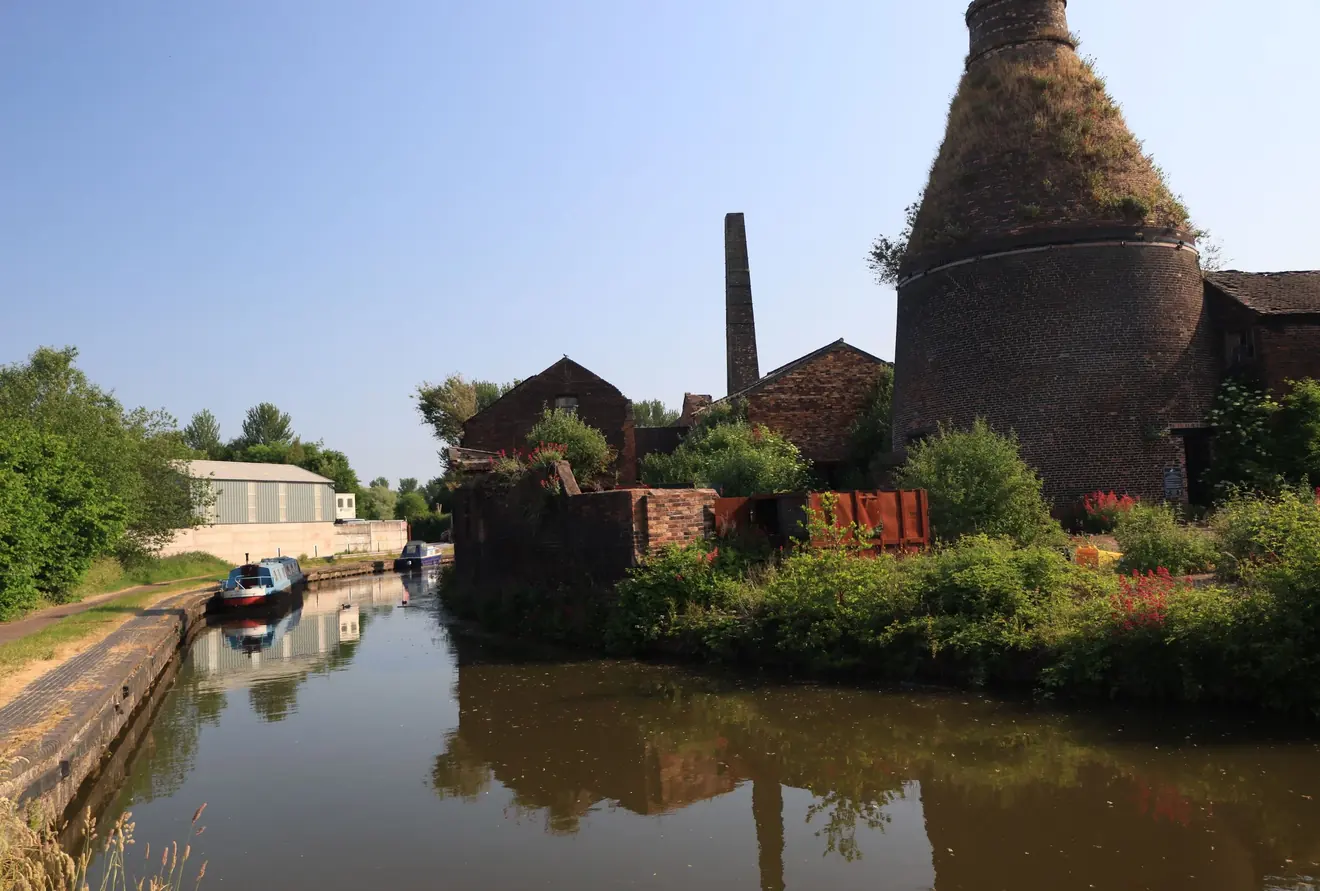
- Pottery visitors: people who arrive because of the bottle ovens, the factory shops or a television programme made in the city.
- Campus people: students and apprentices who arrive each autumn and need everything from lunch to a haircut.
- Trade buyers: purchasers, recruiters and job seekers who connected to the A500 manufacturers and hauliers.
Rank these four by the income they bring you. That order, not a competitor's last post, decides what your first month of content shows.
To check the ranking against your own business, ask the next ten customers how they found you and look at the audience tab of your profile insights. Five minutes of this beats a month of guessing, and it tells you whether the household or the visitor deserves the first post of the week.
02Platforms That Fit, and Ones to Leave
Choose the two or three platforms where your top group already looks, and answer there on time. A quiet account tells a customer that nobody is home, so a short list you can keep alive beats a long list you abandon by the first cold snap, which is the honest basis of social media management Stoke-on-Trent businesses can afford to run.
- Facebook: neighbourhood groups and event pages; a pinned post with hours, service area and a contact route does a great deal of work for a trade, nursery or tutor.
- Instagram: the shop window for ware, food, hair and venues, with highlights for opening days, directions and the questions people repeat.
- TikTok: where newcomers and younger visitors discover places, so a short clip of a glaze going on travels further than a polished photograph.
- LinkedIn: the home of suppliers, hauliers, recruiters and professional firms talking to buyers and applicants.
- Google Business Profile posts: they reach people searching on the map, and a later section covers them.
Leave out any platform you cannot describe the job of in one sentence.
Give each chosen platform one weekly job. Facebook answers questions, Instagram shows the work, LinkedIn speaks to buyers and Google carries the practical facts. When every channel repeats the same photograph the audience learns to ignore all of them, so a different job per channel keeps each one worth following.
03A Content Calendar Built on Local Rhythm
A calendar for this city should follow the rhythm people actually live, not a generic list of awareness days. Four rhythms recur and can be planned weeks ahead without naming a single date.
- The term cycle: students and apprentices arrive each autumn, and the Catalyst building on Leek Road, an 8,800 square metre home for apprenticeships and skills, adds a second wave of newcomers asking where to eat and where to shop.
- The Biennial years: the British Ceramics Biennial takes over the Spode Works in Stoke town every two years, and makers, cafes and guest houses can prepare content for visitors who come for it.
- School holidays: families look for days out, so a workshop, a factory shop or a cafe near a bottle oven earns attention with a plain what is on today post.
- The working week: trade accounts work well with weekday posts a buyer reads at a desk, and household accounts with early evening posts.
Add one district story a month. A decorating studio in Middleport, a baker in Longton or a fitter working in Meir each give you something no national brand can post.
The Hanley market and the shopping streets around the Potteries Centre suit a stallholder's story, while the canal side bottle ovens of Middleport and Longton suit a maker's. Keep a note of what the audience saves from these posts, because the saves tell you what to film next season.
04Producing Content When the Team Is Online
Remote production works when the work is prepared rather than improvised, which keeps social media management Stoke-on-Trent firms hire light on your own time. We will not be standing in your pottery or your shop, so the groundwork is a shot list, templates and an approval step, and the camera is yours or your photographer's.
- We walk through your profiles and listings on a screen share and agree two or three content lines.
- We write a shot list sized for a single phone session: wide, medium and close clips of the same task.
- You or a photographer you choose films it, once a month or once a quarter, at a quiet hour.
- We edit, write captions from templates and send a calendar for approval.
- You approve in writing; nothing is published before that.
Ask the photographer for horizontal and vertical versions of each clip, a few seconds of clean background sound and a written note of who appears on camera. That note feeds the consent section below. Bottle ovens, kilns and delivery vans are good subjects, but ask permission before filming inside a museum, a factory or a neighbour's premises.
Templates save the most time. Agree a caption pattern for a new product, an opening hours change, a workshop date and a thank you to a customer, so that each post needs only the facts filled in. Highlight covers for hours, directions, delivery and questions are made once and reused for years.
05Community Management and the Handoff to a Call
Replying is part of the content. People who message a business account want a quick answer to a plain question, and they judge the whole business by how that first reply reads. Write the routine once and keep to it.
- Who answers: name one person for the working day and one for the weekend, even if the weekend answer is only a holding line.
- How fast: state the typical reply time on the profile and set a rule for anything urgent, such as a leak or a failed delivery.
- When to move on: bookings, quotes and complaints go to a phone call or WhatsApp, because a long thread in a comment box helps nobody.
- What to hide: abuse and spam can be removed, while fair criticism gets a calm, specific reply.
Keep a shared log of questions that repeat. Opening hours, delivery of fragile goods, parking near a factory shop and group visits usually top the list, and each answer becomes a highlight, a pinned post or a line in the profile.
Prepare five saved replies for the questions above and edit them for each person; copying one reply word for word to everybody is spotted at once. Keep customer details such as addresses and order numbers out of public comments and move them to a private message or a call.
06Google Business Profile Posts and Local Reviews
Treat your Google listing as a fourth social channel, and give it a place in any social media management Stoke-on-Trent plan. It reaches people who are already searching and ready to go, and it needs the same care as the feeds: short updates, accurate hours and prompt answers.
Use posts for what changes: a new range, a workshop date, holiday hours, a pop up stall at the Market Hall. Keep the name, address and telephone number identical to the website and your Facebook page, and let the area you serve match the towns you really trade in, from Hanley and Burslem to Tunstall, Longton, Fenton and Trentham.
- Ask genuine customers: a card at the counter or a message after a job, with a link and no pressure on the score.
- Answer every review: thank the happy, and meet the critical with facts and an offer to talk by phone.
- Never buy or write one: the Digital Markets, Competition and Consumers Act 2024 bans fake reviews and the hiding of incentives.
- Do not trade reviews: swapping reviews with another business is the same problem by another route.
Add real photographs to the listing, not stock images: the front of the building, the car park, the counter and the product. Visitors who find a factory shop or workshop on the map want to see the door before they set off, and a clear picture of the entrance saves a phone call.
07Languages: English First, Then Turkish or German
Write in English for the city, because customers, visitors and neighbours read English, and add Turkish or German only where a real reader benefits. Mixed language captions confuse more than they help, so choose a language per post.
Turkish captions suit a Turkish speaking owner who also serves community customers, suppliers or relatives of staff. German captions suit a maker selling tableware or components to buyers in Germany, Austria or Switzerland, who will check the account before sending an enquiry. We write only in English, Turkish and German.
- Customer facing posts: English, with plain words and local place names.
- Community posts: Turkish when the audience is a Turkish speaking customer group.
- Export posts: German on LinkedIn and in a short bio line for DACH buyers.
- Stories and replies: match the language of the person who wrote to you.
Do not machine translate a whole feed. A short, accurate caption in the second language is worth more than a long, clumsy one.
The bio deserves particular attention. A line such as the town, the trade and the languages you reply in tells a visitor in three seconds whether the account is for them. Put the language of the reply in the profile so nobody waits for an answer that will never come.
08Sector Examples From the Six Towns
Different businesses here need different accounts, and the content lines are easier to see through examples. These are patterns, not claims about any client, since we have not managed an account in the city yet.
- A pottery or decorating studio: process clips, finished pieces on a table, a pinned post for factory shop hours and a booking route for groups.
- A workshop host: a course centre style account that lists session times, what is provided and who the sessions suit.
- A cafe or oatcake counter: a restaurant style account built on steam, griddle and filling clips, with exact hours and allergen details confirmed by the kitchen.
- A coffee seller: a coffee roaster account showing the beans, the bag and the people near the Potteries Centre.
- A manufacturer or haulier: a manufacturer account on LinkedIn with shop floor stories, quality notes and vacancies.
Each of these has a different first post. Write that first post before anything else, because it forces the choice of audience.
The same logic works for tradespeople. An electrician, a plumber or a renovation firm earns trust from tidy work, a named person and a quick reply, so the content is finished jobs, short explanations of common faults and a pinned post naming the towns covered, always filmed with the householder's permission.
09Working With Creators and Labelling Collaborations
A creator who tells the neighbourhood about your cafe or your range can be a good voice, provided the relationship is visible. Under the CMA's guidance for brands, payment includes money, discounts, loans and gifts of products, so a free jug sent for review counts. The ASA and CAP expect the content to be obviously identifiable as an ad, and the CMA suggests labels such as Ad or Advert.
- Write a short brief: what to show, what not to claim, and the label to use.
- Ask the creator to place the label at the start of the caption or on the video itself, not buried among tags.
- Check the live post yourself, as the CMA expects brands to do.
- Stop working with anyone who keeps leaving the label off.
Finding and managing creators sits under influencer marketing; on the account side we handle the brief, the label and the post check. Never present an event organiser or a venue as your partner unless it has agreed, and never use another person's photograph without asking.
Choose creators by fit rather than size. A local parent, a food lover who knows the Staffordshire oatcake or a ceramics student with a small, attentive following may suit a cafe or a studio better than a distant account with many followers, and a short, honest brief protects both sides.
10Privacy, Consent and Copyright
The simple rule is to ask before you show a face. Under UK GDPR, consent has to be freely given, specific and informed, and a person must be able to withdraw it. The ICO sets out what valid consent looks like, and a nursery, a club or a salon should treat every identifiable picture of a customer, child or member of staff as needing that kind of permission.
- Customers: ask for a clear yes at the moment of the visit, and record who said it.
- Children: get the permission of a parent or carer, and keep images of children to cases you can explain.
- Staff: agree in writing, and remove a picture when someone leaves and asks.
- Music: use tracks that Meta's business account rules allow; the radio playing in the workshop is not licensed for your video.
- Other people's pictures: credit and ask first, including archive images of the potteries.
Keep the consent notes with the shoot folder so an approval can be traced back months later.
Direct messages may contain personal details, so answer them in the same place and do not forward screenshots to people who have no need to see them. If a customer asks you to remove a picture, do it promptly and note the date.
11Measuring What Matters, Month by Month
Measure the actions that lead to a customer, not the likes, because the social media management Stoke-on-Trent owners pay for should be judged on enquiries. Reach tells you who saw a post, but saves, shares, profile visits, link clicks and messages show interest that can turn into work.
- Saves and shares: a saved post is a note to self, a shared one is a recommendation.
- Profile visits and taps: directions, calls and website taps from the profile.
- Tagged links: add a tracking tag with the UTM builder so you can see which post sent a visitor to the website.
- Messages that became work: a simple record kept by you of enquiries, quotes and visits.
At month end we send a written report and talk it through: what worked, what to drop and the plan for the next month. We do not predict follower numbers or reach, and any figure in a report comes from the platforms or your own records.
The first month is a baseline, not a verdict, because a new routine needs a few weeks before patterns appear. Draft tags with the hashtag generator and then watch which ones appear in saves.
12Mistakes Stoke-on-Trent Accounts Make
Most problems are old habits with a simple fix. These six appear again and again on local business accounts.
- Posting only the city name: name the town you work in, such as Burslem or Longton, so people nearby recognise you.
- Product shots with no context: add scale, glaze or a hand so a mug is more than a white square.
- Stale hours: after a holiday or a closure, fix the profile, the pinned post and the map listing together.
- Unlabelled gifts: label every post a creator makes for a free piece, as the CMA and ASA expect.
- Buying followers or reviews: it breaks platform rules and, for reviews, the law; earn both with real customers instead.
- No reply routine: a message left for two days loses the customer, so name a responder and a backup.
If you recognise three or more, start with the reply routine and the hours, which cost the least to fix.
13Choosing a Partner and Your First 90 Days
Choose a partner who is honest about what remote work can and cannot do when you compare offers for social media management Stoke-on-Trent firms rely on. We have no team in the city, we do not claim a local crew, and we do not promise followers or reach. What we offer is a clear process, a calendar you approve and a report you can act on.
- Days 1 to 14: profile and listing review, audience ranking, two or three content lines and the reply routine.
- Days 15 to 45: the first shot list, the first shoot by you or your photographer, and the first calendar for approval.
- Days 46 to 75: publishing, replies, tagged links and the first month report.
- Days 76 to 90: review what worked, drop what did not and plan the next quarter.
The page your profile links to matters as much as the profile, so look at web design for Stoke-on-Trent, and if you decide to promote a post later, plan it under Meta ads management. When you are ready, read the pricing section and send a short note through the contact form, with your profile links and the customers you want more of.
Before you sign anything, ask any partner five questions: who writes my captions, who replies to my messages, what do I approve, what will the report contain, and who owns the accounts when we stop. Our answers are that we write, we reply under an agreed guide, you approve everything, the report lists actions and your accounts stay in your name.