Lincoln looks small on a map and surprisingly busy on a phone screen. The person opening your profile might be a student who moved into halls beside the Brayford last week, a visitor halfway up Steep Hill looking for somewhere to sit, a festival guest in full costume on an August weekend, or a buyer deciding which workshop should machine the next batch of parts. This guide is written for owners and managers who want one account to serve all of them.
Our work for Lincoln accounts runs fully online. You, or a photographer you choose, do the filming; planning, writing, replying and reporting are ours. Each section ends with a decision or a check that helps with or without us, because good social media management Lincoln businesses can rely on is a chain of small decisions made in the right order, not a posting timetable.
01Who looks at a Lincoln account, and what they want
Begin by naming the people who view your profile, because each group asks a different question and expects the answer within seconds. The ONS mid 2025 estimate counts 103,351 residents in the city, and 26.9% of them are aged 20 to 34. The same measure gives 28.6% in Nottingham and 15.8% in neighbouring North Kesteven, so Lincoln behaves much more like a student city than like the countryside around it.
- Students: the University of Lincoln says it has grown to over 15,000 students, with its main campus on Brayford Pool, and a second institution, Lincoln Bishop University, adds to the mix. Newcomers ask what is near them and when it opens.
- Hill visitors: people on Steep Hill, in the Cornhill Quarter or around the cathedral and castle want an open door, a walking time and a reason to step inside.
- Festival guests: a free street festival over the August Bank Holiday weekend brings thousands of visitors who search by phone for whatever is open.
- Industrial and farm buyers: they check who you are, what you make and which certificates stand behind it.
Rank these groups by the trade each brings and let that order decide your first three posts. A guest house leads with the visitor, a barber with the student, a machine shop with the buyer. Where one account faces two groups, give each its own content line so that neither has to scroll through the other's material.
02Which platforms suit which Lincoln business
Choosing platforms is the first real decision in social media management Lincoln owners face, so make it on purpose. Pick the two or three channels where your top groups already spend time and leave the others until those run well. An account stretched across six platforms in a city this size rarely answers anyone quickly, and speed of reply is what people remember.
- Instagram: the shop window for barbers, cafes, boutiques and guest houses. The bio carries the street, opening hours and one enquiry link.
- TikTok: a good way to reach students and younger visitors with a quick look at a counter, a room or a stylist at work.
- Facebook: still strong for neighbourhood groups, event pages and older residents who ask practical questions.
- LinkedIn: the home for fabricators, logistics firms, machinery dealers and food producers, because their buyers look at people, plant and credentials.
- Google Business Profile posts: these catch people who search the map rather than browse a feed.
Write down what you are leaving out as well. A hairdresser can park LinkedIn, and a machining firm can park TikTok for a year. Give every channel one sentence stating its job; if you cannot write that sentence, do not open the channel yet.
03Reading the hill: uphill, downhill and place names
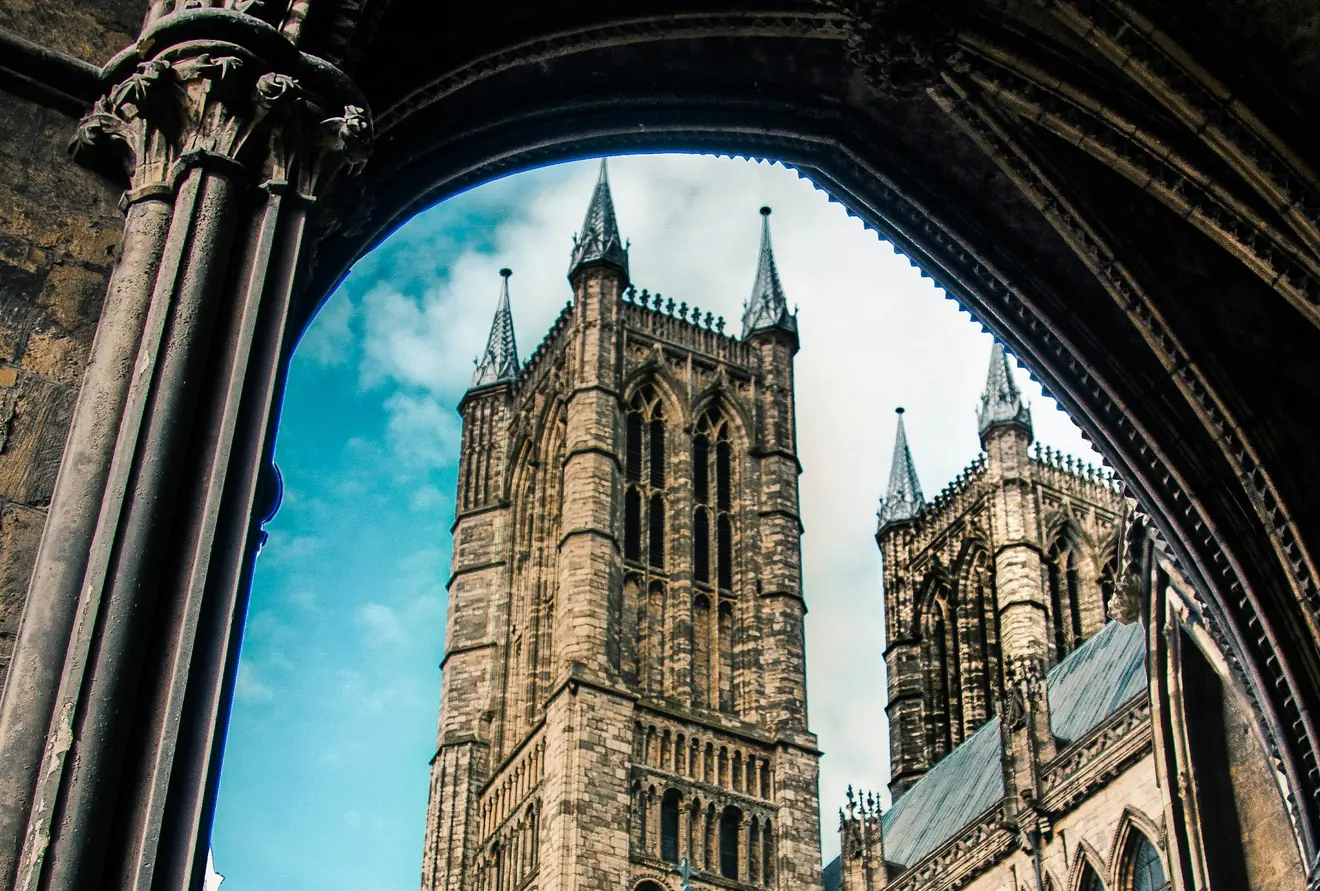
Lincoln has its own way of describing where things are, and the accounts that use it get found. Locals talk about uphill, meaning the cathedral and castle side, and downhill, meaning the Brayford and the lower town. Visit Lincoln points visitors to Steep Hill for independent shops, the Cornhill Quarter for coffee before shopping, the Brayford Waterfront for the university edge and the Cathedral Quarter for the castle and cathedral.
Use these names in captions, but only for places where you really trade. Add a short walking cue beside each one, such as which half of the slope, which door and what colour the sign is. Because the gradient is a genuine question for some visitors, say plainly whether there are steps at your entrance and how far it is from the nearest flat street.
- Put the place name and one walking cue in every caption that mentions where you are.
- Keep the address and directions in your Google listing identical to those in your stories.
- Never tag a district where another business stands as though it were your own.
04A calendar built on term dates, show season and festival weekend
Social media management Lincoln shops and workshops can rely on follows the local year. The calendar has a handful of clear peaks, and every one of them returns each year. Students arrive together in September. The Lincolnshire Show takes place each June at the Lincolnshire Showground and draws over 62,000 visitors a year. The Steampunk Festival fills the Cathedral Quarter streets on the August Bank Holiday weekend, and the weeks before Christmas have a shopping rhythm of their own.
For each peak plan three steps: preparation beforehand, fast replies while it runs and a short review afterwards. Never borrow an event's name or logo to suggest it endorses you; describe your own hours and what you sell. Quiet stretches, such as the summer break, are the right time for background footage that makes the busy weeks easier.
- Before September: a welcome week post, term time hours and pinned highlights.
- Before June: product and team footage for farm and food firms, drafted weeks ahead.
- Before the August weekend: hours, entrances and a warm caption, scheduled in advance.
- Over the summer break: a lighter rhythm and more behind the scenes material.
05How content gets made when the team is online
Because we are not on site, the production chain of social media management Lincoln clients receive starts with you. We write a shot list that one person with a phone can complete in a single visit, and the list differs for every space. A narrow shop on Steep Hill, a barber's chair near the Brayford, a workshop floor and a farm supplier's yard cannot share one list.
- We review your profiles, map listing and recent posts together with you.
- We write a shot list plus caption and story templates for each space.
- You, or the photographer you hire, film everything in one visit.
- We edit and place drafts in a shared calendar.
- You approve each post; nothing unapproved goes live.
- At month end we discuss what worked and plan the next month.
On industrial sites the list also says what stays out of frame: drawings, customer parts and anything on a screen. If you hire a photographer we turn the same list into a brief, so the shoot matches what the calendar needs and you do not pay for footage that cannot be used.
06Comments, messages and the handoff to a call
Answering a message is a step in a sale, not a chat, so speed and direction matter more than charm, and social media management Lincoln customers notice is mostly about this routine. Lincoln accounts receive a predictable set of questions: is it open, which door do I use, can a student book, is the slope steep. Write the answers into a reply guide once, and everyone who replies gives the same facts in the same tone.
- Timing: state the working hours in which messages are answered, and keep to them.
- Handoff: bookings, quotes and urgent questions move to a phone call or WhatsApp.
- Complaints: the public reply is short and calm; the detail is settled in private.
- Alerts: a serious complaint or a sign of a crisis reaches the owner at once.
We prepare the handoff, but the last step belongs to the business: lifting the phone, confirming the table, the appointment or the quote. A message that waits a day for that step usually loses the customer, so agree who covers the line at busy times before the first post goes out.
07Google Business Profile posts and Lincoln reviews
Someone searching the map has usually decided more than someone scrolling a feed. Google profile posts are therefore the right place for practical news: festival weekend hours, term time opening and a new seasonal line. Your name, address and phone number should read identically on your website, your profile and your stories.
Keep the review routine simple. Answer each review in your own voice, and reply to a poor one calmly and specifically. Since the Digital Markets, Competition and Consumers Act 2024 came into force, the CMA can fine firms directly over fake or concealed incentivised reviews, so we never write, buy or pick reviews for a client.
- Ask for a review politely after a job is finished, and disclose any reward.
- Ask every customer, not only the ones you expect to be happy.
- Reply to what was said instead of pasting one stock sentence under every review.
Check the profile before each peak as well: category, hours, holiday closures, photos and the link to your booking page. A profile with three fresh photos and correct hours does more for a visitor on the hill than a long caption on Instagram.
08Languages: British English first, Turkish and German by evidence
British English is the base for Lincoln, because students, visitors and neighbours read it. Short, plain sentences work better than idiom for students arriving from many countries. Write in British spelling, such as organise, colour and centre, and keep one voice across all channels so that the account sounds like a single person.
We hold no verified figure for Turkish speakers in Lincoln, so Turkish captions are worth adding only if your own customers ask for them. German makes sense when you sell to buyers in Germany, Austria or Switzerland, particularly on LinkedIn, where a short native introduction to your products helps. Give each language one owner; a half translated post is worse than none. If you add a second language, keep it to the facts a visitor or buyer needs: hours, location, what you offer and how to ask.
- British English: the base of every post.
- Turkish: only when your customers request it, as a separate short caption.
- German: for buyers in German speaking markets, mostly on LinkedIn.
09Examples from Lincoln sectors
The method of social media management Lincoln firms need stays the same while its look changes with the business. For a student service the content follows the term. For a visitor business, walking distance and opening hours decide. In industry, people and documents come first. These are examples of the approach, not claims about results.
Your website sits behind all of this. The page a visitor reaches after tapping your link is a matter for web design for Lincoln, where the account earns the interest and the site finishes the job.
10Creators, student ambassadors and labelling rules
If a creator or student ambassador is paid or given a gift in return for a post, the post is an ad. The ASA says a label such as Ad has to appear at the beginning of the caption, not hidden behind See more, and it does not treat labels like sponsored or gifted as clear enough. Affiliate links earning a commission count as advertising too.
The CMA's guidance on endorsements points the same way: endorsements must be made clear and reviews must be genuine. We write the label rule into every brief and check the post on the creator's account before it counts as done. The collaboration itself sits under influencer marketing. Student ambassadors need the same care as paid creators: a free coffee or a discount on a haircut is a gift, and the label applies.
- Put the label wording and its position into the written brief.
- Check the live post, not only the draft.
- Never use an event's or institution's name as if it backed your product.
11Privacy, consent, music and copyright
A customer's face in a clip is personal data. Under UK GDPR the ICO says consent has to be freely given, specific and informed, can be withdrawn at any time and must be obtained before the processing starts. In practice you have two routes: frame the shot without faces, or ask first and keep a note of who agreed to what.
For children, ask a parent or guardian and keep the agreement on file. On music, Meta states that commercial use requires proper licences and that responsibility lies with whoever shares the content. A business account should therefore choose music from a licensed source, never copy the track playing in the room.
- Written agreement from staff who appear on camera.
- Faces framed out, or consent obtained first.
- A photographer's usage rights written into the booking.
Keep a simple consent log in a shared folder: who agreed, for which use and from what date. If someone withdraws consent, you can then find and remove the material quickly. This is general good practice and not legal advice, so have your final wording checked by a solicitor.
12Measurement and the monthly report
Tie measurement to the job of the account. A like alone says little about a decision, while saves, shares, profile visits and link clicks show real interest. Tag links with a free UTM builder so you can see which post sent someone to your site, and keep calls and messages that became enquiries in your own records.
- Interest: reach, saves and shares.
- Intent: profile visits, link clicks and direction requests.
- Demand: phone calls and messages that turned into enquiries, taken from your records.
The report arrives at month end and answers three questions: what worked, what we drop and what we try next. The numbers come from your accounts and records, never invented, and we do not promise followers or reach.
Before the first report we agree what a good month looks like for your business, such as more calls after a festival weekend or more visits to your booking page in the first weeks of term, and we compare the account with its own history, not with strangers. If paid boosting would help a specific post, it is planned separately under Meta ads management.
13Mistakes Lincoln businesses make, and what to do instead
These six come up most often, and each has a simpler alternative.
- Aiming only at students: the account falls silent in summer. Keep a separate line for visitors and residents.
- Ignoring the slope: access details are missing. State the entrance, the steps and the walking time.
- Reaching the festival weekend too late: hours go unannounced. Prepare weeks ahead.
- Showing a customer's part on camera: trust is lost in manufacturing. Get written permission first.
- Asking only happy customers for reviews: this breaks the rules and the reputation. Ask everyone the same way.
- Being on every platform: none of them gets attention. Choose two or three.
Most of these mistakes come from copying what works for a different kind of business. A cafe on the Brayford and a fabricator on an industrial estate share a postcode area, not an audience, and each needs its own plan. Do not buy followers, engagement groups or reviews. They break platform rules and put the account at risk instead of protecting it.
14Choosing a partner and the first 90 days
The question to put to any partner is how the method will change for your premises, not how many posts you will get. If the team is not in Lincoln, ask who films, how approval works and who owns the accounts. The accounts should stay in your name, and our access should be removable whenever you wish.
- Weeks 1 and 2: account review, audience questions and the reply guide.
- Weeks 3 and 4: shot lists, templates and the first calendar.
- Month 2: regular publishing, the reply routine and Google profile posts.
- Month 3: the first full report, with what continues and what stops.
If you would like to start, contact us and we will write the scope down. Current packages are in the pricing section; the only thing that changes for a Lincoln business is the scope. Ad spend is never part of a package.
Before you commit, ask for a sample shot list for your own premises and a written reply guide. If a partner cannot show how the work would run for a shop on Steep Hill or a workshop on an industrial estate, the plan is probably generic.